Rebounding is basketball’s version of finding a twenty-dollar bill in your winter coat: sudden, helpful, and often game-changing. The shot goes up, everybody stares, and then chaos politely introduces itself. The players who consistently come down with the ball are not always the tallest, the strongest, or the ones with trampoline springs in their legs. More often, they are the ones who understand position, timing, and control.
If you want to learn how to rebound in basketball, the good news is that this skill is trainable. Really trainable. Great rebounders turn every miss into a small science experiment. They know where to stand, when to make contact, how to track the ball, and what to do the second it hits their hands. In other words, they do not just jump and hope. They prepare and then attack.
This guide breaks rebounding into three practical methods you can use right away in games, practices, and pickup runs. Whether you are a guard trying to help on the glass, a forward who wants more second-chance points, or a center who is tired of hearing “you’re tall, just grab it,” these fundamentals will help you rebound smarter and more consistently.
Why Rebounding Matters More Than Players Admit
Before we get to the three ways to rebound, let’s be honest about why this skill matters so much. Rebounding ends defensive possessions and extends offensive ones. That means fewer easy put-backs for your opponent and more extra scoring chances for your team. A player who rebounds well also helps control pace. Secure the ball, make an outlet pass, and suddenly your team is running in transition instead of standing around admiring someone else’s missed jumper.
Rebounding also rewards effort. You do not need a polished crossover or a silky jump shot to impact the game on the glass. What you need is awareness, technique, discipline, and a willingness to do the gritty work that usually does not end up on a sneaker commercial. Glamorous? Not always. Valuable? Absolutely.
Way 1: Win Position Before the Ball Arrives
The first and most reliable way to rebound in basketball is to earn position early. This is the foundation of both offensive and defensive rebounding. If you are standing behind your opponent when the ball comes off the rim, you are already negotiating from a bad place. Good rebounders do their work before the ball gets there.
Start With a Box Out
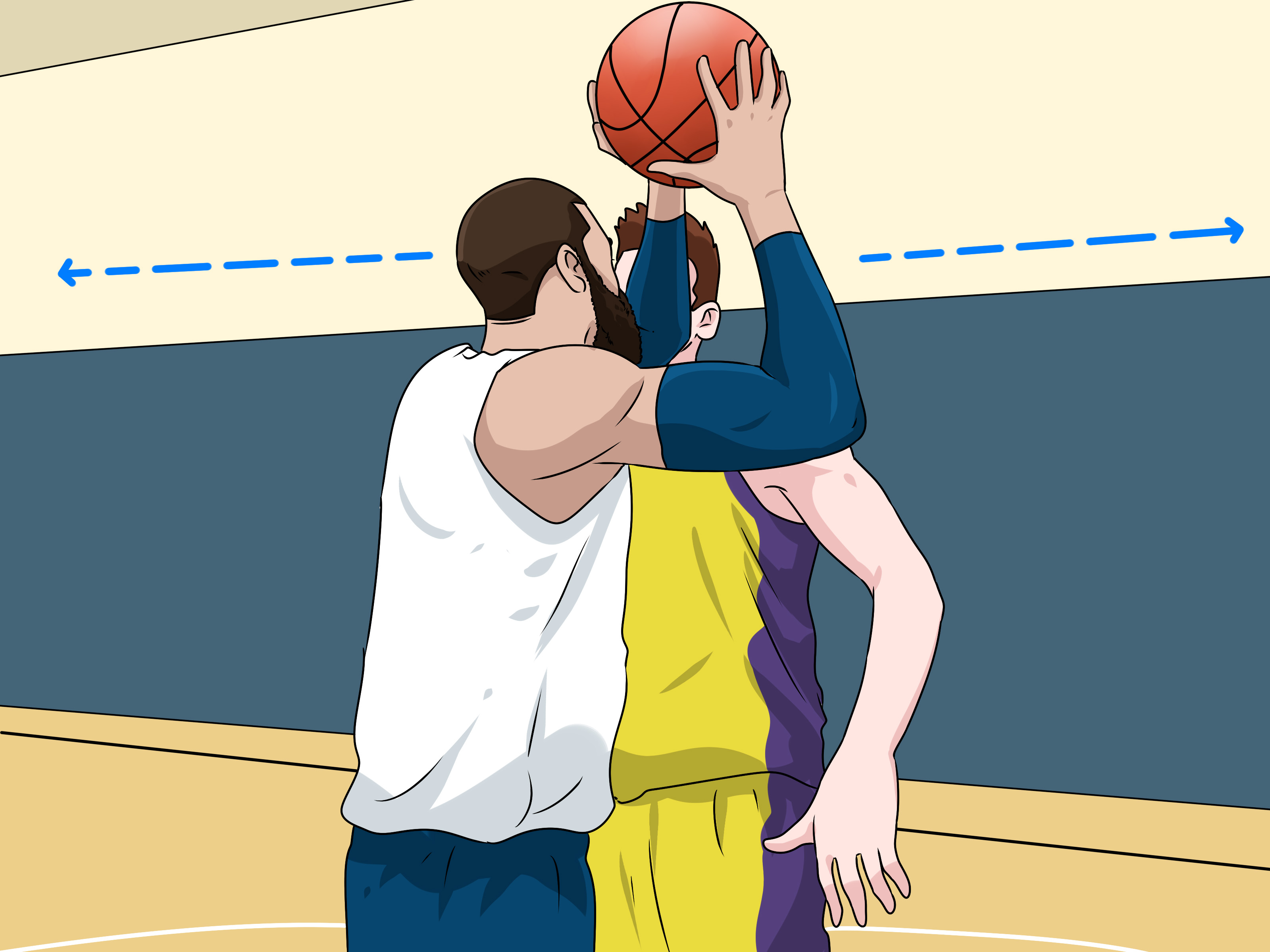
On defense, your first job is not to jump. It is to locate your player, make contact, and keep that player away from the basket. This is called boxing out, and it is the bread-and-butter technique of rebounding. As soon as the shot goes up, find your matchup. Turn, get your body between that player and the rim, widen your base, and stay balanced. Think “seal the space,” not “wrestle a refrigerator.”
A strong box out depends on leverage. Bend your knees, keep your hips low, and use your lower body to hold ground. Your arms can help you feel your opponent, but your base does the heavy lifting. If your feet are too close together or you stand too upright, a determined opponent will slide around you like you are a decorative traffic cone.
Own the Most Valuable Real Estate
The best rebounding position is usually between your opponent and the basket. On many misses, especially close shots, the ball comes off around the lane area. That makes inside position incredibly valuable. Even on longer rebounds, starting from a balanced, inside spot gives you a better angle to react.
Offensive rebounding uses the same principle with a different goal. Instead of sealing someone away from the basket, you are trying to sneak into open space before the defense can claim it. Great offensive rebounders do not charge blindly into traffic every time. They read the shot, choose smart moments to crash, and attack gaps with purpose.
Common Positioning Mistakes
The most common rebounding mistake is ball-watching. Players stare at the shot, forget their assignment, and by the time they remember to box out, the rebound is already in someone else’s hands. Another mistake is making weak contact. A half-hearted bump does not count as a box out. If you do not move your feet and establish your body, you are not boxing out. You are just briefly decorating the possession.
A third mistake is assuming size solves everything. Tall players who rely only on height often get outworked by shorter players with better leverage and anticipation. Height helps. Technique helps more.
Simple Drill for Positioning
Try a partner box-out drill. One player shoots from the perimeter while two players battle underneath. When the shot goes up, the defender must locate, hit, and seal the offensive player before going to the ball. Run several reps, then switch roles. Keep score if you want the intensity to climb in a hurry. Nothing makes fundamentals feel urgent like public accountability and a very competitive teammate.
Way 2: Read the Ball and Time Your Pursuit
Position gets you invited to the rebound. Timing helps you leave with it. The second way to rebound in basketball is learning to read the flight of the ball and attack at the right moment. This is where average rebounders turn into dangerous ones.
Track the Shot Early
Do not wait until the ball bounces off the rim to start thinking. Watch the shooter, the arc, and the angle. Different shots create different rebound patterns. A soft floater usually dies near the basket. A hard three-point miss may kick long. A baseline attempt can rebound to the weak side. Over time, you start recognizing these patterns the way experienced drivers recognize bad parking before the car even turns.
The best rebounders keep their eyes active. They feel their opponent with their body while watching the ball’s path. That combination matters because a rebound is not won by sight alone or strength alone. It is won by combining contact with anticipation.
Jump Second, Not Just High
Many players make the mistake of jumping too early. They see the ball hit the rim and immediately launch into orbit, only to discover the ball is still floating somewhere above their fingertips. Smart rebounders are patient. They time their jump so they meet the ball at its highest reachable point.
This does not mean you should react slowly. It means you should react precisely. There is a huge difference. A player with average vertical timing can out-rebound a player with better athleticism but poor discipline. The goal is not to win a jumping contest. The goal is to catch the ball first.
Pursue With Two Steps of Violence, Not Five Steps of Panic
Once you read where the ball is going, move decisively. Good rebounders do not drift. They attack the ball. That may mean taking one hard step outside your box out angle, spinning to the weak side, or chasing down a long miss near the elbow or free-throw line. The key is sharp movement under control.
Loose, lazy footwork turns rebounds into tip-outs and 50-50 balls. Crisp footwork turns them into possessions. If the ball is coming off long, go get it. If it is dropping in front of the rim, explode to it. If traffic is heavy, pursue with strong hands and a stable core. The glass is not a place for timid thoughts.
How Guards Can Rebound Better
Guards sometimes act like rebounding is a big-person hobby. It is not. Long rebounds often land in guard territory, especially off perimeter shots. A good guard reads long misses, crashes when appropriate, and helps clean up possessions that would otherwise continue. This matters even more in modern basketball, where outside shooting creates unpredictable bounces.
If you are a guard, do not assume your job is done because you contested the shot. Read the arc, slide into the landing area, and secure the ball with purpose. Bonus points if you start the break immediately afterward.
Simple Drill for Timing
Use a self-toss rebound drill or partner toss drill off the backboard. Focus on reading the angle, taking a quick adjustment step, and catching the ball at its highest point with two hands. You can also vary the shot locations to practice how rebounds come off from the wing, top of the key, and baseline. Over time, your eyes get faster, your feet get cleaner, and the game starts to feel slower.
Way 3: Secure the Ball and Turn It Into the Next Play
The third way to rebound in basketball is the part players forget after all the dramatic leaping: actually finishing the rebound. Getting a hand on the ball is not the same as controlling it. A rebound only helps your team if you secure it cleanly and make a smart next move.
Catch With Strong Hands
Whenever possible, rebound with two hands. This gives you better control, especially in traffic. Reach for the ball aggressively, grip it firmly, and bring it into a secure position. You are not receiving a gift basket. You are ending the possession.
Strong hands matter because rebounds are rarely caught in peace and quiet. Opponents are swiping, bumping, and reaching. If your hands are soft or casual, the ball can get tipped loose before you land. Meet the ball with authority and pull it in like you meant it.
Chin the Ball and Protect It
After you grab the rebound, bring the ball to your chest or chin level with elbows out naturally but under control. This protects the ball from guards digging in and bigs trying to tie you up. Do not swing your elbows wildly. That is a great way to collect a foul and a lecture.
Balance is also critical. Land on two feet when possible. Stay wide and strong. A rebounder who lands off balance often travels, throws a bad outlet, or gets stripped before the possession can breathe.
Make the Right Next Play
Defensive rebounding should often flow directly into transition offense. If you have a clear lane and are skilled enough to push the ball, go. If not, pivot and make a sharp outlet pass to a guard or wing. One good rebound can become a fast break if your decision is quick and clean.
Offensive rebounding requires a different mindset. After you secure the ball, do not automatically fling up a wild put-back like the rim insulted your family. Sometimes the best play is a strong finish. Sometimes it is a kick-out pass to an open shooter. Sometimes it is a reset that saves a possession. Mature rebounders know that control beats panic.
Common Securing Mistakes
A frequent mistake is bringing the ball low after the rebound. That invites guards to slap down on it. Another mistake is trying to dribble immediately in traffic. If three defenders are still around you, that first bounce often becomes a donation. Secure first, survey second, then decide.
Players also rush outlet passes. A rebound is wonderful. Throwing it straight to the other team ruins the mood. Be strong, pivot, see the floor, and deliver the pass on target.
Simple Drill for Securing and Transition
Run a rebound-and-outlet drill. A coach or teammate shoots, the rebounder grabs the ball with two hands, chins it, pivots, and fires an outlet pass to a guard near the sideline. Add pressure later by having another player swipe at the ball or contest the passing lane. This teaches players to finish the rebound, not just collect a statistic.
How to Put the 3 Ways Together in Real Games
The best rebounders blend all three methods into one smooth habit. First, they win position. Second, they read and pursue the ball. Third, they secure it and make the next play. Miss one stage and the rebound can disappear. Do all three well and you become the player coaches trust late in close games.
Imagine a missed corner three. A smart defender checks the nearest opponent, slides into inside position, and boxes out. As the ball caroms long to the weak side, the defender releases at the right moment, takes two sharp steps, catches the ball with two hands, lands strong, pivots, and throws the outlet. That entire sequence can happen in about two seconds. It looks effortless when done well, but it is built on technique.
Or imagine an offensive rebound off a missed layup. A forward sees the help defender rotate, crashes from the dunker spot, slips around a late box out, times the bounce, secures the ball under control, and kicks it out to a shooter when the lane gets crowded. That is not random hustle. That is intelligent rebounding.
of Real-Court Experience: What Rebounding Actually Feels Like
Rebounding sounds neat on a whiteboard, but the real education happens in crowded gyms, noisy practices, and pickup games where every miss becomes a miniature survival contest. If you have ever played in a school gym with a backboard that sounds like thunder when the ball hits it, you already know this: rebounds have personalities. Some fall softly. Some ricochet like they have somewhere urgent to be. Some seem to hover just long enough to trick three players into bad decisions.
One of the first experiences many players have with rebounding is the embarrassing realization that jumping high is not enough. A player can be the most athletic person on the floor and still get beat repeatedly by someone shorter who boxes out hard, stays low, and reads the shot earlier. That lesson tends to arrive with a bruise, a coach’s whistle, or a teammate yelling, “Find somebody!” from somewhere behind the chaos.
In youth games, rebounds often look wild because everyone follows the ball like a parade. The strongest improvement usually comes when players stop chasing the ball first and start finding bodies first. Suddenly the game feels different. Instead of reacting late, they are controlling the space before the bounce. That is the moment rebounding becomes less random and more repeatable.
Pickup basketball teaches another important experience: effort travels. On some courts, nobody boxes out until the score gets close. Then, mysteriously, everyone remembers fundamentals. Players who commit to rebounding every possession stand out immediately. They seem tougher, more reliable, and more involved even if they are not the best scorers. A rebound in pickup can also change the social temperature of the game. Secure two or three tough boards in traffic, and people start picking you earlier next run. Basketball has many unofficial awards, and “the guy who gets every loose miss” is one of them.
For guards, the experience of rebounding often changes the moment they realize long shots create long rebounds. Once that clicks, they stop drifting toward half court and start sneaking into the right spots around the elbows and free-throw line. Suddenly they are collecting misses that used to bounce through the defense untouched. It feels less like luck and more like reading a map.
Bigs have their own education. They learn that boxing out is tiring, that contact must happen early, and that holding position for a split second longer can be the difference between a clean board and giving up a put-back. They also learn that securing the ball is a skill. Anyone can tap a rebound. Controlling it with two hands, landing strong, and making the next play is what earns trust.
The best rebounding experiences come when practice habits show up in games. A player boxes out automatically, tracks the bounce, secures the ball, and fires the outlet without panic. It feels smooth, almost quiet, even in a loud gym. That is when you know rebounding is no longer just effort. It has become instinct with technique attached. And once that happens, you stop hoping the ball will find you. You start expecting it.
Final Thoughts
If you want to become a better rebounder, remember this simple sequence: win position, read the bounce, secure the ball. Those are the three ways to rebound in basketball that matter most. Fancy vertical leap numbers are nice. So are broad shoulders and highlight blocks. But rebounding is still a craft built on discipline, anticipation, and technique.
Practice boxing out until it becomes automatic. Train your eyes to read shots earlier. Catch the ball like it belongs to you and make a smart next play. Do that consistently, and you will impact games even on nights when your jumper takes an unscheduled vacation.
In the end, rebounding is one of the purest forms of basketball value. It is effort with purpose. It is toughness with skill. And yes, it is one of the fastest ways to become the teammate every coach loves and every opponent finds deeply annoying.