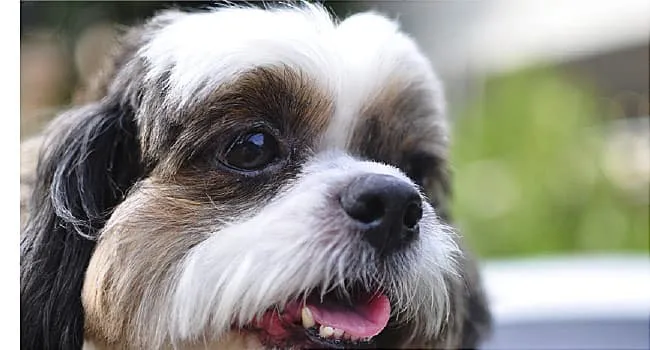
If your dog could talk, your morning routine might sound less like “five more minutes” and more like “human, the sidewalk awaits.” That is exactly why a weight loss video on how your dog can help you shed pounds works so well: it turns fitness into something practical, cheerful, and oddly difficult to ignore. Your dog does not care about perfect gym outfits, complicated meal-prep containers, or whether your smartwatch has judged you today. Your dog cares about the leash, the door, the smells outside, and the thrilling possibility that a squirrel has filed a personal challenge.
The truth is refreshingly simple. Walking your dog can support weight loss because it increases daily movement, builds consistency, reduces sedentary time, and helps create a routine you can actually stick with. It is not magic. It is not a “melt belly fat overnight” trick. It is better than that: it is a sustainable habit with a furry accountability partner who already lives in your house and looks at you like you personally canceled fun when you skip a walk.
For many people, the hardest part of losing weight is not knowing what to do. Most people know that moving more, eating balanced meals, sleeping well, and managing stress all matter. The hard part is doing those things regularly. A dog helps because walking becomes attached to love, care, routine, and responsibility. In other words, your workout has a wagging tail.
Why Your Dog May Be the Best Weight Loss Buddy You Already Have
1. Dogs Make Exercise Feel Less Like Exercise
A brisk walk around the neighborhood may not sound glamorous, but it counts. Moderate-intensity walking raises your heart rate and breathing while still allowing you to talk. That “I can chat, but I cannot sing the national anthem without sounding like a broken accordion” pace is a useful target for many adults.
Dog walks also feel less intimidating than formal workouts. You are not entering a gym full of mysterious machines that look like medieval furniture. You are simply clipping on a leash and heading outside. That lower mental barrier matters. When exercise feels normal, it becomes easier to repeat. Repeated movement is where results begin.
2. Your Dog Builds Accountability Without Saying a Word
Human workout partners sometimes cancel. Dogs do not send “Sorry, crazy week!” texts. They stand by the door, perform emotional theater with their eyes, and remind you that the daily walk is not optional. This type of built-in accountability can help you walk more often, especially on days when motivation is hiding under the couch with the missing socks.
This consistency is powerful for weight management. A single walk is helpful. A month of regular walks is a lifestyle shift. The goal is not to exhaust yourself or your dog. The goal is to stack small, repeatable actions until they become your normal day.
3. Dog Walking Adds Structure to Your Day
Weight loss often improves when your day has rhythm. Morning walks can wake up your body and set a positive tone. Evening walks can reduce snacky boredom and help you transition out of work or school mode. Midday walks can break up long sitting sessions, which is especially useful if you spend hours at a desk.
Your dog does not need a perfect schedule, but dogs thrive on routine. Conveniently, so do humans. When the walk happens around the same time each day, you spend less energy deciding and more energy doing.
The Simple Dog-Walking Weight Loss Plan
Before beginning a new exercise routine, consider your current fitness level and your dog’s health. If you have a medical condition, pain, or a long break from exercise, ask a healthcare professional what is safe for you. If your dog is overweight, older, very young, short-nosed, recovering from illness, or has joint or breathing concerns, ask your veterinarian about the right walking plan.
Week 1: Start With the “No Heroics” Walk
Begin with 10 to 15 minutes once or twice a day. Keep the pace comfortable. Your mission is not to win the Neighborhood Olympics. Your mission is to create a habit that your body and your dog can repeat without drama.
Pay attention to how both of you feel afterward. You should finish feeling warmed up, not wrecked. Your dog should look comfortable, not wiped out. If your dog lags, limps, coughs, refuses to continue, or seems unusually tired, shorten the walk and check with your vet.
Weeks 2–4: Build Toward 30 Minutes
Gradually increase your walk time until you can comfortably reach about 30 minutes most days. A common goal is 30 minutes of brisk walking five days per week, which helps many people approach widely recommended weekly activity targets.
You can split walks into smaller sessions. Three 10-minute walks can still add up. This is great for busy schedules, hot weather, small dogs, senior dogs, or humans who are easing back into movement after a long relationship with the couch.
After Month 1: Add Variety Without Overdoing It
Once regular walking feels comfortable, add gentle variety. Try a slightly faster pace for one block, then return to normal. Walk a hill if your dog handles it well. Explore a park trail. Practice short training stops, such as sit, stay, and heel, to keep your dog mentally engaged.
Variety keeps the routine interesting and can help you burn more energy without turning every walk into boot camp. Your dog is your fitness buddy, not a drill sergeant with paws.
How to Make a Weight Loss Video With Your Dog That Actually Helps People
If you are creating a weight loss video on how your dog can help you shed pounds, make it useful, honest, and fun. Viewers do not need another miracle promise. They need a routine they can picture themselves doing tomorrow morning while wearing mismatched socks.
Open With a Relatable Hook
Start with a scene many dog owners recognize: the dog is ready, the human is not. Show the leash, the sleepy face, the dog’s excited trot, and the first step outside. Then say something like, “Your dog may be the accountability partner you have been ignoring.”
This works because it connects emotionally before giving advice. People do not just want information. They want to feel like the plan fits real life.
Show the Walk in Three Levels
A good video should include beginner, moderate, and advanced options. For beginners, show a 10-minute easy walk. For moderate walkers, show a 30-minute brisk walk. For more active people and healthy, energetic dogs, show safe add-ons such as hills, longer routes, or short pace intervals.
Always remind viewers to match the plan to both bodies involved: the human body and the dog body. A young border collie and an elderly pug do not have the same exercise needs. Neither do a lifelong runner and someone just starting out.
Include Safety Shots
A trustworthy video should show water, a proper leash or harness, comfortable walking shoes, shaded routes, and paw-safe surfaces. Mention that hot pavement can hurt paws and that dogs can overheat, especially in warm weather. This makes the video more responsible and more useful.
Track Progress Without Obsessing
Encourage viewers to track simple wins: number of walks per week, minutes walked, energy level, mood, and how the dog responds. The scale can be one data point, but it should not be the whole story. Better stamina, easier stairs, looser clothing, improved sleep, and a calmer dog are all meaningful signs of progress.
Why Dog Walking Supports Weight Loss
It Burns Calories in a Sustainable Way
Walking uses energy. A longer or brisker walk generally uses more energy than a slow stroll, but sustainability matters more than punishment. Weight loss usually happens when movement, food choices, sleep, and daily habits work together over time.
That means dog walking should be part of a balanced plan. Pair regular walks with satisfying meals that include protein, fiber-rich carbohydrates, healthy fats, and plenty of water. Avoid crash dieting. Your dog would not approve of you becoming cranky and faint near the treat cabinet.
It Reduces “All-or-Nothing” Thinking
Many people quit fitness plans because they miss one workout and decide the whole week is ruined. Dogs teach a better lesson: just go for the next walk. Yesterday’s missed walk does not matter as much as today’s leash in your hand.
This mindset is huge. Weight loss is not built on perfect days. It is built on returning to helpful habits quickly after imperfect ones.
It Helps With Stress and Mood
Stress can make healthy routines harder. Dog walking gives you fresh air, sunlight, movement, and a few minutes away from screens. Your dog also provides companionship, which can make the process feel less lonely.
When your mood improves, it is often easier to make better choices later in the day. A walk will not solve every problem, but it can turn the volume down on stress long enough for you to choose dinner instead of inhaling snacks like a vacuum with feelings.
Fun Dog-Walking Workouts for Humans
The Sniff-and-Step Walk
Dogs need sniff time. It gives them mental stimulation and makes the walk more satisfying. Use this to your advantage. Walk briskly for two minutes, then allow a 30-second sniff break. Repeat. Your dog gets enrichment, and you get gentle intervals.
The Landmark Walk
Pick a landmark, such as a mailbox, tree, or street corner. Walk briskly until you reach it, then slow down. Choose another landmark and repeat. This keeps the walk playful without needing a timer.
The Park Loop
Find a safe loop at a park and walk it once at an easy pace, once at a brisk pace, and once as a cool-down. This simple format makes your walk feel structured without requiring a complicated workout plan.
The Training Walk
Add obedience practice during the walk. Ask your dog to sit at corners, walk calmly beside you, or focus before crossing the street. You will move, pause, restart, and stay engaged. Your dog gets manners practice. Everybody wins, including the neighbors who no longer get lassoed by the leash.
Dog Safety: Because Your Fitness Buddy Has Paws
Your dog’s health matters as much as your goals. Some dogs can handle long, brisk walks. Others need shorter, slower outings. Breed, age, weight, coat type, temperature, terrain, and medical history all matter.
Watch the Weather
In hot weather, walk early in the morning or later in the evening. Avoid hot pavement, bring water, and choose shade when possible. If the ground is too hot for your bare hand, it may be too hot for your dog’s paws.
Build Gradually
Do not take a dog from couch potato to marathon mascot in one weekend. Sudden increases in exercise can cause soreness, paw irritation, or joint strain. Add time and intensity slowly.
Know When to Stop
Stop or shorten the walk if your dog is limping, slowing dramatically, breathing unusually hard, refusing to continue, or acting uncomfortable. When in doubt, choose safety and call your veterinarian.
Common Mistakes to Avoid
Mistake 1: Letting the Dog Set a Chaotic Pace
If your dog zigzags like a furry shopping cart with a broken wheel, your walk may not stay brisk enough for your fitness goals. Give sniff breaks, but also practice steady walking sections where you maintain a purposeful pace.
Mistake 2: Treating Every Walk Like a Workout
Some walks should be relaxed. Your dog needs bathroom breaks, sniffing, and mental stimulation. You can balance fitness walks with slower “dog joy” walks. Not every outing needs a performance review.
Mistake 3: Ignoring Food Habits
Walking helps, but it does not cancel out constant overeating. Support your walks with balanced meals, reasonable portions, and mindful snacks. For dogs, do not cut food drastically without veterinary guidance. Dogs need safe, species-appropriate nutrition.
Mistake 4: Forgetting Strength Training
Walking is excellent, but strength training also matters for long-term health. Add simple bodyweight moves two days per week if appropriate for your fitness level: wall pushups, chair squats, step-ups, or light resistance exercises. Keep the dog nearby for moral support and occasional confusion.
Experience Section: What It Feels Like When Your Dog Becomes Your Weight Loss Partner
The first thing many people notice is not weight loss. It is resistance. The alarm rings, the shoes are across the room, and the dog is staring as if the entire household economy depends on one walk. At first, the routine feels inconvenient. Then something changes. The walk becomes the part of the day that makes everything else feel less stuck.
One common experience is the “accidental extra mile.” You start with a short route because you are tired, but your dog is cheerful, the weather is decent, and the neighborhood is quiet. You decide to go one more block. Then another. By the time you get home, you have moved more than planned without having to negotiate with yourself the entire time. That is the sneaky brilliance of dog walking: it often feels like caring for your pet first and exercising second.
Another experience is emotional. Many people trying to lose weight feel watched, judged, or pressured. A dog changes the atmosphere. Your dog does not care how fast you are. Your dog does not care if your workout shirt is from 2017 or if your hair is doing something architectural. Your dog cares that you showed up. That kind of nonjudgmental companionship makes movement feel safer and more enjoyable.
There is also the satisfaction of shared progress. After a few weeks, the human may breathe easier on hills, sleep better, or feel less stiff. The dog may settle down more calmly at home, pull less from excess excitement, or appear more content after regular outdoor time. This feedback loop is motivating. You are not just chasing a number on a scale; you are improving the daily rhythm of two lives.
Some people discover that dog walking helps them make better choices throughout the day. A morning walk can create a “healthy first vote.” After starting the day with movement, it may feel more natural to drink water, eat a balanced breakfast, or take the stairs. One good choice does not guarantee the next, but it makes the next one easier to imagine.
The experience is not always perfect. There will be rain. There will be muddy paws. There will be moments when your dog stops to inspect one leaf with the seriousness of a detective at a crime scene. There may be days when the walk is short, slow, or slightly ridiculous. That is fine. The goal is not perfection. The goal is repetition.
Over time, your dog becomes more than a pet in your weight loss journey. Your dog becomes the reason you get outside when you would rather scroll. The reason you walk after dinner instead of sinking into the couch immediately. The reason exercise feels like a promise instead of punishment. And if the scale moves slowly, you still gain something valuable: stronger habits, better energy, more fresh air, and a happier dog who thinks every walk is a grand adventure sponsored by you.
Conclusion
A weight loss video on how your dog can help you shed pounds should focus on what really works: consistency, safe movement, realistic goals, and the powerful bond between people and pets. Your dog will not replace balanced nutrition, sleep, or strength training, but your dog can help you move more often and enjoy the process. Start small, walk regularly, build gradually, and pay attention to both your body and your dog’s comfort.
The best weight loss plan is one you can keep doing. If that plan includes a leash, a wagging tail, and a daily stroll that turns into a healthier lifestyle, you may have found one of the most lovable fitness tools available. No subscription required. Treats sold separately.