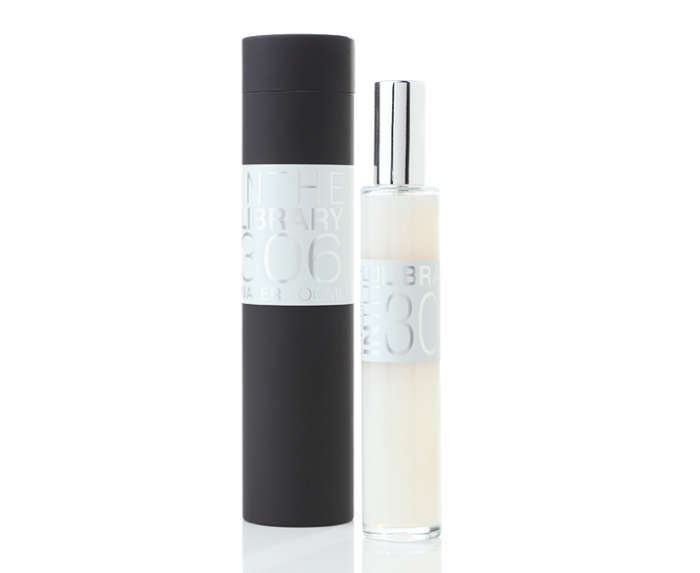
Some perfumes enter a room wearing sequins. In the Library perfume walks in quietly, chooses the best armchair, opens a leather-bound novel, and somehow makes everyone else seem overdressed. It is not a sugary cloud, a tropical vacation, or a bouquet doing cartwheels. It is a scent built around the mood of old books, polished wood, worn cloth, paper, and the civilized hush of a place where even your phone seems embarrassed to exist.
The name most fragrance lovers connect with In the Library is 306 In the Library by CB I Hate Perfume, a niche fragrance created by American perfumer Christopher Brosius. Its official character is warm, bookish, and quietly eccentric: English novel, Russian and Moroccan leather bindings, worn cloth, and a hint of wood polish. In simpler words, it smells like the kind of library where someone might discover a secret passage, a family scandal, or at least a very overdue paperback.
But this perfume is more than a clever novelty. It belongs to a fascinating corner of modern fragrance: atmospheric perfumery. Instead of asking, “Do I smell pretty?” it asks, “Where did this scent just take me?” For readers, writers, collectors, dark-academia fans, and anyone who has ever sniffed an old book and pretended it was research, In the Library perfume offers a wearable memory.
What Is In the Library Perfume?
In the Library perfume is a unisex niche fragrance designed to evoke the scent of books, shelves, bindings, paper, cloth, leather, and wood polish. It is not a traditional floral, gourmand, or citrus fragrance. Instead, it works like a scent portrait of a physical place. Imagine walking into a small private library after the rain: a wooden table has just been polished, an old novel rests open, and the room feels warmer than the weather outside.
CB I Hate Perfume’s approach is different from mainstream fragrance marketing. Many designer perfumes are built around broad appeal: sparkling openings, sweet hearts, and smooth musky dry-downs. In the Library is more specific. It does not try to smell like “everyone’s idea of luxury.” It tries to smell like a memory you did not know could be bottled. That is why it has become a cult favorite among people who love unusual perfumes, literary aesthetics, and scents that feel personal rather than performative.
The Scent Profile: Old Books, Leather, Cloth, and Wood Polish
The first thing to understand is that In the Library perfume does not smell like dust in a bad way. It does not smell like a forgotten attic where a suspicious cardboard box is plotting against your allergies. Instead, it captures the romanticized side of old paper and wood: dry, warm, slightly sweet, faintly smoky, and gently leathery.
Opening Impression
On first application, many wearers notice a warm paper-like quality. It can feel a little sweet, almost like vanilla hiding behind a stack of pages. That makes sense from a sensory perspective because the real smell of aging paper often includes sweet, vanillic, grassy, and musty nuances. The perfume does not simply copy “book smell” in a literal laboratory way; it interprets it as an atmosphere.
Heart Notes and Atmosphere
As it settles, the leather binding effect becomes more apparent. This is not a loud motorcycle-jacket leather or a smoky cowboy-boot leather. It is softer, more scholarly, and more polished. Think antique book covers, reading chairs, and old desks rather than rock concerts. The worn cloth note gives the fragrance a tactile feeling, like touching the spine of a faded hardcover that has survived three owners, two moves, and at least one dramatic coffee spill.
Dry-Down
The dry-down is where the wood polish and paper effects become cozy. The scent sits close to the skin, which suits the theme beautifully. A library fragrance should not shout across the room like a person discussing spoilers in public. It should lean in, whisper, and leave a trace that feels intimate. Depending on skin chemistry, the final impression may read as soft wood, old paper, faint leather, musk, or a lightly sweetened dryness.
Why Old Books Smell So Good
The appeal of old book perfume is not imaginary. The scent of aging books has a real chemical basis. Paper, glue, ink, and bindings change over time. As these materials age, they release volatile organic compounds, often called VOCs. These compounds can create aromas that people describe as vanilla-like, grassy, almond-like, musty, woody, or slightly acidic.
One of the stars of this aromatic drama is lignin, a natural material found in wood-based paper. As lignin breaks down, it can contribute vanillin-like sweetness. That is one reason old books can smell warm and softly sweet rather than simply dusty. Cellulose degradation, adhesives, inks, and storage conditions all add complexity. Humidity, temperature, sunlight, and air quality can change how a book ages and, therefore, how it smells.
This helps explain why In the Library perfume feels emotionally convincing. It borrows from a real-world scent experience many people recognize immediately. Even if you cannot name the materials, your nose may understand the scene: shelves, pages, quiet, time, and the strange comfort of objects that have lasted longer than most phone chargers.
Who Created In the Library Perfume?
Christopher Brosius, the perfumer behind CB I Hate Perfume, is known for treating scent as memory, art, and atmosphere. His work often turns everyday experiences into fragrance: a day at the beach, burning leaves, rain, apples, snow, and, of course, the library. This artistic style has helped redefine what perfume can be. A fragrance does not have to smell like roses, amber, or “blue sport energy” to be meaningful. It can smell like a place, a mood, or a forgotten afternoon.
The name CB I Hate Perfume is part manifesto, part wink, and part warning label for boring fragrance conventions. The brand is not saying all perfume is bad. It is pushing against perfume that feels generic, overpowering, or disconnected from real life. In the Library fits that philosophy perfectly. It is not trying to impress everyone in an elevator. It is trying to impress the person who knows exactly why a secondhand bookstore feels magical.
Is In the Library Perfume Unisex?
Yes. In the Library perfume is widely considered unisex. Its main materialspaper, leather, cloth, wood, and polishdo not belong to a gender category. They belong to a room. That is one of the reasons the fragrance remains interesting. It avoids the usual perfume aisle clichés: pink for one side, chrome for the other, and a lot of dramatic bottle caps pretending to be architecture.
On some people, the fragrance may feel drier and more woody. On others, it may become sweeter, softer, or more musky. The leather can feel elegant rather than rugged, while the paper note keeps the scent unusual and intellectual. It is a strong choice for people who prefer subtle niche fragrances, bookish perfumes, literary scents, woody perfumes, and atmospheric perfumes with a story.
When Should You Wear In the Library Perfume?
This is not the perfume for a neon beach party, unless the beach party has a rare-books section, in which case please invite us. In the Library perfume works best in situations where quiet confidence is more attractive than volume.
Best Occasions
Wear it while reading, writing, studying, browsing bookstores, visiting museums, working from home, or attending a relaxed dinner. It also fits cool weather beautifully because leather, wood, and paper notes feel especially comforting when the air is crisp. In an office or classroom, apply lightly. The fragrance is generally subtle, but unusual scents can still surprise people who expect everything to smell like laundry detergent and citrus.
Best Seasons
Fall may be its spiritual homeland. The perfume pairs naturally with sweaters, hot coffee, rainy sidewalks, and the annual human tradition of buying too many notebooks. Winter also suits it well, especially if you enjoy cozy, indoor fragrances. Spring can work if applied lightly, while summer may make the wood polish and leather feel warmer than intended.
How Long Does In the Library Perfume Last?
Longevity depends on the format, application amount, skin type, weather, and personal sensitivity. Some wearers experience it as a quiet skin scent with moderate lasting power. Others notice it fading into a soft, musky-paper trace after several hours. Because it is not designed like a blockbuster projection beast, the beauty is in closeness. It rewards the wearer more than the room.
If you want better longevity, apply it to moisturized skin or clothing, but test fabric first. Bookish scents can cling beautifully to a scarf, cardigan, or jacket lining. Just avoid spraying anything delicate, white, vintage, or expensive enough to make your wallet hold a grudge.
How to Style a Bookish Fragrance
The easiest way to style a library scent is to let it be the interesting detail. In the Library works well with simple outfits: a white shirt, wool sweater, dark denim, tweed blazer, trench coat, or soft cardigan. It also fits the dark academia aesthetic without needing to cosplay as a haunted graduate student who owns a candle called “Thesis Panic.”
For fragrance layering, be careful. In the Library already has a complete atmosphere. If you layer it with something too sweet, it may lose the dry paper effect. If you layer it with a strong smoky scent, it may become heavier and less readable. A soft vanilla, dry cedar, gentle musk, or transparent amber can work, but use a light hand. The goal is “private library,” not “dessert caught fire in a furniture store.”
Similar Perfumes and Alternatives
People searching for bookish perfume often compare In the Library with fragrances that evoke paper, ink, wood, or literary spaces. Maison Margiela’s discontinued Replica Whispers in the Library became popular for its warm, woody, vanilla-tonka interpretation of a library mood. Paper Passion, a fragrance created around the smell of books and print culture, appeals to those who want a more paper-focused concept. Other niche perfumes explore ink, cedar shelves, dry woods, incense, and antique leather.
Still, In the Library remains distinctive because it feels less like a sweet candle and more like a specific room. It is not merely “cozy.” It is cozy with a catalog number. It has a dry, literary personality that makes it memorable even when it stays close to the skin.
Buying Tips: Sample First, Then Decide
Because In the Library perfume is unusual, sampling is wise. A fragrance that smells magical in a description may behave differently on your skin. Some people fall instantly in love with its old-book realism. Others wish it were sweeter, stronger, cleaner, or more traditionally perfumey. That is the fun and danger of niche fragrance: the best ones have opinions.
When testing, wear it for a full day before judging. Notice the opening, the middle, and the dry-down. Try it indoors and outdoors. Smell it on skin and, if safe, on fabric. Most importantly, pay attention to your emotional response. Does it make you feel focused, calm, nostalgic, elegant, mysterious, or like you should finally finish that novel on your nightstand? Good perfume does not only smell good; it changes the room inside your head.
Experience Section: Living With In the Library Perfume
Wearing In the Library perfume feels less like putting on fragrance and more like changing the lighting in your day. The first time you wear it, do not expect the usual perfume fireworks. There is no sparkling fruit explosion, no dramatic floral entrance, and no sugary trail waving from the doorway. Instead, it arrives quietly. You may catch it when you move your wrist, turn a page, pull on a sweater, or lift a mug of coffee. It behaves like a thought that keeps returning.
One of the best experiences with this perfume is wearing it during a reading session. Choose a real book, not because digital reading is wrong, but because paper makes the whole thing feel delightfully theatrical. Sit somewhere comfortable, apply a small amount, and give it ten minutes. As the scent warms, the paper and wood notes start to blur with the book in your hands. Suddenly, the room feels more intentional. The chair becomes a reading chair. The table becomes a writing desk. The unread pile of books becomes less of a personal failure and more of an interior design choice.
It is also a wonderful work-from-home scent. Many people use fragrance as a way to separate moods: one scent for errands, one for evenings, one for focus. In the Library can become a “concentration perfume.” It suggests quiet without smelling sterile. It is comforting but not sleepy, nostalgic but not sentimental to the point of needing a tiny violin. For writing, research, editing, journaling, or planning, it creates a soft mental border around the task. You are not just answering emails; you are corresponding from a wood-paneled study, which is much more dignified.
In social settings, the fragrance can become a conversation starter precisely because it is not obvious. Someone may ask, “What is that scent?” and then pause because the answer is not easy. It is not simply vanilla, leather, or wood. It is a library. That makes the perfume feel personal. It tells people something about your taste without announcing it through a megaphone. It suggests you enjoy atmosphere, detail, and maybe the dangerous thrill of owning more bookmarks than necessary.
The experience is especially strong in fall and winter. A gray afternoon, a wool coat, a bookstore visit, and In the Library on your wrist can make an ordinary day feel like a scene from a novel. Not necessarily a dramatic novel. Maybe one where the main conflict is choosing between two excellent pastries after buying a used copy of something Russian. Still, the scent adds texture. It makes small rituals feel richer: sharpening a pencil, opening a journal, walking through museum galleries, waiting for rain to stop, or reorganizing shelves while pretending you are not just moving the same books into slightly different guilt-based categories.
The only caution is that In the Library is not for everyone, and that is part of its charm. If you want compliments from across the room, choose something louder. If you want a scent that makes you feel quietly original, this one deserves attention. It is intimate, odd, warm, and intelligent. It smells like pages, polish, and time. Most perfumes try to make you smell attractive. In the Library tries to make your day feel more interestingand honestly, that may be the more impressive trick.
Conclusion
In the Library perfume is a beautifully strange fragrance for people who want scent to tell a story. It captures old books, leather bindings, worn cloth, wood polish, and the cozy seriousness of a room built for reading. Its charm lies in subtlety. It does not chase trends or shout for attention. Instead, it creates an atmosphere: warm, dry, thoughtful, and quietly memorable.
For lovers of niche perfume, literary fragrance, old book smell, dark academia style, and woody leather scents, In the Library is worth sampling. It may not become everyone’s daily signature, but it can become something more special: a scent you wear when you want to feel focused, nostalgic, creative, and slightly mysterious. Like the best books, it rewards people who slow down long enough to notice the details.
Note: This article is written for web publication in original, human-readable language and is based on real fragrance details, product descriptions, scent reviews, and preservation science related to the smell of aging books.