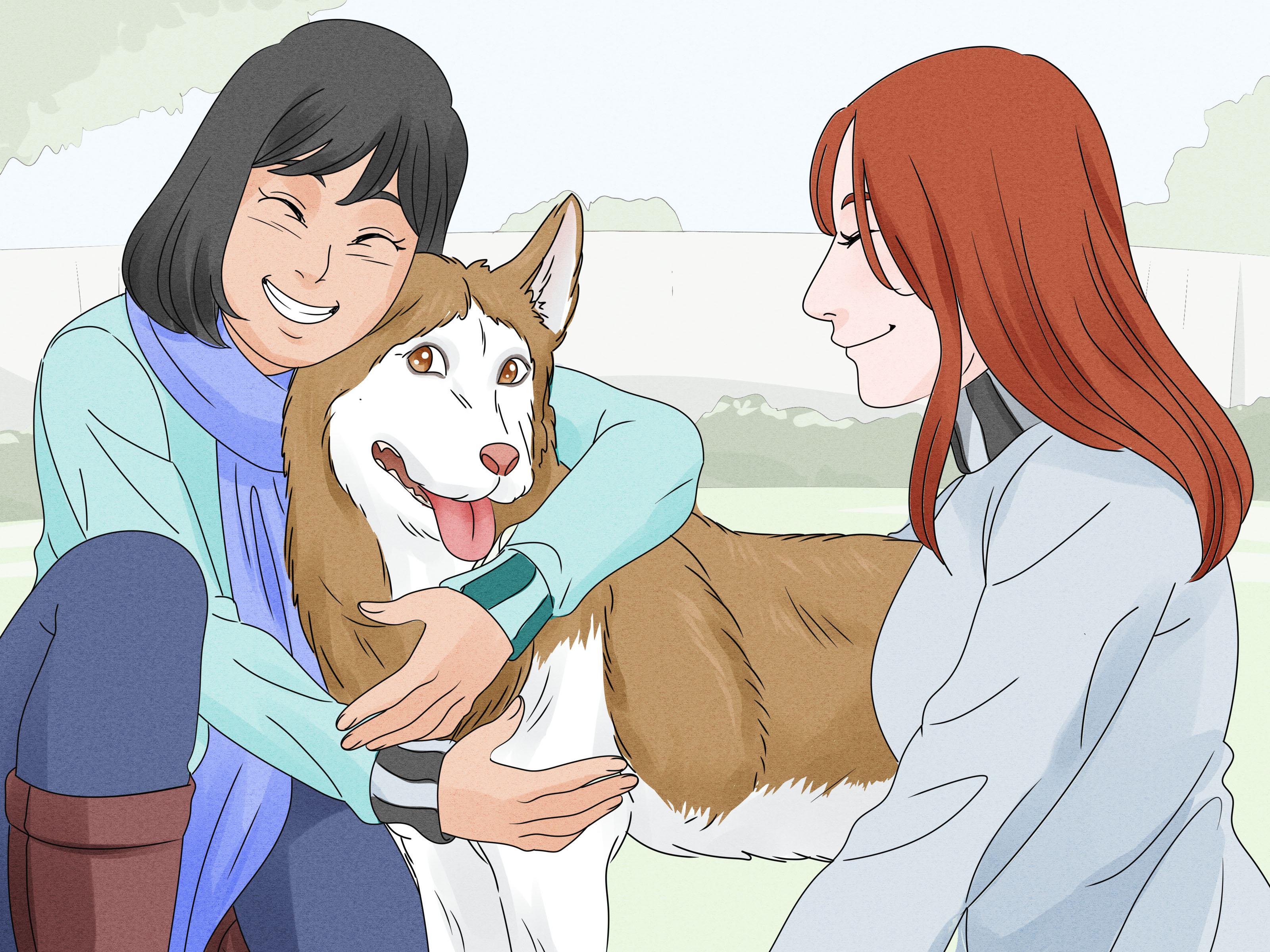
Spotting a Siberian Husky sounds easyuntil you meet three fluffy, pointy-eared dogs at the park and every single one looks like it just stepped out of a snowstorm-themed shampoo commercial. Is that a Siberian Husky, an Alaskan Malamute, a Husky mix, or a very dramatic wolf impersonator with excellent eyeliner? The good news is that Siberian Huskies have several recognizable traits once you know what to look for.
The Siberian Husky is a medium-sized working dog originally developed for sledding in cold northern climates. Unlike heavier freight-pulling dogs, this breed was built for endurance, balance, speed, and teamwork. A true Siberian Husky should look athletic rather than bulky, alert rather than suspicious, and lively enough to make you wonder whether your furniture has updated its insurance policy.
In this guide, you’ll learn three practical ways to identify a Siberian Husky: by examining body structure, checking coat and facial features, and observing behavior, movement, and documentation. These clues are especially helpful if you are adopting, comparing similar northern breeds, or simply trying to win the “what kind of dog is that?” debate at the dog park.
Way 1: Study the Husky’s Body Shape, Size, and Overall Build
Look for a medium-sized, athletic sled dog
A Siberian Husky should be medium in size, not massive. Adult males usually stand about 21 to 23.5 inches at the shoulder and weigh roughly 45 to 60 pounds. Adult females are typically smaller, often around 20 to 22 inches tall and 35 to 50 pounds. These ranges are important because many people confuse Siberian Huskies with Alaskan Malamutes, which are usually larger, heavier, and more powerful-looking.
The Siberian Husky’s body is slightly longer than it is tall, giving it a balanced rectangular outline. The dog should look compact but not chunky, strong but not bodybuilder-heavy. Think “marathon runner in a fur coat,” not “snow tractor with paws.” This breed was developed to pull light loads at moderate speeds over long distances, so its structure favors endurance and efficient movement.
Check the legs, feet, and stance
A Siberian Husky usually stands with a confident, balanced posture. The legs should appear straight and moderately boned. The feet are oval, compact, and well-furred, helping protect the dog in cold conditions. When the dog is standing naturally, it should not look low-slung, overly tall, extremely narrow, or heavily muscled like a freight dog.
Movement is another clue. Siberian Huskies tend to move with a smooth, effortless gait. When trotting, they often appear light on their feet, with a level topline and easy reach. A clumsy, rolling, lumbering movement may suggest another breed influence or simply poor structure. Of course, puppies are allowed to be goofy little chaos machines; their adult shape takes time to develop.
Notice the ears and tail
The ears of a Siberian Husky are one of the easiest visual markers. They are triangular, erect, fairly close together, and set high on the head. They should not be floppy, oversized, or rounded like a teddy bear’s ears. In an alert Husky, the ears help create that famous “I heard you open the cheese drawer from three rooms away” expression.
The tail is thickly furred and often carried in a graceful sickle shape when the dog is alert. It may trail behind when the dog is relaxed. A Siberian Husky’s tail should not be tightly curled flat over the back like a cinnamon roll. A very tight curl may point toward another spitz breed or a mix.
Way 2: Examine the Coat, Colors, Eyes, and Facial Markings
Identify the famous double coat
The Siberian Husky has a dense double coat designed for cold weather. The outer coat is generally straight and medium in length, while the undercoat is soft and thick. The coat should look well-furred without hiding the dog’s outline. A very long, shaggy, woolly coat may look adorable, but it is not the classic breed-standard coat type.
Huskies shed. Then they shed again, just to make sure you noticed. Many owners describe seasonal shedding as “blowing coat,” when the undercoat comes out in impressive tufts. If you brush a Husky during shedding season and briefly consider knitting a second dog from the loose fur, congratulationsyou have met the breed’s grooming reality.
Know the accepted colors and patterns
Siberian Huskies come in many colors, including black, gray, red, sable, agouti, and pure white. White markings on the face, chest, legs, and belly are common. The classic black-and-white Husky with a dramatic facial mask is popular, but it is not the only valid look. A red-and-white Husky with amber eyes can be just as Siberian as the blue-eyed black-and-white superstar on a dog calendar.
Facial markings vary widely. Some Huskies have masks, spectacles, open faces, blaze markings, or darker caps. These patterns can be striking, but they are not proof by themselves. Coat color and markings should be considered alongside body shape, size, temperament, movement, and documentation.
Look at the eyesbut don’t rely on blue alone
Blue eyes are strongly associated with Siberian Huskies, but not every Husky has blue eyes. Their eyes may be brown, blue, one of each, or parti-colored. The shape is typically almond-like and set somewhat obliquely, giving the breed an alert, intelligent expression.
Here is the important part: blue eyes do not automatically mean Siberian Husky. Other breeds and mixes can also have blue eyes. Likewise, a brown-eyed Husky is still completely normal. If someone says, “It can’t be a Husky because its eyes are brown,” you may politely hand them a brush and let them discover the truth during shedding season.
Way 3: Observe Temperament, Energy, Voice, and Verification Clues
Expect a friendly, outgoing personality
A classic Siberian Husky temperament is friendly, gentle, alert, and outgoing. This breed is usually not a natural guard dog. Many Huskies greet strangers as if they are long-lost roommates who might be carrying snacks. They are often social with people and other dogs, though proper training and introductions still matter.
Siberian Huskies are intelligent, independent, and famously mischievous. They may understand a command perfectly and then hold a quick internal board meeting about whether obeying it fits their personal brand. This does not mean they are “bad dogs.” It means they are working dogs with a history of decision-making, stamina, and strong opinions.
Listen for the Husky voice
Many Siberian Huskies are vocal. They may howl, yodel, grumble, chirp, or produce sounds that seem suspiciously close to a complaint filed with management. Some bark, but many are better known for talking and howling. This vocal nature is a helpful clue, though not a guarantee, because individual dogs vary.
If a dog has the look of a Husky and then begins a five-minute dramatic monologue because dinner is seven seconds late, you may be gathering useful evidence. Still, behavior alone is not enough. Plenty of mixes inherit the Husky soundtrack without the full breed package.
Watch the energy level and escape skills
Siberian Huskies are active dogs. They usually need daily exercise, mental stimulation, and secure spaces. A bored Husky may dig, chew, climb, run, or invent a hobby that makes your garden look like an archaeological site. Many owners learn quickly that a tired Husky is a happier Huskyand a safer couch.
Because the breed has a strong working background, Huskies often enjoy running, pulling sports, hiking, structured play, and training games. They may also have a strong prey drive, meaning small animals can trigger chase instincts. This is one reason leash control, fencing, and supervision are essential.
Confirm with paperwork or DNA testing
Physical and behavioral clues can help you identify a Siberian Husky, but they cannot prove purebred status. The most reliable confirmation comes from registration papers from a reputable breeder, pedigree records, rescue documentation when available, or a canine DNA test. A veterinarian can also help evaluate health, structure, and breed characteristics, especially for adopted dogs with unknown backgrounds.
If you are considering a puppy, ask for health information, breeder transparency, and parent details. Responsible breeders care about temperament, structure, genetic health, and placementnot just blue eyes and fluffy photo opportunities. If you are adopting, remember that a Husky mix can still be a wonderful companion even if it does not match every breed-standard detail.
Common Breeds Mistaken for Siberian Huskies
Siberian Husky vs. Alaskan Malamute
The Alaskan Malamute is usually larger, heavier, and more powerful than the Siberian Husky. Malamutes were developed for hauling heavier loads, while Siberian Huskies are lighter endurance sled dogs. A Malamute often has a broader head, heavier bone, and a more substantial body. If the dog looks like it could tow your refrigerator uphill, you may be looking at a Malamute.
Siberian Husky vs. Alaskan Husky
The Alaskan Husky is not a standardized breed in the same way the Siberian Husky is. It is often bred for performance and sled racing, so appearance can vary widely. Some Alaskan Huskies look very similar to Siberians, while others have leaner bodies, shorter coats, different ear shapes, or more mixed ancestry.
Siberian Husky vs. Alaskan Klee Kai
The Alaskan Klee Kai often looks like a miniature Husky, which can confuse people at first glance. However, Klee Kai are much smaller and were developed primarily as companion dogs. If the dog has Husky-like markings but fits comfortably in a tote bag, it is probably not a Siberian Husky.
Siberian Husky vs. German Shepherd or Husky Mix
Husky mixes can inherit blue eyes, erect ears, thick coats, and facial masks. A German Shepherd-Husky mix, often called a Shepsky, may have a larger frame, different head shape, stronger guarding instincts, or a more shepherd-like body. Mixed dogs are beautiful and capable, but they may not match the Siberian Husky’s standard size, movement, or temperament.
Quick Identification Checklist
- Medium-sized, athletic body rather than heavy or giant build
- Slightly longer than tall with balanced proportions
- Erect triangular ears set high on the head
- Dense double coat of medium length
- Well-furred sickle-shaped tail, not tightly curled
- Almond-shaped eyes that may be blue, brown, mixed, or parti-colored
- Friendly, outgoing, alert temperament
- High energy, strong endurance, and possible escape-artist tendencies
- Often vocal, with howls, “talking,” or dramatic grumbles
- Best confirmed through pedigree papers, breeder records, rescue history, or DNA testing
Experience Notes: What Identifying a Siberian Husky Looks Like in Real Life
In real life, identifying a Siberian Husky is rarely as neat as comparing one dog to a chart. The first thing most people notice is the face: bright eyes, sharp ears, a clean mask, and an expression that seems to say, “I know exactly what I did, and frankly, I stand by it.” But the best identification comes from stepping back and looking at the whole dog.
At a dog park, for example, a true Siberian Husky often stands out because of its movement. While some large fluffy breeds bounce or lumber, the Husky tends to glide. Even when playing, the dog may show quick turns, light steps, and an efficient trot. One gray-and-white dog may look like a Husky from the front, but when it moves like a heavy draft animal and towers over the others, it may be closer to an Alaskan Malamute or a mix.
Another real-world clue is personality. A Siberian Husky often acts social but not clingy. It may greet everyone, inspect every corner of the yard, sing at another dog, and then ignore a recall command with the confidence of a teenager wearing headphones. That independence is part of the breed’s charm, though it can surprise first-time owners who expected a dog that lives to please.
Coat experience is also unforgettable. Many new Husky owners underestimate grooming until shedding season arrives. A short brushing session can produce enough undercoat to fill a small pillow. This dense double coat is one of the strongest identification clues, especially when paired with the medium athletic build and upright ears. However, it also reminds owners that Huskies are not low-maintenance decorations. They are active working dogs wearing weatherproof jackets they cannot take off.
One common mistake is judging only by eye color. People often assume every blue-eyed dog with a fluffy coat is a Siberian Husky. In shelters, this can lead to mislabeling. A mixed-breed dog may have Husky eyes but a different body shape, coat texture, tail carriage, or temperament. On the other hand, a brown-eyed Siberian Husky may be overlooked because it does not match the Hollywood version of the breed.
The most practical experience-based advice is this: use several clues together. Look at size, structure, coat, ears, tail, eyes, movement, and behavior. Then confirm with records or DNA testing if purebred identification truly matters. Whether the dog is a show-quality Siberian Husky, a Husky mix, or a mystery snow goblin with paws, accurate identification helps you understand its exercise needs, grooming routine, training style, and safety requirements.
Conclusion
Learning how to identify a Siberian Husky is about more than spotting blue eyes and a fluffy coat. The breed has a distinct combination of medium size, athletic structure, dense double coat, erect ears, expressive eyes, sickle tail, friendly temperament, and high-energy working-dog behavior. When these clues appear together, you may be looking at a Siberian Husky.
Still, appearance can be misleading. Many northern breeds and mixes share similar features. For the most accurate answer, combine visual observation with temperament clues and reliable confirmation such as pedigree documents or a canine DNA test. And if the dog sings at you, sheds on your pants, escapes from a supposedly secure area, and then smiles like nothing happenedwell, the Husky evidence is getting stronger.
Note: This article is for general breed-identification guidance. For official purebred verification, use reputable registration records, breeder documentation, veterinary guidance, or a canine DNA test.