If your garden looks a little tired in October, that does not mean the growing season has packed its bags and moved out. In many parts of the United States, October is less of a grand finale and more of an encore. The heat backs off, the weeds calm down, and cool-season crops finally stop acting dramatic. While summer tomatoes may be limping toward retirement, plenty of vegetables, herbs, flowers, bulbs, and soil-building plants are still fair game right now.
The trick is simple: stop thinking like it is July. October gardening is not about chasing giant watermelons or starting a pumpkin empire. It is about choosing plants that appreciate cool weather, understand shorter days, and do not panic at the first light frost. That means leafy greens, garlic, shallots, spring bulbs, cold-hardy flowers, and cover crops all deserve a spot on your radar. In warmer regions, you may even have time for broccoli, cabbage, carrots, and beets. In colder regions, you can still squeeze in meaningful planting if you use row covers, cold frames, mulch, or transplants.
In other words, October gardening is not over. It just gets smarter.
Why October Is Still a Great Month to Plant
October has a lot going for it. The soil is often still warm from summer, which helps seeds germinate and roots establish quickly. Air temperatures are cooler, so young plants are less stressed. Many pests are less aggressive than they were in late summer. And for gardeners who are tired of watering every 14 minutes, fall weather can feel like a sincere apology from nature.
Cool-season gardening also produces some of the tastiest harvests of the year. Kale, collards, spinach, carrots, and turnips often develop sweeter flavor after cool weather or light frost. Lettuce is less likely to bolt. Cilantro stops behaving like a diva. And garlic planted in fall gets the long root-building period it needs for a strong crop next summer.
The catch is that “what you can still plant” depends on your first frost date, your USDA hardiness zone, and whether you are planting from seed or using transplants. A gardener in Georgia or North Florida can still do more in October than a gardener in Minnesota. But almost everyone has something worth planting now.
First, Know Your October Gardening Window
Before you start tossing seeds around like confetti, check your average first frost date. That single date helps you decide whether you should plant quick-maturing greens, install garlic, tuck in spring bulbs, or pivot to cover crops and cold-hardy ornamentals.
Use this simple October rule:
Fast crops like radishes, baby lettuce, arugula, mustard greens, and spinach are usually your best bet in colder regions. Medium-speed crops like beets, carrots, and turnips work better where October is still mild or where you can protect them. Longer-season crops like broccoli, cabbage, and cauliflower are usually safer as transplants in warmer climates, not as last-minute seed projects in cold ones.
If you are already behind, do not panic-buy 17 seed packets. October rewards realism. Choose crops that match your weather and your calendar, then plant with purpose.
What You Can Still Plant Right Now in October
1. Leafy Greens That Love Cool Weather
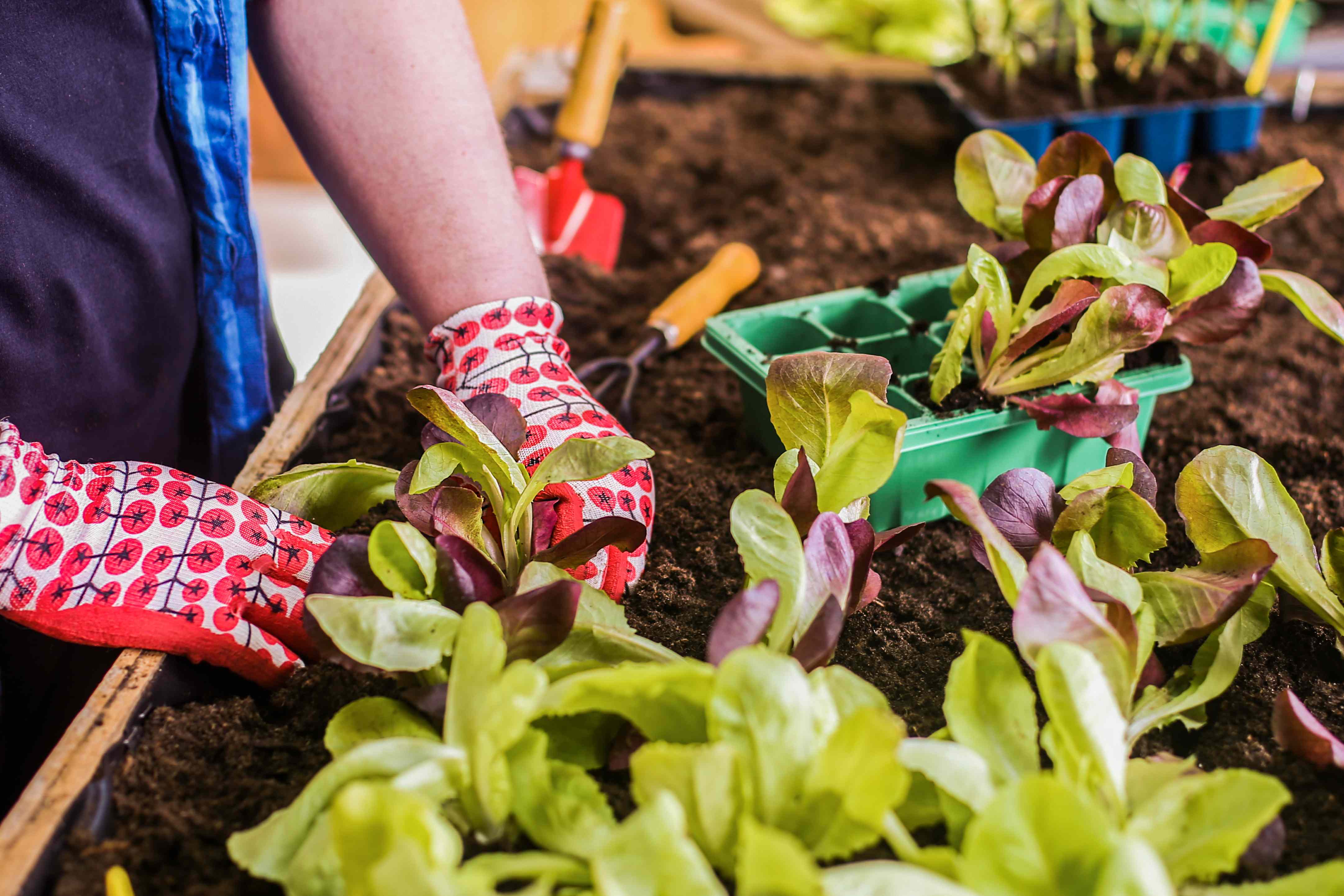
If October had an official mascot, it would probably be a basket of leafy greens. These are the easiest, fastest, and most forgiving crops to plant this month. Spinach, lettuce, arugula, kale, mustard greens, Swiss chard, and collards all perform well in cool temperatures.
For the fastest results, go with baby-leaf mixes, loose-leaf lettuce, arugula, and mustard greens. They germinate quickly and can often be harvested young in a cut-and-come-again style. Kale and collards take longer, but they are among the toughest performers in a fall garden. Spinach is also a standout because it can grow in fall, pause during harsh winter weather, and then resume growth in spring.
Best October move: sow seeds thickly in a raised bed or container, keep the soil evenly moist, and cover with a lightweight row cover once temperatures start dipping.
2. Radishes, Turnips, Beets, and Other Quick Root Crops
Root crops are classic October garden material, especially if your area still has a few mild weeks ahead. Radishes are the speed demons of the bunch and can be ready in a matter of weeks. Turnips are another smart choice because both the roots and greens are edible. Beets can still work in many regions, and baby beets are especially realistic for October planting. Carrots are a bit slower, but in milder zones or protected beds they are still worth a try.
These crops need loose, stone-free soil to develop straight roots. If your soil is heavy clay or resembles a failed brick experiment, use a raised bed or deep container. Keep the seedbed moist until germination, and thin seedlings early so roots have room to size up.
Pro tip: do not overfeed root crops with nitrogen. Too much fertilizer can give you fabulous leaves and disappointing roots, which is not the kind of surprise anyone wants.
3. Garlic and Shallots for Next Year’s Harvest
Garlic is one of the most rewarding things you can plant in October. While it feels slightly unfair to plant something now and wait until next summer, the payoff is worth it. Fall-planted garlic develops roots before winter, then takes off when temperatures warm in spring. Hardneck garlic is popular in colder climates, while softneck garlic often performs well in warmer regions and stores longer.
Plant individual cloves pointed side up in well-drained soil, give them enough spacing, and mulch after planting to moderate soil temperature and reduce winter heaving. Shallots can also be planted in fall in many areas, especially where winters are not brutally severe.
If you only plant one edible crop in October, make it garlic. Future-you will feel very clever.
4. Herbs for Cool-Season Flavor
Not every herb is thrilled about October. Basil, for example, hears the word “frost” and faints immediately. But several herbs handle fall much better. Cilantro, parsley, chives, sage, thyme, and in some regions rosemary are all worth considering depending on your climate.
Cilantro especially shines in cool weather and is far less likely to bolt than it is in spring or summer. Parsley also appreciates the milder conditions. If your nights are already chilly, start with transplants instead of seed for a faster payoff. Herbs do especially well in containers near the house, where they are easier to protect and harvest.
5. Broccoli, Cabbage, Cauliflower, and Other Brassicas in Mild Areas
If you live in a region with long, mild falls, October is not too late for certain brassicas, particularly from transplants. Broccoli, cabbage, bok choy, and cauliflower can still be productive in southern and coastal climates where frost arrives late or lightly. In colder zones, October is usually too late to start these from seed outdoors, but you may still be able to grow baby leaves or overwinter certain hardy varieties with protection.
This is where local timing matters. A gardener in Maryland, North Carolina, Georgia, or the Florida Panhandle may have a much longer planting runway than a gardener in Wisconsin. When in doubt, choose young transplants over seed and add a row cover to buy extra time.
6. Spring-Flowering Bulbs
October is prime time for planting spring bulbs such as tulips, daffodils, hyacinths, crocuses, and alliums. This is one of the smartest things to do now if you want your garden to feel alive again at the end of winter. Bulbs need cool soil and enough time to root before the ground freezes, which is why fall planting matters so much.
Plant bulbs in clusters instead of lonely single-file lines. Groups create a bigger visual impact in spring and look much more natural. Choose a site with good drainage, because bulbs hate sitting in soggy soil over winter. If squirrels treat your flower beds like an all-you-can-dig buffet, consider covering the area with wire mesh until the ground cools further.
7. Pansies, Violas, Ornamental Kale, and Ornamental Cabbage
If your goal is instant color, not eventual salad, cold-hardy annuals are October heroes. Pansies and violas are famous for handling cool weather with surprising grace. Ornamental kale and ornamental cabbage bring texture and color long after petunias have given up on life. In many regions, these plants hold up beautifully through late fall and even into winter.
Use them in containers, front porch pots, window boxes, and border edges. They are particularly helpful if your summer annuals are looking rough and your garden needs a visual reboot before holiday season entertaining.
8. Trees, Shrubs, and Perennials
October is also a strong planting month for many trees, shrubs, and perennials, especially in regions where the ground remains workable and not frozen. The cooler air reduces transplant stress, while still-warm soil helps roots establish before winter. That means your plants can spend fall and early winter building underground strength instead of trying to support a lot of top growth.
This is a great time to plant native shrubs, deciduous trees, and hardy perennials. Just be realistic about timing. Give them enough weeks before hard freeze, water them well after planting, and apply mulch to help regulate soil moisture and temperature.
9. Cover Crops for Healthier Soil
If you are done harvesting and do not want bare soil sitting exposed all winter, plant a cover crop. This may not be the glamorous answer, but it is one of the most useful. Cover crops can reduce erosion, suppress weeds, improve soil structure, and add organic matter. Depending on your climate and timing, options may include oats, winter wheat, rye, crimson clover, peas, or tillage radish.
Think of cover crops as an off-season cleanup crew that also moonlights as a soil improvement team. They are not flashy, but they absolutely earn their keep.
How to Make October Planting More Successful
Use Season Extenders
Row covers, cold frames, cloches, and temporary hoop tunnels can turn a decent October garden into an excellent one. Even a simple floating row cover can protect seedlings, reduce wind stress, and hold in enough warmth to extend your harvest window.
Choose Fast Varieties
Look for seed packets labeled with short days-to-maturity, baby leaf use, or fall suitability. A 28-day radish makes much more sense in October than a 75-day vegetable you are hoping will somehow negotiate with winter.
Mulch Smartly
Mulch helps stabilize soil temperature, conserve moisture, and protect garlic, bulbs, and late root crops. Just keep mulch from smothering tiny seedlings that still need light and space.
Do Not Overfertilize
October planting is more about root establishment and steady growth than huge bursts of top growth. Compost is useful, but heavy feeding late in the season is rarely the winning strategy.
What Not to Plant in October
October is not the month to start heat-loving summer crops in most of the country. Tomatoes, peppers, eggplant, cucumbers, melons, squash, and basil generally are not good bets unless you live in a frost-free climate or have protected growing space. This is also a bad time to plant anything with a very long maturity window unless you are intentionally overwintering it.
When gardeners say, “I’m going to squeeze in one more tomato plant,” October often responds with a cold, silent stare.
Real-World October Gardening Lessons and Experiences
One of the most common October gardening experiences is the realization that the garden suddenly becomes calmer. Summer gardening often feels like a race: water faster, weed faster, harvest faster, rescue the tomatoes, battle the hornworms, repeat. October changes the mood. The work becomes more deliberate. Instead of reacting to heat and chaos, you start planning, tucking things in, and making choices that benefit both fall and spring.
Gardeners also learn very quickly that October rewards modest ambition. A small bed of spinach, arugula, and radishes often produces more satisfaction than a giant last-minute planting plan that never quite gets finished. There is something oddly joyful about sowing a short row of greens when everyone else assumes the season is over. It feels a little like getting bonus content after the movie credits.
Another real-world lesson is that protection matters more than perfection. Many gardeners discover that a lightweight row cover can make the difference between “that was a cute idea” and “I am still harvesting salad in November.” You do not need an elaborate greenhouse worthy of a botanical garden catalog. Sometimes a few hoops, fabric, and clips are enough to keep young plants moving along.
October also teaches gardeners to notice microclimates. The bed near a south-facing wall may stay warmer. Containers on a porch may avoid the earliest frost. A raised bed may drain and warm faster than in-ground soil. These small details become important in fall, and experienced gardeners use them shamelessly. If one corner of your yard behaves like it has its own weather forecast, congratulationsyou have discovered advanced gardening.
There is also the experience of flavor. Fall-grown greens often taste better than their spring or summer counterparts. Lettuce can be sweeter and less bitter. Kale becomes tender after cool nights. Carrots and turnips often gain sweetness as temperatures drop. This is one of the big reasons seasoned gardeners refuse to write off October. The harvest may be smaller, but it can be better.
Then there is garlic, the ultimate exercise in delayed gratification. Planting garlic in October feels almost absurd the first time. You bury cloves, mulch them, and then walk away for months with very little to show for your effort. But next summer, when you pull up fat bulbs you planted during sweater weather, the logic becomes crystal clear. October gardening is not just about what you can harvest soon. It is also about setting up future wins.
Many gardeners also come to appreciate October as a repair season. Empty spaces from failed summer crops can be replanted. Soil can be improved with compost or cover crops. Beds can be cleaned up without the pressure of peak season. You start noticing where the garden worked and where it did not. In that sense, October gardening is practical therapy with hand tools.
Perhaps the most meaningful experience is psychological. Planting in October pushes back against the idea that gardening has a hard stop when summer ends. It reminds you that a garden is not a one-season performance. It is a cycle. Some things are finishing, some are resting, and some are just getting started. Once you see that, October no longer feels like the end of the story. It feels like a quieter, smarter chapter.
Conclusion
October gardening is not an afterthought. It is one of the most strategic times of year to plant. If you choose cool-season vegetables, tuck in garlic and bulbs, add cold-hardy flowers, or sow a cover crop, you can keep your garden productive now while also setting up a stronger spring. The best October gardens are not built on wishful thinking. They are built on timing, climate awareness, and crops that genuinely like cooler weather.
So no, gardening is not over yet. It just traded flip-flops for boots and got a lot more efficient.