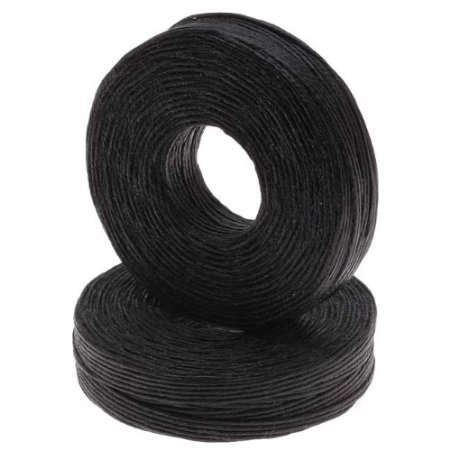
Waxed Irish linen cord is one of those small craft supplies that looks humble on the spool but behaves like the quiet genius in the room. It is strong, tidy, flexible, beautifully textured, and surprisingly versatile. Whether you are making wrap bracelets, binding handmade journals, stitching leather, weaving baskets, or experimenting with micro macramé, this cord brings a rare combination of natural character and practical grip.
At first glance, it may seem like “just string.” That is how it gets you. Then you tie a knot, pull it snug, and notice something wonderful: the knot stays where you put it. The ends do not explode into fuzzy chaos. The cord has enough body to cooperate, but not so much stiffness that it feels like crafting with tiny garden wire. That balance is exactly why waxed Irish linen cord has stayed popular among jewelry makers, bookbinders, leatherworkers, mixed-media artists, and anyone who has ever muttered, “Please, just hold the knot.”
What Is Waxed Irish Linen Cord?
Waxed Irish linen cord is a cord or thread made from linen fibers, usually derived from the flax plant, then coated or embedded with wax. The “Irish” part typically refers to linen thread produced in the Irish linen tradition or branded as Irish waxed linen, with Crawford-style waxed linen being one of the best-known examples in craft circles.
The wax coating is not just there for drama, although it does give the cord a lovely subtle sheen. Wax helps reduce fraying, adds grip, improves knot security, and gives the cord a slightly firm hand. In practical terms, waxed linen cord is easier to control than many soft threads. It behaves well during knotting, stitching, wrapping, braiding, and lacing.
Why Linen Matters
Linen is valued because it is natural, strong, and has a crisp, earthy texture. Unlike some synthetic cords, linen has a handmade warmth that fits beautifully with beads, leather, paper, metal, wood, shells, stones, and rustic décor. It is not trying to look like plastic. It looks like itself, which is refreshing in a world where too many materials seem to have joined a witness protection program.
Because linen comes from flax, waxed Irish linen cord also appeals to makers who prefer natural fiber materials. It is not always the right choice for every outdoor or heavy-load application, but for jewelry, book arts, decorative binding, and artisan handwork, it offers a satisfying mix of strength, beauty, and workability.
Why Is Waxed Irish Linen Cord So Popular?
The popularity of waxed Irish linen cord comes down to one simple fact: it solves several annoying craft problems at once. It resists fraying better than many unwaxed threads. It holds knots more securely. It is strong enough for decorative and functional projects. It is available in many colors and ply sizes. And it has a natural texture that makes finished pieces look thoughtful instead of mass-produced.
1. It Holds Knots Beautifully
Ask any jewelry maker what makes a cord lovable, and “knot security” will be somewhere near the top of the list, probably right beside “doesn’t snap at the worst possible moment.” Waxed Irish linen cord grips itself when tied, making it ideal for sliding knots, bead knots, wrap bracelets, decorative fringe, tassels, and closures.
The wax creates friction, helping knots stay compact and neat. This is especially useful when working with small beads or when creating repeated knots in micro macramé patterns. Instead of constantly fighting the cord, you can focus on design, spacing, and tension.
2. It Reduces Fraying
Unwaxed natural fibers can fray as they pass through beads, paper signatures, leather holes, or basket materials. Waxed linen cord is better protected because the wax helps bind down the tiny fiber ends. That means cleaner threading, smoother stitching, and fewer moments where the cord end turns into a sad little broom.
3. It Adds Structure Without Feeling Harsh
Waxed Irish linen cord has body. It is firmer than soft embroidery floss but more flexible than many stiff synthetic cords. This structure helps when stringing beads, forming loops, shaping knots, and creating visible decorative stitches. It is especially helpful for beginners because the cord is more forgiving and easier to see than very fine thread.
4. It Looks Handmade in the Best Way
The texture of linen gives projects a natural, artisan feel. It pairs well with earthy materials like jasper, turquoise, bone beads, ceramic beads, wood, leather, brass, copper, and handmade paper. It can also soften modern materials, giving glass beads or metal charms a more grounded, organic look.
Common Uses for Waxed Irish Linen Cord
One reason this cord has such a loyal following is that it refuses to stay in one craft lane. It is equally comfortable in a jewelry studio, a bookbinding workshop, a leather bench, or a basketry class.
Jewelry Making
Waxed Irish linen cord is widely used for bracelets, necklaces, chokers, anklets, pendants, malas, and wrap jewelry. It works especially well with beads that have larger holes, such as gemstone beads, ceramic beads, African trade beads, wood beads, bone beads, metal spacers, and lampwork beads.
For bracelets, 4-ply waxed linen is a popular middle-ground size because it is visible, strong, and still thin enough for many bead holes. Thinner 2-ply or 3-ply cord works better for smaller beads or more delicate designs. Heavier 7-ply or 12-ply cord can be used when the cord itself becomes part of the design.
Bookbinding and Journals
Bookbinders appreciate waxed linen because it pulls through paper signatures smoothly, holds tension, and creates strong exposed stitches. It is often used in Coptic binding, long-stitch binding, pamphlet stitch, Japanese stab binding, and decorative spine work.
Waxed linen is particularly attractive in exposed-spine books because the thread is visible. Instead of hiding the structure, the binding becomes part of the design. A deep navy cord on cream paper, a natural linen shade on kraft covers, or a red cord on black book board can turn a simple handmade journal into something that looks ready for a moody novelist with excellent handwriting.
Leatherwork
In leathercraft, waxed linen thread is used for hand stitching wallets, notebook covers, pouches, bags, keychains, sheaths, straps, and decorative leather accessories. Linen gives leather goods a refined, traditional look. The wax helps the thread pass through stitching holes while improving grip and reducing abrasion.
For heavy-duty leather projects exposed to constant stress or wet conditions, some makers prefer polyester or nylon thread. But for artisan leatherwork where appearance, natural fiber, and hand-stitched character matter, waxed linen remains a beautiful choice.
Basketry and Fiber Art
Waxed Irish linen cord is also used in pine needle basketry, coiling, weaving, dreamcatchers, mandalas, wall hangings, and mixed-media fiber projects. Its firmness helps it wrap cleanly around natural materials, while its color range allows makers to create patterns, accents, and contrast.
Micro Macramé and Knotting
For micro macramé, waxed linen cord can be a delightful option when the project calls for texture and structure. It holds square knots, half-hitches, lark’s head knots, and wrapped knots well. The result is often more rustic and organic than pieces made with nylon cord, which may be exactly the look you want.
Understanding Ply, Thickness, and Size
When shopping for waxed Irish linen cord, you will often see terms like 2-ply, 3-ply, 4-ply, 7-ply, and 12-ply. Ply refers to the number of strands twisted together to form the cord. More ply usually means a thicker cord, although exact measurements can vary by manufacturer and batch.
Common Waxed Linen Cord Sizes
- 2-ply: Often around 0.4 mm; useful for delicate beadwork, small knots, and lighter bookbinding.
- 3-ply: Often around 0.55 mm; a versatile size for jewelry, book arts, and decorative stitching.
- 4-ply: Often around 0.7 mm to 0.8 mm; one of the most popular all-purpose sizes for bracelets, journals, leather accents, and bead stringing.
- 7-ply: Often around 1.2 mm; better for bold knots, larger beads, visible stitching, and statement designs.
- 12-ply: Often around 1.5 mm; best when the cord itself is meant to stand out as a design feature.
Before choosing a size, check your bead holes, needle size, stitch holes, and design style. A cord that looks perfect on the spool may be too thick for tiny beads. This is the crafting version of buying a couch and discovering it will not fit through the apartment door. Measure first; avoid emotional damage later.
How to Choose the Right Waxed Irish Linen Cord
The best cord depends on the project. A dainty necklace, a chunky wrap bracelet, a Coptic-bound journal, and a leather wallet do not need the same thickness or stiffness.
For Jewelry
For most bracelets and necklaces, start with 3-ply or 4-ply cord. These sizes are strong enough for everyday wear and thin enough for many beads. If you are using gemstone beads, always test the cord through the bead holes before cutting your final length. Gemstone beads are beautiful, but their holes can be inconsistent, like they were drilled by someone having a complicated Monday.
For Bookbinding
For exposed spine bindings, 3-ply and 4-ply cords are common choices. Thinner cord gives a cleaner, subtler look; thicker cord creates a more decorative spine. For archival-style book arts, many makers look for pH-neutral linen thread, especially when working with handmade books meant to last.
For Leatherwork
Choose cord based on leather thickness and stitch spacing. Fine leather goods often look best with a refined linen thread that does not overpower the design. Chunkier rustic pieces can handle thicker cord. If the project will face hard outdoor use, compare waxed linen with waxed polyester thread before deciding.
For Macramé and Basketry
Choose a size that supports the pattern. Small micro macramé designs usually need thinner cord, while basketry and wall art can handle heavier ply. Color contrast matters here: a natural or dark cord can emphasize structure, while bright colors can turn the wrapping itself into decoration.
Color Choices and Design Ideas
Waxed Irish linen cord is available in both classic and modern colors. Natural, white, black, brown, tan, navy, red, olive, gray, turquoise, plum, and gold tones are common. Some suppliers offer dozens of shades, which is wonderful news for creative people and dangerous news for anyone who says, “I’m only buying one spool.”
Classic Color Pairings
- Natural linen cord with wood beads: Warm, simple, earthy, and ideal for boho jewelry.
- Black cord with silver beads: Clean, modern, and strong enough for minimalist designs.
- Brown cord with leather: Traditional, rustic, and excellent for masculine or heritage-style accessories.
- Navy cord with brass: Elegant without being too formal.
- Red cord with cream paper: A beautiful choice for handmade journals and exposed bindings.
Tips for Working With Waxed Irish Linen Cord
Cut Cleanly
Use sharp scissors or thread snips. A clean cut makes threading easier and helps prevent the end from spreading. If the end becomes fuzzy, trim it again rather than trying to force it through a bead hole like a determined raccoon entering a trash can.
Use the Right Needle
For bookbinding, choose a needle with an eye large enough for the cord but not so large that it damages paper holes. For jewelry, collapsible-eye needles or big-eye beading needles can help with smaller beads. For leatherwork, harness needles are often preferred because they are strong and blunt enough for pre-punched holes.
Pre-Test Knots
Different waxed linen cords vary in waxiness. Some are lightly waxed and flexible, while others are heavily waxed and firmer. Tie a few sample knots before committing to a full project. This helps you judge tension, knot size, and how the cord behaves when pulled tight.
Mind the Wax Build-Up
Wax is useful, but too much can leave residue on hands, beads, or paper. If a cord feels overly waxy, run it gently through a clean cloth before use. Do not overdo it; you want control, not a complete wax extraction ceremony.
Store It Properly
Keep waxed Irish linen cord away from extreme heat, dust, and direct sunlight. Heat can soften wax, while dust can cling to it. Store spools in a box, drawer, or sealed bag. Bonus: organized cord storage also prevents the mysterious craft-room phenomenon where every spool becomes emotionally attached to every other spool.
Waxed Irish Linen Cord vs. Other Cords
Waxed Irish Linen vs. Waxed Cotton
Waxed cotton cord is soft, affordable, and widely used for casual jewelry and knotting. Waxed Irish linen is usually crisper, more textured, and often preferred for projects where a refined natural fiber look matters. Cotton can be excellent for simple bracelets; linen often feels more artisan and structured.
Waxed Irish Linen vs. Nylon Cord
Nylon cord is strong, smooth, and available in many colors. It is popular for macramé, shamballa bracelets, and waterproof jewelry. Waxed Irish linen has a more natural look and better rustic texture, but it may not be as water-resistant or abrasion-resistant as synthetic cord in demanding environments.
Waxed Irish Linen vs. Leather Cord
Leather cord is bold, stylish, and excellent for simple necklaces and bracelets. Waxed linen is thinner, more knot-friendly, and easier to stitch or weave. If the cord needs to pass through beads multiple times, waxed linen is often more practical.
Common Mistakes to Avoid
Choosing Cord That Is Too Thick
The most common beginner mistake is buying a beautiful thick cord that cannot pass through the chosen beads. Always check bead-hole size. When in doubt, buy a small sample or choose a thinner ply.
Pulling Too Hard
Waxed linen is strong, but it is still a natural fiber. Pull firmly, not violently. Excessive force can distort knots, tear paper, or stress beads. Crafting is not a tug-of-war with a tiny rope.
Ignoring Color Transfer
Some dyed cords may vary between batches or release a little color under friction or moisture. Test dark or bright colors before using them with pale leather, white paper, or light-colored beads.
Using It for the Wrong Environment
Waxed Irish linen cord can handle many everyday projects, but it is not the best choice for everything. For outdoor gear, marine use, or items exposed to constant water, synthetic cord may perform better. Choose beauty and function together.
Project Ideas Using Waxed Irish Linen Cord
- Beaded wrap bracelet: Use 4-ply cord with gemstone beads and a button closure.
- Coptic-bound journal: Pair cream paper with dark waxed linen for a dramatic exposed spine.
- Leather key fob: Stitch vegetable-tanned leather with brown or natural waxed linen.
- Boho pendant necklace: Use natural cord with a stone pendant and sliding knots.
- Mini wall hanging: Combine waxed linen with driftwood, brass rings, and small knots.
- Pine needle basket accent: Use colored cord to create decorative wrapping patterns.
Care and Maintenance
Finished pieces made with waxed Irish linen cord should be treated with reasonable care. Jewelry should be kept away from long soaking, harsh chemicals, perfumes, lotions, and abrasive surfaces. Handmade books should be stored in dry conditions. Leather goods stitched with linen should be conditioned according to the leather type, not drowned in oil like a salad.
If a waxed linen jewelry piece gets damp, blot it gently and let it air-dry. Avoid heat dryers, which can soften wax or affect nearby materials. Over time, the cord may soften and develop a subtle patina, especially in wearable items. For many makers, that aging process is part of the charm.
Experience-Based Notes: What Working With Waxed Irish Linen Cord Really Feels Like
There is a practical difference between reading about waxed Irish linen cord and actually using it at the table with beads rolling around, scissors hiding under paper scraps, and one suspiciously smug knot refusing to sit straight. In real projects, the first thing most makers notice is control. Waxed linen does not flop around the way very soft thread can. It has enough firmness to make threading, wrapping, and knot placement easier, especially when building bracelets or working on exposed book spines.
For jewelry, the cord feels especially friendly when making wrap bracelets. You can lay out beads, anchor the cord, and build the rhythm of bead-knot-bead-knot without constantly chasing loose tension. The wax helps each knot stay close to the bead, which gives the finished bracelet a clean, intentional look. With natural stone beads, 4-ply cord often feels like the sweet spot: visible enough to add style, but not so thick that it steals the show. The cord becomes part of the design rather than just the thing holding the design together.
In bookbinding, waxed linen cord is satisfying for a different reason. It pulls through paper with a smooth, slightly resistant feel that makes tension easier to control. In Coptic binding or long-stitch binding, that matters. Loose tension can make a handmade book feel wobbly; too much tension can tear paper or warp covers. Waxed linen gives a tactile signal as you pull, almost like it is telling you, “That’s enough, friend.” Once the stitch is seated, it tends to stay seated.
For leatherwork, waxed Irish linen cord adds a traditional finish that looks warmer than many synthetic threads. A hand-stitched leather notebook cover with natural or brown waxed linen has a classic workshop look. It does not scream for attention. It simply looks honest, sturdy, and made by someone who cared. The main lesson is to match the cord to the leather. Thin leather and delicate stitch spacing need finer thread. Thick rustic leather can handle heavier cord. When the scale is right, the result feels balanced.
One small challenge is that waxed linen can pick up lint or dust if left uncovered. It can also feel sticky in warm rooms, depending on how heavily it is waxed. Keeping it stored in a clean container solves most of that. Another lesson: do not cut your working length too short. Waxed linen is easy to manage, but running out of cord three stitches before the end of a binding is a tiny tragedy with dramatic lighting. Measure generously, especially for bookbinding and wrap bracelets.
Color choice also becomes more important with experience. A bright spool may look exciting online, but neutral shades often prove more versatile. Natural, brown, black, gray, and navy work across many materials. That said, a pop of red, teal, or mustard can transform a simple project. In exposed stitching, color is not just decoration; it is structure made visible.
The best experience-based advice is simple: test before committing. Make a sample knot. Thread a few beads. Stitch a scrap of leather. Bind a tiny paper sample. Waxed Irish linen cord rewards preparation, and once you understand its tension, texture, and thickness, it becomes one of those supplies you reach for again and again. It is dependable without being boring, attractive without being fussy, and useful in enough crafts that one spool has a funny way of becoming five.
Conclusion
Waxed Irish linen cord is a favorite among makers because it delivers strength, texture, knot security, and natural beauty in one small spool. It is practical enough for bookbinding and leather stitching, decorative enough for jewelry and macramé, and flexible enough for mixed-media art, basketry, and handmade gifts. The wax coating helps reduce fraying, improves control, and makes knots behave like they attended finishing school.
For beginners, 3-ply or 4-ply cord is usually the easiest place to start. For delicate beadwork, go thinner. For bold knots, leather accents, or visible decorative work, go thicker. Match the cord to the project, test your materials, and keep a few favorite colors on hand. Once you experience how neatly waxed Irish linen cord knots, stitches, and wraps, ordinary string may start looking a little underqualified.
Note: This article is written for web publishing in standard American English and is based on real material, craft, jewelry-making, bookbinding, and leatherworking information. Source links are intentionally not included in the article body.