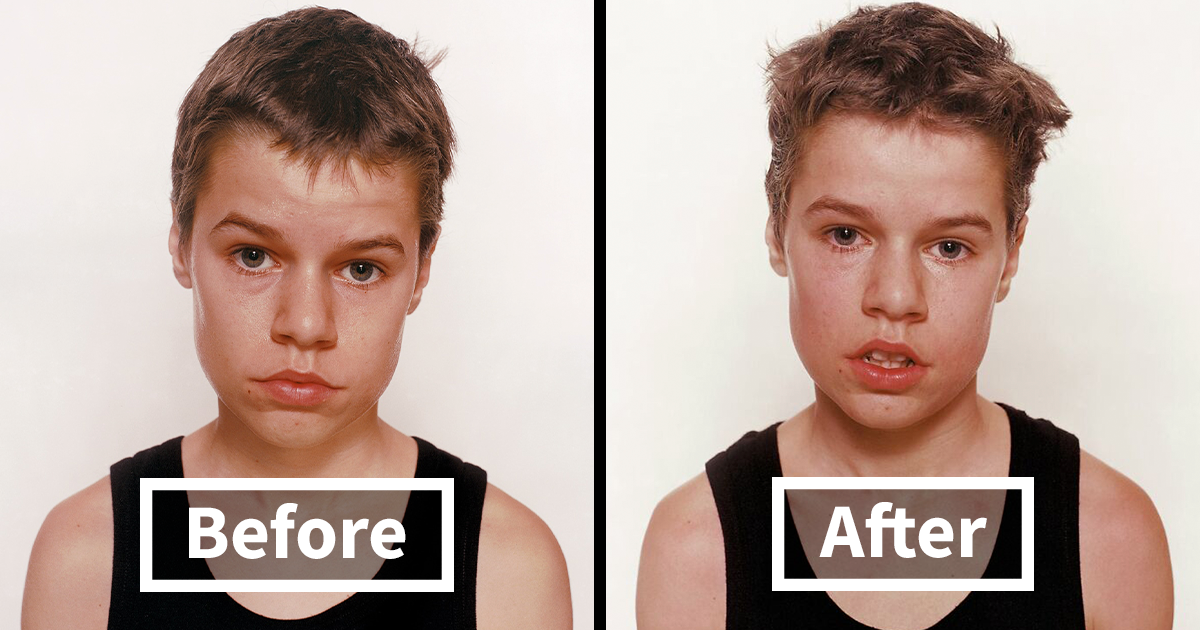
There’s a special kind of courage that shows up when a kid tightens their glove laces for the very first time and walks toward a ring that suddenly looks the size of a football field. Not “I’ll jump off the high dive” courage. Not “I’ll talk to my crush” courage. More like: “I understand this is going to be uncomfortable, I’m doing it anyway, and please don’t let my mouthguard fall out when I smile.”
Photo series that capture young boxers before and after their first match are powerful because they skip the obvious part (the punches) and focus on the real plot twist: the face. These portraits aren’t about glorifying violencethey’re about documenting a fast, intense rite of passage in a sport that demands discipline, coaching, rules, medical oversight, and (ideally) a whole lot of adults who take safety seriously.
Below are 18 “diptych-style” photo momentscomposite portraits inspired by real youth boxing photography traditionsshowing what cameras often catch in that narrow hallway of time: the seconds right before the bell, and the minutes right after it.
Why “Before & After” Boxing Photos Hit So Hard
The magic is what you don’t see
In some of the most famous boxing portrait projects, the match itself is deliberately missing. That omission does something sneaky: it forces your brain to read the story in the small detailsskin flushed with adrenaline, hair damp at the temples, a jaw clenched in concentration, a look that says, “I just learned something important about myself.” The absence of action makes the emotion louder.
What can change in just a few rounds
A first match is rarely “just” a sporting event. It’s a high-pressure performance in front of strangers, under bright lights, with rules, scoring, and a referee who will stop things if it gets unsafe. That intensity can bring out performance anxiety (racing heart, shaky hands, stomach flips) and, afterward, a mix of relief, pride, disappointment, or surprise. The camera doesn’t need a punch to prove something happened; the face is evidence.
The 18 Photographs: Before & After Diptychs That Tell a Whole Fight
1) The Gloves-Too-Big Grin
Before: A wide grin that barely fits around the mouthguard. Shoulders up, chin tucked like they practiced a thousand times in the mirror.
After: The grin returnssmaller now, earned. Sweat darkens the collar. Eyes are brighter, like someone turned up the contrast on reality.
What the camera teaches: Confidence is often borrowed at first (from coaches, parents, routine)… then it becomes your own.
2) The Quiet Kid Who Turns Into a Metronome
Before: Eyes down, breathing steady, hands flexing inside wrapscounting beats like a drummer backstage.
After: Face relaxed, as if the match burned off the extra noise. A tiny nod that says, “Okay. I can do hard things.”
What the camera teaches: Some kids don’t “get hyped.” They get precise.
3) The Braids Don’t Move, But the Nerves Do
Before: Hair neatly braided, uniform crisp, stance rehearsed. The only giveaway is the fingers tapping the glove seam.
After: Braids slightly loosened, cheek pinked, expression calm in the way only someone who’s finished the scary part can be.
What the camera teaches: Control isn’t the absence of fearit’s managing it while you move forward.
4) The “I’m Fine” Face That Isn’t Fooling Anyone
Before: Big inhale through the nose, eyes scanning the ring like it might suddenly change its mind and become a trampoline park.
After: A brave half-smile, but the eyes are waterynot from pain, from sheer intensity and release.
What the camera teaches: First matches are emotional exams, not just physical ones.
5) The Coach’s Last Two Words
Before: A kid listening so hard you can almost see the advice landing: “Hands up.” “Breathe.” “Angle out.”
After: The same kid closer to the coach, absorbing a new language: feedback, adjustment, learning under pressure.
What the camera teaches: Boxing is a sport of instructions you can’t pauseso you learn to hear fast.
6) The Mouthguard Smile (A.K.A. The World’s Least Photogenic Joy)
Before: They try to smile for the camera and end up looking like a cheerful bulldog. Charming. Iconic. Unavoidable.
After: The same smile, now mixed with relief. The eyes say, “Did you see me? I actually did it.”
What the camera teaches: Sometimes joy looks weird. Let it.
7) The First Little Bruise, The First Big Lesson
Before: Skin smooth, cheeks neutral, posture almost too uprightlike they’re trying to be “official.”
After: A faint mark on the cheekbone and a look of surprise: “So that’s what that feels like.”
What the camera teaches: Experience arrives instantlyand usually without asking permission.
8) The Kid Who Can’t Stop Talking
Before: Chatting with everyonenerves spilling out as jokes. Energy bouncing off the walls.
After: Suddenly quiet. Not sadjust emptied out, like the body spent its excitement budget in three rounds.
What the camera teaches: Adrenaline has a “before” personality and an “after” personality.
9) The “Respect” Glance
Before: A quick look across the ringcurious, cautious. Not hatred. Recognition.
After: A softer look, like two kids silently agreeing: “That was intense. Thanks for showing up.”
What the camera teaches: Combat sports can create respect faster than small talk ever could.
10) The Heavyweight Heart in a Lightweight Body
Before: Smaller frame, serious eyes. The seriousness looks older than the age on the registration form.
After: The seriousness stays, but it’s balanced nowlike they learned what pressure feels like and didn’t break.
What the camera teaches: Maturity can arrive in moments, not years.
11) The Kid Who Forgot to Blink
Before: Eyes wide, staring straight ahead, barely blinkingclassic “this is real” mode.
After: Eyes softer, blinking again, shoulders dropped. The nervous system finally gets the memo: “We’re safe now.”
What the camera teaches: The body broadcasts stress even when the voice won’t.
12) The Nose That Learned Humility
Before: A confident posture, chin slightly high (not a lotjust enough to make coaches sigh).
After: A tiny redness around the nose, and suddenly the chin is tucked like it’s paying rent.
What the camera teaches: Technique is kindness to your future face.
13) The “I Didn’t Hear the Bell” Look
Before: Focus so intense it borders on comic. They look like they’re about to take a math test for a scholarship.
After: Slight confusionlike time got weird in there. “Wait… it’s done?”
What the camera teaches: First matches can warp your sense of time. That’s normal.
14) The Kid Who Got Hit and Didn’t Panic
Before: Bracing for impact, jaw tight, eyes cautiousanticipating the unknown.
After: A calm stare. Not because it was easybecause they learned they can stay composed.
What the camera teaches: Courage can look surprisingly quiet.
15) The Tear That Isn’t About Losing
Before: Stone-faced, all business, trying to be tough enough for the whole building.
After: One tear. Could be pride, relief, overwhelm, or the delayed realization of being seen by a crowd.
What the camera teaches: Emotion is not a flaw. It’s proof the moment mattered.
16) The Kid Who Won and Still Looks Serious
Before: Calm, controlled, not showy. The expression says, “I have a plan.”
After: Same calm, but heavierlike they understand winning doesn’t erase how hard it was.
What the camera teaches: Victory can be exhausting, not just thrilling.
17) The Kid Who Lost and Still Stands Tall
Before: Nervous but hopeful, like they’re reaching for a version of themselves they haven’t met yet.
After: Face tired, eyes steady. No collapse, no dramajust a kid processing and staying upright.
What the camera teaches: Resilience is a posture before it becomes a mindset.
18) The Walk-Back Face
Before: The last look at the camera before the ring: “See you on the other side.”
After: The look after: “I’m on the other side.” Not transformed into a superherojust upgraded by experience.
What the camera teaches: The real story isn’t the fight. It’s the return.
What These Faces Reveal About Youth Boxing
Performance anxiety is realand it has a body
Before the first match, many young athletes show classic “big moment” symptoms: shaky hands, fast breathing, stomach flips, restless chatter, or sudden silence. That’s not weaknessit’s the nervous system doing its job. Good coaching helps kids convert that energy into routines: controlled breathing, simple cues, and one clear goal per round.
Safety isn’t optionalit’s the foundation
Organized amateur boxing in the U.S. is built around structure: medical exams and weigh-ins, required protective equipment, trained officials, and rules that allow referees to stop a contest if a boxer is outclassed or taking too much punishment. The purpose of youth sport is development, not damage. If an environment treats safety like a suggestion, it’s the wrong environment.
How a First Youth Match Typically Works (U.S. Snapshot)
While details vary by sanctioning body and event, many youth bouts follow a consistent template: athletes are matched by age, weight, and experience; they compete in short rounds with rest in between; and officials keep the action within strict boundaries. Protective gear (such as approved headgear and a mouthguard) is standard in many youth settings, and the event’s medical process can include documentation, pre-bout checks, and post-bout oversight.
Scoring in amateur-style boxing commonly rewards clean, effective punching, ring generalship, defense, and techniquemeaning a kid can “win the story” even without trying to swing for the fences. And crucially, there are stoppage rules: if a boxer can’t safely continue, the contest ends. The first win is getting through it safely and learning from it.
For Parents & Coaches: Keep the Story Powerful Without Making It Risky
- Choose a sanctioned, rule-driven program with qualified coaches, officials, and clear medical procedures.
- Prioritize defense and fundamentals (stance, guard, footwork) over “toughness.” Toughness without technique is just a bruise schedule.
- Take head impacts seriously. If a concussion is suspected, the athlete should be removed from activity and evaluated by a healthcare provider.
- Build a pre-bout routine (breathing, warmup, simple cues) to help manage anxiety and focus.
- Safeguarding matters. Youth sports should follow abuse-prevention standards, limit risky one-on-one situations, and encourage reporting.
- Celebrate process: showing up, listening, adjusting, respecting opponentsthese are real wins.
FAQ: First Youth Boxing Match Questions
Is it normal to feel terrified before the first match?
Extremely normal. The goal isn’t to erase nervesit’s to manage them. Coaches often use simple cues (“breathe,” “hands up,” “feet first”) because the brain loves simplicity under stress.
What should I watch for after a bout?
Any signs of head injury (headache, dizziness, confusion, nausea, unusual sleepiness, vision changes) should be taken seriously and evaluated. When in doubt, sit it out and get medical guidance. Also watch for eye injuries; if vision is affected or pain is significant, seek care.
Why do some kids cry even when they win?
Because the body doesn’t file emotions by “win/loss.” It files them by intensity. Relief, pride, shock, and exhaustion can all look like tears.
What makes a great “before and after” photo ethically?
Consent, respect, and context. Avoid humiliating angles, don’t sensationalize injuries, and remember: this is a child athlete, not a highlight reel.
Ringside Experiences: What a First Match Feels Like (About )
Ask people who’ve been around youth boxing long enoughcoaches, officials, parents, and the athletes themselvesand you’ll hear a surprisingly consistent description of the first match: it feels bigger than you expected, faster than you trained for, and shorter than the fear made it seem. In the locker room, time stretches. Hand wraps take forever. Gloves get tightened and re-tightened like the laces are holding the universe together. Someone’s skipping rope in the corner, not because they need cardio, but because movement calms the mind. Another kid is suddenly very interested in the floor tiles. A parent is pretending to be relaxed while quietly inventing new prayers.
Many first-time boxers describe the moments before the bell as the loudest silence they’ve ever heard. The ring is bright. The crowd becomes a blur. Instructions from the coach arrive in simple sentencesbecause complicated advice is useless when your heart is trying to audition for a drumline. Some kids feel their hands shake. Some feel oddly calm. A few feel both, which is honestly the most accurate emotional weather report possible. That’s performance anxiety doing what it does: revving the system so you’re ready.
Then the bell goes, and reality snaps into focus. The first clean contact is a shock for many athletesnot always painful, but startling, like realizing the sport you practiced is now fully alive. After that, a lot of kids settle. They stop thinking in paragraphs and start thinking in pictures: guard up, step out, breathe, jab, reset. Between rounds, they sit and listen. Some athletes remember every second; others remember almost nothing except the coach’s voice and the referee’s commands. It’s common for time to feel strange, because stress can distort perception. Nobody is “weird” for experiencing it.
After the final bell, the emotional mix is the real surprise. Winning can feel like relief more than celebration. Losing can feel like disappointment and pride at the same time. Even a kid who looks tough in the ring might suddenly get teary once the danger is overbecause the nervous system finally gets to exhale. This is where good adults matter: the parent who says, “I’m proud of you for showing up,” the coach who starts with one positive, the official who treats the athlete with dignity, the opponent who offers a glove touch that says, “Respect.”
The most meaningful “after” doesn’t always show up in the photo taken right outside the ring. It shows up lateron the car ride home when the athlete talks more than usual (or not at all), when they ask one thoughtful question, when they admit something was scary, or when they say, “I want to do it againbut better.” That’s the quiet victory first matches can deliver: a kid learns they can enter something hard, stay present, and come out with new skills and a stronger sense of self.
Conclusion: The Real “After” Happens on the Walk Home
The best “before and after” boxing photographs don’t ask you to cheer for the punch. They ask you to notice the person. In a first match, a young boxer steps into pressure, meets uncertainty, and returns changedsometimes by a bruise, often by a lesson, always by the simple fact that they showed up. That’s why these portraits linger. They’re not about a fight. They’re about becoming.