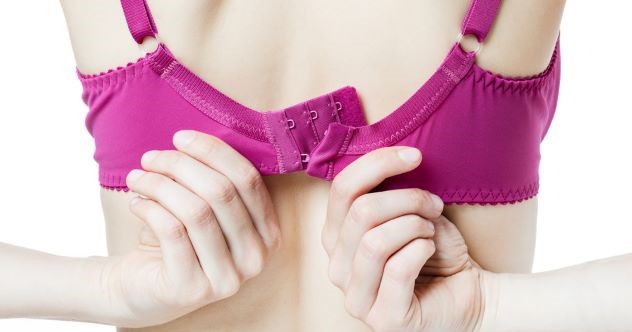
Bras are one of those everyday items that quietly do a lot of work, yet rarely get the standing ovation they deserve. They sit in drawers, survive laundry battles, rescue outfits, support workouts, create fashion silhouettes, spark debates, and occasionally stab someone in the ribs with a rogue underwire like a tiny metal betrayal. But behind this familiar piece of lingerie is a surprisingly rich story filled with invention, social change, sports history, health myths, and practical science.
Whether you wear a bra every day, only for workouts, only with certain outfits, or avoid them entirely, the bra has shaped more than wardrobes. It has reflected changing ideas about comfort, modesty, movement, femininity, work, fashion, and body autonomy. From corsets to cup sizes, from silk handkerchiefs to high-impact sports bras, this small garment has had a very big cultural life.
So, let’s unclasp the mystery. Here are 10 un-bra-lievable facts about brassmart, useful, funny, and surprisingly practical.
1. The Modern Bra Was Born from a Fashion Emergency
One of the most famous origin stories of the modern bra begins not in a laboratory, but with a dress problem. Mary Phelps Jacob, later known as Caresse Crosby, reportedly wanted to wear a sheer evening gown without the bulky lines of a stiff corset showing through. Instead of giving up on the outfitan unacceptable tragedy in formalwear historyshe and her maid created a lighter undergarment using two handkerchiefs, ribbon, and cord.
That improvised solution became the basis for her “Backless Brassiere,” patented in 1914. Unlike the corset, which compressed the torso and shaped the body from the waist upward, Jacob’s design was soft, lightweight, and intended to separate and support the breasts while allowing more freedom of movement.
The lesson? Some fashion innovations are born because someone looks in the mirror and says, “Absolutely not.”
2. Bras Helped Replace the Corset
Before bras became common, corsets dominated women’s undergarments for centuries. They shaped the waist, supported the bust, and often restricted movement. By the early 20th century, fashion was changing. Clothing became looser, silhouettes shifted, and women increasingly needed garments that worked with modern life instead of fighting it.
World War I also played a role in the decline of corsets. Metal was needed for wartime production, and corsets often used metal stays. As women entered more public and industrial work roles, restrictive undergarments became less practical. Bras offered a lighter, more flexible alternative.
This does not mean the bra instantly became perfect. Early bras were still shaped by the beauty standards of their time. But compared with heavily boned corsets, they represented a major step toward comfort and mobility.
3. Bra Sizes Were Not Always So Complicated
If you have ever stared at bra sizes like 34C, 36DD, or 32G and wondered whether you accidentally enrolled in algebra, you are not alone. Bra sizing can feel confusing because it combines two measurements: band size and cup volume.
But standardized cup sizing is a relatively modern development. Earlier bras were often sold by general bust measurement or small, medium, and large categories. As mass manufacturing expanded, companies needed a more precise way to fit different bodies. Cup sizes helped organize that system, though anyone who has tried three brands in the same size knows the system is still not exactly a Swiss watch.
Why Sister Sizes Matter
One of the most useful fitting ideas is “sister sizing.” Sister sizes are different band and cup combinations with similar cup volume. For example, if a band feels too tight, a person might try a larger band with a smaller cup letter. If the band feels too loose, they might try a smaller band with a larger cup letter.
This is why bra shopping can feel like a treasure hunt where the treasure is simply “not being poked.” Size is a starting point, not a final verdict.
4. The Band Does Most of the Supporting Work
Many people assume bra straps do the heavy lifting. After all, they sit on the shoulders, and when a bra feels unsupportive, the first instinct is usually to tighten them. But in a well-fitting bra, the band around the rib cage provides most of the support.
If the band is too loose, the straps often try to compensate. That can lead to digging, slipping, shoulder grooves, or that familiar urge to adjust things in public while pretending to scratch your neck. A supportive band should feel snug and level around the body, without riding up the back.
Cups also matter. If cups gape, overflow, wrinkle, or press into breast tissue, the bra may be the wrong size, wrong shape, or wrong style. Good fit is not only about numbers. It is also about breast shape, fabric, wire placement, strap position, and how the bra works with your daily activities.
5. The Sports Bra Was a Game-Changer for Women’s Athletics
The sports bra may be one of the most important inventions in modern activewear. In the 1970s, running and recreational athletics were growing, but regular bras were not built for bouncing, sweat, chafing, or repetitive motion. Female runners needed better support, and the solution came from three women: Lisa Lindahl, Hinda Miller, and Polly Smith.
The original Jogbra prototype was famously created by sewing together two men’s athletic supporters. Yes, the first sports bra had jockstrap DNA. Fashion history is full of surprises, and some of them are elastic.
The sports bra helped remove a real barrier to movement. Without adequate support, exercise can be uncomfortable or painful, especially during running, jumping, and high-impact training. Today, sports bras come in low-, medium-, and high-support designs, with compression, encapsulation, adjustable bands, molded cups, moisture-wicking fabrics, and front zippers. That is a long journey from “What if we sew these two things together?”
6. Bras Do Not Cause Breast Cancer
One persistent myth claims that bras, especially underwire bras, increase breast cancer risk by blocking lymphatic flow. This idea has circulated for years, but major cancer organizations and research evidence do not support it.
Studies have not found a reliable link between wearing bras and developing breast cancer. Wearing an underwire bra, wearing a bra for many hours, or sleeping in a bra has not been shown to cause breast cancer. That does not mean every bra is comfortable or good for every body. A poorly fitting bra can cause irritation, pressure, or pain. But discomfort is not the same as cancer risk.
The practical takeaway is simple: choose bras based on comfort, fit, activity, and personal preferencenot fear-based myths.
7. Going Braless Is Not Automatically Bad for You
Another common belief is that skipping a bra causes sagging. The reality is more complicated. Breast shape changes over time because of factors such as genetics, age, pregnancy, weight changes, skin elasticity, breast size, and hormonal shifts. Bras can provide support and comfort, especially for larger breasts or during physical activity, but they are not magical anti-gravity devices.
Going braless is not known to be harmful for most people. Some feel more comfortable without a bra. Others prefer support for posture, movement, breast tenderness, or clothing fit. The best choice depends on the body, the activity, and the person wearingor not wearingthe bra.
In other words: your bra drawer is not a morality test. It is a toolbox.
8. Bra Shape Can Matter as Much as Bra Size
Two people can wear the same bra size and need completely different styles. Why? Because breasts vary in shape, spacing, fullness, projection, firmness, and asymmetry. Some people have fuller breasts on top; others have more fullness at the bottom. Some need narrow wires; others need wider cups. Some prefer full coverage; others feel best in balconette, plunge, wireless, bralette, minimizer, or molded styles.
This is why one person’s “best bra ever” can be another person’s “absolutely not, who designed this, a raccoon?” A bra is not just a size. It is architecture.
Common Signs of a Poor Fit
A bra may not fit well if the band rides up, the center gore does not lie flat, straps dig in, cups gap, breast tissue spills over the top or sides, wires sit on breast tissue, or the bra shifts during the day. Minor adjustments may help, but persistent discomfort usually means the style or size is not right.
Comfort should not be treated as a luxury feature. It is the whole point.
9. Bras Need Rest, Rotation, and Gentle Care
Bras work hard. Elastic stretches. Fabric absorbs sweat, oils, deodorant, and body heat. Hooks get pulled. Cups get crushed in drawers by mysterious laundry forces. Like shoes, bras last longer when rotated instead of worn day after day.
Most everyday bras do not need to be washed after every single wear unless you sweat heavily or wear them for a long day. Washing too often can wear down elastic faster. Many care experts recommend washing after a few wears, while sports bras should generally be washed after workouts because sweat and friction are more intense.
Hand washing is gentle, but if you use a machine, close the hooks, place the bra in a mesh laundry bag, choose a delicate cycle, and skip the dryer. Heat is elastic’s villain origin story. Air drying helps preserve shape and stretch.
10. The Bra Is Both Functional and Cultural
A bra is never just a bra. It can be practical support, fashion styling, athletic equipment, post-surgical comfort, gender expression, workplace armor, sensual lingerie, modesty layer, or something someone happily removes the second they get home.
Throughout history, bras have reflected social expectations about bodies. The pointed bullet bras of the mid-20th century shaped a very different silhouette from today’s seamless T-shirt bras or soft bralettes. Push-up bras, minimizers, strapless bras, nursing bras, mastectomy bras, and sports bras all respond to different needs and cultural moments.
The modern lingerie market is also becoming more inclusive. Consumers increasingly expect broader size ranges, diverse skin-tone shades, adaptive designs, wire-free options, breathable fabrics, and marketing that does not pretend every body is shaped like a mannequin with Wi-Fi.
That shift matters. The best bra is not the one that forces the body into someone else’s idea of “normal.” It is the one that supports the wearer’s life.
How to Choose a Better Bra
Knowing fun bra facts is great. Knowing how to avoid buying a drawer full of regrets is even better. Start by checking the band. It should sit level and feel snug on the loosest hook when new, so you can tighten it as the elastic relaxes over time. Next, check the cups. They should contain the breast tissue without cutting, gaping, or wrinkling dramatically.
Move around. Raise your arms. Sit down. Bend slightly. If the bra only works while you stand completely still like a department-store statue, it may not work for real life. For workouts, match the bra to the activity. Yoga and walking may need light support. Running, HIIT, jumping, and court sports usually need stronger support.
Also, do not be loyal to a size that no longer serves you. Bodies change. Weight shifts, hormones, pregnancy, breastfeeding, aging, surgery, fitness routines, and even brand differences can affect fit. Rechecking your size occasionally is not vanity. It is maintenance.
More Everyday Experiences with Bras
Anyone who has worn bras for years knows that the relationship can be complicated. A great bra can make an outfit feel polished, help a person stand taller, reduce bounce during a workout, and make a long day more comfortable. A bad bra, however, can turn eight hours into a slow-motion escape room. The wire pokes. The strap slides. The band twists. The cup gaps in one shirt and overflows in another. By lunchtime, the wearer is no longer thinking about productivity, confidence, or style. They are thinking, “When can I go home and remove this tiny cage?”
The most common real-life bra experience is probably the fitting-room reality check. You walk in confident about your size, grab three bras, and leave questioning mathematics, gravity, and the fashion industry. One brand’s 34D feels roomy, another feels like medieval engineering, and a third somehow creates a shape never before seen in nature. That does not mean your body is wrong. It means sizing is inconsistent and bodies are wonderfully varied.
Another familiar experience is the “favorite bra panic.” Most people who wear bras have one champion bra: the reliable one, the one that behaves under T-shirts, survives long days, and never starts drama. Then one day the elastic gives up. The band stretches. The straps lose their grip. The store no longer sells it. The product name has changed. The color is discontinued. Suddenly you are searching the internet at midnight like a detective in a lingerie-themed crime series.
Sports bras bring their own adventures. A supportive sports bra can make exercise feel freer and more comfortable, but getting out of a sweaty pullover sports bra after a workout can feel like escaping a fabric boa constrictor. Front-zip sports bras solved this problem for many people, though even those require the zipper to behave like a civilized object. The right sports bra can make running, dancing, hiking, tennis, and gym training far more enjoyable. The wrong one can make every jump feel personal.
Then there is the emotional relief of taking off a bra at the end of the day. It is not just a wardrobe change. It is a ritual. The shoulders relax. The ribs exhale. The bra gets launched onto a chair with the solemn dignity of a retired athlete. Even people who love supportive bras often understand the joy of removing one. Comfort is personal, and sometimes support means wearing a bra; sometimes support means not wearing one.
Bras also shape confidence in subtle ways. A well-fitting bra can help clothes drape better, reduce constant adjusting, and make the wearer feel more at ease in public. For people recovering from breast surgery, nursing a baby, managing breast tenderness, or navigating body changes, the right bra can be more than clothing. It can be part of feeling steady again.
The best experience with bras comes from treating them as tools, not rules. You do not need one perfect bra for every situation. You may need a soft lounge bra, a structured everyday bra, a high-impact sports bra, a strapless option, or no bra at all depending on the day. The goal is not to obey lingerie tradition. The goal is to feel supported, comfortable, and fully able to live your life without negotiating with your underwear every 20 minutes.
Conclusion: Bras Deserve More Credit Than They Get
Bras are small garments with a big history. They helped move fashion away from restrictive corsets, adapted to women’s changing roles, supported athletic participation, inspired medical myths, and evolved into a wide range of designs for different bodies and lifestyles. The modern bra is part invention, part engineering, part fashion, and part personal preference.
The most un-bra-lievable fact of all may be this: the best bra is not defined by trend, price, padding, wire, or cup letter. It is defined by how well it works for the person wearing it. A good bra should support your body, your clothes, your movement, and your comfort. If it does that, congratulationsyou have found a tiny piece of wearable architecture that deserves applause. If it does not, it may be time to retire it with honors and go shopping with better information.