Note: This article is based on a public relationship dilemma and broader real-world guidance from relationship experts, mental health professionals, and divorce-boundary discussions. It is written for general informational and editorial purposes, not as legal or therapeutic advice.
There are awkward moments, and then there are moments so wildly uncomfortable they deserve their own warning label: May cause emotional whiplash, insomnia, and a sudden desire to call a locksmith. That is exactly the kind of scene at the center of the viral relationship story titled, “You Didn’t Tell Me About Her”: Woman Walks Out To See Husband Brought Another Woman Home.
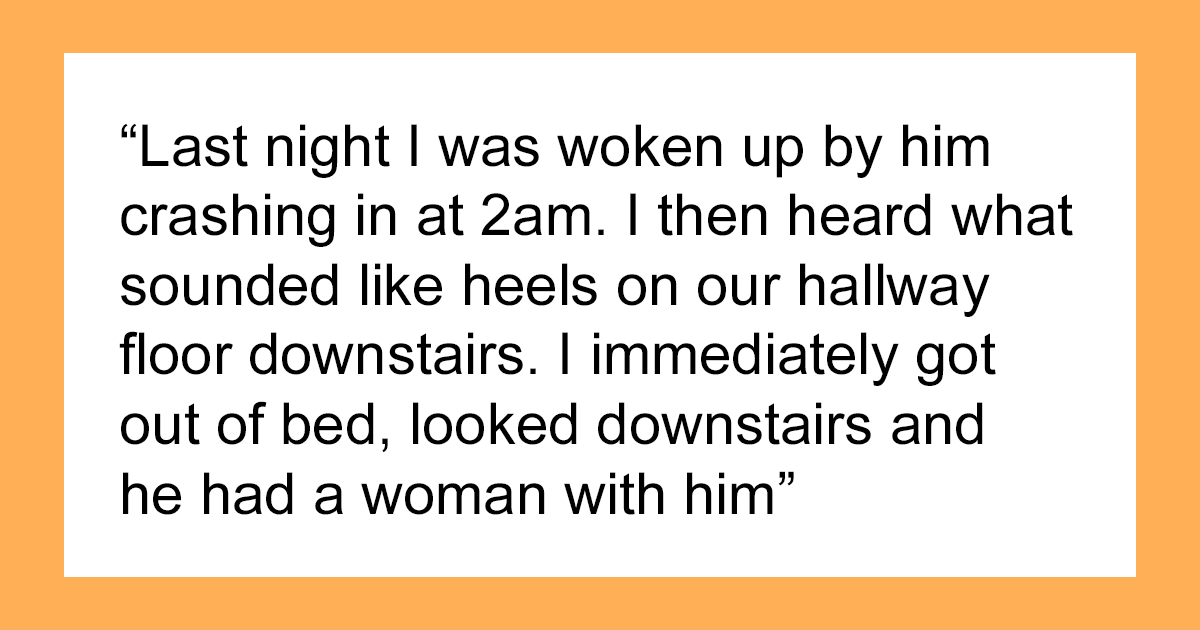
The situation sounds like something ripped from a late-night drama series, except this was not scripted television. A woman who was still living under the same roof as her soon-to-be ex-husband woke up in the early hours after hearing him come home from a night out. That alone was annoying but manageable. Then came the sound of heels on the wooden floor. She looked downstairs and saw her husband standing there with another woman.
The unexpected guest, apparently realizing she had walked into a domestic minefield wearing nightlife shoes, reportedly said something along the lines of, “You didn’t tell me about her,” apologized, and left. The husband followed. And just like that, one house became the emotional equivalent of a dropped glass: loud, sharp, and impossible to ignore.
At first glance, this looks like a simple “bad husband behavior” story. But the deeper issue is more complicated. The couple was separating, the house was being sold, and they were technically no longer operating as a traditional married couple. Still, they were sharing a home. That detail changes everything. Because when a relationship ends before the living arrangement does, boundaries are not optional accessories. They are the seatbelts keeping everyone from flying through the windshield.
The Story: A Separation, A Shared Home, And A 2 A.M. Surprise
According to the public account, the woman and her husband had already decided to separate. The decision had been made after Christmas, and the husband had moved into the spare room on the top floor. The house was on the market and had received an offer quickly, meaning this awkward arrangement was supposed to be temporary. Not ideal, but manageable. Plenty of separated couples do this because moving out immediately can be financially difficult, logistically messy, or legally complicated.
The woman also explained that her husband worked away regularly, so they were not constantly bumping into each other over coffee like characters in a very depressing sitcom. He had also been going out more often, seeing friends, and staying out late on weekends. Annoying? Maybe. Unexpected? Not really. A man going out during a separation is not automatically the headline. The headline is bringing another woman into the marital home while his wife is asleep upstairs.
And not just any home. Their shared home. The home still tied to both of them emotionally, financially, and practically. The home they were preparing to sell. The home where, whether the romance was over or not, a basic standard of respect still needed to exist.
Why The Internet Reacted So Strongly
Many readers were furious on the woman’s behalf. The common reaction was not simply, “How dare he date?” It was, “How dare he bring someone home without warning while you are still living there?” That distinction matters.
Once a couple has separated, either person may eventually date again. People move on at different speeds. Some take months. Some download dating apps before the emotional smoke alarm has stopped beeping. But dating while separated is one thing. Bringing a new romantic or sexual interest into a shared home without consent is another.
The outrage came from three places. First, the wife was placed in a humiliating position inside her own living space. Second, the other woman appeared to have been misled, or at least not fully informed, about the situation. Third, the husband seemed to ignore a basic rule of shared housing: surprise guests are not always harmless, especially when the guest is connected to a sensitive, unresolved relationship wound.
There is also the emotional symbolism. A shared home during separation is already full of invisible tripwires. The spare room says, “This marriage is ending.” The for-sale sign says, “This chapter is closing.” Bringing another woman home says, intentionally or not, “Your comfort here does not matter enough for me to plan ahead.” That is why the situation hit a nerve.
Separated Does Not Mean Courtesy Has Left The Building
One of the biggest misunderstandings in separation is the idea that once the relationship is over, all relationship duties disappear. In reality, some duties end, but others remain. Romantic commitment may be gone. Physical intimacy may be over. Shared future planning may be finished. But respect, safety, privacy, and basic communication still matter when two people are living under the same roof.
Think of it like becoming unwilling roommates with a painful backstory. You may not owe each other date-night updates or emotional reassurance anymore, but you do owe each other a livable environment. That includes sleep, privacy, predictable house rules, and freedom from unnecessary humiliation.
In this case, the wife was not objecting to the abstract idea that her husband might someday meet someone else. Her objection was the location, the timing, and the lack of warning. A 2 a.m. surprise entrance with a strange woman is not “moving on.” It is poor judgment wearing shoes loud enough to wake the entire house.
The Shared Home Problem: Legal Rights Versus Moral Respect
Online commenters often split into two camps during stories like this. One side says, “He lives there too, so he can invite whoever he wants.” The other says, “Technically possible does not mean emotionally decent.” Both points touch different parts of the issue.
If both spouses own or legally occupy the home, one person may not have the simple power to throw the other out or dictate every movement. But relationship ethics are not only about what someone can technically do. They are about what someone should do if they wants to minimize damage.
A person can be legally allowed to do something and still be wildly inconsiderate. You can legally chew loudly on an airplane, but that does not make you a hero of personal freedom. You can technically invite a date into a shared home during separation, but if your soon-to-be ex is sleeping upstairs and has not agreed to that arrangement, you are lighting a match in a room full of emotional gasoline.
Why Boundaries Matter During Separation
Boundaries are often misunderstood as dramatic ultimatums. They are not. Healthy boundaries are clear agreements about what people need in order to feel safe, respected, and sane. During a separation, boundaries might cover sleeping arrangements, shared bills, chores, visitors, dating, communication, quiet hours, and how to handle the sale of the home.
In this story, the couple had reportedly discussed friends coming over and agreed that visitors should be approved in advance. That is already a boundary. The problem is that one spouse apparently treated the agreement like a vague suggestion rather than a rule. There is a world of difference between having a friend over for dinner and bringing home a random romantic interest from a night out.
Clear boundaries prevent the classic “but I thought” argument. “I thought we were separated.” “I thought guests were allowed.” “I thought you would be asleep.” “I thought this would not be a big deal.” When people are emotionally raw, vague assumptions become tiny legal departments arguing inside everyone’s head. Specific rules keep things calmer.
What A Fair House Agreement Might Look Like
For couples who are separated but still living together, the healthiest approach is to act less like ex-lovers improvising through a storm and more like adults creating a short-term housing contract. It does not have to be cold. It just has to be clear.
1. No New Romantic Partners In The Shared Home
This is one of the most practical rules. It protects both people from unnecessary emotional distress and avoids embarrassing third parties. If someone wants to date, they can do so elsewhere. Coffee shops exist. Restaurants exist. Hotels exist. The shared marital home does not need to become a casting location for someone’s rebound era.
2. Advance Notice For Any Guest
Even non-romantic guests can create tension if one person is exhausted, grieving, packing, working from home, or trying to avoid social contact. A simple message such as, “I’d like to have a friend over Wednesday from 7 to 9,” can prevent drama.
3. Separate Sleeping And Private Spaces
Once a couple is separated, private space becomes essential. Bedrooms should be treated as off-limits unless permission is given. Shared spaces should be used respectfully. Nobody should feel like a ghost haunting their own kitchen.
4. Clear Rules Around Noise And Late Nights
Coming in after 2 a.m. may happen occasionally, but repeated disruptions can become disrespectful. Quiet hours are not just for apartment buildings. They are also useful for emotionally exhausted people trying to survive a breakup without developing a permanent eye twitch.
5. A Timeline For Moving Out
The longer separated spouses live together without a plan, the more likely conflict becomes. A timeline for selling the house, buying one person out, renting separately, or arranging temporary housing can reduce uncertainty.
The Other Woman’s Reaction Says A Lot
One of the most telling details is the reaction of the woman he brought home. She reportedly apologized and left quickly. That matters. It suggests she did not expect to encounter his wife in the house. Her response was not smug, confrontational, or dismissive. It was embarrassment with a side of “I did not sign up for this episode.”
In many ways, she was put in an unfair position too. If she did not know the full living arrangement, then she walked into someone else’s separation drama without informed consent. That is not charming. That is not romantic. That is a red flag wearing cologne.
Dating during separation requires honesty. A person does not need to unload every detail of their divorce over appetizers, but if they are taking someone home to a house where their spouse still lives, that information is not optional. It is basic context.
Was The Wife Right To Feel Disrespected?
Yes, her reaction was understandable. Feeling disrespected does not mean she believed she still owned him romantically. It means she expected decency in a shared space. That is reasonable.
The emotional injury here is not only jealousy. It is shock, humiliation, and the feeling that a private home boundary was crossed. When someone is already navigating the end of a marriage, they do not need a surprise visual aid showing just how fast the other person is moving on.
It is also important to note that separation does not erase grief. Many people can logically know a relationship is ending and still feel hurt when confronted with evidence of replacement. Emotions do not always obey paperwork, calendars, or spare-bedroom arrangements.
What The Husband Should Have Done Instead
If he wanted to date, he had options. He could have stayed elsewhere. He could have gone to the other person’s home if invited and appropriate. He could have waited until the shared house was sold. He could have had a direct conversation with his wife about guest rules. He could have chosen literally any plan that did not involve sneaking someone into the house at 2 a.m. like a teenager trying to smuggle snacks past strict parents.
The respectful move would have been simple: “We are separated, but while we still share this house, neither of us brings romantic partners here.” That rule protects both people equally. It is not about control. It is about making a difficult arrangement survivable.
How To Respond If This Happens To You
If you ever find yourself in a similar situation, the first step is to avoid making major decisions in the heat of the moment. That does not mean swallowing your anger. It means not giving the other person a chance to paint your reaction as the main problem.
Once things are calm, put the boundary in writing. For example: “While we are still living in the same home, I am not comfortable with either of us bringing romantic or sexual partners here. If you want to see someone, please do so elsewhere. I will follow the same rule.”
If the other person refuses, it may be time to speak with a lawyer, mediator, landlord, therapist, or trusted advisor depending on the situation. The goal is not revenge. The goal is stability. Revenge feels spicy for five minutes. Stability helps you sleep.
Specific Examples Of Healthy Boundary Language
When emotions are high, it helps to have words ready. Here are examples of boundary statements that are direct without turning into a shouting match:
- “I understand we are separated, but this is still my home too. I need advance agreement before guests come over.”
- “Neither of us should bring romantic partners into the house while we are still living together.”
- “If you want to date, that is your choice, but I need our shared home to remain neutral space.”
- “I am not discussing your dating life. I am discussing the rules for this house.”
- “If this boundary is ignored again, we need to revisit the living arrangement immediately.”
Notice the difference between these statements and insults. A boundary does not need a marching band of accusations. It needs clarity, consistency, and follow-through.
The Bigger Lesson: Moving On Still Requires Maturity
This story went viral because it captures a common modern problem: relationships can end emotionally before they end practically. People break up but still share leases. They separate but still share mortgages. They stop being partners but remain co-owners, co-parents, or co-inhabitants. That gray area requires emotional intelligence.
Maturity is not proven by how quickly someone starts dating again. It is proven by how respectfully they handle unfinished obligations. Anyone can chase novelty. Not everyone can respect boundaries while life is still tangled.
The husband’s mistake was not simply wanting companionship. It was acting as if the shared home had already become his private bachelor pad. It had not. Until the living arrangement ended, he still had responsibilities to the person sharing that space.
Experiences Related To The Topic: When A Shared Home Becomes The Final Test
Many people who have lived through a separation say the hardest part is not always the breakup itself. Sometimes the hardest part is the strange in-between period when the relationship is over, but the furniture has not gotten the memo. You may be sleeping in separate rooms, dividing groceries, avoiding eye contact over the toaster, and pretending that walking past each other in the hallway is normal. It is not normal. It is emotionally weird, and everyone knows it.
One common experience is the shock of realizing that old relationship habits do not disappear overnight. A person may no longer be your partner, but you still notice when they come home late. You still hear their phone buzz. You still know which cabinet they slam when they are irritated. The emotional connection may be broken, but the nervous system has not received a formal resignation letter.
Another common experience is the conflict over visitors. One person may think, “We are separated, so I can do what I want.” The other may think, “We are separated, but this is still a shared home and I deserve warning.” Neither person wants to feel controlled, but both need to feel respected. That is why clear agreements matter so much. Without them, every guest becomes a referendum on loyalty, freedom, and common decency.
People also describe feeling embarrassed when outsiders are pulled into the mess. Friends, dates, relatives, and even neighbors can become accidental witnesses to private pain. In the story of the woman who walked out to see her husband with another woman, the guest’s apology was revealing. She seemed to understand immediately that she had entered a situation that should have been explained before she crossed the threshold. That moment shows why honesty matters not only to the spouse, but also to the new person being brought into the picture.
Some separated couples manage the shared-home phase well. They write down rules, keep communication brief, avoid bringing dates home, and treat the arrangement like a temporary roommate situation. It may not be warm, but it can be peaceful. Others try to wing it, and winging it during separation is like assembling furniture without instructions while crying. Possible? Maybe. Recommended? Absolutely not.
The experience also teaches an important lesson about closure. Closure is not only about signing documents or selling the house. It is about behaving in a way that lets both people leave with as much dignity as possible. You may not be able to save the marriage, but you can still save the ending from becoming cruel.
For anyone in this situation, the practical takeaway is simple: do not wait for disaster to define the rules. Talk early. Be specific. Put agreements in writing. Keep romantic partners out of the shared home unless both people clearly agree otherwise. Protect sleep, privacy, money, and personal space. Most importantly, remember that the person you are separating from is still a person. You do not have to stay married to act with respect.
Conclusion
The viral story of a woman waking up to find her husband had brought another woman home is not just internet drama. It is a sharp reminder that separation requires boundaries, especially when two people are still sharing a roof. Dating after a relationship ends may be allowed, but dignity still matters. A shared home should not become a battlefield, a nightclub after-party, or a surprise emotional obstacle course.
The wife’s frustration was not unreasonable. She was asking for respect in her own home during a painful transition. The husband may have viewed himself as single, but he was not living in a single-person environment. Until the house was sold or one person moved out, the space belonged to both of them. That means major choices, especially romantic guests, required communication.
In the end, the lesson is simple enough to fit on a sticky note: when a marriage is ending, do not make the ending harder than it has to be. Set rules. Respect the home. Tell the truth. And for the love of peaceful cohabitation, do not bring a surprise date into the hallway at 2 a.m.