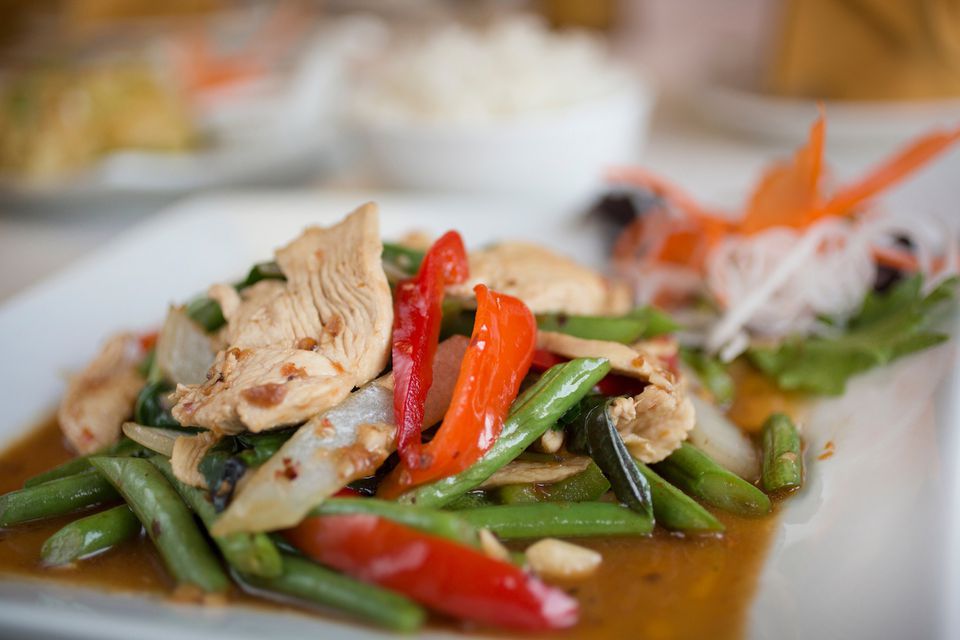
If your weeknight dinner routine has started to feel like a rerun nobody asked for, this Chinese Stir-Fried Chicken With Bell Peppers recipe is here to save the evening. It is fast, colorful, savory, and just dramatic enough to make your kitchen smell like you know exactly what you are doing. Even if you are standing there in sweatpants, clutching a spatula like it is a life plan, this dish still delivers.
This recipe is inspired by the kind of Chinese-American chicken stir-fry people actually crave: tender chicken, glossy sauce, crisp-tender bell peppers, plenty of garlic and ginger, and a finish that begs for a pile of hot rice. The secret is not magic. It is technique. A quick marinade helps the chicken stay juicy, high heat gives the dish that stir-fry energy, and cooking in stages keeps the peppers bright instead of limp. In other words, no mush, no blandness, and no mystery goop.
If you have ever wondered why restaurant stir-fry tastes better than the one you made while half-checking your phone, the answer is usually prep, heat, and timing. This recipe leans into all three, while still being easy enough for a normal home kitchen. You do not need a jet-engine wok burner. You just need a large skillet or wok, your ingredients ready to go, and the confidence to move quickly once the pan gets hot.
Why This Stir-Fry Works So Well
The beauty of Chinese stir-fried chicken with bell peppers is that it balances flavor, texture, and speed. The chicken gets a simple marinade made with soy sauce, cornstarch, and a little oil. That combination helps the meat stay tender and gives it a lightly velvety finish. The sauce is savory with a hint of sweetness, and the bell peppers bring freshness, color, and just enough crunch to keep the whole thing lively.
Bell peppers also pull more weight here than people give them credit for. Green peppers bring a slightly more assertive, sharper flavor, while red, yellow, and orange peppers tend to taste sweeter. So yes, pepper color matters a little. This is not a life-changing spiritual revelation, but in a stir-fry, it definitely affects the final flavor.
Another reason this dish works: it is flexible. Use chicken breast for a leaner result, or chicken thighs for extra juiciness and forgiveness. Want a little heat? Add dried chiles or red pepper flakes. Want more vegetables? Toss in onions, snap peas, mushrooms, or celery. The recipe has structure, but it is not a control freak.
Ingredients for Chinese Stir-Fried Chicken With Bell Peppers
For the Chicken Marinade
- 1 1/2 pounds boneless, skinless chicken breast or thighs, thinly sliced
- 1 tablespoon low-sodium soy sauce
- 1 tablespoon cornstarch
- 1 tablespoon neutral oil
- 1 tablespoon water
- 1/4 teaspoon ground white pepper or black pepper
For the Sauce
- 3 tablespoons low-sodium soy sauce
- 1 tablespoon oyster sauce
- 1 teaspoon sesame oil
- 1 tablespoon rice vinegar
- 1 tablespoon brown sugar or regular sugar
- 1/2 cup chicken broth or water
- 1 teaspoon cornstarch
For the Stir-Fry
- 2 tablespoons neutral oil, divided
- 1 red bell pepper, cut into bite-size pieces
- 1 green bell pepper, cut into bite-size pieces
- 1 small onion, sliced
- 3 cloves garlic, minced
- 1 tablespoon fresh ginger, minced
- 2 scallions, sliced
- Cooked jasmine rice, for serving
- Sesame seeds, optional
How to Make It
1. Marinate the chicken
In a medium bowl, toss the sliced chicken with soy sauce, cornstarch, oil, water, and pepper. Mix until the chicken looks evenly coated rather than awkwardly patched together like a bad group project. Let it sit for 10 to 20 minutes in the refrigerator while you prep everything else.
2. Mix the sauce
In a small bowl or measuring cup, whisk together the soy sauce, oyster sauce, sesame oil, rice vinegar, sugar, broth, and cornstarch. Set it aside. Then remember to whisk it again before adding it to the pan, because cornstarch loves to settle at the bottom like it pays rent there.
3. Prep before the heat starts
Slice the bell peppers, onion, garlic, ginger, and scallions before you turn on the stove. Stir-frying moves quickly, so this is not the moment to begin peeling ginger while the chicken is already trying to overcook.
4. Cook the chicken first
Heat 1 tablespoon oil in a wok or large skillet over medium-high to high heat until shimmering. Add the chicken in a single layer. Cook for 2 to 3 minutes, then stir-fry until it is mostly cooked through and lightly browned. Do this in two batches if needed. Overcrowding the pan will steam the chicken, and steamed stir-fry is basically a plot twist nobody wants.
Transfer the chicken to a plate. It is fine if it is not fully cooked yet; it will finish later in the sauce.
5. Stir-fry the vegetables
Add the remaining tablespoon of oil. Toss in the onion, garlic, and ginger, and stir-fry for about 30 seconds until fragrant. Add the bell peppers and stir-fry for 2 to 3 minutes. You want them crisp-tender, not floppy and exhausted. Stir in the scallions and cook for another 20 seconds.
6. Bring it all together
Return the chicken and any juices to the pan. Give the sauce another quick whisk, then pour it in. Stir continuously for 1 to 2 minutes, until the sauce thickens and coats the chicken and peppers in a glossy finish. Check that the chicken is fully cooked through. Serve immediately over hot rice, with sesame seeds on top if you like.
What This Dish Should Taste Like
A good Chinese chicken and bell pepper stir-fry should taste deeply savory, lightly gingery, and balanced rather than aggressively salty. The sauce should cling to the chicken instead of pooling sadly at the bottom of the plate. The chicken should be tender, not dry. The peppers should still have some bite. If everything is soft and brownish-beige, that is not stir-fry. That is a cautionary tale.
The best version of this recipe also has contrast. You get the gentle sweetness of ripe bell peppers, the savory depth of oyster sauce, the brightness of ginger, and the familiar comfort of soy. It is not supposed to taste complicated in a fussy way. It is supposed to taste clear, balanced, and satisfying.
Best Tips for Success
Slice the chicken thinly
Thin slices cook fast and stay tender. Try to cut the chicken into evenly sized strips or bite-size pieces so they cook at the same pace.
Use high heat, but not chaos
Stir-fry benefits from a hot pan, but you still want control. Heat the pan well, add oil, and move with purpose. This is dinner, not a stunt show.
Cook in batches if your pan is crowded
One of the biggest stir-fry mistakes is adding too much food at once. When that happens, the ingredients release moisture and start steaming instead of searing. If your skillet is average-sized, batching is your friend.
Do not overcook the peppers
This recipe is about chicken with bell peppers, not chicken beside pepper-flavored ribbons of regret. Add the peppers after the aromatics and cook them briefly so they stay bright and crisp-tender.
Whisk the sauce right before adding
Cornstarch sinks. It is committed to the bit. Stir or whisk the sauce before pouring it into the pan so it thickens evenly.
Common Mistakes to Avoid
- Using cold chicken straight from the fridge and dumping it into a barely warm pan: this slows browning and encourages steaming.
- Skipping the marinade: even a short marinade improves texture and flavor.
- Adding all ingredients at once: that is soup behavior.
- Cooking the garlic too long: burnt garlic can hijack the whole dish.
- Pouring in the sauce and walking away: it thickens fast, so stay close.
Easy Variations
Spicy version
Add red pepper flakes, sliced fresh chiles, or a spoonful of chili crisp. The sweetness of the peppers plays well with heat.
Black pepper style
Increase the black pepper and add a little extra oyster sauce for a bolder, takeout-style flavor profile.
Extra veggie version
Add mushrooms, celery, broccoli, snow peas, or zucchini. Just keep the total vegetable volume reasonable so the pan stays hot.
Lower-sugar version
Reduce the sugar slightly if you want a more savory finish. A small amount helps round out the sauce, but this dish does not need to taste like candy.
Chicken thigh version
If you love juicy, flavorful chicken, thighs are excellent here. They brown nicely and stay tender even if you are a minute late pulling them from the heat.
What to Serve With Chinese Stir-Fried Chicken With Bell Peppers
Steamed jasmine rice is the classic choice, and for good reason. It catches every drop of sauce like a true professional. Brown rice works too, especially if you want something a little nuttier and heartier. You can also spoon the stir-fry over noodles, serve it with fried rice, or pair it with a simple cucumber salad for something cool and crisp on the side.
If you are feeding a crowd, this recipe fits beautifully into a low-effort spread. Add dumplings, hot-and-sour soup, or a simple stir-fried green vegetable. Suddenly your kitchen feels like a tiny takeout spot, minus the delivery fee and that one sauce packet you can never open without emotional damage.
Storage and Reheating
Store leftovers in an airtight container in the refrigerator for up to 3 to 4 days. Reheat in a skillet over medium heat or in the microwave in short bursts. If the sauce tightens up too much, add a small splash of water or broth to loosen it.
As always with chicken, make sure it is cooked through before serving. The safest benchmark is an internal temperature of 165°F. Also, marinate raw chicken in the refrigerator, not on the counter. Food safety is not glamorous, but it is very much invited to dinner.
Why This Recipe Is Worth Keeping
There are thousands of chicken recipes on the internet, and yet people still come back to a good stir-fry because it solves real life. It is quick, budget-friendly, adaptable, and satisfying. It gives you protein, vegetables, and a sauce that tastes like more effort than it actually required. It can be weeknight dinner, meal prep, or the thing you make when takeout sounds good but your wallet says absolutely not.
Most importantly, this Chinese Stir-Fried Chicken With Bell Peppers recipe teaches a useful cooking rhythm. Marinate. Prep. Sear. Stir-fry. Sauce. Serve. Once you get that down, you can riff endlessly. Change the vegetables, switch the protein, adjust the heat, and make it your own. That is when stir-fry stops being just a recipe and starts becoming one of the most useful moves in your kitchen.
Experiences and Kitchen Stories Related to This Recipe
One of the best things about a recipe like Chinese Stir-Fried Chicken With Bell Peppers is that almost everyone seems to have a version of it in their personal cooking history. For some people, it is the meal they learned after college because it felt grown-up but still affordable. For others, it is the first dish that made them believe home cooking could actually compete with takeout. It is one of those recipes that quietly builds confidence.
I have seen beginner cooks fall in love with stir-fry because it rewards attention so quickly. The first time someone hears garlic and ginger hit hot oil, there is usually a moment of pure optimism. Suddenly the kitchen smells incredible, and even if the counters are messy and the rice is maybe a minute away from becoming overly enthusiastic, dinner feels under control. That is powerful energy for a Tuesday.
This dish also tends to become a “clean out the produce drawer” favorite. Bell peppers are often the star, but once home cooks realize the method works, all kinds of vegetables start auditioning for the pan. A few mushrooms left from another recipe? In they go. Half an onion hanging around with no clear purpose? Welcome aboard. A lonely carrot that has seen things? Slice it thin and give it a better ending.
Another common experience is the great pepper debate. Some people swear by red bell peppers because they are sweeter and more colorful. Others insist green peppers give the stir-fry that more classic, slightly sharper takeout flavor. The truth is that both camps have a point, which is a rare and beautiful thing on the internet. Many cooks eventually settle on using both, mostly because the contrast looks great and makes the finished dish feel more restaurant-style.
Then there is the batch-cooking revelation. Nearly everyone who gets serious about stir-fry has that one defining moment: the moment they stop overcrowding the pan. The result is immediate. The chicken browns better. The vegetables stay brighter. The sauce clings instead of flooding the skillet. It feels less like assembling a random dinner and more like actually cooking with intention. Not to be dramatic, but it can be a small kitchen awakening.
This recipe is also a popular “bridge meal” for families. It is familiar enough for picky eaters because it includes chicken, peppers, and rice, but flavorful enough for people who want something more interesting than plain sautéed meat. You can make one batch mild and another batch spicy. You can serve the sauce lightly or heavily. You can scatter scallions over half and leave the other half plain. It bends without breaking.
And maybe that is the real reason this dish sticks around. It is dependable without being boring. It feels fast, but not rushed. It tastes fresh, but still comforting. It can be the kind of dinner you throw together in 30 minutes, and it can also be the recipe that teaches you how timing, heat, and preparation work together. For a humble skillet of chicken and bell peppers, that is a pretty impressive résumé.