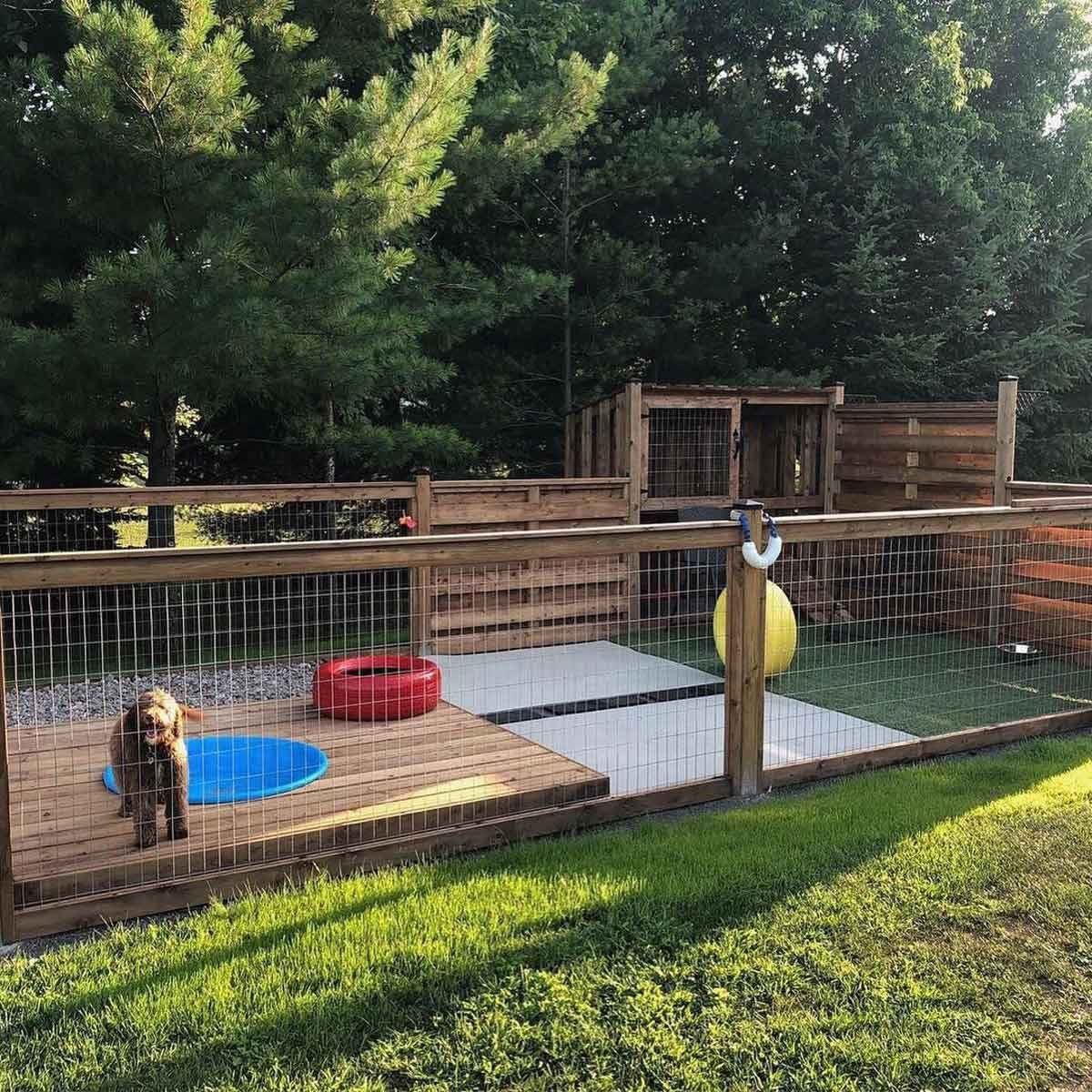
A yard may look like a simple patch of grass, a few shrubs, and that one mysterious corner where old flowerpots go to retire. But in reality, yards are some of the most flexible, valuable, and personality-packed spaces around a home. A good yard can be a playground, a garden, a reading nook, a dog runway, a neighborhood conversation starter, a wildlife buffet, andif planned wella low-maintenance extension of your living space.
In American homes, yards often carry a lot of emotional weight. The front yard says, “Welcome.” The backyard says, “Relax, kick off your shoes, and please ignore the hose lying in the grass.” Whether your outdoor space is a wide suburban lawn, a compact townhouse patio, a shady side yard, or a sunny garden strip, the same big idea applies: a yard works best when it fits your climate, soil, lifestyle, budget, and patience level.
This guide explores what makes yards useful, beautiful, sustainable, and enjoyable. We will look at lawn care, soil health, water-wise landscaping, native plants, outdoor living, curb appeal, safety, and real-life yard experiences. No fluff. No robotic landscaping lecture. Just practical ideas for turning a yard into something better than “the place where weeds hold weekly meetings.”
What Is a Yard, Really?
In the simplest sense, a yard is the outdoor land around or next to a house. In the United States, the word often refers to a front yard, backyard, side yard, courtyard, lawn, garden, or any open residential space. But the modern yard is much more than leftover land after the house was built. It is a living system.
A yard contains soil, plants, insects, drainage patterns, shade, sun exposure, foot traffic, and human habits. It also interacts with the larger environment. Rainwater moves through it. Pollinators visit it. Tree roots stabilize it. Lawn clippings, leaves, mulch, compost, and plant choices all affect the health of the space. In other words, your yard is not just decoration. It is a tiny ecosystem wearing sneakers and holding a barbecue spatula.
Why Yards Matter More Than People Think
Yards Improve Daily Life
A well-designed yard gives people a reason to step outside. That matters. Outdoor spaces can support physical activity, reduce stress, and create a place for neighbors, friends, and family to connect. Even a small yard can become a morning coffee spot, a container garden, a reading corner, or a weekend project zone.
The best yards do not need to be magazine-perfect. They need to be usable. A perfectly striped lawn that nobody touches is less valuable than a modest yard where kids play, herbs grow, birds visit, and people actually spend time.
Yards Support Curb Appeal and Home Value
First impressions matter, especially in real estate. A clean, healthy, thoughtfully maintained yard can make a home look cared for before anyone steps inside. Simple improvements such as fresh mulch, shaped planting beds, trimmed shrubs, repaired walkways, and healthy trees can create instant curb appeal.
That does not mean every yard needs a luxury outdoor kitchen or a pool that looks like it belongs at a resort. Often, the highest-impact improvements are basic: remove clutter, define edges, fix bare patches, add seasonal color, prune properly, and make the entrance easy to find. A front yard should not require guests to solve a maze puzzle just to reach the door.
Yards Help the Environment
Yards can either waste resources or conserve them. A thirsty lawn watered at noon with a broken sprinkler is basically a public fountain with grass. A smarter yard uses climate-appropriate plants, healthy soil, mulch, efficient irrigation, and practical lawn areas. This reduces runoff, conserves water, supports pollinators, and helps plants survive stress.
Native plants are especially useful because they are adapted to local conditions and often support local insects, birds, and wildlife. A yard with diverse flowers, shrubs, trees, grasses, and ground covers can be more resilient than a single-species lawn that panics every time summer arrives.
The Foundation of a Great Yard: Soil
Before buying plants, spreading fertilizer, or blaming your grass for “not trying hard enough,” start with soil. Soil is the foundation of every successful yard. It affects drainage, root growth, nutrient availability, microbial life, and plant health.
A soil test is one of the smartest first steps. It can reveal pH, nutrient levels, and whether your yard needs fertilizer, lime, organic matter, or nothing at all. Many homeowners fertilize by guesswork, which is a bit like seasoning soup while blindfolded. Sometimes it works. Sometimes everyone politely drinks water afterward.
For lawns and gardens, soil testing every few years is usually enough unless you are changing the landscape, starting a new garden bed, or dealing with persistent problems. Urban yards may also benefit from lead testing, especially near older buildings, heavy traffic areas, or former industrial zones.
How to Build Healthier Soil
Healthy soil is not created overnight, but steady habits make a big difference. Add compost where appropriate. Use mulch around garden beds, shrubs, and trees. Avoid compacting soil by repeatedly walking or parking on the same areas. Keep soil covered instead of leaving it bare. Return organic material to the yard when possible, such as chopped leaves or grass clippings.
Compacted soil is a common yard problem. It prevents air and water from moving freely, which makes life harder for roots. If water puddles, grass thins, or plants struggle despite watering, compaction may be part of the issue. Aeration, compost, proper drainage, and reducing foot traffic can help.
Lawns: Useful, Beautiful, but Not Always the Whole Story
Lawns are popular because they are practical. A lawn gives people a place to play, walk, picnic, exercise, and stretch out on a sunny day like a house cat with responsibilities. Turfgrass can also reduce dust, slow runoff, and visually unify a landscape.
But lawns work best when they are the right size and in the right place. A lawn that is used for play, pets, or entertaining earns its keep. A lawn in deep shade, on a steep slope, or in a drought-prone area may require more water, fertilizer, and emotional support than it is worth.
Basic Lawn Care That Actually Helps
The best lawn care is usually boring in the best possible way: mow at the proper height, water deeply but not constantly, fertilize based on soil test results, and choose grass suited to the region. Cutting grass too short weakens it, encourages weeds, and increases stress. A taller mowing height often helps turf shade the soil and compete better.
Grass clippings can usually stay on the lawn if they are short and evenly spread. They break down and return nutrients to the soil. This is not laziness. This is nutrient recycling wearing sunglasses.
Watering should be based on need, not a rigid habit. Many lawns do better with deeper, less frequent watering than with shallow daily sprinkles. Early morning is usually the best time because less water is lost to evaporation and grass blades dry during the day, reducing disease risk.
Water-Wise Yard Design
Outdoor water use can be significant in American households, especially in hot or dry regions. Smart yard design can reduce waste while keeping the landscape attractive. Water-wise landscaping does not mean replacing every plant with gravel and calling it “desert chic.” It means matching plants, soil, irrigation, and layout to real conditions.
Group Plants by Water Needs
One of the simplest water-saving ideas is hydrozoning: grouping plants with similar water needs together. Thirsty annuals should not be planted beside drought-tolerant natives and watered as if they are all training for a rainforest marathon. When plants are grouped wisely, irrigation becomes more efficient and plant stress drops.
Use Mulch Correctly
Mulch is one of the easiest upgrades for yards. It helps conserve soil moisture, moderate soil temperature, reduce weeds, protect topsoil, and give planting beds a finished look. Organic mulches such as shredded bark, leaves, pine straw, or composted material can also contribute organic matter as they break down.
However, mulch should not be piled against tree trunks like a volcano. Mulch volcanoes look dramatic, but they can trap moisture against bark and harm trees. Spread mulch in a wide, shallow ring and keep it slightly away from trunks and stems.
Choose Efficient Irrigation
Drip irrigation and microirrigation are often better for beds, shrubs, and trees because they deliver water near the root zone. Spray irrigation may still be useful for turf, but it should be checked regularly. Broken heads, overspray onto sidewalks, and runoff are common ways yards waste water. If your sprinkler is watering the driveway, congratulations: your concrete is hydrated, but your plants are filing a complaint.
Native Plants and Biodiversity
A yard full of native plants can be beautiful, practical, and ecologically valuable. Native plants often support native insects, which support birds and other wildlife. They can also be adapted to local weather patterns, soils, and seasonal cycles.
This does not mean every non-native plant is evil and plotting under the moonlight. It means a yard benefits from thoughtful plant selection. Choose non-invasive plants, prioritize native species where possible, and build variety into the landscape. A mix of trees, shrubs, perennials, grasses, and ground covers creates layers of habitat and visual interest.
Make Pollinators Feel Welcome
Pollinator-friendly yards provide flowers across the growing season, nesting places, and reduced pesticide exposure. Aim for blooms in spring, summer, and fall. Include different flower shapes and plant heights. Leave some natural materials, such as stems, leaf litter, or small brushy areas, when appropriate and safe.
A pollinator garden does not need to look wild or messy. It can have clean edges, paths, repeated plant groupings, and intentional design. The goal is not “abandoned lot energy.” The goal is organized abundance.
Trees: The Yard’s Long-Term Investment
Trees are among the most valuable features in a yard. They provide shade, beauty, privacy, wildlife habitat, cooling, and seasonal character. A well-placed tree can make a patio comfortable, frame a house, soften hard surfaces, and create a sense of permanence.
The key phrase is “well-placed.” Trees should be selected for mature size, root behavior, sun needs, soil conditions, and distance from buildings, utilities, sidewalks, and driveways. Planting a large shade tree too close to a house may feel charming for the first few years, then become a leafy negotiation with your roof.
Tree Care Basics
New trees need proper planting depth, regular watering during establishment, and mulch spread correctly around the root zone. Avoid topping trees, damaging bark with mowers, or burying roots too deeply. When major pruning is needed, hire a qualified professional. Trees are living infrastructure, not giant green furniture.
Designing a Yard for Real Life
The best yard design starts with honest questions. How do you use the space now? How would you like to use it? Do you need shade, privacy, play space, food-growing areas, pet zones, or easier maintenance? Do you enjoy gardening, or do you want plants that survive your vacation schedule?
A yard should match your lifestyle. A busy family may need durable turf, storage, shade, and safe paths. A gardener may want raised beds, compost, pollinator borders, and a potting bench. Someone who loves entertaining may prioritize a patio, lighting, seating, and privacy plants. A low-maintenance homeowner may choose mulch beds, native shrubs, slow-growing plants, and a smaller lawn.
Create Outdoor Rooms
One helpful approach is to think of the yard as a series of outdoor rooms. A patio can be the dining room. A shaded bench can be the reading room. A lawn can be the recreation room. A vegetable garden can be the pantry with dirt under its fingernails.
Use paths, hedges, planters, trees, fences, pergolas, or changes in ground material to define areas. Even a small yard feels larger when it has zones. Without zones, everything can blur together into “grass, but with patio furniture somewhere.”
Low-Maintenance Yard Ideas
Low-maintenance does not mean no maintenance. Every yard requires some attention. But smart choices can reduce the amount of mowing, watering, pruning, weeding, and emergency plant rescue.
Choose plants suited to your region. Reduce unnecessary turf. Use mulch. Install edging to keep beds defined. Plant ground covers in awkward mowing areas. Replace steep or shady lawn sections with shrubs, woodland plants, or hardscape. Use perennials and shrubs instead of constantly changing annuals. Keep plant spacing realistic so the yard fills in without becoming a jungle that eats garden tools.
Practical Hardscape
Patios, walkways, stepping stones, gravel areas, and decks can make yards more useful and reduce maintenance. The trick is balance. Too much hardscape can increase heat and runoff. Too little can make the yard muddy, inconvenient, or difficult to enjoy. Permeable surfaces, shade, and nearby planting beds can soften hardscape and improve function.
Common Yard Mistakes
Many yard problems come from mismatches. Sun-loving plants are put in shade. Shade plants are roasted in afternoon sun. Lawns are planted where drainage is poor. Trees are planted too close to structures. Plants with different water needs share the same irrigation zone. Mulch is piled too high. Fertilizer is applied without testing. The yard suffers, and the homeowner wonders if plants are simply dramatic.
Another common mistake is designing for appearance only. A yard should look good, but it also needs to function. Think about storage, foot traffic, drainage, trash bins, pets, children, privacy, maintenance access, and seasonal changes. A beautiful yard that is awkward to use will eventually become outdoor wallpaper.
Seasonal Yard Care
Spring
Spring is ideal for cleanup, soil testing, light pruning, planning new beds, refreshing mulch, checking irrigation, and planting many perennials, shrubs, and cool-season vegetables. Avoid working soil when it is too wet because compaction can cause long-term problems.
Summer
Summer yard care is about water management, mowing correctly, watching for pests, harvesting vegetables, and protecting plants from heat stress. Water early, mulch exposed soil, and avoid heavy pruning during extreme heat unless removing damaged or unsafe growth.
Fall
Fall is excellent for planting trees and shrubs in many regions, improving soil, overseeding cool-season lawns, collecting leaves for mulch or compost, and preparing beds for winter. It is also a good time to evaluate what worked and what looked like a botanical prank.
Winter
Winter is planning season. Study the yard’s structure. Notice where snow, rain, shade, and wind move. Prune some dormant plants when appropriate. Clean tools, plan garden changes, and dream ambitiously while conveniently forgetting how sweaty July can be.
Personal Experiences and Real-Life Lessons About Yards
One of the most important lessons about yards is that they teach patience. A yard rarely becomes beautiful in one weekend, no matter how inspiring the home-improvement show made it look. Real yards have clay soil, hidden rocks, surprise roots, uneven sunlight, and at least one area where plants go to reconsider their life choices.
A common experience for many homeowners is starting with excitement and too many plants. The first trip to the garden center feels heroic. Everything blooms. Everything looks possible. Then the plants go into the ground, and suddenly it becomes clear that the yard has opinions. The sunny corner is hotter than expected. The shady area is not just shady; it is “mushroom vacation resort” shady. The sprinkler misses the new bed by three feet. The dog believes fresh mulch is a personal gift.
The best yard experiences often come from learning slowly. For example, many people discover that a small seating area under a tree gets used more than a large patio in full sun. A narrow side yard can become a herb garden, a gravel path, or a storage zone instead of an awkward strip of neglected grass. A front yard can feel more welcoming with one small ornamental tree, a curved bed, and a clear path than with endless lawn and no focal point.
Another real-life lesson is that maintenance should shape design. A giant flower border may look amazing in May, but if it requires weekly weeding and you only have twenty free minutes on Sunday, it may become a guilt garden. A better approach is to start with one manageable bed, learn what grows well, then expand. Success builds confidence. Overplanting builds Saturday resentment.
Yards also create memories. People remember backyard birthday parties, summer dinners, first vegetable harvests, kids chasing bubbles, grandparents sitting in lawn chairs, and neighbors chatting over fences. These moments do not require perfect landscaping. They require a space that invites people outside.
One practical experience worth sharing is the power of edges. A yard can look dramatically better when beds are edged, paths are clear, and messy areas are contained. Even before major planting, clean lines make the space feel intentional. It is like giving the yard a haircut before asking it to pose for a family photo.
Another experience is the surprise value of shade. New homeowners often focus on flowers first, but shade is what makes a yard livable in hot weather. A shade tree, pergola, umbrella, or covered seating area can turn a yard from “nice to look at through the window” into “place where people actually want to sit.”
Finally, yards reward observation. Before changing everything, spend time watching where sunlight falls, where water collects, where people naturally walk, and which views you want to frame or hide. The yard will tell you what it needs. It may not use words, but puddles, crispy leaves, bare patches, and thriving volunteer plants are all messages. Some are polite. Some are basically shouting.
Conclusion: The Best Yards Are Designed for People and Place
Yards are not just decorative spaces. They are living, working parts of a home. A good yard balances beauty, function, maintenance, water use, soil health, wildlife value, and personal enjoyment. It does not have to be expensive, perfect, or trendy. It simply needs to fit the people who use it and the place where it grows.
Start with the basics: test the soil, understand sun and drainage, use water wisely, choose the right plants, protect trees, mulch properly, and design around real life. Keep the lawn where it is useful. Add native plants where they make sense. Create outdoor rooms. Make room for shade, movement, gathering, and quiet.
The most successful yards are not the ones that impress for five minutes. They are the ones that keep giving back season after season: a cooler afternoon, a safer path, a healthier tree, a bowl of tomatoes, a butterfly on a flower, a place to laugh with friends, and maybe a little less mowing. That is a yard doing its job beautifully.
SEO Tags
Note: This article is written for general educational publishing. Yard care should always be adapted to local climate, soil conditions, water rules, neighborhood requirements, and plant recommendations from regional experts.