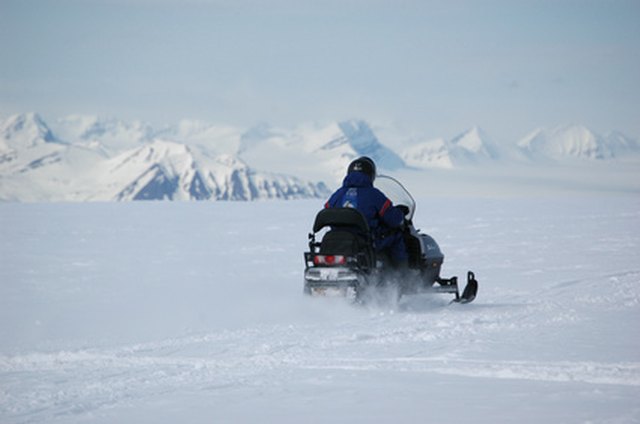
The Yamaha Enticer 340 is proof that a snowmobile does not need a laptop-sized dashboard, three suspension computers, and enough horsepower to rearrange the landscape to be memorable. Built during the late 1970s and 1980s, this compact Yamaha became known for its simple mechanical design, manageable weight, dependable two-stroke engine, and ability to turn an ordinary snowy field into an afternoon adventure.
This guide covers the Yamaha Enticer 340 snowmobile, not the later Yamaha Enticer motorcycle sold in other markets. Because Yamaha produced standard, electric-start, Deluxe, and long-track versions over several years, the exact specifications can differ. The figures below therefore identify common specifications and highlight important model-year variations instead of pretending every Enticer left the factory wearing identical boots.
Yamaha Enticer 340 Specs at a Glance
The “340” designation refers to the engine class, while the actual displacement is 337 cubic centimeters. Factory service information for the 1980 ET340 lists a fan-cooled, two-stroke, twin-cylinder engine with a 60 mm bore, 59.6 mm stroke, and 6.1:1 effective compression ratio. Yamaha combined it with oil injection, CDI ignition, a belt-type automatic transmission, chain final drive, and a mechanical disc brake.
| Specification | Common Yamaha Enticer 340 Figure |
|---|---|
| Engine | Fan-cooled, two-stroke parallel twin |
| Displacement | 337 cc |
| Bore × stroke | 60 × 59.6 mm |
| Effective compression ratio | 6.1:1 on the 1980 model |
| Carburetion | Single Mikuni carburetor; model and jetting vary |
| Lubrication | Yamaha Autolube oil-injection system |
| Ignition | CDI flywheel-magneto system |
| Starting | Recoil; electric start on selected versions |
| Transmission | Automatic centrifugal CVT with V-belt |
| Final drive | Chain |
| Brake | Mechanical disc brake |
| Standard track | Approximately 15 × 108 or 109 inches |
| Long track | Approximately 15 × 136 inches |
| 1988 standard-model weight | Approximately 361–365 pounds |
| 1988 long-track weight | Approximately 429 pounds |
| 1980 fuel capacity | 22.7 liters, or about 6.0 U.S. gallons |
| Spark plugs | Two NGK BR9ES plugs on commonly documented models |
Engine and Powertrain Specifications
A 337cc Fan-Cooled Two-Stroke Twin
The Enticer’s engine is a parallel twin with cast-iron cylinder sleeves in an aluminum assembly. Fan cooling forces air across the cylinders, allowing the engine to remain reasonably consistent at low trail speeds where a free-air engine might prefer more airflow. It is not sophisticated by modern standards, but that is part of the attraction. There are no electronic fuel injectors, oxygen sensors, or complicated engine-control modules waiting to develop opinions.
The 1980 factory specification identifies the engine as a five-port two-stroke with an actual displacement of 337 cc. The 60 × 59.6 mm bore-and-stroke combination makes the engine nearly square, helping it provide usable low- and midrange response without behaving like an extremely peaky racing motor.
Horsepower figures require caution. Some period-oriented catalogs place output near 32 horsepower, but Yamaha’s commonly available service specifications do not present one universal power rating for every year and trim. Engine condition also matters enormously. A properly sealed engine with healthy compression, correct clutch calibration, and clean carburetion can feel dramatically stronger than an equally shiny machine with tired crank seals.
Single Mikuni Carburetor
One carburetor feeds both cylinders on commonly documented versions. The 1980 service data lists a Mikuni B38-34 unit, although carburetor identification and factory jetting can differ with the production year, altitude, temperature, and market.
This single-carburetor arrangement simplifies synchronization because there are not two separate throttle slides to balance. The trade-off is that correct fuel delivery remains essential. A two-stroke running lean does not politely display a warning message; it may instead introduce the piston to the cylinder wall at high speed.
Owners should resist copying jet sizes from an unrelated year without checking the applicable service manual. Temperature and elevation influence the required mixture, and modern gasoline may behave differently from the fuel available when these sleds were new.
Autolube Oil Injection
The Enticer 340 uses Yamaha’s separate oil-injection system rather than requiring oil to be mixed manually into every tank of gasoline. Factory information for the 1980 model lists an oil-tank capacity of approximately 2.4 liters. The pump meters two-stroke lubricant according to throttle demand, reducing smoke and oil consumption compared with a fixed premix ratio.
The system is convenient only when it is healthy. Old oil hoses can harden, filters can clog, and pump cables can fall out of adjustment. Anyone reviving a long-stored Enticer should inspect the entire oil-delivery system and confirm pump operation before trusting it with a long ride.
Ignition and Spark Plugs
CDI ignition provides the spark, with the flywheel magneto generating electrical power. Common service information specifies two NGK BR9ES spark plugs with a gap of 0.7 to 0.8 mm, or approximately 0.028 to 0.031 inch. Factory service guidance recommends inspecting the plugs regularly because their appearance can reveal rich running, lean running, oiling problems, or ignition trouble.
Carrying spare plugs is still wise. They take up less room than a sandwich and may be considerably more useful when the engine starts sputtering several miles from the trailer.
Transmission, Clutch, and Braking
Automatic Belt Transmission
The Enticer uses a snowmobile-style continuously variable transmission. A primary clutch attached to the engine and a secondary clutch connected to the drive system automatically change the effective gear ratio as engine speed and load change.
Factory specifications for the 1980 standard model show an approximate ratio range from 3.5:1 to 1:1 and clutch engagement near 3,200 rpm. The long-track version was calibrated closer to 3,000 rpm. Later service information for the ET340TRM lists engagement around 3,100 rpm, a shift speed near 6,500 rpm, and a 1,099 mm belt circumference. These numbers demonstrate why matching clutch parts to the exact model matters.
A worn belt can reduce top speed, alter engagement, and make the sled feel lazy. Owners should check belt width, glazing, missing material, cracks, and oil contamination. Installing a random belt that “looks about right” is a classic way to turn a simple machine into a confusing one.
Chain Drive and Disc Brake
Power travels from the secondary clutch through a chaincase to the track drive axle. The chaincase requires correct lubricant and proper chain tension. Water contamination, metal particles, or neglected oil can damage the sprockets and bearings.
Stopping is handled by a disc brake. It is basic compared with modern hydraulic systems, but adequate when adjusted properly and used at the speeds for which the chassis was designed. Brake-pad thickness, cable condition, disc condition, and lever travel should be inspected before each season.
Track, Suspension, and Steering Specs
Standard-Track Enticer 340
Parts-fitment databases commonly identify the short-track Enticer 340 as using a track about 15 inches wide and 108 inches long, with some early listings rounded to 109 inches. The 1980 factory manual lists a 380 mm track width, which converts to approximately 15 inches. The standard sled’s length of track contacting the ground was listed at 760 mm.
The shorter track makes the standard Enticer easier to turn and less cumbersome on packed trails. It also reduces weight compared with the utility-oriented long-track model. Deep powder is not its favorite restaurant, but on firm snow it remains playful and predictable.
Enticer 340T Long Track
The long-track ET340T uses a 136-inch track on commonly documented 1984–1988 models. Yamaha originally lengthened the chassis and increased the track’s contact area to improve flotation, climbing ability, and traction in fresh snow. Factory material for the 1980 ET340T lists 1,110 mm of track on the ground, compared with 760 mm for the standard model.
The 340T is better suited to utility riding, ice-fishing access, hauling supplies, and traveling through softer snow. The price is additional weight and slower steering response. Think dependable winter mule rather than caffeinated trail terrier.
Suspension and Skis
The front suspension uses leaf springs with oil dampers, while the rear employs a slide-rail suspension with an oil-and-gas damper on documented 1980 models. The factory listed 1,000 mm-long skis and a standard-model ski stance of 850 mm. The 1980 long-track version used an 800 mm stance.
Suspension travel is modest by current standards. Riders should expect to slow down for rough trail sections rather than attempting to flatten every bump through optimism. Worn ski runners, seized suspension pivots, collapsed shocks, and damaged slide runners can make the handling noticeably worse.
Dimensions and Weight by Version
1980 Standard ET340 Dimensions
The 1980 factory specifications list an overall length of 2,585 mm, width of 990 mm, and height of 1,075 mm with the windshield. Those figures convert to approximately 101.8 inches long, 39.0 inches wide, and 42.3 inches high.
Later Standard-Model Dimensions
Some late-model specification references list approximately 105.1 inches of length, 38.2 inches of width, and 41.0 inches of height, with a ski stance near 33.5 inches. A late-production standard Enticer is commonly listed at roughly 361 to 365 pounds.
Long-Track Dimensions and Weight
The 1980 ET340T measured 2,895 mm long, or approximately 114 inches, while retaining the same listed width and height as the standard model. A 1988 ET340TM long-track model is listed at 429 pounds, substantially heavier than the 365-pound standard ET340M.
The weight difference is not just the track. Long-track models require a longer chassis, additional suspension components, larger supporting structures, and utility-oriented equipment.
Fuel Capacity and Expected Range
The 1980 factory manual lists a 22.7-liter fuel tank, equivalent to approximately 6.0 U.S. gallons. Actual range depends on snow depth, temperature, carburetor calibration, belt condition, load, riding speed, and how frequently the throttle meets the handlebar.
A vintage carbureted two-stroke should not be evaluated using modern four-stroke fuel-economy expectations. Deep snow and heavy loads can sharply increase consumption. Riders traveling away from maintained trails should calculate range conservatively and keep a reserve instead of trying to discover exactly how far “empty” can travel.
Yamaha Enticer 340 Top Speed
Yamaha did not publish one dependable top-speed figure covering every Enticer 340 model. Healthy standard-track machines are commonly associated with speeds in roughly the 55-to-65-mph range under favorable conditions. Some owners report higher numbers, but speedometer accuracy, clutch tuning, rider weight, track condition, snow surface, and engine health make comparisons unreliable.
The long-track model is generally slower because it carries more weight and rotates a larger track. More importantly, the Enticer’s suspension, brakes, skis, and chassis were designed decades ago. Chasing a heroic speedometer reading on an unrestored machine is an exciting way to inspect vintage hardware under extremely inconvenient circumstances.
Common Yamaha Enticer 340 Problems
Crankshaft Seal Leakage
Aged crank seals can admit extra air, producing a lean mixture and unstable idle. Warning signs include hanging rpm, difficult starting, inconsistent carburetor adjustment, or one cylinder running hotter than the other. A pressure and vacuum test is more reliable than guessing.
Dirty Carburetor and Fuel System
Old fuel leaves deposits inside the carburetor, pump, filter, and hoses. Cleaning only the float bowl may not clear blocked internal passages. A proper revival includes the tank, pickup, fuel pump, pulse hose, carburetor circuits, and intake flange.
Oil-Injection Hose Deterioration
Transparent oil lines may look acceptable while becoming brittle or restricted internally. Replacing questionable hoses is inexpensive compared with rebuilding a seized twin-cylinder engine.
Clutch and Belt Wear
Flat-spotted rollers, tired springs, worn bushings, incorrect belt dimensions, and rusted clutch surfaces can produce poor acceleration or low top speed. Clutches should be serviced with proper tools because compressed springs are unimpressed by bravery.
Track and Suspension Aging
Inspect the track for missing lugs, exposed reinforcing cords, cracking around clips, and internal deterioration. Check suspension wheels, bearings, slide runners, limiter straps, springs, and mounting points. Replacement 108-inch tracks are less common than modern sizes, while 136-inch long-track fitments remain somewhat easier to identify through specialty suppliers.
Buying a Used Yamaha Enticer 340
Begin by identifying the exact model code rather than relying on hood decals. Confirm whether the sled is a standard ET340, electric-start version, Deluxe, or ET340T long track. Yamaha produced multiple year-specific versions, and OEM parts diagrams show different model codes and assemblies across the production run.
Check compression on both cylinders, but do not judge the engine only by the number. The readings should be reasonably close to each other, and a pressure test should be considered if the sled has an unknown history. Inspect the intake flange, fuel lines, oil lines, exhaust joints, wiring, track, skis, chaincase, and suspension mounts.
Cold-start behavior reveals more than a demonstration performed after the seller has warmed the engine for twenty minutes. Ask to see the machine before it is started. A healthy Enticer with correct fuel delivery and ignition should not require a ceremonial dance involving starter fluid and six neighbors.
Cosmetic condition matters less than mechanical completeness. Original windshields and seat covers can be replaced, but missing clutch components, damaged engine cases, modified wiring, or a deteriorated track can quickly exceed the purchase price.
Frequently Asked Questions
How many cylinders does the Yamaha Enticer 340 have?
It has two cylinders. The engine is a fan-cooled, two-stroke parallel twin with an actual displacement of 337 cc.
Does the Yamaha Enticer 340 have electric start?
Many standard models use a recoil starter. Electric starting was fitted or offered on selected electric-start and Deluxe variants. Verify the model code and existing components before ordering starter parts.
What track size does a Yamaha Enticer 340 use?
Common standard-track versions use an approximately 15 × 108-inch track, while some early fitment catalogs describe it as 109 inches. The Enticer 340T long track commonly uses a 15 × 136-inch track.
What spark plugs fit the Yamaha Enticer 340?
NGK BR9ES plugs are specified for many ET340 models. The commonly published gap is 0.7 to 0.8 mm. Always verify the service information for the exact year and model.
How much does a Yamaha Enticer 340 weigh?
A late standard model is commonly listed around 361 to 365 pounds. The 1988 long-track ET340TM is listed at approximately 429 pounds. Earlier versions and differently equipped trims can vary.
Is the Yamaha Enticer 340 reliable?
It has a strong reputation for durability because of its straightforward engine and drivetrain. Reliability today depends less on the original design and more on storage history, crank-seal condition, oil delivery, carburetor cleanliness, track condition, and maintenance quality.
Conclusion
The Yamaha Enticer 340 combines a 337cc two-stroke twin with simple carburetion, oil injection, CDI ignition, automatic belt drive, chain final drive, and a lightweight vintage chassis. Standard versions emphasize easy handling, while 136-inch long-track models provide better flotation and utility capability.
Its numbers appear modest beside a current high-performance snowmobile, yet that comparison misses the point. The Enticer was built to be approachable, practical, repairable, and enjoyable. Restored correctly, it remains a charming trail sled and a useful reminder that winter fun existed long before touchscreens began wearing gloves.
Real-World Yamaha Enticer 340 Ownership Experience
On the trail, the first thing riders tend to notice is how approachable the Enticer feels. A standard-track version is narrow, relatively light, and easy to move around at low speed. It does not feel like a modern mountain sled that requires a small loading dock and a personal trainer. One person can often maneuver the Enticer around a garage, line it up with a trailer, or pull the rear end sideways without negotiating a new lower-back insurance policy.
The engine character is friendly rather than explosive. Once the carburetor is clean and the clutch is working correctly, the 337cc twin pulls smoothly from engagement and provides enough power for normal trail travel. Acceleration feels lively because the machine is comparatively light, although the sensation is more mechanical than polished. The rider hears the fan, belt, chaincase, intake, and exhaust all performing their separate sections of the orchestra.
A short-track Enticer feels best on packed trails, frozen roads, and open fields with a firm base. Steering is direct, but the leaf-spring front suspension transmits more information than most riders requested. Small bumps are manageable. Repeated sharp holes encourage slower speeds and better life choices. The sled rewards smooth throttle use and sensible corner entry rather than aggressive modern riding techniques.
The long-track 340T provides a noticeably different experience. Its 136-inch track spreads the sled’s weight across more snow, helping it move through softer conditions and maintain traction while pulling a modest load. Ice anglers and cabin owners often value this version because it can carry equipment without becoming excessively complicated. However, the extra chassis length and weight are obvious when turning in tight spaces or attempting to free the machine after it becomes stuck.
Cold starting is usually reasonable when compression, ignition, fuel delivery, and enrichment circuits are correct. A neglected example may demand repeated pulling, fresh plugs, and language that cannot be printed in a family repair manual. Owners frequently discover that supposed “carburetor problems” are actually cracked intake flanges, weak fuel-pump pulses, leaking crank seals, or hardened hoses.
Routine ownership is pleasantly hands-on. Spark plugs are accessible, the carburetor is understandable, and mechanical systems can be inspected without connecting diagnostic software. At the same time, the sled’s age means every rubber component deserves suspicion. Fuel hoses, oil lines, crank seals, drive belts, suspension bushings, and track rubber may all be decades old even when the hood looks excellent.
The best experience comes from treating the Enticer as a vintage machine instead of demanding modern performance from it. Warm the engine properly, monitor the oil system, avoid sustained lean operation, inspect the belt and track, and carry basic tools and spare plugs. With those habits, the Yamaha Enticer 340 delivers what made it popular in the first place: uncomplicated winter transportation, cheerful two-stroke sound, and enough personality to make a twenty-mile ride feel like an event.