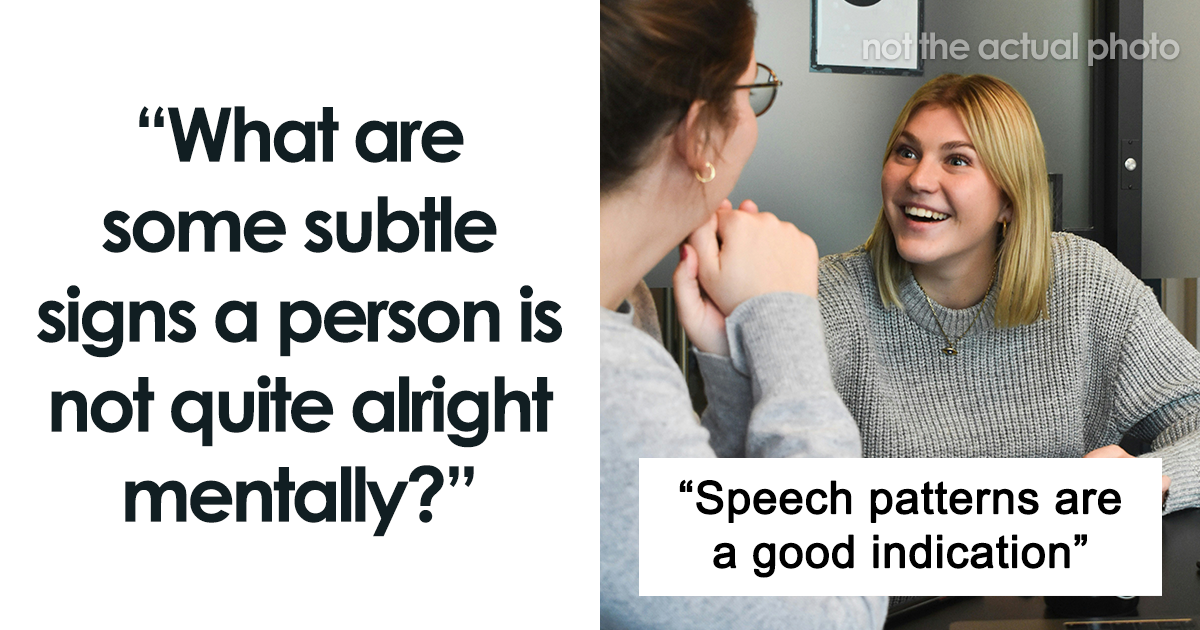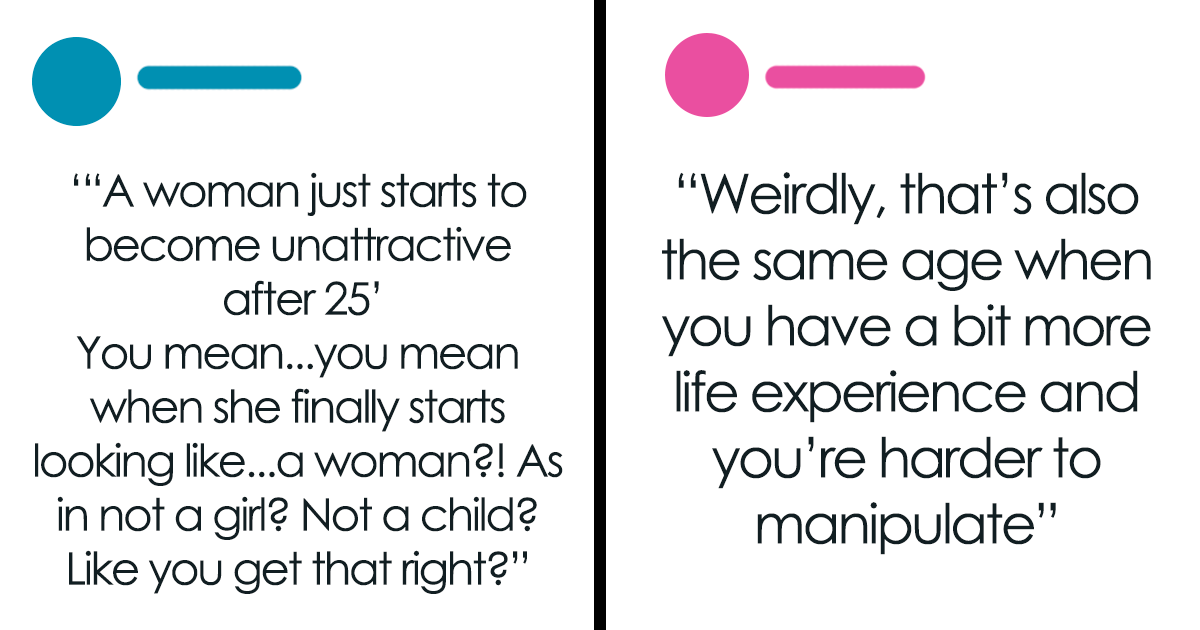
Some internet posts are built for a quick chuckle. You grin, scroll, forget. And then there are the posts from pages like Fight The Patriarchythe kind that make you laugh first, then stare at the ceiling for a second like, “Well, that got uncomfortably real.” That emotional whiplash is the whole point. A good feminist meme doesn’t just land a joke; it sneaks a flashlight into the weird little corners of everyday life and exposes what many people have been told to ignore.
That is why collections like this travel so far online. They are funny, yes, but they are also tiny acts of translation. They turn gender politics, workplace frustration, unpaid labor, beauty standards, online harassment, and medical bias into language people instantly recognize. In one square image, a meme can explain a dynamic that a thousand awkward family dinners never managed to name.
And that is what makes these posts hit so hard. They are not funny because sexism is cute. They are funny because humor is often the safest vehicle for telling the truth in public. A joke can say, “This is unfair,” without sounding like a lecture. A meme can point at a double standard so clearly that even people who usually dodge the conversation are forced to see it. Then comes the second beatthe part where the laugh catches in your throat because the post is not exaggerating nearly as much as you hoped.
Why memes about patriarchy feel painfully accurate
The best posts in spaces like Fight The Patriarchy tend to work because they do two jobs at once. First, they entertain. Second, they validate. They tell readers, “No, you are not imagining this. That weird thing that keeps happening? It has a pattern.” That pattern matters. Patriarchy is not just one cartoon villain twirling a mustache while banning joy. It is a system of expectations, privileges, blind spots, and habits that shape everyday life in ways both flashy and boring.
Sometimes it looks dramatic, like open harassment or blatant discrimination. Other times it shows up in smaller, repetitive ways: whose ideas get repeated in meetings, who is expected to organize the office birthday card, who is treated as the default parent, who gets called emotional for making a clear point, who is told pain is “probably stress,” and who is expected to smile while carrying all of that with grace.
That is exactly why the memes resonate. They are not about one bad day. They are about cumulative recognition. One post about unpaid emotional labor is funny. The fiftieth one starts to feel like a national documentary with better punchlines.
The truths behind the jokes
The paycheck punchline is not really a punchline
A lot of feminist humor circles back to money because money is where values get exposed fast. If a meme jokes that women are expected to “lean in” at work while still somehow making less, it stings because the audience already understands the setup. Women have made major gains in education, professional visibility, and leadership, but pay inequity has not vanished in a magical puff of corporate mission statements.
That gap becomes even more frustrating when motherhood enters the picture. A recurring theme in feminist posts is that women are often expected to be fully committed workers and fully available caregivers, then judged as though falling short in either role is a personal failure rather than a structural problem. That is not just meme fuel. It is one reason so many women feel like the modern workplace wants them to be a person, a parent, a project manager, and a mind reader all before lunch.
This is where the humor gets sharp. A meme about “having it all” often lands because many women hear that phrase less like encouragement and more like a threat. Have it all? Sure. Just do it with fewer raises, less institutional support, and an invisible backpack full of logistics.
Unpaid labor is still doing the heavy lifting
One of the most reliable feminist meme genres is the domestic reality check. You know the one: a post about a man saying he “helps” with the children as if he is volunteering in someone else’s life, or a joke about women carrying the mental checklist for groceries, birthdays, permission slips, medication refills, laundry cycles, and the mysterious disappearance of every household charger.
People laugh because the wording is dead on. But beneath that laugh is a deeper truth: unpaid labor still falls unevenly, and not just the visible kind. There is also the planning, anticipating, reminding, soothing, and remembering. The household may run on electricity, Wi-Fi, and coffee, but it is often held together by one person being the human operating system.
That dynamic follows women to work, too. Feminist humor loves to roast “office housework” for a reason. The note-taking. The party planning. The emotional smoothing. The “Can you mentor this person?” requests. The “You’re just so good with people” assignments that somehow never turn into promotion-worthy praise. When memes joke that women are doing the teamwork and the admin while someone else gets the title, they are not throwing darts in the dark. They are describing a pattern many professionals know by heart.
Career ambition is still judged through a gendered lens
Another common theme in these posts is the classic workplace trap: when men are assertive, they are decisive; when women are assertive, they are difficult. Feminist memes keep returning to this because the contradiction is so absurd it practically writes its own material. Speak softly and you are overlooked. Speak directly and suddenly you have an “attitude problem.” It is the kind of game where the rules change mid-sentence.
That tension helps explain why so many viral posts about meetings, promotions, and leadership feel instantly recognizable. Women are often expected to project confidence without seeming threatening, competence without seeming cold, warmth without seeming weak, and ambition without appearing “too ambitious.” That is not a glass ceiling so much as a maze with a dress code.
And when women do rise, they are frequently asked to carry invisible organizational labor toosupporting team culture, mentoring others, and absorbing stress without always receiving equal recognition. So yes, when a meme says, “Women are expected to do the job, improve the culture, and clap while doing it,” it feels exaggerated only in the way excellent satire always does: by barely exaggerating at all.
The internet loves women’s voices, right up until women use them
There is also a reason so many posts from pages like Fight The Patriarchy focus on comment sections, DMs, dating culture, and social media weirdness. Online spaces promise freedom, reach, and visibility. They also hand out harassment like cheap promotional stickers. Women, especially younger women, are often punished online not just for existing, but for existing publicly, confidently, and with opinions.
That is where memes become a shield as much as a sword. A funny post about unwanted messages, condescension, or random male audacity can do more than entertain. It can restore a sense of control. It says, “You do not get to define this experience for me. I get to tell the story, and I get to make the joke.”
Humor matters here because it interrupts shame. Online harassment thrives when targets feel isolated or overreactive. A meme flips that script. Suddenly the burden shifts from “Why am I so bothered?” to “Why is this behavior so normal that half the internet recognizes it instantly?” That is a deeply political move wrapped in a shareable joke.
The doctor’s office is not always a neutral zone
Some of the most devastating feminist posts are not about romance, work, or domestic labor. They are about healthcare. Specifically, they are about the feeling of not being believed. The woman who says she is in pain and is told to relax. The patient who has spent years trying to get a diagnosis. The person whose symptoms are waved away as anxiety, hormones, or being dramatic. It is the kind of subject that makes meme culture feel less like internet fluff and more like a coping mechanism with Wi-Fi.
These posts strike a nerve because they turn a lonely, often humiliating experience into a shared language. A joke about needing a male translator to get your symptoms taken seriously may be dark, but dark humor tends to bloom where trust has worn thin. When people repeatedly feel dismissed, humor becomes one of the few tools that lets them describe the absurdity without collapsing under it.
And yes, that is why the laugh often turns into a sigh. The meme is funny. The pattern it is describing is not.
Body politics never stays off the timeline for long
No feminist page worth its salt avoids the subject of bodies for long. Reproductive rights, beauty standards, weight, aging, sexuality, and bodily autonomy show up constantly because they are central to how patriarchy operates. It tells women to be desirable but not “too much,” sexy but not sexual, youthful but not vain, maternal but not inconvenient, and available but not autonomous. Basically, it wants women to be a contradiction with great lighting.
That is why feminist memes about beauty culture and bodily control often land with both laughter and exhaustion. They expose the bizarre social math women are asked to perform every day. Be natural, but also polished. Don’t care what people think, but definitely buy six products to prove it. Express yourself, but in a way everyone else finds comfortable.
When a meme mocks those expectations, it does more than get a reaction. It punctures the illusion that these rules are normal. Once you laugh at them, it gets harder to keep obeying them without question.
Why pages like this matter more than people admit
It is easy to dismiss meme pages as unserious, but that misses the point. Humor has always been a way to talk about power when straightforward language gets ignored, punished, or filed away under “too intense.” A feminist meme page can function like a community bulletin board, group chat, pressure valve, and public archive all at once. It does not replace scholarship, activism, organizing, or policy. But it can help translate those bigger issues into everyday speech.
That translation matters. Not everyone is going to read a long report on gender equity over coffee. A lot more people will stop for a sharp post that says, in essence, “Imagine being expected to carry the whole emotional economy and still be told you are bad at leadership.” Once that recognition clicks, people become more open to the larger conversation.
There is also something important about the tone. Pages like Fight The Patriarchy are rarely humorless. They are angry, yes, but often in a smart, controlled, wildly observant way. They do not just scream into the void. They annotate the void with captions.
What these memes reveal about culture right now
The popularity of this kind of content says a lot about the current moment. People are tired of being told inequality is either solved or too complicated to discuss. Memes cut through that nonsense. They point out that progress can be real and incomplete at the same time. Women can have more visibility and still face old biases in new packaging. A workplace can celebrate women’s leadership on LinkedIn while quietly rewarding the same old patterns in practice. A society can love “strong women” as an aesthetic while still punishing women who are strong in inconvenient ways.
That contradiction is precisely what makes these posts so sticky. They do not ask readers to pretend everything is hopeless. They also do not let anyone pretend everything is fine. They live in that messy in-between space where most real life happens.
And maybe that is the deepest reason the laughter turns into something heavier. The memes do not invent a grim world. They just remove the decorative throw pillows from it.
Experiences that make this topic feel personal
What makes a page like Fight The Patriarchy so effective is not just the jokes. It is the echo. People recognize themselves, their friends, their mothers, their coworkers, and their younger selves in the posts. One woman laughs at a meme about being called “bossy,” then remembers the school years when being outspoken got her labeled difficult while the loudest boys were called future leaders. Another sees a joke about “helping” dads and thinks about every family gathering where a mother cooked, served, cleaned, packed leftovers, and was still asked what she actually does all day.
Someone else might stop at a meme about office life and instantly picture that one meeting where she made a point, got silence, and then watched a man say the same thing five minutes later to nods and praise. That experience is so common it has become practically a genre. It sounds small until you realize how many careers are shaped by tiny moments of being overlooked, softened, interrupted, or repackaged by someone else.
There are deeply personal health experiences tied to this topic too. A lot of women have a story about being told pain was normal, stress-related, or overblownuntil much later, when it turned out to be very real. That kind of dismissal leaves a mark. It teaches people to doubt themselves, to rehearse symptoms like they are preparing a legal defense, to bring backup if they want to be heard. So when a meme jokes about needing a PowerPoint, a witness, and a blood oath to get treatment, people laugh because it feels absurdly close to the truth.
Then there are online experiences. A woman posts a harmless opinion, and suddenly the replies are full of insults, sexual comments, or demands that she calm down while everyone else is yelling in all caps. She sends the post to a friend because turning it into a joke is easier than admitting it was upsetting. Humor becomes a survival style. Not because the harm is small, but because naming it with wit makes it easier to carry.
Even relationships can mirror these patterns. Many people have lived the invisible labor of remembering appointments, noticing emotional shifts, planning birthdays, buying gifts, tracking household needs, and managing the social weather of a home. When they see a meme about women being the unpaid project managers of everyone’s lives, it does not feel theoretical. It feels like somebody finally read the notes they never had time to write.
That is why these posts linger. They are not just internet entertainment. They are recognition in public. They turn private irritation into shared language, and shared language into clarity. Sometimes that clarity is hilarious. Sometimes it hurts. Usually, it does both at once.
Final thoughts
The real power of Fight The Patriarchy is not that it makes people angry. Plenty of things do that. Its power is that it makes patterns visible without draining all the life out of the conversation. It uses humor to say, “This is ridiculous,” while also asking, “Why are we still living like this?” That combination is potent. A laugh opens the door. The truth walks in behind it.
So yes, these 80 posts and memes might make you laugh and then cry. But that emotional swing is not a glitch. It is the feature. The comedy gets your attention. The honesty earns your recognition. And once you have recognized the pattern, it becomes much harder to unsee it.