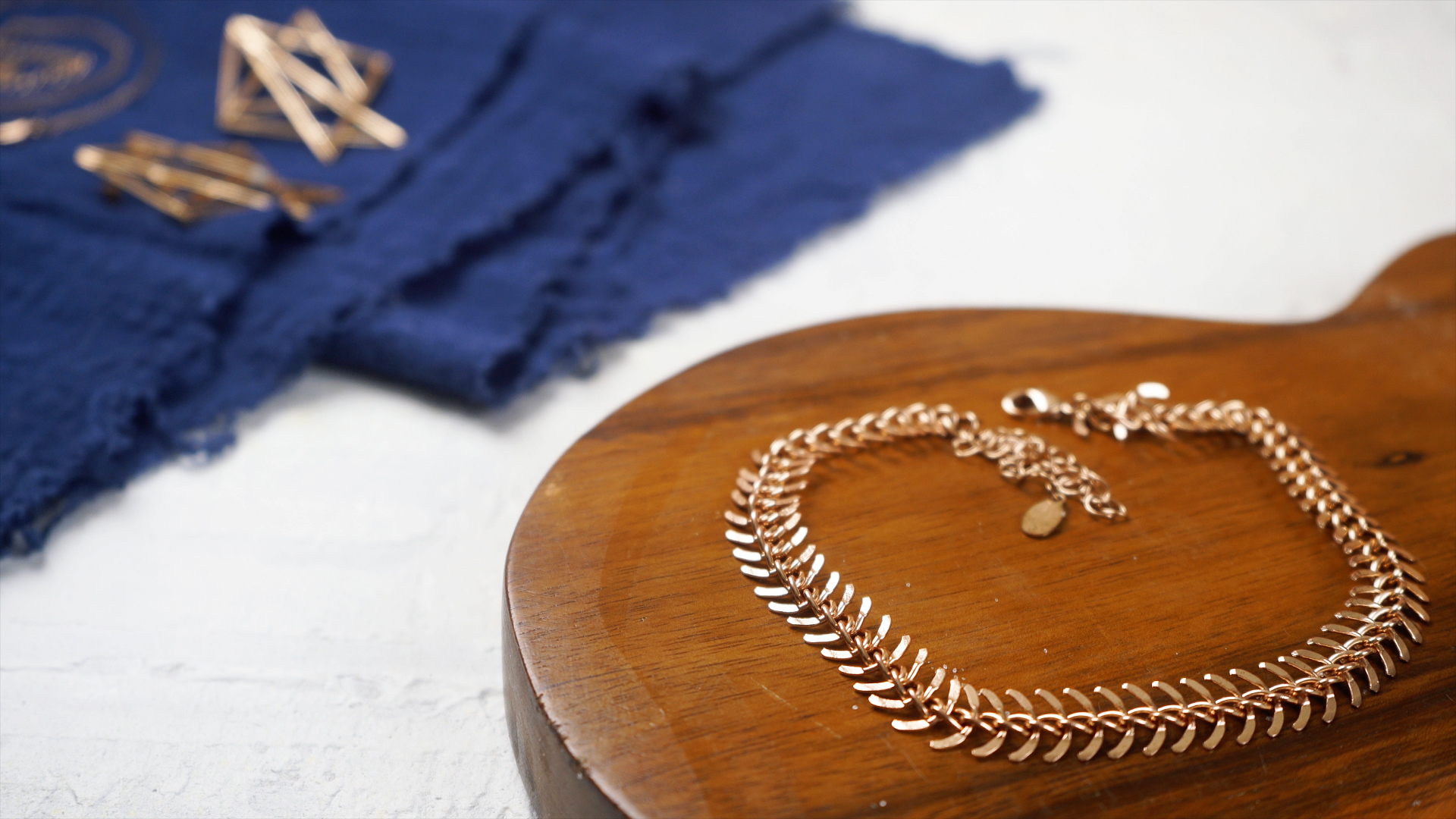
Copper jewelry has a personality. One day it glows like a tiny sunset on your wrist; the next, it looks like it spent the weekend hiding in a pirate chest. That warm reddish shine is exactly why copper bracelets, rings, earrings, pendants, and handmade wire jewelry are so loved. But copper naturally reacts with air, moisture, skin oils, lotions, perfume, and sweat. The result is tarnish, dullness, dark spots, or sometimes that famous green mark on skin that makes people wonder if their bracelet has secretly joined a science club.
The good news is simple: learning how to clean copper jewelry is easy, affordable, and usually does not require anything fancier than mild soap, lemon juice, baking soda, vinegar, salt, a soft cloth, and a little patience. The even better news? Copper is forgiving. With the right cleaning method, you can restore shine without scrubbing your favorite cuff into a tragic metal pancake.
This guide explains how to clean copper jewelry in 13 practical steps, including gentle everyday cleaning, natural tarnish removal, polishing, drying, storage, and safety tips for copper pieces with gemstones, lacquer, patina, or delicate details.
Why Copper Jewelry Tarnishes
Copper tarnish is not dirt in the usual sense. It is a surface reaction. When copper is exposed to oxygen, moisture, carbon dioxide, sulfur compounds, skin oils, cosmetics, and sweat, the surface can darken, brown, blacken, or develop a green-blue patina. On architectural copper, that patina can be protective and beautiful. On your favorite copper ring, however, it may look less “historic monument” and more “forgotten penny under the couch.”
Copper can also leave a green stain on skin. This happens when copper compounds form from contact with sweat, lotions, or acids on the skin. It is usually harmless and washes off with soap and water, but it can be annoying. Cleaning the jewelry regularly and keeping it dry can help reduce this effect.
Before You Start: Check the Jewelry First
Not every copper piece should be cleaned the same way. A plain solid copper bracelet can usually handle a natural cleaning paste. A copper necklace with pearls, turquoise, opal, coral, glued stones, enamel, or antique details needs much gentler care. Acidic ingredients like lemon juice and vinegar may brighten bare copper, but they can damage porous stones, soften adhesives, dull finishes, or strip intentional patina.
Before using any cleaning method, inspect your jewelry. Look for gemstones, coatings, lacquer, delicate wire wrapping, glued parts, darkened decorative grooves, or maker-applied finishes. When in doubt, use mild dish soap and warm water only, or ask a professional jeweler.
Supplies You May Need
- Mild dish soap
- Warm water
- Soft microfiber cloths
- Soft-bristled toothbrush
- Baking soda
- Lemon juice
- White vinegar
- Table salt
- All-purpose flour
- Ketchup, optional for stubborn tarnish
- Small bowl
- Cotton swabs
- Anti-tarnish pouch or soft jewelry bag
How to Clean Copper Jewelry: 13 Steps
Step 1: Identify Whether the Copper Is Bare, Lacquered, or Plated
Start by figuring out what type of copper jewelry you own. Bare copper develops tarnish naturally and can usually be polished. Lacquered copper has a protective coating that slows tarnish, so harsh scrubbing or acidic cleaners may remove or cloud the finish. Copper-plated jewelry has only a thin copper layer over another metal, which means abrasive cleaning can wear through the surface.
If the piece looks glossy and does not tarnish much, it may be lacquered. If copper color appears only on the outside edges or has worn away in spots, it may be plated. For lacquered or plated pieces, choose the gentlest method: soap, water, and a soft cloth.
Step 2: Remove Dust and Surface Oils
Wipe the jewelry with a clean, dry microfiber cloth before adding water or cleaner. This removes loose dust, skin oils, and lint. It also helps you see which areas are truly tarnished and which are just smudged. Think of this step as giving your jewelry a polite handshake before asking it to shine again.
Step 3: Wash with Mild Soap and Warm Water
For routine cleaning, mix a few drops of mild dish soap into a bowl of warm water. Dip a soft cloth into the solution and gently wipe the copper. For chains, textured cuffs, and wire-wrapped pieces, use a soft toothbrush to reach small grooves. Avoid soaking jewelry that has glued stones, porous gems, leather, wood, fabric, or pearls.
This method is ideal for jewelry that is only slightly dull or dirty. It removes everyday grime without attacking the metal. If your copper jewelry is not badly tarnished, this may be all you need.
Step 4: Rinse Carefully
Rinse the jewelry in a bowl of clean water instead of directly under the faucet. This reduces the chance of losing a small earring, charm, or ring down the drain. If you do rinse at the sink, close the drain first. Copper jewelry may be charming, but it is not worth a plumbing adventure.
Step 5: Dry Immediately and Completely
Dry copper jewelry right away with a soft, lint-free cloth. Moisture encourages tarnish, so do not let copper air-dry in a puddle on the counter. Pay special attention to clasps, chain links, stamped designs, and the back of rings where water can hide. If needed, use a cotton swab to dry small details.
Step 6: Make a Baking Soda Paste for Light Tarnish
If soap and water are not enough, make a simple paste with baking soda and a small amount of water. The texture should be spreadable, like thick frosting. Apply the paste with your fingers, a soft cloth, or a soft toothbrush. Rub gently in circular motions, then rinse and dry thoroughly.
Baking soda is mildly abrasive, so use a light touch. It can help remove dullness from solid copper, but it may scratch soft stones or delicate finishes. Do not use this paste on pearls, opals, turquoise, malachite, coral, or jewelry with fragile coatings.
Step 7: Try Lemon Juice and Salt for Brighter Copper
For bare copper jewelry with visible tarnish, lemon juice and salt can work quickly. Sprinkle a small amount of salt into lemon juice, dip a soft cloth into the mixture, and rub the copper gently. You can also dip half a lemon in salt and use it on larger solid copper pieces, such as cuffs or wide bangles.
Do not let acidic mixtures sit too long. Clean a small section, check the shine, then rinse well. Lemon juice can brighten copper beautifully, but it should not be used on sensitive gemstones, lacquered pieces, or antique jewelry unless you are sure the finish can handle it.
Step 8: Use Vinegar, Salt, and Flour for Stubborn Tarnish
Another popular copper cleaning method uses white vinegar, salt, and flour. Mix one tablespoon of salt with enough vinegar to dissolve it, then add flour until you create a paste. Spread the paste over tarnished copper and let it sit for 5 to 15 minutes. Rub gently, rinse completely, and dry with a soft cloth.
This method is useful for heavily tarnished solid copper jewelry. The vinegar helps dissolve tarnish, the salt boosts cleaning power, and the flour thickens the mixture so it stays where you put it. However, this is not the right choice for jewelry with stones, plating, lacquer, or intentionally dark patina.
Step 9: Use Ketchup Only When You Need a Backup Plan
Ketchup sounds like a cleaning prank, but it can work on copper because tomatoes and vinegar contain acids, and many ketchup formulas include salt. Apply a thin layer to bare copper, let it sit for a few minutes, rub gently, then rinse extremely well. Use a soft toothbrush to remove residue from crevices.
Ketchup can be surprisingly effective, but it is messy and not ideal for detailed jewelry. If you use it, do not leave it on too long. Nobody wants a necklace that smells like a hot dog cart.
Step 10: Clean Crevices with a Soft Toothbrush or Cotton Swab
Copper jewelry often has stamped patterns, wire spirals, hammered textures, chain links, and tiny corners where tarnish likes to camp out. Use a soft toothbrush or cotton swab to clean these areas. Avoid hard brushes, steel wool, rough pads, and aggressive scrubbing unless you intentionally want to alter the finish.
For delicate handmade jewelry, clean slowly. Support thin wires or fragile parts with your fingers while brushing so you do not bend the design.
Step 11: Rinse Until Every Cleaner Is Gone
Whether you use soap, baking soda, lemon, vinegar, or ketchup, rinsing matters. Leftover acidic cleaner can continue reacting with copper. Leftover baking soda can dry into white residue. Leftover ketchup is, well, ketchup. Rinse the jewelry in clean warm water and inspect small details carefully.
If the piece has stones or glued decorations, use a damp cloth instead of full rinsing. Then wipe again with a clean damp cloth to remove any remaining cleaner.
Step 12: Buff the Copper to Restore Shine
Once the jewelry is clean and dry, buff it with a microfiber cloth or jewelry polishing cloth made for copper. Use small circular movements and gentle pressure. Buffing brings back the glow and removes final streaks. This is the step where your copper jewelry starts acting dramaticin a good way.
If you like a warm antique look, do not over-polish darkened grooves. Many copper pieces are designed with intentional patina that adds depth and character. Clean the high points and leave the dark recesses alone for contrast.
Step 13: Store Copper Jewelry the Right Way
After cleaning, store copper jewelry in a dry place. Use a soft pouch, anti-tarnish bag, lined jewelry box, or small sealed plastic bag with a tarnish-resistant strip. Keep copper away from humidity, direct sunlight, perfume, hairspray, lotion, chlorine, and bathroom steam.
For best results, wipe copper jewelry after wearing it. This removes sweat and oils before they speed up tarnish. Put jewelry on after applying lotion, sunscreen, perfume, and hair products. Copper may be tough, but it does not enjoy being marinated in body spray.
How Often Should You Clean Copper Jewelry?
For frequently worn copper jewelry, wipe it with a soft cloth after each use and wash it gently every few weeks. Deep cleaning can be done when tarnish becomes noticeable. If you wear copper bracelets daily, especially in hot or humid weather, you may need to clean them more often.
Jewelry stored properly may only need occasional polishing. Jewelry left in a bathroom, gym bag, or sunny windowsill will tarnish faster. Copper is honest that wayit tells on your storage habits.
What Not to Use on Copper Jewelry
- Toothpaste: It can be too abrasive and may scratch metal or stones.
- Bleach: It is too harsh and can damage metal finishes.
- Ammonia-based cleaners: These can harm certain stones and finishes.
- Steel wool: It can scratch copper and remove plating or lacquer.
- Ultrasonic cleaners: Avoid them for copper jewelry with soft, porous, treated, glued, or delicate gemstones.
- Long soaking: This can loosen adhesives and affect stones, coatings, or mixed materials.
How to Keep Copper Jewelry from Turning Skin Green
Clean copper regularly, dry it well, and avoid wearing it while swimming, exercising, showering, or applying lotion. You can also apply a jewelry-safe protective coating to the inside of a ring or bracelet, but test carefully and follow product directions. Some people use clear nail polish as a temporary barrier, but it can chip and may not be ideal for valuable or artisan pieces.
If copper stains your skin, wash the area with soap and water. The green mark is usually a surface stain, not a sign that your jewelry is “bad.” It simply means copper is reacting with moisture and skin chemistry.
Special Care for Copper Jewelry with Gemstones
If your copper jewelry includes gemstones, choose the cleaning method based on the most delicate materialnot the copper. Pearls, opals, turquoise, coral, amber, malachite, lapis lazuli, and other porous or soft stones should be cleaned with extra caution. Avoid vinegar, lemon juice, salt scrubs, baking soda paste, commercial dips, and ultrasonic machines unless a jeweler confirms they are safe.
Use a barely damp cloth with mild soapy water around the copper areas, then wipe with a clean damp cloth and dry immediately. For sentimental, antique, or expensive pieces, professional cleaning is the safest route.
Real-Life Experiences: What Cleaning Copper Jewelry Actually Feels Like
The first time many people clean copper jewelry, they expect a dramatic before-and-after momentand honestly, copper often delivers. A dull bracelet can go from sleepy brown to warm rose-gold glow in a few minutes. But the experience also teaches one important lesson: gentle cleaning beats aggressive scrubbing almost every time.
For example, a plain copper cuff worn during summer may collect sweat, sunscreen, and dust. Soap and warm water usually remove the sticky feeling, but the deeper brown tarnish may remain. A small amount of lemon juice and salt on a soft cloth can brighten the high points quickly. The trick is to stop once the jewelry looks refreshed. If you keep rubbing like you are trying to erase a bad life decision, you may remove the soft aged character that made the piece attractive in the first place.
Wire-wrapped copper pendants are a different story. These pieces often have tiny curls, woven areas, and stones. A toothbrush helps, but pressure matters. Support the wire while cleaning so it does not bend. If the pendant has turquoise or another porous stone, skip acidic cleaners entirely. In this case, mild soap, a damp cloth, and careful drying are safer than chasing maximum shine.
Copper rings can be the most high-maintenance because they touch skin constantly. They collect hand soap, lotion, sanitizer residue, and sweat. A ring may also leave green marks more often than a pendant or earrings. Wiping the inside of the ring after each wear makes a big difference. If the inside becomes rough or dark, clean it with mild soap first, then polish lightly. A protective coating can help, but it needs occasional reapplication.
One surprisingly common mistake is cleaning copper beautifully and then storing it badly. A polished bracelet placed on a bathroom shelf may tarnish again quickly because bathrooms are humid. A better habit is to dry the jewelry completely, wrap it in a soft cloth, and store it in a small pouch or sealed bag. That tiny storage upgrade can stretch the shine from days to weeks.
Another lesson: not every copper piece should look brand-new. Some handmade jewelry is designed with dark patina in the grooves to highlight texture. If you polish every shadow away, the piece may lose depth. A smart approach is to clean the raised areas and leave the darker details alone. That way, the jewelry looks cared for, not over-edited.
Cleaning copper jewelry is part maintenance, part chemistry, and part personal taste. Some people love a mirror-like shine. Others prefer the mellow look of aged copper. Either way, the best routine is simple: wipe after wearing, clean gently when dull, dry thoroughly, and store carefully. Copper rewards consistency. Treat it well, and it will keep glowing like it has a tiny sunset trapped inside.
Conclusion
Cleaning copper jewelry does not have to be complicated. Start with the gentlest option: a soft cloth, mild soap, warm water, careful rinsing, and complete drying. For plain solid copper with heavier tarnish, natural cleaners like baking soda paste, lemon and salt, vinegar with flour and salt, or even ketchup can restore shine. The key is to match the method to the jewelry. Bare copper can handle more cleaning power; lacquered, plated, antique, gemstone-set, or delicate pieces need a softer approach.
With regular care, copper jewelry can stay bright, warm, and beautiful for years. And if it tarnishes again? That is not failure. That is copper being copperdramatic, reactive, and still very lovable.
Note: For valuable, antique, plated, lacquered, or gemstone-set copper jewelry, test any cleaner on a hidden area first or consult a professional jeweler before using acidic or abrasive methods.