Engagement season is supposed to be full of cake tastings, seating charts, awkward speeches, and at least one relative who suddenly believes they are an event planner because they once watched a wedding episode on TV. What it is not supposed to include is a secret plan to track a fiancée’s phone.
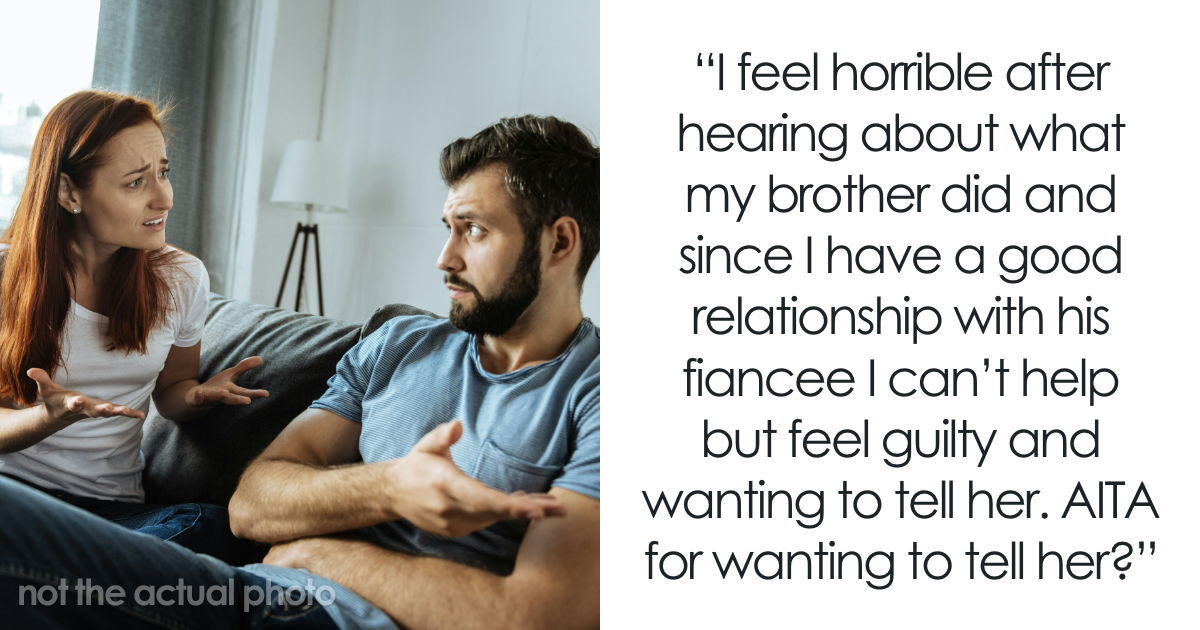
Yet that is the uncomfortable center of a viral relationship dilemma: a woman discovered that her brother wanted to track his fiancée, and instead of quietly filing the information under “none of my business,” she exposed the plan. The result? Family fallout, accusations of betrayal, and one very large question hovering over the whole mess like a storm cloud wearing a bridesmaid dress: when loyalty to family conflicts with another person’s privacy and safety, what is the right thing to do?
This story has struck a nerve because it sits at the intersection of modern relationships, digital privacy, family loyalty, and control. In an age when location sharing can be helpful, romantic, or convenient, it can also become invasive, coercive, and frightening when it happens without consent. A phone is not just a phone anymore. It is a diary, bank, map, camera roll, calendar, inbox, and tiny rectangular witness to a person’s life. Secretly tracking it is not “being protective.” It is a breach of trust wearing a fake mustache.
The Viral Dilemma: A Brother, A Fiancée, And A Tracking Plan
The basic situation is simple but emotionally explosive. A woman learned that her brother had either installed, planned to install, or sought help installing a tracking app on his fiancée’s phone. The fiancée reportedly did not know about it. The woman then faced a moral choice: protect her brother’s secret or warn the person whose privacy was being violated.
She chose to expose the plan. Predictably, the family did not all gather around to applaud her commitment to ethics while tossing confetti. Instead, some relatives treated her as the problem. They focused on the relationship damage, the embarrassment, and the wedding drama rather than the original act: a man trying to monitor his future wife without her informed consent.
That reaction is what makes the story bigger than a single family argument. Many people recognize the pattern. Someone does something controlling, another person tells the truth, and suddenly the truth-teller is blamed for “ruining everything.” But a relationship is not ruined by exposure. It is damaged by the behavior that needed exposing.
Why Secret Tracking Is Not A Romantic Gesture
There is a huge difference between consensual location sharing and secret surveillance. Couples may choose to share locations for practical reasons: safety on late-night rides, coordinating school pickups, finding each other at a crowded concert, or confirming that someone is still wandering around the grocery store pretending not to see the texts about oat milk.
Consent changes the entire equation. When both partners know what is being shared, how it works, and how to stop it, location sharing can be a mutual tool. When one person secretly monitors the other, it becomes control.
Secret tracking sends a message: “I do not trust you, and I believe I am entitled to watch you anyway.” That is not trust. That is a surveillance subscription with emotional baggage.
Healthy Transparency Requires Choice
In healthy relationships, transparency is discussed. Privacy is respected. Boundaries are not treated like suspicious behavior. A partner can say, “I would like us to share locations when traveling,” and the other person can say yes, no, or “only during certain situations.” That is a conversation. Secretly placing tracking software on a phone is not a conversation. It is a decision made behind someone’s back.
Trust does not grow because someone has access to another person’s every movement. In fact, surveillance often creates the opposite effect. It communicates insecurity, suspicion, and entitlement. The watched partner may feel less like an equal and more like a defendant in a relationship courtroom where the Wi-Fi password is Exhibit A.
Digital Abuse: When Technology Becomes A Tool Of Control
Digital abuse can include monitoring someone’s location, checking messages without permission, demanding passwords, controlling social media, installing spyware, or using smart devices to intimidate or track. These behaviors are especially concerning in romantic relationships because they can become part of a broader pattern of coercive control.
Technology itself is neutral. A location app can help a parent find a lost teenager, help friends meet up, or help someone locate a missing phone. The problem begins when technology is used to remove another person’s autonomy. A hammer can build a bookshelf; it can also smash a window. The tool is not the relationship counselor here.
Stalkerware and hidden tracking tools are particularly dangerous because they can operate quietly. Some apps may monitor location, messages, call logs, photos, browser activity, or other private information. Even physical trackers, such as Bluetooth tags, can be misused when hidden in cars, bags, or personal items.
“But He Was Just Worried” Is Not A Free Pass
One common defense in stories like this is that the person doing the tracking was “just worried.” But worry does not cancel consent. If someone is anxious in a relationship, they can talk about it, seek counseling, examine their jealousy, or decide the relationship is not working. What they cannot ethically do is turn their partner’s phone into a private surveillance device.
Fear of being cheated on, abandoned, or lied to may explain why someone is tempted to monitor a partner. It does not justify it. Emotional insecurity is real, but it is not a license to invade privacy. Otherwise every anxious person would get a detective badge at the courthouse, and society would collapse before lunch.
The Family Fallout: Why People Blame The Whistleblower
The most painful part of this story may not be the tracking plan itself, but the family’s reaction. When relatives blame the woman for exposing her brother, they are essentially saying that family loyalty matters more than the fiancée’s right to know. That is a dangerous standard.
Families sometimes protect the person closest to them because it is emotionally easier. Admitting that a loved one behaved badly is uncomfortable. It can threaten the family’s image of itself: “We are good people. Our son would never do that. Our brother is just stressed. The wedding pressure got to him.” Denial puts on a nice jacket and calls itself loyalty.
But real loyalty should not mean helping someone hide harmful behavior. Sometimes the most loving thing a family member can do is refuse to normalize misconduct. That does not mean humiliating someone for sport. It means telling the truth when silence would make another person unsafe or uninformed.
Who Actually Caused The Damage?
The woman did not create the privacy violation. She revealed it. The brother’s own choice created the relationship crisis. If a house catches fire because someone left a candle burning on a curtain, the person who yells “fire” is not the villain. They are the reason people can get out before the living room becomes a barbecue pit.
Similarly, the fiancée deserved the chance to make an informed decision before marriage. A wedding is not just a party with flowers. It is a legal, emotional, and financial commitment. If a future spouse is secretly monitoring someone before the vows, that information matters.
Privacy In Relationships: What Counts As Reasonable?
Romantic partners often blend their lives. They may share passwords for streaming accounts, bank goals, calendars, family group chats, grocery lists, and the sacred question of who last used the good charger. But closeness does not eliminate privacy.
Reasonable privacy means each person still has personal space, private thoughts, confidential conversations, and control over their own devices. It does not mean hiding betrayal. It means being treated as an adult.
Healthy couples can ask each other direct questions. They can discuss fears. They can negotiate boundaries around phones, social media, past relationships, and location sharing. The key words are “discuss” and “negotiate.” Secret tracking skips both and jumps straight to control.
Green Flags For Digital Boundaries
A healthy partner does not demand access as proof of love. They respect “no.” They do not punish someone for wanting privacy. They do not treat phone locks as suspicious. They ask before sharing photos, posting private details, or enabling location features. They understand that trust is built through behavior, not surveillance.
In contrast, red flags include demands for passwords, surprise phone checks, accusations based on location data, pressure to keep location sharing on at all times, or anger when a partner wants digital space. The phrase “if you have nothing to hide, you should let me track you” may sound logical to some people, but it is actually a control tactic in a trench coat.
What The Fiancée Needed Most: Information And Choice
The fiancée in this story needed the truth. Not because every relationship mistake must instantly end a wedding, but because consent requires knowledge. She could not evaluate the relationship honestly while a major breach was hidden from her.
Once informed, she could choose what to do next. She might confront him, seek advice, pause the wedding, check her devices, speak with a counselor, or end the relationship. The point is that the choice belonged to her. Keeping the secret would have protected the brother’s comfort at the expense of her autonomy.
That is why so many people sided with the woman who exposed the plan. She did not meddle in a minor argument about centerpiece colors. She intervened in a privacy violation with potential safety implications. That is not nosiness. That is having a spine with Wi-Fi.
Practical Lessons From This Story
1. Consent Must Be Clear
Location sharing should always be voluntary, visible, and reversible. If someone cannot easily say no or turn it off without punishment, it is not healthy consent.
2. Family Loyalty Has Limits
Protecting family does not mean covering up behavior that harms another person. Sometimes accountability is the only form of loyalty that helps someone grow.
3. Digital Privacy Is Relationship Privacy
Phones now contain deeply personal information. Violating a phone is not like peeking at a sticky note on the fridge. It can expose messages, health details, finances, work information, photos, and location history.
4. Red Flags Before Marriage Matter
Engagement is a time to evaluate compatibility, values, conflict style, and trust. Secret surveillance before marriage is not a tiny crack in the foundation. It is the foundation sending smoke signals.
5. The Truth-Teller Is Not The Villain
When someone exposes harmful behavior, families may panic and blame the messenger. But accountability belongs to the person who crossed the line.
What Someone Should Do If They Suspect Secret Tracking
If someone believes they are being tracked, safety comes first. It may not always be wise to immediately delete an app or confront the person responsible, especially if there is a risk of escalation. A safer approach may include using a trusted device to contact a domestic violence advocate, documenting suspicious signs, reviewing app permissions, checking location-sharing settings, and seeking professional help from a tech-safety resource.
Common warning signs can include unexpected battery drain, unfamiliar apps, unusual data usage, a partner knowing information they should not know, strange alerts about tracking devices, or pressure to keep a phone accessible. None of these signs automatically prove surveillance, but they are worth taking seriously.
For people in immediate danger, contacting emergency services or a local support organization is more important than trying to become a part-time cybersecurity expert. The goal is not to win a spy movie. The goal is to be safe.
Why This Story Resonates So Strongly
This story feels personal because many people have experienced a softer version of the same issue. Maybe a partner wanted passwords. Maybe an ex kept checking social media activity. Maybe someone framed jealousy as love. Maybe a family member said, “Don’t make trouble,” when trouble was already sitting at the table eating potato salad.
The woman’s choice forced everyone involved to confront an uncomfortable truth: privacy is not a luxury in relationships. It is part of dignity. Without it, love can slide into ownership. And once ownership enters the chat, trust usually leaves quietly through the side door.
Her decision may have caused a family rift, but silence would have caused a deeper harm. The fiancée had a right to know. The brother had a responsibility to explain himself. The family had an opportunity to support accountability instead of damage control.
Experience-Based Reflections: When Speaking Up Costs You
Many people who have been in similar situations say the hardest part is not identifying the wrongdoing. It is surviving the reaction after speaking up. In families, friend groups, and workplaces, people often prefer peace over truth. The person who breaks the silence can suddenly become “dramatic,” “disloyal,” or “too involved.” It is an old script, and unfortunately, it still gets reruns.
Imagine discovering that your sibling plans to secretly track their partner. Your first instinct might be disbelief. Then comes the negotiation with yourself: maybe there is an explanation; maybe it is not as bad as it sounds; maybe telling will destroy the engagement; maybe everyone will blame you. That internal debate can be exhausting because it pits comfort against conscience.
People who choose to speak up often describe feeling isolated afterward. Relatives may stop calling. Parents may pressure them to apologize. The person who committed the privacy violation may accuse them of betrayal. Suddenly, the focus shifts from “Why did he want to track her?” to “Why did you tell?” That shift is emotionally manipulative, even when relatives do it without realizing it.
There is also grief involved. Speaking up can change how you see people you love. The brother is no longer just the goofy sibling who stole fries from your plate. He is someone capable of violating a partner’s privacy. The boyfriend, cousin, parent, or friend who defends him may no longer feel as safe or principled as before. That kind of realization hurts. It is not just drama; it is a rearranging of trust.
At the same time, many people later feel relief that they acted. The fallout may be loud, but silence can be louder inside your own head. Knowing that someone walked toward marriage with hidden information can become a heavy burden. Telling the truth gives the affected person a choice, and choice is the thing surveillance tries to steal.
One practical lesson from experiences like this is to document what you know before confrontation, especially when digital privacy is involved. Write down dates, conversations, screenshots if safely available, and who said what. This is not about creating a family courtroom for Thanksgiving. It is about protecting clarity when people later deny, minimize, or rewrite events.
Another lesson is to avoid debating with people who only want you to restore the old illusion. Some relatives may not be ready to admit that the real issue is control. You can say, calmly, “I told her because she had a right to know about a plan to track her without consent.” Then stop. You do not need a 47-slide presentation titled “Privacy Is Good, Actually.”
Finally, it is important to take care of your own digital safety. If someone close to you casually supports tracking another person, it is reasonable to review your own devices, passwords, shared accounts, and location settings. That is not paranoia. That is learning from the plot twist before it becomes a sequel.
The woman in this story may be dealing with family fallout, but her decision reflects a principle worth keeping: love should not require surveillance, and loyalty should not require silence. A person who tells the truth about hidden tracking is not destroying trust. They are pointing to where trust was already broken.
Conclusion
The story of a woman exposing her brother’s plan to track his fiancée is more than a viral family drama. It is a modern warning about privacy, consent, and the misuse of technology in relationships. Secret tracking is not protection. It is not romance. It is not a quirky pre-wedding misunderstanding. It is a serious violation of autonomy and trust.
Families may pressure truth-tellers to stay quiet because silence feels easier in the moment. But silence can protect the wrong person. The fiancée deserved to know what was happening before making a lifelong commitment. The brother deserved accountability. And the woman who spoke up deserves recognition for choosing ethics over convenience.
In healthy relationships, love does not need a hidden app, a secret tracker, or a surveillance plan. It needs honesty, boundaries, respect, and the courage to have uncomfortable conversations. If trust has to be forced through technology, it is not trust. It is control with notifications turned on.