Your car has a lot of important parts, but its fluids are the overworked backstage crew making the whole show possible. Engine oil keeps metal parts from auditioning for a fire-starting contest. Coolant stops your engine from becoming a toaster oven. Brake fluid helps your car stop when your foot says, “Absolutely not.” Transmission fluid keeps gear changes from feeling like a bar fight. In other words, fluids matter more than most drivers realize.
And yet, many people treat fluid checks like flossing: they know they should do it, they mean to do it, and suddenly six months have passed. That is exactly why testing your car’s fluids is so important. It helps you catch leaks early, spot contamination before it turns expensive, protect key systems from wear, and reduce the odds of a breakdown at the worst possible moment. Because cars have a strange sense of humor, and “the worst possible moment” is usually somewhere between “late for work” and “on a family road trip with no shoulder in sight.”
If you want your vehicle to last longer, run better, and complain less, regular fluid testing belongs on your car maintenance checklist. Not just checking levels, either. Real fluid testing means looking at condition, color, smell, contamination, and in some cases using test strips or having a shop check moisture content or protective strength. Think of it as a quick physical exam for the mechanical organs under your hood.
What “Testing” Car Fluids Actually Means
When most people hear “check your fluids,” they picture pulling a dipstick, nodding wisely, and closing the hood like a seasoned mechanic in a truck commercial. That is only part of the story. Testing your car’s fluids means paying attention to two big things: quantity and quality.
Level Matters
Low fluid is the obvious problem. Not enough engine oil can accelerate wear. Low coolant can push temperatures into the danger zone. Low brake fluid may signal worn components or a leak. Low transmission fluid can lead to overheating, slipping, delayed shifts, and long-term damage. Even windshield washer fluid matters more than drivers admit, especially when a truck splashes your windshield with a muddy masterpiece at highway speed.
Condition Matters Too
This is where the “test” part gets interesting. Fluids age. They absorb moisture, collect debris, lose additives, oxidize, darken, burn, and sometimes mix with things they absolutely should not be dating. Oil can turn sludgy. Coolant can become rusty or contaminated. Brake fluid can absorb moisture over time, lowering performance and increasing corrosion risk. Transmission fluid can smell burned or look dark instead of clean and healthy.
So yes, a full reservoir is good. A full reservoir of old, contaminated, wrong-spec fluid is not the win it appears to be.
Why You Should Test Your Car’s Fluids Regularly
1. Fluids Prevent Catastrophic Wear
Fluids are not optional accessories. They are protective working materials. Engine oil lubricates moving components, helps carry away heat, and traps contaminants until the filter can do its job. Coolant helps regulate engine temperature and protects against corrosion inside the cooling system. Transmission fluid handles lubrication, hydraulic pressure, and heat management. Without the proper fluid in proper condition, the systems they protect wear out faster and fail sooner.
This is one of the biggest reasons to test your car’s fluids before they become visibly “bad.” Damage often starts long before a dashboard warning light finally wakes up and joins the conversation.
2. Fluid Problems Often Start Small and Get Expensive Fast
A tiny seep from a hose or gasket may not look dramatic. You might only notice a faint smell, a few drops on the driveway, or a reservoir level that keeps drifting down. But small fluid issues have a talent for becoming large repair bills. A slow coolant leak can become overheating. Low oil can turn into accelerated internal engine wear. A brake fluid problem can compromise stopping performance. A transmission that runs low on fluid rarely sends a thank-you card.
Testing helps you notice patterns. If a fluid keeps dropping, that is a clue. If a fluid changes color quickly, that is a clue. If everything looks normal month after month, that is useful information too. Car care is often less about dramatic heroics and more about quiet pattern recognition.
3. Brake and Steering Performance Depend on Healthy Fluid
Some fluids affect comfort. Others affect safety. Brake fluid lives firmly in the second category. If it becomes contaminated or moisture-laden, braking performance can suffer. If the level drops unusually low, there may be a leak or another mechanical issue that needs immediate attention. Hydraulic power steering fluid, in vehicles that use it, also plays a major role in how the car responds. When steering suddenly feels noisy, stiff, or inconsistent, fluid condition and level deserve a look.
Put simply: a neglected fluid issue can turn an ordinary drive into a white-knuckle experience. That is not the kind of excitement most people are shopping for.
4. Testing Fluids Helps You Avoid Unnecessary Service
Here is a smart twist: testing your fluids does not just tell you when service is needed. It can also tell you when it is not needed. That matters because some shops still love to sell generic flushes like they are meal combos. But fluid replacement intervals vary by vehicle, driving conditions, and manufacturer recommendations. The owner’s manual should be your main referee.
A good fluid maintenance routine protects you from two costly mistakes: waiting too long and replacing fluids too often just because a sticker, a sales pitch, or a dramatic waiting-room poster told you to panic.
5. It Helps Your Vehicle Last Longer and Sell Better
Drivers who stay on top of fluid maintenance tend to enjoy better long-term reliability. That matters whether you plan to keep your car until it qualifies for historical preservation or sell it later. A well-maintained car usually drives better, inspires more confidence, and looks better on maintenance records. Buyers love proof that the previous owner did more than just refill gas and hope for the best.
The Main Fluids You Should Test
Engine Oil
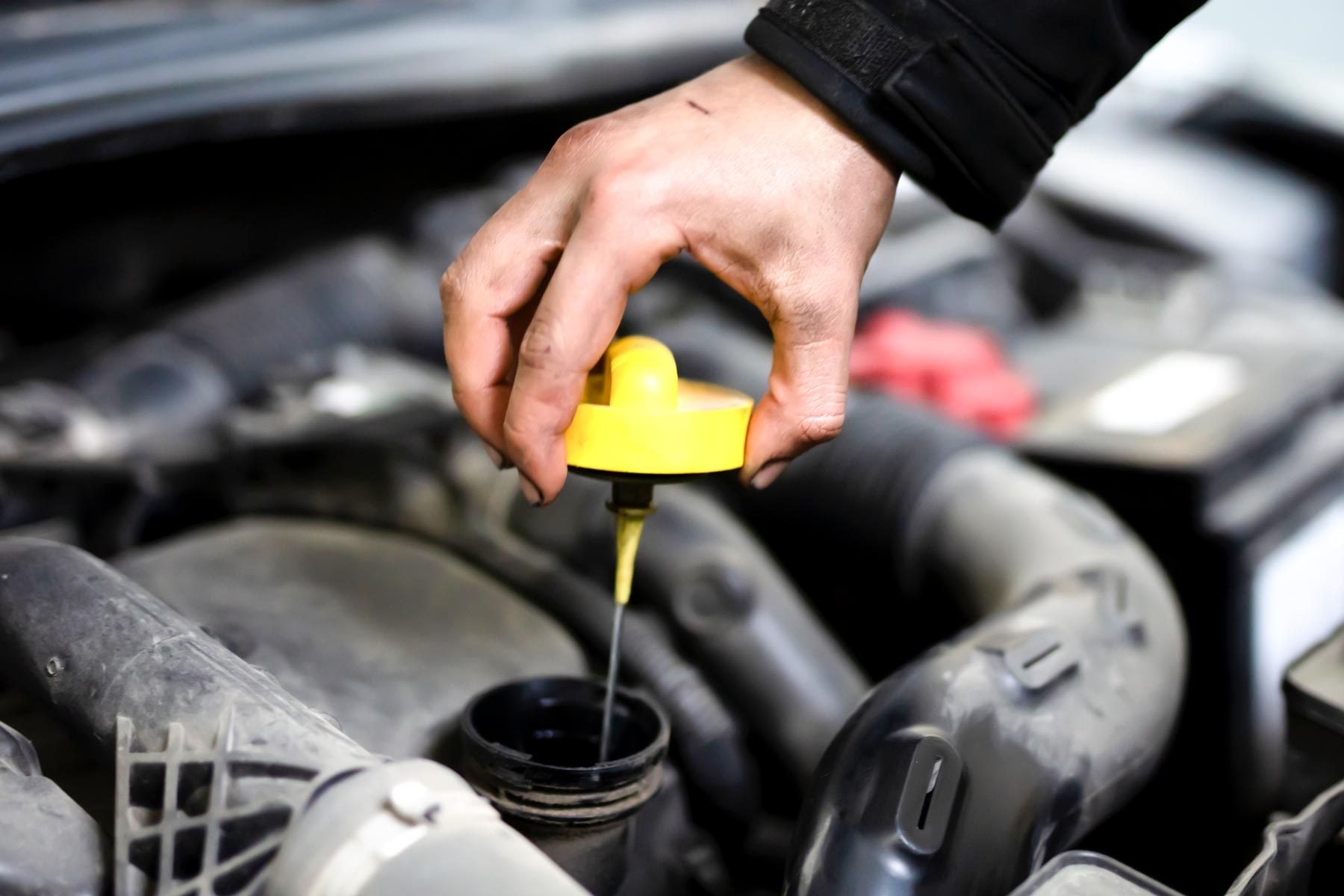
If your car could choose one fluid to be dramatic about, it would probably be engine oil. Oil is essential, and neglecting it is one of the fastest ways to shorten engine life. Check both level and condition. Healthy oil is not immortal, but it should not look gritty, milky, or excessively sludged. If it smells burned or looks contaminated, pay attention. If it is consistently low, investigate instead of just topping it off forever like a mechanical houseplant.
Coolant
Coolant does more than help with summer heat. It also protects against freezing, corrosion, and internal cooling-system damage. Test coolant only when the engine is cool. Check the level in the reservoir, inspect the appearance, and follow the manufacturer’s recommendations for testing strength or replacing old coolant. Brown, rusty, or dirty-looking coolant is a red flag. So is a sweet smell, repeated low levels, or a vehicle that runs hot in traffic.
Brake Fluid
Brake fluid is one of the most overlooked fluids and one of the most important. You are not just checking whether it is present. You are checking whether it is still healthy. Over time, brake fluid can absorb moisture, which can hurt braking performance and contribute to corrosion. Dark or murky fluid deserves attention, and a soft brake pedal should never be brushed off as “probably fine.” “Probably fine” is not the standard you want in a braking system.
Transmission Fluid
Transmission fluid helps lubricate internal components, manage heat, and support smooth shifting. In older or serviceable systems, you may be able to check it with a dipstick. In many newer vehicles, especially those with sealed transmissions, this is a job for a professional. If the fluid is dark, smells burned, or the vehicle hesitates, slips, or shifts harshly, do not ignore it. A transmission is one of the most expensive systems in the vehicle, and it prefers attention over apology.
Power Steering Fluid
Not every modern vehicle has hydraulic power steering, but if yours does, the fluid matters. Low or dirty power steering fluid can contribute to noise, stiffness, and increased wear. If the steering wheel feels heavier than usual or makes whining noises when turning, this system deserves a check.
Windshield Washer Fluid
Washer fluid is the least glamorous fluid on the list, yet it becomes a superhero during bad weather, bug season, and road salt season. You do not need a lab coat to test it. Just keep it filled with the correct washer fluid for your climate and confirm the spray actually works. Visibility is safety, not vanity.
How Often Should You Check Car Fluids?
A smart general habit is to inspect key fluids about once a month, every few gas fill-ups, and before any long road trip. That gives you enough frequency to catch problems early without turning your Saturday morning into a full-time under-hood romance.
That said, your owner’s manual is the real boss here. Some fluids need routine inspection but not frequent replacement. Some require condition testing. Some should be changed based on mileage, time, or severe-service use. And some systems on newer vehicles are less DIY-friendly than older ones. The right answer is not one magic interval for every car. The right answer is regular checks paired with manufacturer guidance.
Warning Signs That a Fluid Needs Attention
- Puddles or fresh drips under the vehicle
- A sweet, burnt, or chemical smell after driving
- Dashboard temperature or oil-pressure warnings
- Soft brakes or a pedal that feels unusual
- Whining while turning the steering wheel
- Delayed, rough, or slipping shifts
- Milky oil, rusty coolant, dark brake fluid, or burned-smelling transmission fluid
- Repeated need to top off the same reservoir
These signs do not all mean disaster, but they do mean “please stop ignoring me.” Cars are actually fairly generous with clues before major failure. The trick is noticing them before the clue becomes a tow truck.
DIY Testing vs. Professional Testing
Some fluid checks are simple at home. Engine oil, coolant reservoir level, brake fluid reservoir level, washer fluid, and on some cars transmission fluid are all reasonable DIY items. But not every fluid should be handled casually. Opening a hot cooling system is dangerous. Using the wrong fluid can create expensive problems. Overfilling can be just as troublesome as underfilling. And sealed transmissions or advanced cooling systems may require shop-level procedures.
Professional testing can add another layer of useful information. A shop may test coolant protection, inspect for leaks, check brake fluid moisture, verify service intervals, and confirm whether a fluid really needs replacement. That is the sweet spot: do the simple inspections yourself, and use a trusted technician for anything the manual says is not a home game.
Real-World Experiences: What Drivers Learn the Hard Way
Talk to drivers who keep their cars a long time and you will hear a pattern. The people with the smoothest ownership stories are rarely the ones doing magical repairs in their driveway with heroic background music. They are the boringly consistent people who test their car’s fluids before trouble starts.
One driver notices the coolant reservoir has dropped just a little twice in the same month. Nothing dramatic. No steam. No warning light. But because she pays attention, she schedules an inspection and finds a small hose leak. Cheap fix, minor inconvenience, no overheated engine, no roadside meltdown in summer traffic.
Another driver keeps saying he will check his oil “this weekend.” Three weekends later, the engine starts sounding rough and the dipstick reveals a level far lower than expected. The car survives, but now oil consumption has become a bigger concern, and what could have been a quick top-off and diagnosis turns into stress, expense, and a lot of regret seasoned with self-criticism.
Then there is the classic road-trip story. A family packs snacks, chargers, pillows, and enough enthusiasm to power a small city, but nobody checks the fluids. A few hours into the drive, the temperature gauge starts climbing. The coolant was low, the system had been struggling, and now the trip includes an emergency stop in a town nobody can pronounce. Suddenly the vacation budget includes repairs and a gas-station lunch that tastes like disappointment.
Brake fluid stories are even less fun. Some drivers do not think about brake fluid until the pedal feels softer than normal. By then, moisture contamination or component wear may already be affecting performance. Catching that issue during a routine check is worlds better than discovering it in traffic, on a steep hill, or during a panic stop in the rain.
Transmission fluid creates its own genre of regret. Drivers often miss the early clues: slightly delayed engagement, rough shifting when cold, or fluid that smells a little burned. Because the vehicle still moves, they wait. And wait. Then one day the transmission decides it is done being polite. That is when “I should have checked that sooner” becomes the official slogan of the month.
On the brighter side, drivers who build a five-minute fluid check into their routine often end up spending less, stressing less, and trusting their cars more. They know what normal looks like. They catch leaks before they grow. They walk into repair shops with better questions. They avoid unnecessary services because they are not guessing. Most importantly, they reduce the chance that a tiny maintenance issue becomes a giant financial ambush.
That is the real experience behind fluid testing. It is not glamorous. Nobody throws a parade because you looked at your brake fluid reservoir. But regular checks help your car stay reliable, help your wallet survive, and help your future self avoid saying, “Well, that escalated quickly.” In the world of car ownership, that is a genuine luxury.
Final Thoughts
If you want one of the simplest ways to protect your vehicle, testing your car’s fluids is it. It is fast, inexpensive, and far more powerful than it looks. A quick monthly check can help you catch leaks, prevent wear, improve safety, avoid unnecessary service, and extend the life of major systems that cost real money to replace.
The best part is that fluid testing is not reserved for experts. Most drivers can learn the basics, follow the owner’s manual, and recognize when a fluid looks, smells, or behaves wrong. That small habit creates a huge advantage over time. Your engine, transmission, brakes, cooling system, and future bank account will all be happier for it.
So the next time you think, “I should probably check my car’s fluids,” do not put it off until next weekend, next month, or next mysterious dashboard light. Open the hood, take a look, and give your car the attention it has been politely requesting with all the patience of a saint and all the drama of a machine waiting to inconvenience you.