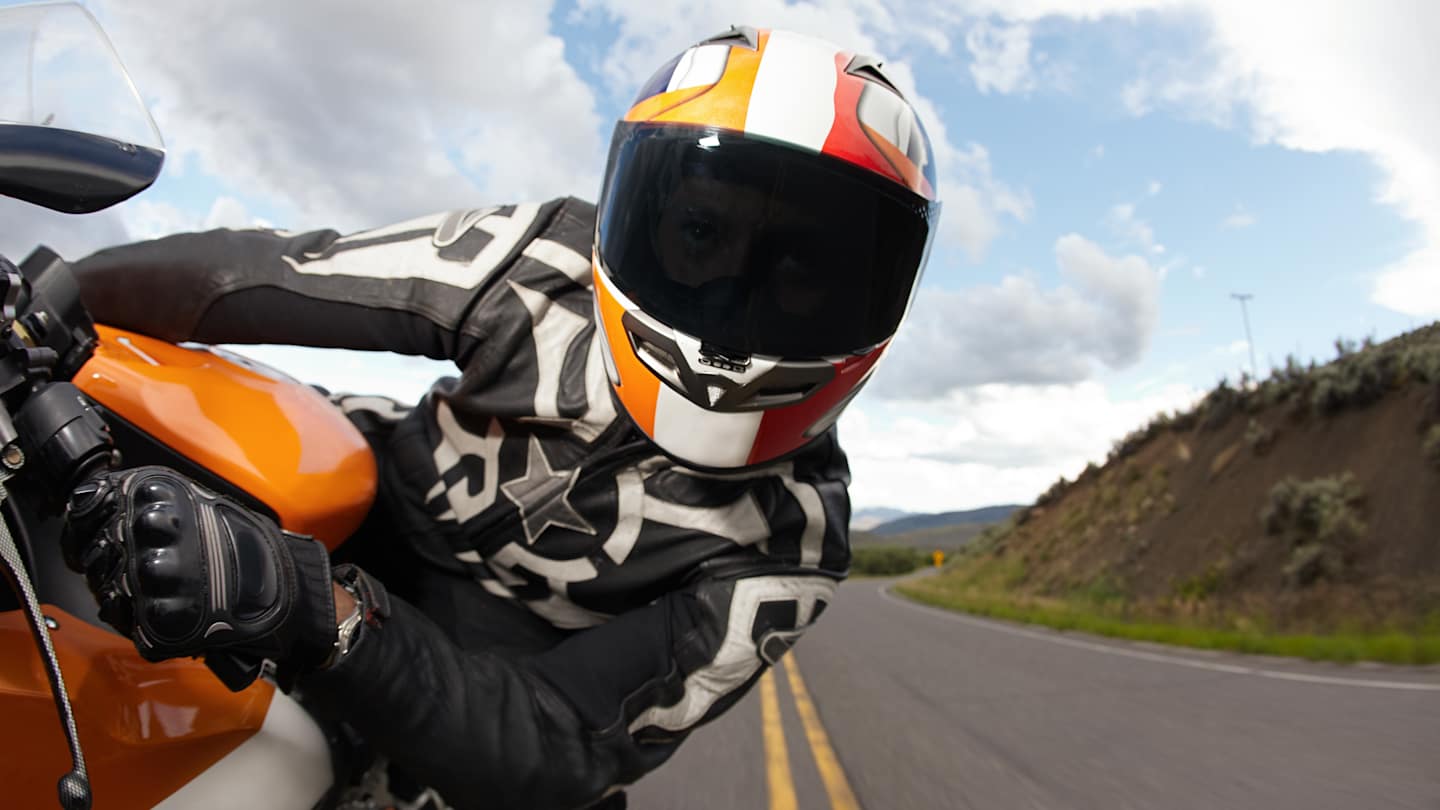
Motorcycles have freedom, speed, style, and that unmistakable “I am cooler than traffic” energy. Unfortunately, they also come with a brutal safety trade-off. On American roads, motorcycles consistently rank as the most dangerous common motor vehicle to ride when you measure risk by fatalities per mile traveled. That does not mean every ride ends badly, and it does not mean motorcycles are evil on two wheels. It means the margin for error is tiny, the exposure is huge, and the laws of physics are not known for their mercy.
If cars are rolling safety pods, motorcycles are the exact opposite. Riders do not have airbags wrapped around them, doors absorbing impact, or a steel frame acting like a bodyguard. They have balance, training, judgment, and whatever protection their gear provides. That can be enough to reduce risk, but it cannot erase the core problem: when something goes wrong on a motorcycle, the rider’s body is much more likely to pay the bill.
This is why the conversation matters. People often talk about motorcycles as dangerous in a vague, dramatic way. But the real story is more specific, and frankly more useful. Motorcycles are riskier because they combine low visibility, high vulnerability, demanding control, and roads that were mostly designed with cars in mind. Add speeding, alcohol, poor licensing, sharp curves, distracted drivers, and uneven helmet laws, and the danger level climbs fast.
So let’s skip the lazy stereotypes and get to the real reasons. Here is why motorcycles are the most dangerous mode of transportation on the road, why the numbers are so lopsided, and what those numbers actually mean in real life.
The Numbers Make the Argument for You
If you want the simplest explanation, start with the math. Motorcycles account for a small share of traffic, but a much larger share of deaths. That imbalance is the giant flashing warning sign. In other words, motorcycles punch far above their weight in fatal crashes, which is one category where nobody wants to be an overachiever.
Recent U.S. safety data shows that motorcyclists are killed at a rate that is dramatically higher than passenger car occupants when measured by vehicle miles traveled. That matters because it compares exposure more fairly than raw totals alone. A motorcycle may be on the road for fewer miles overall, but each mile carries far more danger.
That gap is not a rounding error. It is a canyon. Year after year, motorcycles remain wildly overrepresented in fatal crashes. They are a tiny slice of registered vehicles and total miles traveled, yet they make up a much bigger slice of traffic deaths. The message is hard to miss: when the same road throws a problem at a car and a motorcycle, the motorcycle is much less likely to come out okay.
Why fatality rates matter more than vibes
People sometimes defend motorcycles by saying, “But there are fewer motorcycles than cars.” True. But that actually strengthens the point. When motorcycles make up a small fraction of travel and still produce a disproportionately high share of fatalities, the vehicle itself is part of the explanation. The danger is not just how many people ride. It is what riders are exposed to when they do.
And the risk is not limited to reckless thrill-seekers doing highway auditions for an action movie. Plenty of fatal and severe crashes happen during ordinary riding conditions: commuting to work, crossing intersections, riding on rural roads, entering a curve too fast, or simply being overlooked by a driver turning left. That is what makes motorcycle danger so stubborn. It is built into everyday riding, not just extreme behavior.
Motorcycles Are Dangerous by Design
A motorcycle’s biggest strength is also its biggest weakness. It is small, light, fast, and nimble. That makes it fun and efficient. It also makes it unstable compared with a four-wheeled vehicle and leaves almost no protective structure between the rider and the outside world.
Cars come with seat belts, airbags, roof strength, side-impact protection, crash-tested cabins, and a whole buffet of modern driver-assistance systems. Motorcycles come with balance requirements and exposure. Even when a rider wears excellent gear, the body is still more vulnerable because the machine does not create a protective shell. The rider is, quite literally, part of the exterior.
Two wheels also behave differently from four. Braking hard, cornering badly, hitting loose gravel, crossing slick paint, or overcorrecting in a curve can trigger loss of control in ways that are less forgiving than what most drivers experience in a car. On a motorcycle, stability is a skill, not a guarantee. Every turn, lane change, and quick stop asks more of the rider.
That does not mean motorcycles are uncontrollable death traps. Skilled riders manage them well. But the performance envelope is narrower, and small mistakes become big consequences faster. Physics is a strict teacher, and motorcycles do not offer extra credit.
Visibility Is a Huge Problem
One of the most common and frustrating motorcycle crash patterns is simple: the driver of another vehicle says they never saw the motorcycle. Riders hear that line so often it could be printed on a traffic citation form. The problem is not always dishonesty. Sometimes drivers really do fail to detect motorcycles in time because they are smaller, less visually dominant, and easier to misjudge in traffic.
Research on motorcycle crashes has repeatedly found that many multi-vehicle collisions involve right-of-way violations. A common scenario is a passenger vehicle turning left in front of an oncoming motorcycle. That crash pattern shows up again and again because motorcycles are harder to perceive accurately. Drivers may glance, register the roadway, and still fail to process the speed or presence of a bike.
This is where motorcycle danger becomes infuriatingly unfair. A rider can do many things right and still get hit by someone else’s bad perception. Safety experts have pointed out that other drivers are often more likely than riders to fail to detect the conflict in time. That means motorcycle risk is not only about rider behavior. It is also about being less visible in a system full of hurried, distracted, and overconfident drivers.
The left-turn nightmare
Imagine a rider moving straight through an intersection with the right of way. A driver waiting to turn left glances ahead, thinks there is enough time, and turns. In a car-versus-car situation, the result may still be awful. In a car-versus-motorcycle situation, the motorcyclist is immediately at a massive disadvantage. That is one reason motorcycles remain so dangerous: they are easier to miss, easier to misjudge, and far less protected when the mistake happens.
There Is Less Time to Recover From Trouble
Motorcycle crashes unfold quickly. Safety research shows that riders often have only a few seconds, or less, to identify a threat, decide on an action, and execute it. That is a brutal timeline even for experienced riders. When the hazard appears suddenly, the rider may not have enough room to brake, swerve, or do both without losing control.
In some crash studies, a notable share of riders never attempted a collision-avoidance maneuver at all, likely because the threat developed too fast. That does not always mean panic or incompetence. Sometimes there simply is not enough time. A driver drifts, a truck turns, a car pulls out, a curve tightens, and the window to react is already closing.
Motorcycles are also more sensitive to emergency maneuvers. Hard braking can lock a wheel on bikes without advanced systems. Swerving too aggressively can create a new problem. Riders must balance traction, lean, speed, and line choice all at once. In a car, many drivers can stomp the brakes and let the vehicle’s engineering do much of the work. On a motorcycle, the machine asks the human to be part athlete, part mathematician, and part fortune teller.
Speed, Curves, and Road Conditions Hit Harder on a Motorcycle
On a motorcycle, speed does not just increase impact severity. It also shrinks decision time, lengthens stopping distance, and magnifies small errors. Entering a curve too hot can turn a normal ride into a very bad geometry lesson. Rural roads are especially risky because they often combine higher speeds, sharper curves, narrow lanes, inconsistent surfaces, and limited sight distance.
Studies of motorcycle crashes on curves have found that curved roadway segments produce a disproportionately high share of severe single-motorcycle crashes. That makes sense. A motorcycle is dynamic in corners, not passive. The rider must choose the right speed, entry line, lean angle, and body position, then adjust if the curve tightens, the pavement changes, or debris appears. Miss that sequence, and the odds get ugly fast.
Road hazards that barely annoy a car can seriously threaten a motorcycle. Loose gravel, potholes, steel plates, rain grooves, slick tar snakes, standing water, uneven pavement, and worn lane markings all matter more on two wheels. The bike is lighter, contact patches are smaller, and balance can be disrupted quickly. Even a perfectly legal road can be much less forgiving for a motorcycle than for a sedan.
That mismatch matters because U.S. roads are mostly designed around cars and trucks. Motorcycles must operate in that environment without receiving the same margin of forgiveness. On paper, the lane is shared equally. In practice, the risk is not even close.
Alcohol and Inexperience Make a Bad Situation Worse
Motorcycles already come with elevated baseline risk. Alcohol pours gasoline on that fire. Impaired riding damages judgment, reaction time, speed control, and braking decisions in a setting where precision matters constantly. On motorcycles, even small errors are expensive. Alcohol helps create more of them.
U.S. crash data has consistently shown a significant share of fatally injured motorcyclists were alcohol-impaired. In fatal crashes, motorcycle operators have one of the highest percentages of alcohol impairment among vehicle types. That is not just sad; it is strategically terrible. Drinking and riding stacks a human performance problem on top of a vehicle vulnerability problem, which is exactly the kind of math nobody should trust.
Inexperience is another major factor. Some crash studies have found a meaningful portion of crash-involved riders lacked a valid motorcycle license. Others indicate crash-involved riders were far more likely to be unlicensed than control riders. That matters because proper licensing and training are supposed to screen for minimum skill and judgment. When riders skip that process, they are more likely to ride beyond their abilities, mismanage hazards, or underestimate the complexity of the machine.
Confidence is not competence
This is one of the trickiest things about motorcycles: they can make riders feel competent before they actually are. A bike may feel manageable on a quiet street or in a parking lot. Then real traffic, night riding, wet pavement, blind curves, or sudden braking demands arrive, and the skill gap becomes obvious. On a motorcycle, fake confidence is not just embarrassing. It is dangerous.
Safety Gear Helps, but It Does Not Cancel the Risk
If motorcycles are so dangerous, does gear matter? Absolutely. Helmets save lives. Protective jackets, gloves, boots, abrasion-resistant clothing, and visible gear all improve odds. Antilock braking systems help too, and research suggests ABS can reduce fatal crash rates. These are meaningful protections, not cosmetic upgrades for an Instagram parking lot photo.
But there is an important distinction between reducing risk and removing risk. A helmet is incredibly valuable, yet it does not create a steel cage around the rider. It can lower the chance of fatal head injury and reduce severe trauma, but it cannot turn a motorcycle into a car. The same goes for armored gear and rider-assist technology. Helpful? Yes. Magical? Not even a little.
This is why motorcycles remain the most dangerous road transportation mode even when many riders wear gear and ride responsibly. The baseline exposure is still there. Safety equipment narrows the danger gap, but it does not erase the fact that riders are less visible, less protected, and more dependent on perfect human inputs.
So, Are Motorcycles Always a Terrible Idea?
Not necessarily. Millions of Americans ride, commute, tour, and enjoy motorcycles without crashing. Training works. Sobriety matters. Good helmets matter. ABS matters. Defensive riding matters. Choosing sane speeds matters. Avoiding bad weather and high-risk riding conditions matters. All of that can move a rider away from the worst outcomes.
Still, none of those improvements change the central truth. Motorcycles are dangerous because they leave so little room for mistakes, whether those mistakes come from the rider, another driver, the road, or the weather. The danger is structural, not mythical. It is built into the vehicle’s size, stability, and lack of crash protection.
That is why honest motorcycle safety conversations should avoid two extremes. On one side is the fantasy that good riders are basically invincible. On the other side is the lazy claim that every motorcyclist is reckless. Neither is useful. The truth is more practical: motorcycles demand more skill, more attention, more discipline, and more luck than cars do. And when luck runs out, consequences arrive faster.
Conclusion
Motorcycles are the most dangerous mode of transportation on American roads because the risks pile up from every angle. They are harder to see, easier to misjudge, more demanding to control, less forgiving in emergencies, and far less protective in a crash. Speed, curves, alcohol, poor licensing, distracted drivers, and inconsistent helmet use all make a bad equation worse.
That does not mean motorcycles should disappear. It means riders, drivers, policymakers, and manufacturers need to treat motorcycle safety as a serious public safety issue rather than a niche hobby problem. Better helmets, stronger laws, improved road design, smarter vehicle technology, stronger rider education, and a lot more attention from drivers can save lives.
But the headline does not change. When people ask why motorcycles are the most dangerous mode of transportation, the answer is not one dramatic reason. It is a stack of reasons, each one making the others more dangerous. Motorcycles offer freedom. The road offers consequences. And on two wheels, those consequences arrive with very little padding.
Experiences That Show Why the Risk Feels So Real
Talk to enough riders, and a pattern emerges quickly. The stories are different, but the lesson is usually the same: motorcycles rarely give you a gentle warning. One rider will describe a routine commute where everything felt normal until a driver drifted across the lane while checking a phone. Another will talk about a sunny afternoon ride that turned stressful the moment a left-turning SUV rolled into the intersection as if the motorcycle were invisible. Nobody in these stories planned to do anything extreme. Most were just trying to get home, grab coffee, or enjoy a weekend ride without accidentally starring in a cautionary tale.
Many experienced riders say the most exhausting part of riding is not the throttle, the wind, or the weather. It is the constant mental calculation. You look for the car that might pull out. You watch the truck that might merge without seeing you. You scan the road for gravel in curves, slick patches after rain, and potholes large enough to deserve their own ZIP code. In a car, many people drive with a casual margin of error. On a motorcycle, that margin can disappear before your brain finishes the sentence, “Well, that looks bad.”
There are also stories from newer riders who were surprised by how quickly a small mistake escalated. A curve looked easy until it tightened. A quick stop seemed manageable until the front brake was grabbed too aggressively. A short highway ride felt fine until crosswinds, buffeting traffic, and higher speeds made the bike feel far more alive than expected. These experiences do not always end in crashes, but they often end in respect. Motorcycles teach humility in a hurry.
Then there are the stories about gear. Riders who once thought a helmet was enough often change their minds after a slide, even a relatively minor one. Gloves suddenly seem brilliant when hands hit pavement. Boots make sense when ankles get pinned or twisted. Abrasion-resistant clothing stops looking overly cautious once someone learns how little denim does in a real slide. Riders often say the safest gear is the stuff you are grateful for after the ride you never wanted to have.
Perhaps the most telling experiences come from riders who stopped riding for a while after a close call. Many did not quit because they hated motorcycles. They quit because they understood them better. A near miss in traffic, a nighttime encounter with a deer, or a moment of losing traction in a curve can permanently change how a person thinks about risk. The motorcycle did not suddenly become dangerous that day. It always was. That day simply made the danger impossible to ignore.