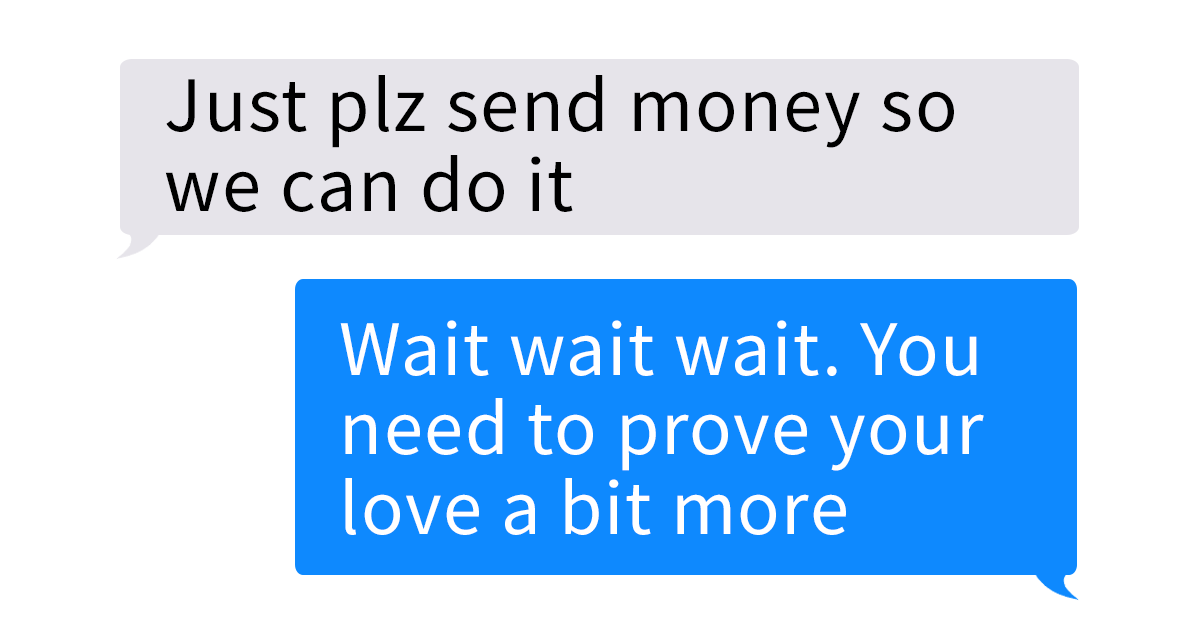
Every so often, the internet gives us a story so satisfying that it feels like watching a mosquito fly directly into a bug zapper. The viral tale of a woman shutting down a Facebook scammer in the most hilarious way is exactly that kind of digital justice: quick, funny, clever, and just petty enough to make the comment section stand up and applaud.
The story centers on an anonymous woman who was contacted by a supposed admirer online. The man, using the name Stephen Masumbo, appeared to follow a classic romance scam script: start with flattery, rush into emotional language, build fake intimacy, and eventually ask for money. His alleged goal was to get funds so he could travel from Africa to Britain and live with her. Unfortunately for him, he did not pick a lonely target waiting to be dazzled. He picked someone with a sharp wit, a strong scam radar, and apparently a black belt in nonsense.
Instead of panicking or handing over cash, she played along just long enough to expose the absurdity of the situation. What followed became a viral example of how scammers often rely less on genius and more on speed, pressure, and people being too polite to say, “Sir, this is obviously ridiculous.”
Why This Viral Scammer Story Hit a Nerve
The reason “Woman Shuts Down Scammer In The Most Hilarious Way” still attracts attention is simple: nearly everyone has dealt with a scam attempt. It might be a fake delivery text, a suspicious “your account is locked” email, a robocall pretending to be from the government, or a social media message from someone who claims to love you deeply despite not knowing how to spell your name.
Scams are no longer rare back-alley tricks. They are mainstream annoyances with billion-dollar consequences. The Federal Trade Commission has reported massive consumer fraud losses in recent years, with investment scams and imposter scams ranking among the most financially damaging categories. The FBI has also warned that cyber-enabled crime, cryptocurrency scams, and AI-assisted fraud have cost Americans billions. In other words, scammers are not just sending badly written emails from dusty internet cafés anymore. Some are running polished, organized operations with scripts, fake websites, stolen photos, spoofed numbers, and payment methods designed to make stolen money vanish faster than snacks at an office meeting.
That is why this woman’s response feels so good. She did what many people wish they had the nerve, time, and comic timing to do: she flipped the script.
The Anatomy of the Scam: Flattery, Urgency, and Money
Romance scams often follow a familiar emotional recipe. First comes the sudden attention. A stranger appears in your inbox with compliments, affection, and an intensity normally reserved for dramatic movie trailers. Then comes the connection. They may talk about destiny, faith, hardship, loneliness, or a future together. Finally, once trust has been warmed up like leftover pizza, the money request arrives.
In this viral case, the scammer reportedly used flirtation and declarations of love before asking for help with travel expenses. That is a textbook red flag. Real relationships develop through time, consistency, and mutual trust. Scam relationships sprint from “hello” to “send money” so quickly they should be wearing running shoes.
The woman’s brilliance was not only that she refused to send money. It was that she recognized the performance. She understood that the scammer was not emotionally invested; he was financially fishing. So she responded with comedy instead of compliance.
Red Flag 1: Instant Romance
If someone you barely know begins talking about love, marriage, or a shared future almost immediately, pause. Scammers use emotional acceleration because slow conversations give victims time to think. They want you swept up, not settled down.
Red Flag 2: A Convenient Crisis
Romance scammers rarely ask for money directly in the first sentence. They build a little theater first. There may be a medical emergency, travel problem, customs fee, frozen bank account, military deployment issue, or family tragedy. The details change, but the ending is always the same: your wallet gets invited to the relationship.
Red Flag 3: Unusual Payment Methods
Gift cards, wire transfers, cryptocurrency, payment apps, and cash-like methods are favorites among scammers because they are difficult to reverse. Any romantic interest who asks for money through these methods deserves immediate suspicion and perhaps a commemorative trophy labeled “Absolutely Not.”
How the Woman Turned the Tables
The funniest part of the story is not simply that she refused. Plenty of people refuse scammers every day. What made this exchange memorable was the way she used the scammer’s own eagerness against him. She responded with increasingly absurd comments, stretched the conversation, and made him work for a payout that was never coming.
That is the comic genius of it. The scammer entered the conversation expecting an easy target. Instead, he found someone who treated the entire exchange like an improv comedy audition. He tried to create urgency; she created confusion. He tried to sound romantic; she made the conversation weird. He tried to get money; she gave him a headache.
It is the online equivalent of a burglar sneaking into a house and discovering the homeowner has replaced all valuables with rubber chickens and a foghorn.
Why Humor Works Against Scam Pressure
Humor can be a powerful psychological reset. Scammers rely on fear, urgency, greed, loneliness, or politeness. They want the target emotionally activated because people make worse decisions when they feel rushed or flattered. A joke interrupts that rhythm. It gives the potential victim mental distance from the bait.
That said, there is an important difference between laughing at a scam and engaging deeply with a scammer. Security experts generally recommend that people avoid responding to suspicious messages, avoid clicking links, block the sender, and report the attempt. The woman’s story is hilarious, but it should not be treated as a universal instruction manual. Not every scammer is a bumbling cartoon villain. Some are skilled manipulators, and replying can confirm that your number or account is active.
So yes, enjoy the comedy. Screenshot the absurdity if it is safe to do so. But when in doubt, block, report, and move on. Your peace is worth more than roasting a stranger who thinks “wire transfer” is a love language.
Modern Scams Are More Sophisticated Than They Look
One reason scams keep working is that people imagine victims as gullible. That is unfair and inaccurate. Many scam victims are intelligent, careful, and experienced. Scammers succeed because they exploit normal human behavior: trust, empathy, stress, distraction, and the desire to solve problems quickly.
A fake bank alert may arrive when you are busy. A bogus package text may show up when you are expecting a delivery. A romance scammer may contact someone during a lonely period. A fake employer may message a job seeker who needs income. A government imposter may target someone already worried about taxes, benefits, or legal problems.
Good scams are not designed to fool everyone. They are designed to find the person who is tired, worried, hopeful, distracted, or polite at exactly the wrong moment. That is why public education matters. The more people know the patterns, the less power those patterns have.
Common Scam Types Behind Stories Like This
Romance Scams
Romance scams involve fake emotional relationships created to steal money or personal information. The scammer may use stolen photos, fake names, and dramatic stories. They often avoid video calls, make excuses for not meeting, and eventually ask for financial help.
Imposter Scams
Imposter scams happen when someone pretends to represent a trusted organization, such as a government agency, bank, delivery company, tech company, or well-known business. The goal is to make the victim act before verifying the claim.
Phishing and Smishing
Phishing uses email, fake websites, or messages to steal login details and financial data. Smishing is the text-message version. These scams often include links that look urgent: “Your account has been suspended,” “Your package cannot be delivered,” or “Click to claim your refund.” Clicking may lead to credential theft, malware, or payment fraud.
Fake Job and Task Scams
Fake job scams have grown especially common through text messages, messaging apps, and social platforms. They may promise easy remote work, daily pay, or simple online tasks. The catch appears later: the victim must pay fees, deposit money, buy crypto, or provide sensitive identity documents.
What This Woman Did Right
At the heart of the story, the woman did several things right. She did not believe flattery from a stranger. She did not accept urgency as proof of truth. She did not send money. She did not provide sensitive personal details. And most importantly, she trusted her instincts when the situation felt wrong.
That last point matters. Many people notice something strange but dismiss their own suspicion because they do not want to seem rude. Scammers benefit from politeness. They want you to keep explaining, keep apologizing, keep answering, and keep negotiating. But you do not owe a stranger your time, your money, your identity, or your emotional labor.
A simple “no” is enough. A block button is enough. Silence is enough. You are allowed to exit a suspicious conversation without preparing a five-paragraph resignation letter from the Department of Being Nice.
How to Shut Down a Scammer Safely
If you receive a suspicious message, the safest response is usually not a clever comeback. It is a calm routine:
- Do not click links or download attachments from unexpected messages.
- Do not send money, gift cards, crypto, or payment app transfers to strangers.
- Do not share passwords, verification codes, bank details, Social Security numbers, or photos of IDs.
- Verify claims by contacting the company or agency through an official website or phone number you find yourself.
- Block the sender and report the message through the platform, email provider, wireless carrier, or appropriate agency.
- If money was sent, contact your bank or payment provider immediately and report the fraud.
Think of this as the “boring but effective” method. It may not go viral, but it protects your money, which is better than internet applause. Internet applause cannot pay your electric bill, although it does briefly make the brain sparkle.
When Scambaiting Becomes Risky
Scambaiting is the act of intentionally wasting a scammer’s time or tricking them back. It can be entertaining, and in some cases, experienced cybersecurity researchers and creators use it to expose fraud networks. However, ordinary users should be careful. Engaging with scammers can reveal information about you, encourage more contact, or escalate harassment.
Even a joke reply can confirm that your account is active. A scammer may save your number, sell it, or target you again with a different approach. They may also send malicious links, ask for photos, attempt blackmail, or move the conversation to another platform.
If you choose to respond for humor, never reveal real personal details. Do not use your main email for experiments. Do not click anything. Do not download files. Do not call numbers. Do not open attachments. And do not assume the scammer is harmless just because their spelling looks like it lost a fight with autocorrect.
The Bigger Lesson: Scams Thrive on Speed
Whether the scam is romantic, financial, technical, or official-looking, urgency is the engine. Scammers want you to act now. Pay now. Reply now. Verify now. Rescue the account now. Save the package now. Protect your benefits now. Claim the prize now.
The best defense is a pause. AARP’s fraud-prevention guidance often emphasizes the value of stepping back when an unexpected contact triggers strong emotion. That pause may be only ten seconds, but it can break the spell. Ask yourself: Did I expect this message? Can I verify it independently? Why does this person want payment in a strange way? Why are they pushing me to secrecy or speed?
Scammers hate questions because questions slow the transaction. A calm question is like throwing sand into the gears of the fraud machine.
Specific Examples of Funny but Safe Responses
Again, ignoring and reporting is safest. But if you are writing a humor piece, training employees, or teaching family members how scams sound, it can be useful to imagine safe, non-revealing responses that expose the absurdity without sharing information.
- To a fake romance scammer: “Before we discuss marriage, please complete this 47-page emotional warranty form.”
- To a fake prince: “Wonderful. My royal accountant is a raccoon named Linda. She handles all wire transfers.”
- To a fake delivery text: “Please leave the package with my dragon. He signs for everything.”
- To a fake bank alert: “Interesting. I bank exclusively in Monopoly money and emotional damage.”
- To a fake tech-support caller: “My computer is powered by candlelight, so this may take a while.”
These are jokes, not recommendations to engage. Their real value is educational. They show how absurd scam requests become when you refuse to accept the scammer’s fake reality.
Why People Love Stories of Scammers Getting Trolled
People enjoy scammer-takedown stories because they reverse a familiar power imbalance. Scams make people feel vulnerable. They invade private spaces: phones, inboxes, social media accounts, dating apps, and even family conversations. A successful comeback restores a sense of control.
It also gives the public a safe laugh at something that is usually stressful. A scam attempt can be frightening, especially when it imitates a bank, tax agency, court, employer, or loved one. Humor helps people talk about the issue without shame. That matters because shame keeps victims quiet, and silence helps scammers.
When people share scam stories, others learn the patterns. Someone might recognize the same script later and avoid losing money. That is the useful side of viral comedy: beneath the jokes is a warning label.
Experiences and Real-World Lessons From Scammer Encounters
Most people who spend enough time online eventually develop a personal “scam smell test.” It is not always scientific, but it works surprisingly well. Maybe the message begins with “Dear beloved.” Maybe the sender claims to be from a major company but uses a suspicious address that looks like it was assembled during a keyboard sneeze. Maybe the message says your package is delayed, even though you have ordered nothing except emotional stability, which remains out of stock.
One common experience is the fake delivery scam. A text arrives claiming that a package cannot be delivered unless you click a link and pay a small fee. The fee looks harmless, maybe less than a cup of coffee. But the real goal may be to steal card details or login credentials. Many people nearly click because package deliveries are normal. That is the trick: the scam hides inside an everyday habit.
Another familiar experience is the fake bank warning. The message says there has been suspicious activity and urges immediate action. People panic because the threat feels personal. The best habit is to avoid the link and open the bank’s official app or website directly. If something is wrong, it will usually appear there. If nothing appears, congratulations: you have successfully disappointed a criminal.
Romance scams are especially painful because they do not only target bank accounts. They target hope. People may feel embarrassed after realizing the relationship was fake, but embarrassment belongs to the scammer, not the victim. The scammer is the one pretending to be a soulmate while asking for gift cards like a raccoon with Wi-Fi.
Families can also learn from these experiences. A good household rule is simple: no one sends money during an emotional emergency without verifying through another channel. If a “grandchild” calls needing bail money, hang up and call the real grandchild or another family member. If a “boss” emails asking for gift cards, confirm by phone or in person. If a “friend” messages from a new account asking for help, verify before acting.
At work, scam awareness should be treated like fire drills. Not because everyone is foolish, but because everyone is busy. A rushed employee may click what a calm employee would question. Training should show real examples: fake invoices, spoofed executive emails, QR-code scams, shared-document traps, and password reset tricks. The goal is not paranoia. The goal is pattern recognition.
The woman in the viral story succeeded because she recognized the pattern before the scammer controlled the conversation. Her humor was the decoration; her skepticism was the foundation. That is the real lesson. You do not need to be a comedian to beat a scammer. You need to slow down, verify independently, protect your information, and remember that any stranger who falls in love and asks for money in the same conversation is not Cupid. He is customer support for fraud.
Conclusion
The story of the woman who shut down a scammer in the most hilarious way is funny because it gives us the ending we want: the scammer fails, the target stays safe, and the internet gets a comedy snack. But beneath the laughter is a serious reminder. Online scams are common, costly, and constantly changing. They use romance, fear, urgency, fake authority, and emotional pressure to make people act before thinking.
The smartest response is not always the funniest one. In real life, the best move is usually to pause, verify, block, and report. Still, stories like this are valuable because they make scam awareness memorable. They remind us that suspicion is not rudeness, boundaries are not cruelty, and no legitimate romance begins with a money transfer request.
Note: This article is an original synthesis based on public scam-awareness guidance from U.S. consumer-protection, cybersecurity, financial, and fraud-reporting resources, along with the widely shared viral account of an anonymous woman confronting a Facebook romance scammer. Readers should avoid sharing personal information with suspected scammers and should report suspicious messages through trusted official channels.