There are moments when the internet stops being a place for recipes, cat videos, and arguing with strangers who have profile pictures of trucks, and becomes a mirror held up to civilization. Unfortunately, the mirror is cracked, the lighting is fluorescent, and somewhere in the background a customer-service chatbot is asking if we have tried restarting our despair.
“Welcome To Hell: 50 Posts That Prove We’ve Hit Peak Dystopia” is more than a funny doomscroll title. It captures a very modern feeling: the sense that everyday life has quietly borrowed too many plot points from dystopian fiction. We are not necessarily living in a movie where everyone wears gray jumpsuits and salutes a giant screen. It is weirder than that. We live in a world where rent eats half a paycheck, scam calls sound like relatives, apps beg for subscriptions, delivery robots block sidewalks, and your phone knows you looked at one pair of shoes in 2019 and refuses to move on emotionally.
The posts that feel the most dystopian are often not dramatic. They are tiny snapshots: a vending machine with facial recognition, a job application that asks for a personality test before offering minimum wage, a fridge that requires an app update, or a teenager saying they feel exhausted from being online while still being online. This is peak dystopia: not one giant disaster, but a thousand little absurdities wearing a name badge that says “innovation.”
What Does “Peak Dystopia” Actually Mean?
Peak dystopia is the moment when life becomes so strange that satire starts sweating. It is when a joke about corporate greed becomes a quarterly earnings strategy. It is when the phrase “for your convenience” appears right before something becomes less convenient. It is when technology designed to make life easier somehow creates three new passwords, two verification codes, and one quiet spiritual crisis.
Classic dystopian fiction warned us about surveillance, propaganda, social inequality, automation, and dehumanization. Modern dystopian posts show those themes arriving in everyday packaging. They are funny because they are ridiculous. They are unsettling because they are believable. The best dystopian memes work like tiny news reports from an alternate universe that, rudely, turns out to be ours.
50 Posts That Prove We’ve Hit Peak Dystopia
Below are 50 types of posts that capture the “welcome to hell” mood of modern life. Some are funny. Some are depressing. Some are funny because they are depressing, which is basically the internet’s national anthem.
- The subscription toothbrush: A device that works perfectly until the company remembers your mouth could be monetized monthly.
- The smart fridge with terms and conditions: Nothing says progress like needing legal literacy to keep lettuce cold.
- The job listing asking for ten years of experience in a tool invented five years ago: Time travel is now an entry-level requirement.
- The “competitive salary” that refuses to compete: It is competitive in the same way a folding chair competes in Formula 1.
- The apartment tour where the “bedroom” is a corner: Real estate has discovered that walls are optional but rent is not.
- The grocery receipt that looks like a car payment: Buying eggs should not feel like refinancing a yacht.
- The “dark pattern” cancellation page: Signing up takes one click; canceling requires a riddle, a phone call, and possibly a small sacrifice.
- The chatbot that says it understands: It does not understand, but it does have 14 irrelevant help articles.
- The AI-generated apology from a company that caused a real problem: Nothing heals trust like synthetic remorse.
- The workplace monitoring dashboard: Productivity is now measured by mouse movement, because apparently thinking is suspicious.
- The delivery app fee stack: Service fee, delivery fee, small order fee, weather fee, breathing-near-the-app fee.
- The restaurant kiosk asking for a tip before any human appears: The machine has joined the emotional labor economy.
- The airport water bottle priced like perfume: Hydration is now a luxury experience.
- The deepfake scam warning from your bank: We have reached the era where “make sure it is actually your mom” is financial advice.
- The self-checkout machine accusing you of theft: You were hired as cashier for free, then investigated by your manager, the scanner.
- The “we value your privacy” pop-up with 73 toggles: Privacy has become a mini-game designed by a villain.
- The school using lockdown drills as routine childhood furniture: The most dystopian posts are the ones no one can laugh at.
- The climate headline next to an ad for luxury cruises: Nothing says “we’re processing the crisis” like a melting planet beside buffet packages.
- The wildfire smoke map shared like a weather forecast: Air quality apps have become the new morning horoscope.
- The city bench designed so nobody can sleep on it: Architecture with a grudge.
- The public bathroom that requires a purchase code: Biology now has a paywall.
- The college degree debt meme: Congratulations, graduate. Your diploma comes with a lifelong side quest.
- The medical bill that arrives before the diagnosis makes sense: The body is complicated; the invoice is immediate.
- The pharmacy app that needs two-factor authentication while you are feverish: Security is important, but so is not fainting in aisle seven.
- The insurance denial written in language only a cursed attorney could love: Technically polite, spiritually violent.
- The influencer selling “quiet luxury” during a cost-of-living crisis: Minimalism is easier when your emptiness has marble countertops.
- The baby monitor with a subscription plan: Even sleep training has entered the SaaS ecosystem.
- The car feature locked behind a monthly fee: Heated seats as a service: capitalism found your spine.
- The printer refusing ink it personally dislikes: The machine is petty, and unfortunately, it has firmware.
- The app update that removes useful features: “Improved experience” now means “we hid the button you use every day.”
- The platform that gets worse after everyone joins: The technical term is enshittification; the emotional term is “oh no, not again.”
- The social feed full of AI slop: Everyone is posting, nobody is speaking, and the shrimp have too many fingers.
- The teenager online “almost constantly” because offline life is also stressful: The escape hatch became another room in the maze.
- The dating app selling visibility boosts: Romance now comes with search engine optimization.
- The smart doorbell turning neighborhoods into surveillance networks: Community watch, now with cloud storage.
- The facial recognition camera at the concert: You came for music and left as training data.
- The “personalized price” nobody asked for: Dynamic pricing sounds fancy until the algorithm decides you look desperate.
- The QR-code-only menu with bad signal: A meal should not require a network troubleshooting certificate.
- The “cashless only” sign at a basic store: Money works unless the payment processor is having a mood.
- The customer support queue that says your wait time is 97 minutes: Your call is important, but not in a measurable way.
- The anti-homeless spikes photographed under a luxury billboard: Sometimes dystopia does not whisper; it installs hardware.
- The “wellness” app stressing you out with reminders to relax: Calm down immediately or lose your streak.
- The boss praising work-life balance at 10:48 p.m.: The email signature says “take care of yourself.” The timestamp disagrees.
- The office return policy for a job done entirely on a laptop: Culture, apparently, is fluorescent lighting and a commute.
- The AI résumé screener rejecting humans before humans meet them: Your future may depend on pleasing a keyword blender.
- The public charging station with 19 broken ports: Modern life is portable until the battery hits 3%.
- The grocery store security robot rolling past expired coupons: RoboCop, but for cereal.
- The “limited time offer” that never ends: Artificial scarcity has commitment issues.
- The news headline about record fraud losses beside an ad for crypto riches: The snake is eating its tail and offering a referral bonus.
- The person posting “I am so tired” at 2:13 a.m.: The most honest dystopian post of all.
Why These Posts Hit So Hard
1. They Turn Everyday Life Into a Transaction
A common thread in peak dystopia posts is the feeling that every ordinary human need has been converted into a payment portal. Want transportation? Download the app. Want food? Accept the fee stack. Want entertainment? Pick a subscription. Want to cancel the subscription? Please enter the labyrinth.
This is why dark pattern screenshots spread so quickly. They are not just annoying design choices. They represent a deeper frustration: companies often make the profitable path smooth and the consumer-friendly path sticky, hidden, or humiliating. The joke writes itself, but unfortunately it also bills itself monthly.
2. Technology Feels Less Like a Tool and More Like a Supervisor
People once imagined technology as a helpful assistant. Now many posts show technology acting like a hall monitor with venture-capital funding. Workplace tracking software, facial recognition, automated hiring systems, algorithmic feeds, smart cameras, and customer-service bots all promise efficiency. But efficiency for whom?
The dystopian feeling appears when systems watch people more closely than they help them. A camera that identifies shoplifters may also misidentify innocent shoppers. A productivity tracker may count keystrokes but not creativity. An AI hiring filter may rank candidates without understanding their lives. That is the difference between useful automation and a digital clipboard with authority issues.
3. The Internet Is Becoming Less Human
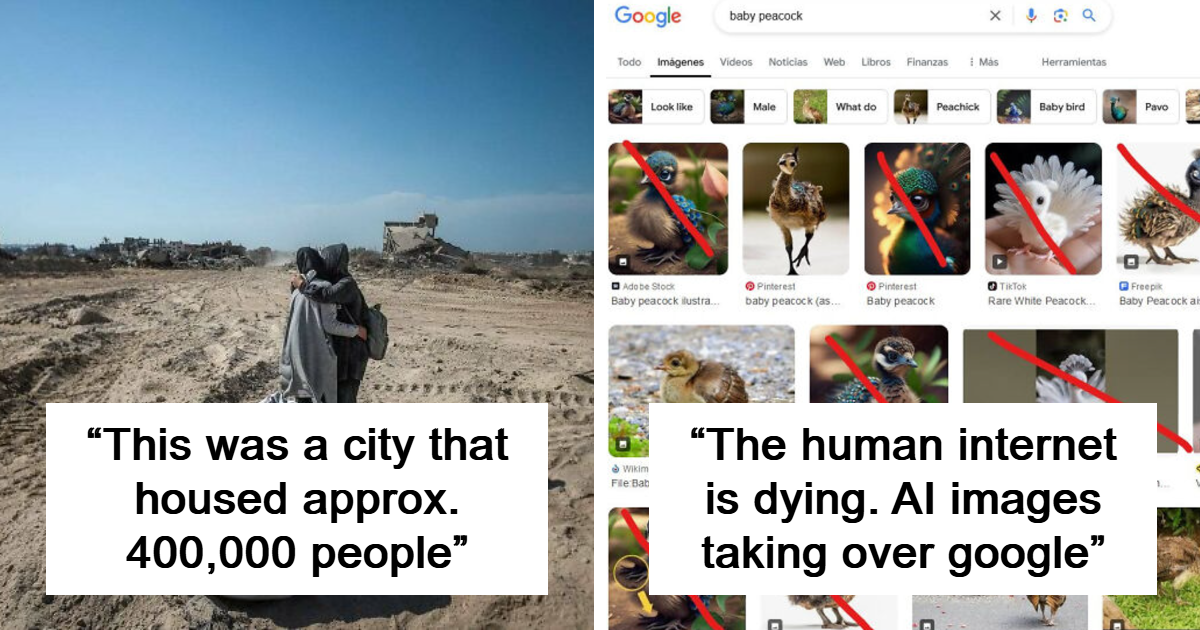
One of the strangest modern experiences is scrolling through content and wondering whether anyone involved had a pulse. AI-generated images, fake reviews, spam comments, bot accounts, synthetic voices, and recycled outrage have made the web feel haunted. Not emptyworse. Crowded with imitations.
This is why the word “enshittification” became so popular. It names the life cycle many users recognize: a platform starts useful, becomes addictive, fills with ads, pushes creators and users around, and eventually feels like an abandoned mall with notifications. The content is still there, but the soul has been replaced by engagement metrics wearing sunglasses indoors.
4. The Real World Keeps Adding Patch Notes Nobody Requested
Climate anxiety, housing pressure, medical costs, cybercrime, and social isolation are not memes, but they shape why the memes land. When official reports show rising fraud losses, teenagers spending huge amounts of time online, extreme weather disasters becoming more expensive, and housing becoming less affordable, the internet’s dark humor starts looking less like exaggeration and more like a coping mechanism.
That does not mean everything is hopeless. It means the jokes are pointing at real stress fractures. People are not laughing because they think everything is fine. They are laughing because the alternative is screaming into a smart speaker that will misunderstand and add paper towels to the cart.
The Funniest Dystopian Posts Are Usually About “Convenience”
Convenience is the magic word of modern marketing. It can justify anything. A store removes cashiers “for convenience.” A subscription renews automatically “for convenience.” A device collects data “to improve your experience.” A chatbot blocks you from a human agent “to serve you faster.” The phrase has become so flexible it could do yoga professionally.
The problem is not convenience itself. Real convenience is wonderful. Online banking, telehealth, navigation apps, translation tools, and grocery delivery can genuinely improve lives. The dystopia begins when convenience becomes one-sided. If something saves the company money while making the customer do unpaid labor, that is not convenience. That is outsourcing with a friendly icon.
Peak Dystopia and Late-Stage Capitalism Memes
Many “welcome to hell” posts overlap with late-stage capitalism memes because they expose absurd priorities. A city may spend money on hostile benches instead of shelter. A company may invest in surveillance software instead of better wages. A platform may optimize ads while customer support collapses into a maze of bots. The humor comes from contrast: enormous technological capability paired with very small moral imagination.
This is why people share screenshots of ridiculous prices, tiny apartments, unpaid internships, junk fees, and luxury products marketed as solutions to problems created by inequality. The posts feel cathartic. They say, “You are not crazy. This is weird.” In a culture that often tells people to personalize every systemic problem, that recognition matters.
How to Read Dystopian Internet Posts Without Losing Your Mind
Laugh, But Don’t Numb Out
Dark humor is useful. It helps people name absurdity without collapsing under it. But endless doomscrolling can turn awareness into paralysis. The goal is not to consume 500 posts about society being broken and then stare at the ceiling like a Victorian ghost. The goal is to notice patterns and decide what still deserves your energy.
Ask Who Benefits
When a post feels dystopian, ask a simple question: who benefits from this arrangement? Who profits when canceling is difficult? Who gains when workers are tracked? Who saves money when customers become unpaid cashiers? Who gets power when public spaces become surveillance zones? The answer often reveals the system behind the screenshot.
Protect Your Attention Like It Pays Rent
Modern platforms are designed to keep attention moving, reacting, and returning. That does not mean you need to flee the internet and raise goats, though honestly the goats have a compelling case. It means treating your attention as valuable. Mute aggressively. Unsubscribe often. Use privacy settings. Delete apps that make you feel like a raccoon trapped in a casino.
Experiences From the Peak Dystopia Timeline
The most relatable dystopian experiences are rarely cinematic. They happen on ordinary Tuesdays, while you are wearing sweatpants and trying to do one simple thing. For example, you might attempt to cancel a streaming service you forgot you had. At first, the website greets you warmly. Then it asks if you are sure. Then it offers a discount. Then it hides the final cancel button behind a phrase like “continue managing my membership,” which sounds less like a choice and more like a hostage negotiation. Ten minutes later, you are sweating, emotionally changed, and unsure whether you canceled the subscription or merely joined a premium grief plan.
Or consider the modern grocery run. You walk in for three items: bread, milk, and something optimistic like spinach. You leave with a receipt long enough to be legally classified as a scarf. The self-checkout machine yells that an unexpected item is in the bagging area. The unexpected item is the item you just scanned. A camera watches your face as you try to prove your innocence to a machine that has never known love. Behind you, six people wait silently, each holding bananas and private despair.
Then there is the job hunt, which has become a digital obstacle course designed by someone who heard humans enjoy puzzles. You upload your résumé. The site asks you to manually retype your résumé. Then you answer questions about leadership, resilience, and whether you strongly agree that stealing office supplies is wrong. After that, an automated system thanks you for your interest and rejects you before a person learns you exist. Somewhere, a hiring manager says they cannot find good candidates. Somewhere else, 400 good candidates are trapped inside a portal that forgot their passwords.
Even leisure has become suspiciously administrative. A night out may require QR menus, parking apps, surge pricing, reservation deposits, digital waivers, and a tip screen that appears before service begins. A movie ticket arrives with convenience fees, processing fees, seat-selection fees, and enough upsells to make popcorn feel like a mortgage product. You wanted relaxation. The economy handed you a dashboard.
The strangest part is how quickly people adapt. We joke, shrug, screenshot, and move on. That resilience is impressive, but it can also hide exhaustion. Peak dystopia is not only about technology, prices, or platforms. It is about the quiet normalization of friction. Life becomes full of tiny toll booths, and eventually people stop asking why the road has so many gates.
Still, there is power in noticing. Every viral dystopian post is a small refusal to pretend absurdity is normal. When people laugh together at a ridiculous fee, a hostile bench, a broken chatbot, or a smart appliance with a superiority complex, they are doing more than complaining. They are comparing notes. They are building a shared vocabulary for frustration. They are saying, with humor sharpened into a tiny sword, “This could be better.” And that may not fix the timeline immediately, but it is a good place to start.
Conclusion: Welcome to Hell, Please Take a Number
Welcome To Hell: 50 Posts That Prove We’ve Hit Peak Dystopia works because it captures the comedy and dread of modern life in one sentence. The posts are funny because they are exaggerated just enough to make us laugh, but familiar enough to make us pause. They show a world where convenience can become control, innovation can become surveillance, and every app seems one update away from asking for your blood type.
But the point is not to give up. The point is to pay attention. Dystopian humor can be a pressure valve, a warning signal, and a community bulletin board all at once. When we recognize the absurdity, we become harder to manipulate. When we name the problem, we can demand better design, better policy, better workplaces, better platforms, and better public spaces. The timeline may be weird, but we are not powerless. We still have jokes, standards, and the sacred right to refuse a refrigerator subscription.
Note: This article is an original synthesis based on real public discussions, consumer protection trends, technology reporting, digital rights concerns, housing affordability analysis, climate data, and internet culture commentary. No source-code citation placeholders or unnecessary publishing artifacts are included.