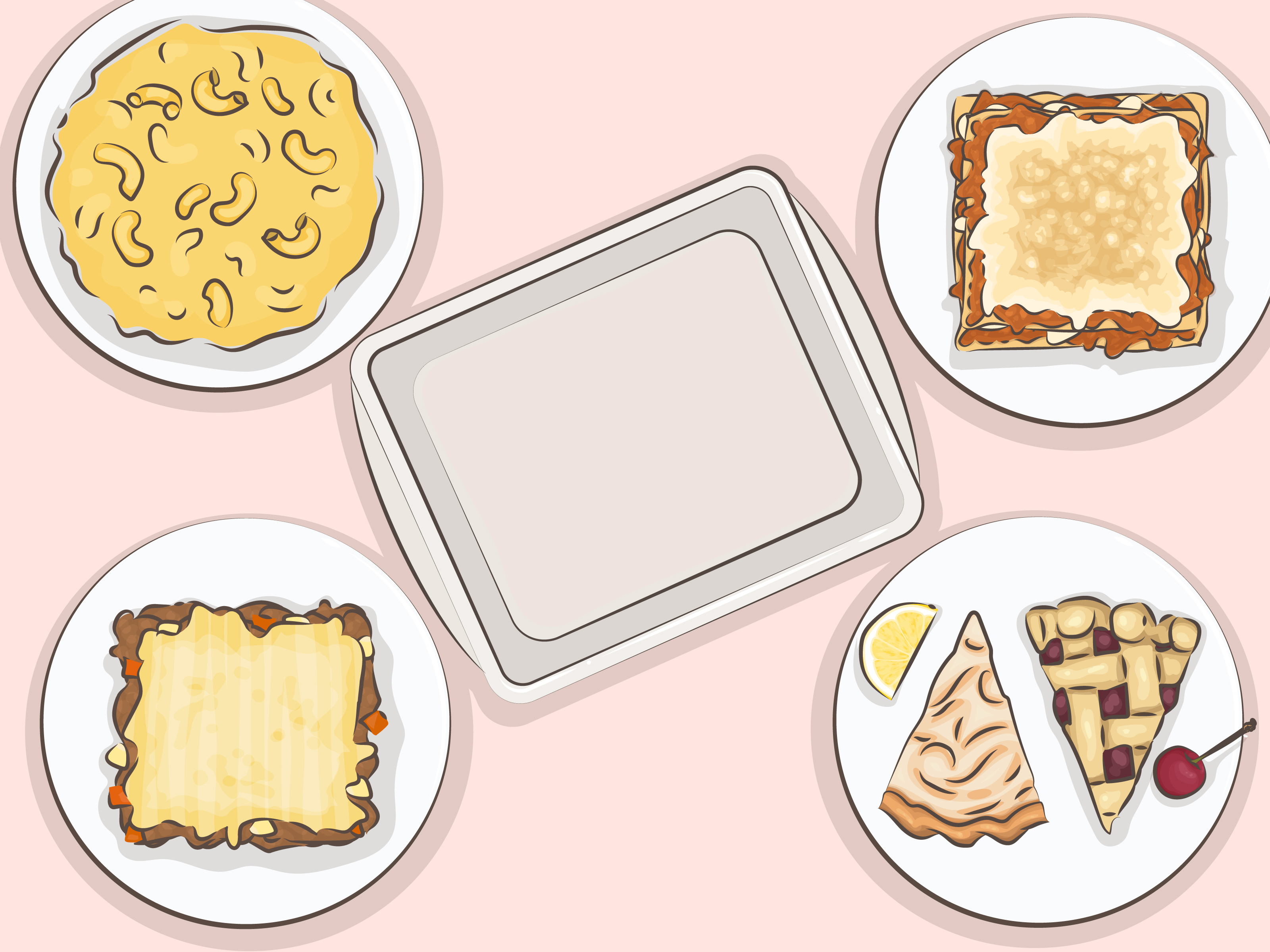
If you have ever stood in your kitchen holding a glass baking dish in one hand and a metal pan in the other, wondering which one will betray you less, welcome to the club. This is one of those sneaky baking questions that seems simple until your brownies come out with overachieving edges and a center that still looks emotionally unavailable. The truth is that baking in glass vs. metal really does make a difference, and that difference shows up in browning, texture, bake time, and even how long your food keeps cooking after it leaves the oven.
Choosing between a glass baking dish and a metal baking pan is not about which one is “better” in every situation. It is about matching the pan material to the job. Some recipes want fast heat and crisp edges. Others prefer gentle heat, a longer warm hold, or a nonreactive surface for acidic ingredients. Once you understand how each material behaves, your cakes, brownies, crisps, casseroles, and pies stop feeling like tiny science experiments gone rogue.
In this guide, we will break down the pros and cons of glass and metal bakeware, explain when each shines, and give practical baking tips so your next dessert or dinner does not become a cautionary tale.
Why Pan Material Matters More Than Most People Think
When people talk about baking, they usually obsess over ingredients. Flour gets all the attention. Butter gets fan mail. Vanilla practically has a publicist. But your pan matters almost as much as your recipe because it controls how heat moves into the batter or filling.
Metal is a strong heat conductor. It heats up quickly, responds fast to oven temperature, and cools down sooner once it is out of the oven. That makes metal pans especially useful for baked goods that need structure, lift, crisp edges, or even browning. Think cookies, cakes, brownies, muffins, biscuits, and pie crusts.
Glass, on the other hand, heats more slowly and holds heat longer. It is more of a slow-and-steady type. It can produce lovely results in casseroles, fruit desserts, bread puddings, and baked pasta. It is also handy when you want to see what is happening along the sides and bottom of the dish. Glass does not rush, but it also does not forget. Once it gets hot, it stays hot, which means food can continue cooking even after it comes out of the oven.
Glass Bakeware: Pros, Cons, and Best Uses
The Pros of Baking in Glass
Glass bakeware has a loyal fan base for good reason. First, it is nonreactive. If you are baking something acidic like berry cobbler, tomato-based pasta bakes, lemon bars, or fruit crisps, glass will not react with the ingredients or contribute any metallic taste. That makes it a great choice for dishes with citrus, tomatoes, or other acidic components.
Second, glass retains heat beautifully. This is a huge advantage for casseroles, baked ziti, gratins, and desserts you want to serve warm at the table. Glass dishes are often the overachievers of dinner parties because they keep food warm longer after baking.
Third, glass is visually helpful. You can literally see the sides and sometimes the bottom, which makes it easier to judge browning. If you have ever baked a fruit crisp and wondered whether the filling is bubbling enough or if the crust is really golden, clear glass lets you spy without apology.
Finally, glass baking dishes often double as serving dishes. They go from oven to table with less fuss, which means fewer dishes to wash and more time to act like you absolutely planned this elegant presentation all along.
The Cons of Baking in Glass
Now for the fine print. Glass heats slowly, so recipes designed for metal pans may bake differently in glass. This can affect rise, edge texture, and total bake time. In many cases, baked goods in glass develop darker edges before the center is fully set, especially with brownies and cakes.
Glass also holds heat longer after baking. That sounds charming until your dessert keeps cooking on the counter like it has unresolved ambitions. This carryover heat can dry out delicate baked goods or push them past the sweet spot if you do not pull them at the right moment.
Another issue is thermal shock. Glass bakeware is not a fan of sudden temperature changes. Putting a cold glass dish into a very hot oven, setting a hot dish on a wet or cold surface, or adding cold liquid to a hot glass pan can increase the risk of breakage. In other words, glass is dependable, but dramatic.
Best Uses for Glass Bakeware
- Fruit crisps, cobblers, and crumbles
- Casseroles and baked pasta dishes
- Bread pudding
- Lasagna
- Acidic dishes with tomatoes, berries, or citrus
- Recipes where presentation and heat retention matter
Metal Bakeware: Pros, Cons, and Best Uses
The Pros of Baking in Metal
Metal bakeware is the MVP for a huge range of baking recipes. It conducts heat quickly and efficiently, which helps batters rise well, crusts brown evenly, and cookies crisp where they should. If you want reliable structure and predictable performance, metal is usually the first choice.
Light-colored metal pans are especially useful because they encourage even baking without overbrowning. That is why so many experienced bakers reach for aluminum or aluminized steel pans for cakes, brownies, cookies, and quick breads. They respond quickly to oven heat and cool quickly once removed, reducing the risk of overbaking from lingering residual heat.
Metal also tends to be lighter, sturdier, and less fragile than glass. It is easier to handle, less stressful to store, and generally better for high-volume baking. If you are the kind of person who bakes three trays of brownies for a potluck and then drops one pan into the sink like a cymbal crash, metal is your friend.
The Cons of Baking in Metal
Not all metal pans behave the same way. Dark metal pans absorb more heat and can cause faster browning or overdone bottoms and edges. If your cake always comes out looking like it trained for a tanning competition, the pan color may be the problem.
Some metal pans can also react with acidic ingredients, especially if the surface is scratched or the material is less nonreactive. That is one reason fruit desserts or tomato-heavy bakes are often more comfortable in glass or ceramic.
And while metal is usually the top choice for crisp crusts and evenly baked cakes, it does not retain heat as long as glass. So if your goal is serving something warm for a longer stretch, metal will not babysit your casserole the same way glass does.
Best Uses for Metal Bakeware
- Cookies and bars
- Brownies and blondies
- Cakes and sheet cakes
- Muffins and cupcakes
- Biscuits and scones
- Pie crusts, especially when crispness matters
- Roasted foods that benefit from browning
Glass vs. Metal: Which Is Better for Common Recipes?
Brownies
Metal usually wins. Brownies tend to bake more evenly in light-colored metal pans because the batter heats and sets more predictably. In glass, brownies can take longer, and the edges may overbake while the center lags behind. If you like fudgy brownies with clean edges and fewer surprises, metal is the safer bet.
Cakes
For layer cakes, snack cakes, and quick breads, metal is typically preferred. It supports better rise and more even baking. Glass can work, but it often requires more attention and may not deliver the same texture. A tender cake does not need extra drama from a slow-heating pan.
Pies
This one depends on your priorities. Metal pie pans tend to produce crisper, more deeply browned crusts because they transfer heat quickly to the dough. Glass pie plates, however, let you monitor bottom crust browning and can still produce excellent results, though often with a slightly slower bake. If your biggest pie fear is a soggy bottom, metal gives you an edge. If your biggest fear is cutting into a pale mystery crust, glass gives you a view.
Casseroles and Baked Pasta
Glass is fantastic here. It retains heat well, looks good on the table, and is nonreactive with acidic sauces. For lasagna, baked ziti, enchiladas, and breakfast casseroles, glass is often the crowd-pleasing choice.
Fruit Desserts
Glass shines with crisps, cobblers, and crumbles. The nonreactive surface is a plus, and being able to see the bubbling fruit around the edges helps you judge doneness. It also keeps the dessert warm longer, which is helpful when ice cream is involved and timing becomes a noble but fragile concept.
Baking Tips for Glass Bakeware
1. Lower the Oven Temperature When Needed
If a recipe was developed for a metal pan and you are using glass instead, reduce the oven temperature by about 25 degrees Fahrenheit. This helps limit overbrowning and gives the center time to catch up.
2. Start Checking for Doneness Early
Even with a lower temperature, baking times can shift. Begin checking a little earlier than you think you need to, especially for brownies, cakes, and bars. Use visual cues and a toothpick test when appropriate.
3. Avoid Sudden Temperature Changes
Never move glass straight from freezer to oven or from oven to a cold countertop. Use dry towels, cooling racks, and common sense. Glass is not fragile in every situation, but it strongly prefers stability over chaos.
4. Preheat the Oven Fully
Do not place glass bakeware into an oven while it is still preheating unless the manufacturer specifically says it is safe to do so. Glass performs best when the oven has already reached the target temperature.
5. Use Glass for Recipes That Benefit from Gentle Heat
Custardy bakes, casseroles, fruit desserts, and dishes that need to stay warm longer are especially well suited to glass. Lean into its strengths instead of forcing it to act like metal.
Baking Tips for Metal Bakeware
1. Choose Light-Colored Metal for Even Baking
Shiny or light-colored metal pans are often best for cakes, cookies, and bars because they promote even browning without overcooking the edges. They are a quiet little cheat code for better baking.
2. Watch Dark Pans Carefully
Dark metal pans absorb more heat and can cause food to brown faster. If you are using one, consider reducing the oven temperature by 25 degrees Fahrenheit and checking the bake sooner than the recipe suggests.
3. Line Pans for Easier Release
Parchment paper is especially useful in metal pans for brownies, bars, and cakes. It helps prevent sticking, makes cleanup easier, and saves you from that tragic moment when half your dessert stays behind like a clingy ex.
4. Use Metal When Structure Matters
Recipes that depend on lift, crisp edges, or a firm crumb usually benefit from metal. If the texture matters as much as the flavor, metal is often the wiser pick.
5. Be Mindful with Acidic Ingredients
For highly acidic recipes, choose a nonreactive metal pan or switch to glass if needed. This is especially important for long bakes or recipes with fruit and tomato-heavy fillings.
How to Decide Between Glass and Metal
If you want a simple rule, here it is: use metal for precision and glass for comfort. Metal is better when your recipe needs fast, efficient heat and crisp or structured results. Glass is better when you want gentle baking, longer heat retention, visual monitoring, or a nonreactive surface.
Ask yourself these questions before choosing a pan:
- Does the recipe need crisp edges or a browned crust? Choose metal.
- Is the dish acidic or saucy? Glass may be better.
- Do you want to serve it straight from the oven to the table? Glass is convenient.
- Was the recipe clearly written for a specific pan? Follow it if possible.
- Are you baking brownies, cakes, or pie crust? Metal usually gives more predictable results.
- Are you making lasagna, crisp, or bread pudding? Glass is often a great fit.
Final Thoughts
The debate over baking in glass vs. metal is not really a fight. It is more like a talented duo where each partner has very different strengths. Metal is the quick, efficient one that gets things browned, crisp, and beautifully structured. Glass is the steady, elegant one that holds heat, handles acidic ingredients well, and looks perfectly comfortable going from oven to table.
Neither material is universally right. The best choice depends on what you are baking, the texture you want, and whether your recipe was designed with a particular pan in mind. Once you start matching your bakeware to the recipe instead of grabbing whatever is nearest the cabinet door, your results get a lot more consistent.
So the next time your kitchen presents you with the great bakeware showdown, do not panic. Choose the pan that fits the task, make the right temperature adjustment, and carry on like the competent baking wizard you were always meant to be.
Real Kitchen Experiences: What Baking in Glass vs. Metal Actually Feels Like
On paper, the difference between glass and metal sounds wonderfully scientific. In real life, it usually shows up in small kitchen moments that make you mutter, “Ohhh, that is why.” The first time many home bakers notice the difference is with brownies. You mix the batter, pour it into a glass dish because it is clean and right there, and everything seems fine until the timer goes off. The top looks done, the corners look enthusiastic, but the center still jiggles like it has not accepted responsibility yet. That is the classic glass experience with brownie batter. It is not a disaster, but it is a lesson.
Then there is the metal-pan moment. You bake the same recipe in a light metal pan and suddenly the edges are neat, the center sets more evenly, and the whole batch feels more balanced. It is the kind of result that makes you suspicious of your past choices. Metal has that effect. It makes structure easier. Cakes rise with more confidence. Bars cut more cleanly. Pie crusts get the kind of browned bottom that makes you feel oddly accomplished for a weekday.
Glass, however, has its own winning moments. A fruit crisp in a glass baking dish is deeply satisfying because you can actually see the berry filling bubbling at the edges. That visual cue is helpful, but it is also comforting. You are not guessing whether it is done. You are witnessing dessert become dessert in real time. The same goes for baked pasta and casseroles. Glass dishes stay warm longer, which matters when someone is setting the table slowly, hunting for the salad tongs, or giving a speech about how hungry they are instead of sitting down to eat.
Many home cooks also discover that glass feels more forgiving for saucy or acidic dishes. Tomato-based bakes, lemony bread puddings, and stone-fruit cobblers all seem perfectly at home in glass. The dish looks good enough to serve in, cleanup is often easier than expected, and the whole thing feels a bit more relaxed. Metal is the workhorse; glass is the host who also brought flowers.
Of course, both come with their own personality quirks. Glass demands respect. It does not appreciate sudden temperature changes, sloppy handling, or being rushed into a half-preheated oven. Metal is easiergoing, but dark metal can absolutely overbrown a cake before you have time to blink and wonder whether that smell is “toasty” or “trouble.”
In everyday baking, the best experience usually comes from knowing what each pan does well. Once you stop expecting glass to behave like metal, and stop assuming all metal pans are identical, the whole process gets easier. You bake smarter, not harder. And that is the real victory: fewer weird surprises, better texture, and a lot less staring through the oven door like you are trying to solve an ancient prophecy.