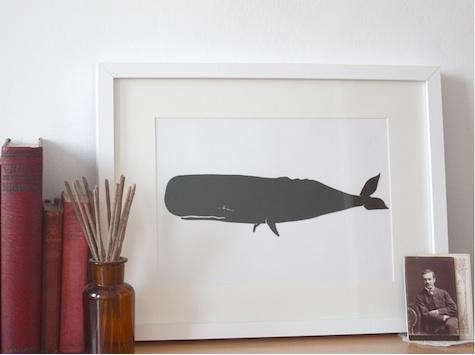
Some art shouts. Some art politely clears its throat. And then there are Mr. Yen’s whale papercuts: quiet, precise, ocean-sized in spirit, and small enough to make a blank wall suddenly look like it has been thinking deep thoughts.
“Walls, Windows & Floors: Whale Papercuts from Mr. Yen” is the kind of design topic that proves a home does not need another oversized sofa, a twelve-step renovation plan, or a suspiciously expensive vase to feel more alive. Sometimes, all it takes is a single hand-cut whale floating inside a frame. Minimal? Yes. Charming? Very. Likely to make guests say, “Wait, is that cut from paper?” Absolutely.
Mr. Yen, also known as Jonathan Chapman, became known in the design and paper-art world for delicate hand-cut papercuts that balance graphic clarity with old-world craft. Early coverage of his whale papercuts described them as suitable for framing, made to order, and connected to the broader tradition of European paper cutting. That matters because these pieces are not just cute whales. They are tiny architectural decisions. They affect how a wall breathes, how a window catches light, and how a floor plan feels when your eye moves through the room.
This article explores why whale papercuts work so well in modern interiors, how Mr. Yen’s style fits into the history of paper cutting, and how you can use small paper artwork to create a room that feels thoughtful without looking like a catalog swallowed your personality.
Who Is Mr. Yen?
Mr. Yen is the creative name associated with Jonathan Chapman, a British paper-cut artist and graphic designer whose work gained attention in the early 2010s across design blogs, craft publications, and handmade marketplaces. His background in graphic design helps explain the clean silhouettes, strong negative space, and balanced compositions that appear in his papercut pieces. In plain English: he knows when to cut, when to stop cutting, and when to let white space do its quiet little dance.
His work has often been described as hand-cut, delicate, and decorative without becoming fussy. That is a difficult line to walk. Papercut art can easily become too ornate, like a doily that got a graduate degree. Mr. Yen’s whale designs avoid that trap. They are simple enough for contemporary homes but detailed enough to feel handmade. You see the whale first, then the craft. That order is important.
Why Whale Papercuts Feel So Good in a Room
Whales are visually powerful because they combine mass and grace. A whale is enormous, but it moves through water with a calmness that feels almost impossible. Put that shape into a papercut, and the contrast becomes even more interesting. The subject is massive; the material is fragile. The animal is oceanic; the artwork is domestic. The result is a small object with a surprisingly big emotional radius.
In interior design, whale papercuts work because they suggest movement without chaos. A whale silhouette naturally creates a horizontal flow, making it ideal above a desk, reading nook, sideboard, crib, console table, or narrow hallway shelf. It can soften hard lines in a room full of rectangles: windows, door frames, floorboards, cabinets, laptops, and the emotional rectangle known as your inbox.
The Power of Negative Space
Paper cutting depends on negative space. What is removed is just as important as what remains. In Mr. Yen’s whale papercuts, the open areas around the whale help the form feel weightless. This is why the pieces do not need loud colors or heavy frames. The cut edge creates its own drama.
Negative space is also excellent for small rooms. Instead of adding visual clutter, a papercut offers detail while preserving air. For apartments, studios, nurseries, and minimalist homes, this is gold. Or rather, paper. Much cheaper than gold, less stressful to insure, and unlikely to cause family arguments.
Walls: How to Style Whale Papercuts Like You Meant It
A whale papercut can be used as a quiet focal point or as part of a larger gallery wall. The key is scale. Because papercuts are often modest in size, they benefit from breathing room. Do not crowd them between loud posters, neon typography, and that one framed quote about coffee unless you want the whale to look like it accidentally wandered into a coworking space.
Best Wall Placements
One strong approach is to hang a whale papercut slightly above eye level in a narrow area, such as an entryway or hallway. This placement gives the piece a moment of discovery. Another option is to place it above a small sideboard, where its horizontal shape can echo the furniture below. In a bedroom, a whale papercut works beautifully over a nightstand or in a small cluster with botanical prints, ocean photography, or abstract line drawings.
For a clean coastal look, choose a white, oak, black, or pale wood frame. For a more traditional mood, use a slim dark frame with a generous mat. The mat matters. It gives the paper room to perform and prevents the piece from looking trapped, which is generally bad for both art and whales.
Windows: Let Light Be Part of the Artwork
Paper art and windows have a long relationship. In many cultures, paper cuttings were displayed on windows, doors, and walls as seasonal decoration, symbolic protection, or celebration. A papercut near a window can become especially beautiful because light emphasizes the cut edges and shadows. Even when framed, the artwork can feel more dimensional when placed where natural light changes throughout the day.
That said, direct sunlight is not a friend to works on paper. Paper can fade, yellow, warp, or weaken when exposed to harsh light, heat, and humidity. If you want to place a whale papercut near a window, choose indirect light, UV-protective glazing, and acid-free matting. The goal is to let the whale glow, not slowly toast it like artisanal bread.
Window-Friendly Styling Ideas
Place a framed whale papercut on a floating shelf beside a window rather than directly in the sun. Pair it with a small ceramic vessel, a stack of design books, or a piece of driftwood if you enjoy coastal references. Keep the arrangement minimal. The whale already brings the ocean; it does not need twelve seashells spelling “RELAX.”
Floors: Why a Tiny Artwork Can Change the Whole Room
At first, floors may seem unrelated to papercuts. After all, unless something has gone terribly wrong, your framed whale should not be on the floor. But floors control how a room feels. They create the base note: warm wood, polished concrete, patterned tile, painted boards, woven rugs, or soft carpet. A whale papercut can either contrast with that base or quietly harmonize with it.
In a room with pale wood floors, a white papercut in a light frame feels airy and Scandinavian. In a room with dark floors, a high-contrast black frame can give the whale more graphic strength. With patterned rugs, keep the artwork simple and let the floor do the talking. With plain floors, the papercut can provide the detail the room needs.
Design Balance from Floor to Frame
Think of the room vertically. The floor anchors the space, the furniture creates the middle layer, and the wall art completes the visual story. A whale papercut adds a soft, organic line at the top layer. That is why it works well in rooms with angular furniture. It introduces curve, motion, and calm.
The Handmade Appeal: Why Paper Cutting Still Matters
In an age of instant prints, digital downloads, and mass-produced wall decor, hand-cut paper art feels refreshingly human. You can sense the decision-making in the edges. Every curve has been planned, every opening considered. There is risk in the process because one wrong cut can ruin the piece. Paper cutting is not a forgiving medium. It is basically surgery, but for people who prefer craft knives and strong tea.
This is part of the appeal of Mr. Yen’s work. The whale is not just an image; it is evidence of time. Handmade art carries a pace that most modern homes desperately need. It slows the room down. It reminds us that beauty can be made from humble material, patient hands, and a sharp blade used responsibly.
Paper Cutting: A Brief Design History
Paper cutting has deep roots across many cultures, including Chinese jianzhi, German and Swiss scherenschnitte, Jewish papercuts, Polish wycinanki, Mexican papel picado, and other regional traditions. Although the styles differ, they share a fascination with silhouette, pattern, symmetry, storytelling, and decoration. Historically, papercuts have appeared on windows, walls, doors, books, cards, and ceremonial objects.
Mr. Yen’s whale papercuts sit within this larger tradition while feeling contemporary. They do not imitate folk art directly. Instead, they borrow the discipline of cutting and apply it to a clean, modern subject. The whale becomes a bridge between craft history and current interior design.
Why Whales Make Better Wall Art Than You Think
Whale art can easily become too nautical. Add enough anchors, ropes, navy stripes, and weathered signs, and suddenly your living room looks like it is applying for a job at a seafood restaurant. Mr. Yen’s whale papercuts avoid that problem because they are restrained. They reference the sea without turning your house into a theme park called Captain Beige’s Coastal Adventure.
The best whale artwork suggests rather than announces. A simple papercut can evoke depth, migration, silence, and wonder. It can work in a nursery because whales feel gentle and protective. It can work in a grown-up living room because the silhouette is sculptural. It can work in a home office because, frankly, staring at a whale is healthier than staring at another spreadsheet called “final_final_v7.”
How to Choose the Right Frame
Framing is not an afterthought for papercuts. It is part of the artwork’s survival plan. Use acid-free mat board, a frame deep enough to keep the paper from pressing directly against the glazing, and UV-protective acrylic or glass if the piece will be exposed to natural light. A professional framer can help create a shadow effect, allowing the cut paper to float slightly above the backing. This makes the artwork feel dimensional and emphasizes the handmade edges.
Frame Colors That Work
White frames create a gallery-like mood. Pale wood adds warmth. Black frames sharpen the graphic quality. Brass or antique gold can work if the room has vintage elements, but use them carefully. A whale papercut should feel elegant, not like it inherited a mansion and became difficult at dinner parties.
Where Whale Papercuts Fit Best
Whale papercuts are surprisingly flexible. They work in coastal interiors, Scandinavian rooms, modern nurseries, cottage-style homes, creative studios, small apartments, and relaxed offices. The trick is to treat them as art, not novelty decor.
In a nursery, pair a whale papercut with soft textiles, natural wood, and gentle colors. In a living room, use it as a calm detail near bookshelves or above a slim console. In a bathroom, be cautious because humidity can damage paper; if you must hang it there, choose excellent framing and strong ventilation. In an office, place it where it can be seen from your desk. A whale has a way of reminding you that the world is larger than unread email.
Specific Styling Examples
Example 1: The Minimalist Apartment
Imagine white walls, pale oak floors, linen curtains, and a small black-framed whale papercut above a narrow bench. The piece becomes a quiet focal point. It adds personality without disturbing the calm. This is ideal for renters who cannot paint walls or install dramatic shelving.
Example 2: The Child’s Room That Adults Secretly Love
A whale papercut above a crib or reading chair can feel playful without being sugary. Pair it with soft blue-gray bedding, a wool rug, and a simple mobile. The room feels imaginative, but not like a cartoon ocean exploded.
Example 3: The Creative Studio
Place a whale papercut near sketches, paper samples, typography posters, or a pinboard. It reinforces the handmade process and adds a tactile note to a workspace dominated by screens. Designers, writers, and artists often need reminders that good work can begin with one clean line.
What Makes Mr. Yen’s Whale Papercuts Memorable?
The lasting appeal comes from the balance between subject and method. A whale is emotionally rich, but Mr. Yen’s papercut style keeps it from becoming sentimental. The craft is detailed, but not overworked. The result feels modern, charming, and collectible.
It is also accessible. Early design coverage described the original whale papercuts as affordable handmade pieces, which helped them appeal to people who wanted original art without needing to sell a kidney or negotiate with a gallery assistant wearing architectural glasses. That accessibility is part of the charm. Good design does not always need to be intimidating. Sometimes it can be small, clever, and cut from paper.
Care Tips for Whale Papercuts
Because papercuts are delicate, care is essential. Avoid direct sun, damp rooms, and cheap acidic backing boards. Do not tape the artwork yourself with household tape. Tape is the villain in many paper-conservation stories. It arrives pretending to help and leaves behind stains, tears, and regret.
Dust the frame gently with a soft cloth. Keep it away from kitchens where grease can settle on surfaces. If the artwork shifts inside the frame, take it to a framer rather than opening it casually on the dining table next to snacks, pets, and gravity.
Why This Tiny Whale Still Feels Relevant
Design trends change fast. One year everyone wants all-white minimalism; the next year we are painting ceilings plum and calling it “moody.” But handmade paper art remains relevant because it offers something trends cannot fake: touch. Mr. Yen’s whale papercuts are not just decorative objects. They are reminders of slowness, skill, and the emotional power of simple forms.
They also fit the current desire for homes that feel personal rather than staged. A whale papercut is not generic wall filler. It has a story, a maker, a material process, and a visual mood. It gives a room a small but memorable identity.
Extra Experience: Living With Whale Papercuts, Not Just Looking at Them
The best way to understand a whale papercut is to imagine living with one for a while. At first, it may seem almost too quiet. You hang it on the wall, step back, and wonder if you should have chosen something bigger, brighter, or more dramatic. Then a strange thing happens: the room starts adjusting around it. The whale becomes a pause. It does not demand attention every second, but when your eye lands on it, the space feels more intentional.
In my experience with small paper artworks, their charm grows slowly. A bold poster gives you everything at once. A papercut reveals itself in layers. In morning light, you notice the edges. In evening light, you notice the shadow. From across the room, it reads as a simple whale. Up close, it becomes a record of careful cutting. That shift between distance and detail is what makes paper art rewarding.
Whale papercuts are especially pleasant in rooms where people relax. A reading corner is perfect. Place the artwork near a chair, a small lamp, and a stack of books, and it creates a mood without making the room feel decorated to death. It also works well in transitional spaces. In a hallway, a small framed whale can turn a blank pass-through into a tiny gallery moment. You do not need a huge collection. One thoughtful piece can make the walk from bedroom to kitchen feel less like a commute and more like a home.
For families, whale papercuts can become surprisingly conversational. Children notice animals quickly, and adults notice craftsmanship. That makes the artwork multi-generational without being childish. A child might see a friendly whale. A designer might see negative space. A tired adult might see a creature floating calmly through deep water and think, “Yes, please. I would also like to glide silently away from my responsibilities for seven minutes.”
The placement experience matters too. I would avoid hanging a papercut in a visually noisy corner. If the area already has patterned curtains, busy wallpaper, and a shelf full of tiny objects, the whale may disappear. Give it a little quiet. A plain wall, a small shelf, or a simple furniture piece beneath it will help. Think of the whale as a solo instrument, not a marching band.
Another useful experience: paper art teaches restraint. Once you own a delicate piece, you become more aware of light, humidity, and framing. You start caring about acid-free mats and UV protection, which sounds boring until you realize it is really about respecting the object. Handmade work asks you to slow down. It asks you not to treat everything as disposable. In that sense, Mr. Yen’s whale papercuts are not only decorative; they gently improve the way you look at your space.
And perhaps that is the real reason these whale papercuts continue to feel special. They are small, but they change the emotional temperature of a room. They add wonder without clutter. They bring the ocean indoors without sand in the sofa. They make walls softer, windows more poetic, and floors feel like part of a complete design story. Not bad for a whale made of paper.
Conclusion
“Walls, Windows & Floors: Whale Papercuts from Mr. Yen” is more than a charming design phrase. It captures a whole approach to decorating: thoughtful, handmade, light-filled, and emotionally intelligent. Mr. Yen’s whale papercuts show how a simple paper silhouette can transform a room without shouting for attention. They connect traditional paper cutting with contemporary interiors, bringing together craft history, modern framing, coastal calm, and graphic design discipline.
For anyone looking to refresh a wall, soften a window-side vignette, or bring balance to a room from floor to frame, whale papercuts are a quietly brilliant choice. They are proof that small art can carry big water.
Note: This article is based on synthesized research from reputable design, art, craft, conservation, and marine-life references. Historical price and availability details related to Mr. Yen’s whale papercuts should be verified before purchase.