Bicep tendonitis has a special talent for turning ordinary tasks into tiny dramas. Reaching for a coffee mug? Ouch. Lifting groceries? Rude. Trying to put on a jacket without making a face? Suddenly you are starring in a silent film about shoulder pain.
The good news: many cases of bicep tendonitis improve with smart home care, activity changes, and a patient return to movement. The less-good news: tendons are not microwavable noodles. They do not heal in three minutes. They prefer consistency, gentle loading, and not being repeatedly asked to “push through” pain like a motivational poster with bad medical advice.
This guide explains easy ways to treat bicep tendonitis in 12 practical steps, including rest, ice, medication safety, physical therapy, stretching, strengthening, posture fixes, workout modifications, and when to see a healthcare professional.
Note: This article is for educational purposes only and does not replace medical care. If you have sudden severe pain, bruising, a visible bulge in the upper arm, major weakness, numbness, fever, or pain after a fall or accident, get medical evaluation promptly.
What Is Bicep Tendonitis?
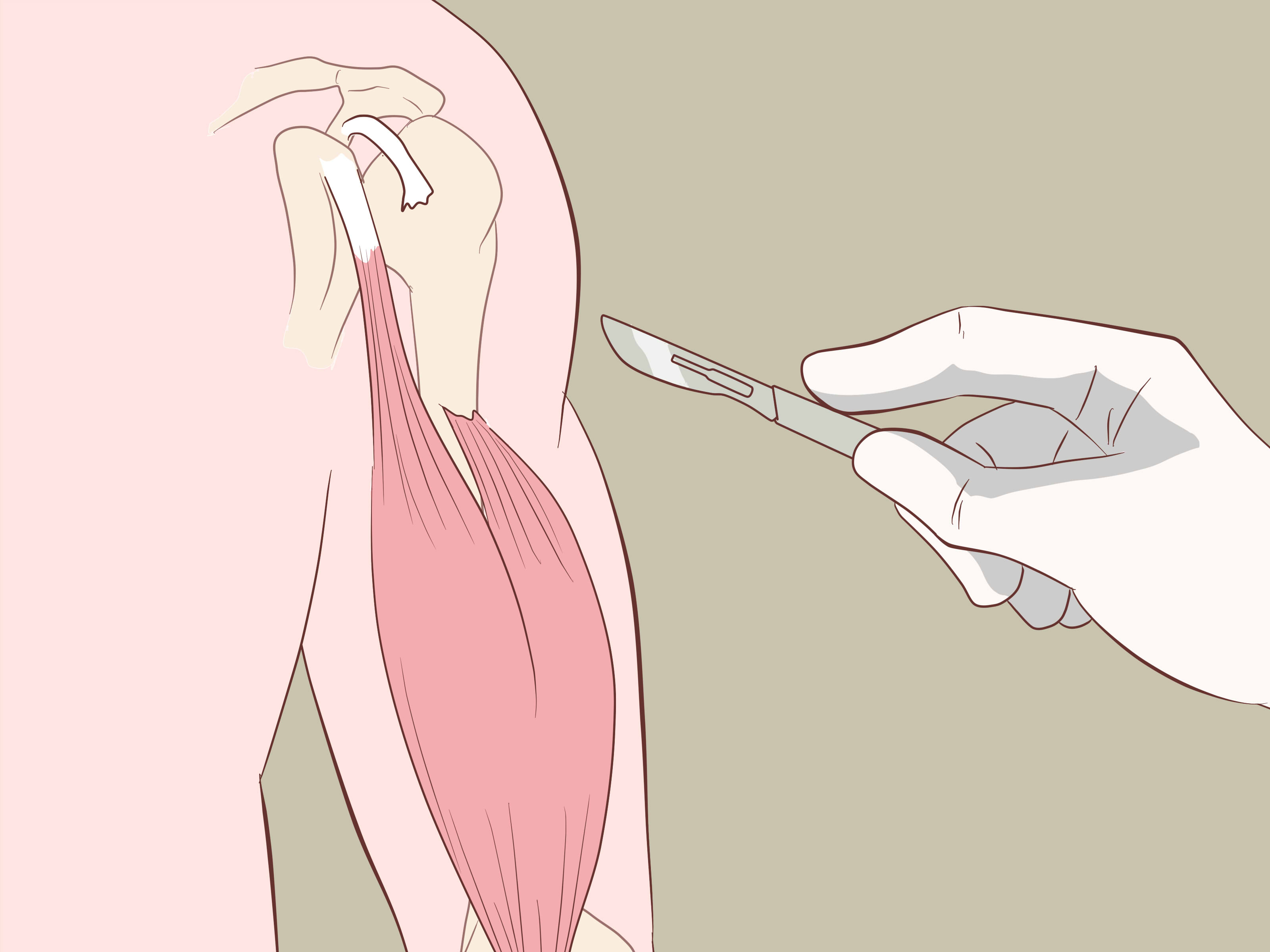
Bicep tendonitis is irritation or inflammation of one of the tendons that connect the biceps muscle to bone. The biceps muscle sits on the front of the upper arm and helps bend the elbow, rotate the forearm, and support shoulder movement. The tendon most often involved is the long head of the biceps tendon near the front of the shoulder, although irritation can also happen closer to the elbow.
In simple terms, the tendon becomes cranky. It may be overloaded by repeated lifting, overhead reaching, throwing, swimming, tennis, weight training, poor shoulder mechanics, sudden increases in activity, or age-related tendon wear. Bicep tendonitis often travels with other shoulder problems, such as rotator cuff irritation or shoulder impingement, because apparently one shoulder problem sometimes likes to bring friends.
Common Symptoms of Bicep Tendonitis
Bicep tendonitis symptoms can vary, but many people notice pain in the front of the shoulder that may travel down the upper arm. The pain often gets worse with overhead movements, lifting, carrying, pulling, pushing, or turning the palm upward against resistance. You may also feel tenderness in the groove at the front of the shoulder, stiffness, weakness, clicking, or discomfort at night when lying on the affected side.
Distal biceps tendon irritation near the elbow may cause pain in the front of the elbow, especially with lifting, gripping, or rotating the forearm. If you feel a pop followed by bruising, swelling, weakness, or a “Popeye” bulge in the arm, do not treat it like ordinary soreness. That may suggest a tendon tear and should be checked by a clinician.
Easy Ways to Treat Bicep Tendonitis: 12 Steps
1. Stop the Activity That Started the Pain
The first step is not glamorous, but it works: stop irritating the tendon. If curls, pull-ups, overhead presses, swimming laps, painting ceilings, or carrying heavy boxes are setting off pain, pause or modify those activities. This is called relative rest. It does not mean becoming a decorative couch pillow. It means avoiding the movements that trigger symptoms while keeping the rest of your body active.
For example, if overhead lifting hurts, switch temporarily to lower-body workouts, walking, cycling, or pain-free mobility work. If typing or desk posture makes the shoulder ache, adjust your workstation and take short movement breaks. The goal is to reduce tendon overload so healing can begin.
2. Use Ice During the Painful Phase
Ice can help reduce pain and swelling, especially after activity or during the first few days of a flare-up. Wrap an ice pack or bag of frozen peas in a thin towel and apply it to the painful area for about 15 to 20 minutes at a time. Do not put ice directly on bare skin unless you enjoy adding frostbite to your to-do list.
You can repeat icing several times per day when symptoms are irritated. Many people find it helpful after work, exercise, physical therapy, or any movement that causes a mild increase in soreness.
3. Consider Short-Term Anti-Inflammatory Medication If Safe
Over-the-counter nonsteroidal anti-inflammatory drugs, such as ibuprofen or naproxen, may reduce pain and inflammation for some people. Acetaminophen may help with pain but does not reduce inflammation. These medicines are not right for everyone, especially people with stomach ulcers, kidney disease, bleeding risks, certain heart conditions, blood thinner use, medication interactions, or pregnancy-related restrictions.
Use medication only as directed on the label or by your healthcare provider. If you need pain medicine every day just to function, that is a sign to get evaluated rather than simply upgrading your medicine cabinet into a tiny pharmacy.
4. Avoid Complete Immobilization Unless Directed
Rest is helpful. Total stillness for too long is not. If your shoulder or elbow stops moving for an extended period, stiffness can build up and slow recovery. A sling may be recommended briefly in some painful shoulder cases, but long-term use without medical guidance can create more problems.
Keep gentle, pain-free movement in your day. Think small shoulder rolls, relaxed arm swings, easy elbow bending, and normal daily movement that does not increase symptoms. The tendon needs calm, not exile.
5. Begin Gentle Range-of-Motion Exercises
Once sharp pain settles, gentle range-of-motion exercises can help maintain flexibility. These should feel easy, controlled, and pain-free. A common example is the pendulum exercise: lean forward with your unaffected hand supported on a table, let the sore arm hang relaxed, and gently move it in small circles. Another option is assisted shoulder flexion, where the unaffected arm helps guide the painful arm upward only as far as comfortable.
Do not force a stretch. Tendons are not impressed by dramatic gestures. If an exercise creates sharp pain, lingering pain, or increasing symptoms the next day, back off and ask a physical therapist or clinician for guidance.
6. Stretch the Biceps and Chest Carefully
Tightness in the biceps, chest, and front of the shoulder can contribute to poor shoulder mechanics. Gentle stretching may help, especially if you spend hours at a desk or driving. A simple doorway chest stretch can be useful: place your forearm on a doorframe, keep the shoulder relaxed, and gently turn your body away until you feel a mild stretch in the chest and front shoulder.
For a biceps stretch, extend the arm slightly behind you with the palm facing down or outward, then gently move until you feel a light stretch along the front of the upper arm. Hold stretches for a comfortable period, breathe normally, and avoid bouncing. Stretching should feel like a polite suggestion, not a courtroom interrogation.
7. Strengthen the Rotator Cuff and Shoulder Blade Muscles
Bicep tendonitis is often not just a biceps problem. The biceps tendon works in a busy neighborhood that includes the rotator cuff, shoulder blade muscles, chest, neck, and upper back. If those muscles are weak or poorly coordinated, the biceps tendon may take more stress than it should.
Physical therapy often includes exercises for the rotator cuff and scapular stabilizers. Examples may include band external rotations, rows, wall slides, shoulder blade squeezes, and light isometric exercises. The key word is light. Start with low resistance and excellent form. If your shoulder hikes up toward your ear during every movement, your body is basically waving a little red flag.
8. Rebuild Biceps Strength Gradually
Once daily activities are less painful and basic shoulder control improves, gradual biceps strengthening may begin. This might include gentle isometric holds, light resistance band curls, or slow dumbbell curls with very low weight. In later stages, some rehab programs use eccentric loading, where the muscle slowly lengthens under control.
Do not jump straight back to heavy curls, chin-ups, or preacher curls because the pain “feels mostly gone.” Tendons often complain after the fact. A useful rule is to increase load slowly and monitor symptoms for 24 hours. Mild discomfort during rehab may be acceptable for some people, but sharp pain or next-day worsening means the tendon is not ready.
9. Fix Technique Problems in Workouts and Daily Life
Bicep tendonitis often appears when workload rises faster than the tendon can adapt. Maybe you doubled your gym volume, moved apartments, painted three rooms, or decided that one weekend was enough time to become a competitive rock climber. Enthusiasm is wonderful; tendons prefer a calendar invitation.
Review your technique. During lifting, keep the shoulder blade stable, avoid swinging weights, and do not let the shoulder roll forward. During rows and curls, keep the wrist neutral and use a weight you can control. For overhead activities, take breaks and use ladders or tools that reduce awkward reaching. At work, avoid repeatedly lifting objects with the arm extended far from the body.
10. Improve Posture Without Becoming a Statue
Poor posture does not automatically cause every shoulder problem, but rounded shoulders and forward head posture can make the front of the shoulder more crowded and irritated. Instead of trying to sit “perfectly” all day, focus on changing positions frequently.
Set your monitor at eye level, keep frequently used items close, relax your shoulders, and take quick breaks to open the chest and move the upper back. A few shoulder blade squeezes, doorway stretches, or thoracic extensions over a chair can help counter hours of desk work. The best posture is often the next posture.
11. Sleep in a Shoulder-Friendly Position
Night pain is common with shoulder-related bicep tendonitis. Try not to sleep on the painful side. If you sleep on your back, place a pillow under the affected arm so the shoulder is supported slightly away from the body. If you sleep on the opposite side, hug a pillow to keep the sore arm from falling forward across your chest.
Small changes can make a surprisingly big difference. Your sleeping position should make the shoulder feel supported, not twisted into a shape normally seen in modern art.
12. Know When to See a Healthcare Professional
Many mild cases improve with home care, but medical evaluation is important if pain persists, worsens, limits daily activities, or keeps returning. See a healthcare provider if symptoms do not improve after a few weeks of careful self-care, if you have significant weakness, if your shoulder feels unstable, or if pain follows a fall or sudden injury.
A clinician may perform a physical exam and, when needed, order imaging such as ultrasound, X-ray, or MRI to look for related problems. Treatment may include physical therapy, prescription medication, guided corticosteroid injection into the tendon sheath, or, rarely, surgery when symptoms do not respond to conservative care or when a tear is present.
What Not to Do With Bicep Tendonitis
Do not keep testing the tendon every hour to “see if it still hurts.” Spoiler: it probably will if you keep poking the bear. Do not train through sharp pain. Do not mask symptoms with medication and then return to heavy lifting as if nothing happened. Do not stretch aggressively in the early painful stage. And do not assume every upper-arm pain is harmless muscle soreness.
Also avoid copying random exercise routines without considering your specific symptoms. Bicep tendonitis can overlap with rotator cuff injuries, labral issues, arthritis, nerve pain, and tendon tears. The best exercise for one person may be too aggressive for another.
How Long Does Bicep Tendonitis Take to Heal?
Recovery time depends on severity, age, overall health, activity demands, and how quickly the tendon stops being overloaded. Mild flare-ups may improve within a few weeks. More stubborn cases can take several months of consistent rehabilitation. Chronic tendinopathy may require a longer plan focused on progressive strengthening rather than quick inflammation control alone.
The most reliable recovery strategy is boring in the best way: reduce painful load, restore mobility, build strength gradually, improve mechanics, and return to activity step by step. Tendons love boring. Boring is where the magic happens.
Sample Gentle Recovery Plan
Week 1: Calm the Tendon
Focus on relative rest, ice, pain-free daily movement, and avoiding overhead lifting or heavy pulling. Use medication only if safe and appropriate. Keep the shoulder and elbow moving gently without forcing range.
Weeks 2 to 4: Restore Motion and Control
Add gentle stretching, light range-of-motion work, posture breaks, and basic shoulder blade exercises. If pain is improving, begin low-intensity rotator cuff and scapular strengthening. Keep loads light and controlled.
Weeks 4 to 8 and Beyond: Build Strength Gradually
Progress to light biceps strengthening, rows, band work, and functional movements. Return to sports, lifting, or overhead tasks slowly. Increase only one variable at a time: weight, repetitions, range, or frequency. Your tendon does not need a surprise party.
Real-Life Experiences With Bicep Tendonitis Recovery
People often describe bicep tendonitis as confusing because it does not always hurt during the exact moment of activity. One common experience is the “I felt fine at the gym, then my shoulder complained at 10 p.m.” pattern. Tendons can be sneaky like that. A person may do a set of curls, push through a few overhead presses, carry groceries home, and only later notice a deep ache in the front of the shoulder. That delayed feedback is why tracking symptoms for the next day matters so much.
Another common experience is frustration with rest. Many active people hear “rest” and imagine losing all fitness progress, which makes them want to bargain with the injury. They may say, “What if I just do lighter curls?” or “What if I only do pull-ups but skip curls?” The better approach is usually to train around the injury rather than through it. Lower-body strength, walking, stationary cycling, core work, and pain-free mobility can keep momentum going while the tendon calms down.
Desk workers often notice a different pattern. The pain may not come from sports at all. It may build after long hours with rounded shoulders, a mouse too far away, or frequent reaching for a laptop bag. In that case, the biggest win may be boring but powerful: move the mouse closer, support the forearm, take short posture breaks, and stop carrying everything on the sore side. Healing sometimes looks less like a dramatic rehab montage and more like finally adjusting your chair.
Parents and caregivers may struggle because “relative rest” sounds hilarious when a child needs to be lifted, laundry exists, and life refuses to pause. For them, small changes matter. Holding objects closer to the body, using both arms, switching sides, asking for help with heavy tasks, and breaking chores into shorter rounds can reduce tendon load. Nobody gets a trophy for carrying twelve grocery bags at once, although many of us have attempted this Olympic event in a parking lot.
Many people also learn that recovery is not perfectly linear. A shoulder may feel better for three days, then flare after a poor night’s sleep or one enthusiastic workout. That does not always mean starting over. It often means the tendon received more load than it was ready for. The smart response is to reduce intensity, return to the last comfortable level, and progress more slowly.
The most successful recovery stories usually involve patience, not heroics. People who improve tend to respect pain signals, follow a simple rehab plan, strengthen the shoulder blade and rotator cuff, and return to lifting gradually. They also stop treating warm-ups as optional. A few minutes of preparation can save weeks of annoyance. Bicep tendonitis may be stubborn, but with consistent care, many people return to work, workouts, hobbies, and daily life with stronger, smarter shoulders.
Conclusion
Bicep tendonitis is common, annoying, and very treatable in many cases. The best approach is not one magic trick but a practical combination: relative rest, ice, short-term pain control when safe, gentle mobility, progressive strengthening, improved posture, better lifting mechanics, and a gradual return to activity. Think of recovery as negotiating with a grumpy tendon. You do not want to ignore it, but you also do not want to give it the keys to your entire life.
If symptoms are mild and improving, home care and careful exercise changes may be enough. If pain persists, worsens, causes weakness, or follows a sudden injury, see a healthcare professional. Early guidance can prevent a small tendon problem from becoming a long, dramatic shoulder saga.