Editorial note: This article synthesizes real guidance from U.S. home-improvement, design, paint, and wallcovering sources including Bob Vila, Better Homes & Gardens, The Spruce, HGTV, Architectural Digest, This Old House, House Beautiful, Sherwin-Williams, Benjamin Moore, The Home Depot, and Lowe’s.
Bathroom wallpaper used to sound like one of those decorating ideas that looks fabulous on Pinterest and then quietly peels itself into despair by Labor Day. But times have changed. Modern wallcoverings are tougher, better engineered, and a lot more forgiving than the paper wallpapers that once curled at the first sign of steam. So yes, you can use wallpaper in a bathroom. You just have to be smarter than the humidity.
That means choosing the right type of wallpaper, putting it in the right location, prepping the walls properly, and treating ventilation like a non-negotiable part of the project. In other words, bathroom wallpaper is not a reckless act of decorating rebellion. It is a strategy. A stylish one, but still a strategy.
If you have been eyeing a moody botanical print, a tiny geometric pattern, or a dramatic mural for your powder room, consider this your green light. Here is how to make wallpaper in the bathroom work beautifully, and last longer than your last “quick weekend project” that somehow involved three hardware store runs and a snack break that turned into takeout.
Can You Really Put Wallpaper in a Bathroom?
Yes, but not every bathroom is equally wallpaper-friendly. A small powder room with no shower is the easiest place to use wallpaper because it has less steam, less splash, and fewer chances for moisture to mess with the adhesive. That is why powder rooms are often the boldest, most wallpaper-happy spaces in the house. They are tiny, they are low risk, and they love a little drama.
A full bathroom with a tub or shower is a different story. It is still possible, but you need to think about placement. Wallpaper holds up best on walls that are farther from direct water exposure. A vanity wall, a wall opposite the shower, or an upper wall above wainscoting can all work well. A shower surround, wet room, or spot that gets daily soaking is where wallpaper starts to lose the argument.
So the real answer is not just “yes.” It is “yes, with conditions.” Bathrooms are humid by nature, and steam can weaken adhesives, encourage seam lifting, and create the sort of hidden dampness mold enjoys far too much. The goal is not to pretend your bathroom is a living room with a sink. The goal is to design around moisture like an adult with a caulk gun and a plan.
The Best Wallpaper for Bathrooms
If you want wallpaper that can handle bathroom life, vinyl wallpaper is usually the strongest choice. Solid vinyl and vinyl-coated options are popular because they are more moisture-resistant, easier to wipe clean, and generally better equipped for humid spaces than delicate paper-based wallcoverings. Nonwoven wallpapers can also perform well, especially when paired with the right primer and mildew-resistant adhesive.
Best picks for bathroom wallpaper
- Solid vinyl wallpaper: durable, scrubbable, and a strong option for bathrooms
- Vinyl-coated wallpaper: more protective than standard paper, though still not invincible
- Nonwoven wallpaper: breathable and often easier to install and remove
- High-quality peel-and-stick vinyl: useful for renters or low-moisture baths, but more sensitive to heat and humidity than traditional pasted products
That last category deserves a small reality check. Peel-and-stick wallpaper in a bathroom can work, especially in a powder room or a well-ventilated space, but it is not always the long-haul champion people hope for. In steamy bathrooms, lower-tack products can bubble, lift at the seams, or discolor faster than pasted wallpaper. Translation: renter-friendly does not always mean shower-friendly.
Wallpaper types to avoid
- Grasscloth
- Silk or other delicate natural fibers
- Uncoated paper wallpaper
- Anything labeled for dry rooms only
- Low-quality peel-and-stick products in heavily used, steamy bathrooms
These materials may look gorgeous, but bathrooms are not the place to test their emotional resilience.
Where Wallpaper Works Best in a Bathroom
Placement matters almost as much as material. Even great wallpaper will struggle if it lives where steam and splashes hit it every day.
Smart places to use wallpaper
- Powder rooms: the safest and easiest choice
- Accent walls: especially away from the tub or shower
- Above tile or wainscoting: gives you style up top and splash protection below
- Ceilings in small baths: surprisingly dramatic and great for visual height
- Vanity walls with a backsplash: stylish and more protected from sink splatter
Wallpaper can be especially effective in small bathrooms because pattern tricks the eye. A tight print can make a tiny room feel layered and intentional. A vertical motif can make a low ceiling feel taller. A panoramic mural can make a boxy bathroom feel less like a utility closet and more like a destination.
In other words, wallpaper does not just decorate a bathroom. It changes the mood. Paint can be lovely, but wallpaper brings personality in a hurry.
How to Make Bathroom Wallpaper Last
This is the part where the pretty project becomes a practical one. If you skip prep, moisture wins. If you respect prep, wallpaper has a much better shot at a long, good-looking life.
1. Start with smooth, clean, dry walls
Wallpaper does not like textured walls, dusty walls, greasy walls, damp walls, or walls with mystery residue from a renovation that “definitely got finished.” The surface should be smooth, stable, and fully dry. If the wall was recently painted, give it enough time to cure before hanging wallpaper, especially if you are using peel-and-stick material.
2. Use wallpaper primer
A good wallpaper primer helps create an even surface, improves adhesion, and makes future removal less dramatic. In a bathroom, it also adds a little extra insurance against moisture problems. This is not the place to skip steps just because the primer aisle is emotionally exhausting.
3. Pick the right adhesive or product system
Some bathroom-friendly wallpapers are designed as paste-the-wall or prepasted products. Others need a separate adhesive. If you are using nonwoven wallpaper, a mildew-resistant adhesive is often a smart choice. If you are using peel-and-stick wallpaper, follow the manufacturer’s instructions carefully and do not apply it over walls that are still curing.
4. Seal vulnerable areas
In bathrooms, seams and edges matter. Clear decorator’s varnish can add extra protection over certain wallpapers, especially paper-based ones that need more moisture resistance. Clear silicone caulk where wallpaper meets baseboards or other splash-prone transitions can also help protect edges. The goal is simple: fewer places for moisture to sneak in like an uninvited relative with opinions.
5. Control humidity
This is the big one. Run the exhaust fan during showers and keep it going afterward. Open the door or window when possible. If your bathroom is always steamy, consider upgrading the fan or adding a dehumidifier. Good ventilation is what separates “bold design decision” from “why is the corner by the mirror bubbling?”
Bathroom Wallpaper Design Ideas That Actually Work
Once the practical side is handled, the fun begins. A bathroom is one of the best places in a house to take design risks because it is usually small. You do not need much wallpaper to make a huge visual impact, which means you can go bolder without turning the whole budget into confetti.
Popular bathroom wallpaper looks
- Botanical prints: timeless, lively, and ideal for traditional or cottage-style baths
- Geometric patterns: crisp and modern, especially in smaller spaces
- Moody dark florals: dramatic without requiring a full remodel
- Faux textures: linen, marble, or plaster-inspired prints for depth without heavy materials
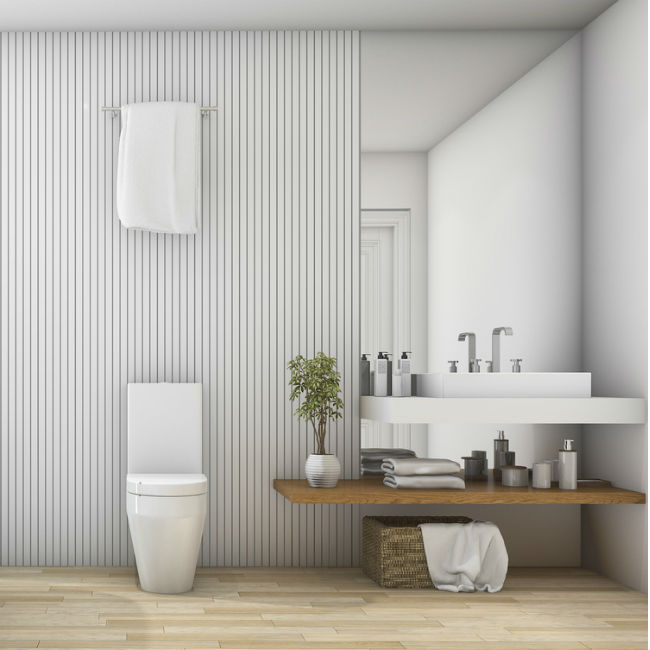
- Classic stripes: clean, tailored, and good for making walls feel taller
- Whimsical novelty prints: perfect in powder rooms where personality can shine
One of the smartest design moves is combining wallpaper with other bathroom finishes instead of asking it to do everything alone. Wallpaper above beadboard, tile, or painted paneling gives you visual richness while protecting the lower wall from everyday moisture and bumps. This layered approach also feels more custom and less like you simply pasted optimism onto drywall.
Common Bathroom Wallpaper Mistakes to Avoid
Most wallpaper failures in bathrooms are not caused by wallpaper itself. They come from bad placement, rushed prep, or ignoring the fact that steam is basically invisible weather.
Watch out for these mistakes
- Installing wallpaper inside the shower area or directly above the tub surround
- Using uncoated paper or natural fiber wallpaper in a humid bath
- Applying wallpaper over textured, dirty, or uncured walls
- Ignoring ventilation problems
- Choosing cheap peel-and-stick paper for a frequently used family bathroom
- Failing to protect seams, edges, and splash zones
If your bathroom already struggles with mildew, peeling paint, condensation, or poor airflow, solve those problems first. Wallpaper is a finish, not a fix. It will not cure moisture issues. It will simply reveal them with more flair.
How to Clean and Maintain Wallpaper in a Bathroom
Bathroom wallpaper does not need a dramatic maintenance routine, but it does need basic care. Dust it occasionally. Wipe washable wallpaper gently with a soft sponge or cloth, following the manufacturer’s cleaning guidance. Dry the surface after cleaning instead of leaving moisture sitting there. And if you notice lifting seams, address them early before they turn into a larger repair.
It also helps to reduce water sitting on surrounding surfaces. Wipe down counters, fix drippy faucets, and keep the room aired out. Wallpaper lasts longer in bathrooms that do not constantly behave like a tropical conservatory.
Experience-Based Lessons From Real Bathroom Wallpaper Projects
The most useful thing about bathroom wallpaper is not the sales pitch. It is the lived experience people have after the install, when the room has survived a few hot showers, a few rushed mornings, and at least one toothpaste incident. That is when the truth shows up.
One common experience is the “powder room victory lap.” Homeowners choose a bold wallpaper they would never dare use in a bedroom, install it in a half bath, and suddenly the tiniest room in the house becomes the one guests remember. The project feels manageable because the space is small, the material cost is lower, and there is almost no steam to fight. This is where adventurous patterns tend to thrive. Leopard print? Sure. Moody cranes? Absolutely. Weird vintage seashell motif? Frankly, the powder room can handle it.
Then there is the family-bathroom lesson, which is usually a bit more humbling. People often learn that wallpaper itself is not the problem; the bathroom conditions are. In homes where the exhaust fan is weak, nobody opens a window, and every shower resembles a fog machine at a reunion tour, even good wallpaper can struggle. Seams start to look suspicious. Corners lift. Adhesive loses its grip. Once ventilation improves, many of these problems become much easier to prevent. It is not glamorous advice, but the best wallpaper accessory in a full bathroom may be an upgraded fan.
Renters often have a different experience. They love peel-and-stick wallpaper because it feels low commitment, and in a powder room that can be a fantastic choice. But in steamy bathrooms, expectations need to stay realistic. A removable product may look beautiful on day one and still look good months later, but it is generally more sensitive to heat, moisture, and imperfect walls than a higher-end pasted wallpaper. Many renters find that careful wall prep and choosing a low-splash location makes the difference between “temporary chic” and “temporary tragedy.”
Another common lesson comes from people who rush the prep. They get excited, skip primer, ignore texture, or apply wallpaper over a wall that is not fully cured. At first, everything looks fine. Then the bubbles appear. Then one seam lifts. Then everyone starts saying things like, “Maybe it’s supposed to do that?” It is not supposed to do that. Bathrooms reward patience. The boring prep work is what makes the dramatic reveal look effortless later.
There is also a design lesson people talk about again and again: bathrooms can handle more pattern than you think. Because they are small, enclosed spaces, bold wallpaper often feels intentional rather than overwhelming. Many homeowners end up wishing they had gone bigger with the print, darker with the color, or more playful with the ceiling. In a bathroom, wallpaper has permission to be memorable.
So the overall experience is this: wallpaper in the bathroom works best when you treat it like a performance material, not just decoration. Choose the right type, respect the moisture, prep the wall properly, and let ventilation do its job. Do that, and the result can feel custom, charming, and much more expensive than it really was. Ignore those rules, and the wallpaper will eventually file a complaint in curls and bubbles.
Final Thoughts
So, can you wallpaper a bathroom? Yes, you absolutely can. The secret is using the right wallcovering in the right place with the right prep and airflow. Powder rooms are the easiest win, but even full bathrooms can pull off wallpaper if you keep it away from direct water, choose moisture-friendly materials, and stay serious about ventilation.
If you want an easy way to add color, pattern, and character without gutting the whole room, bathroom wallpaper is one of the smartest style upgrades available. It can make a builder-grade bath feel custom, turn a small room into a jewel box, and give guests something to compliment besides your hand soap. That alone may be worth the paste.