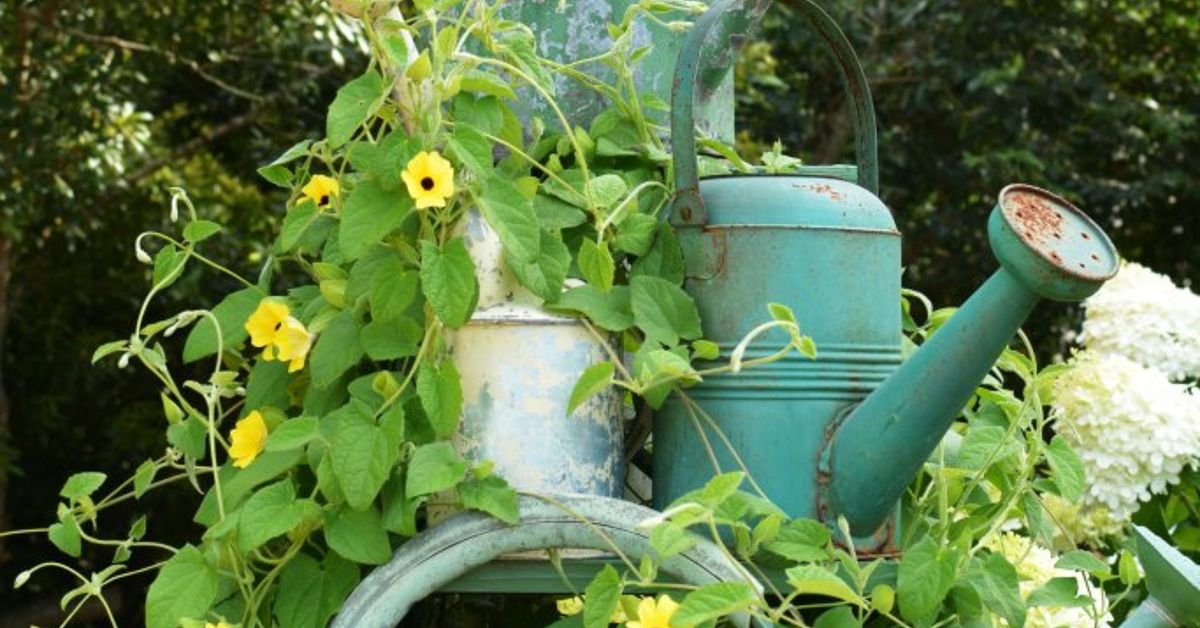
A ladder in the garden is usually there for one of two reasons: someone is fixing something, or someone forgot to put it away. But with a little imagination, that old wooden ladder leaning behind the shed can become one of the most charming garden trellises you will ever own. It adds height, character, cottage-garden personality, and just enough “I meant to do that” energy to make your backyard look thoughtfully designed rather than accidentally cluttered.
Using a ladder as a garden trellis is a smart way to support flowering vines, create vertical interest, save space, and recycle something that might otherwise end up in the landfill. Better yet, you do not need to be a master carpenter, landscape architect, or person who owns twelve kinds of drill bits. A sturdy ladder, a sunny spot, a few anchors, and the right easy-to-grow flowering vine can transform a plain garden corner into a blooming focal point.
Why a Ladder Makes a Surprisingly Good Garden Trellis
A ladder already has the basic shape a climbing plant wants: vertical rails, horizontal rungs, and open spaces where stems can weave, twine, or be gently tied. Unlike a flat store-bought trellis, a ladder brings instant structure. It looks good even before the plant covers it, which is helpful because vines, like people before coffee, need a little time to get going.
Vertical gardening is especially useful in small yards, patios, side gardens, and container gardens. Instead of letting plants sprawl across precious soil, a ladder trellis invites them upward. This creates more visual height, improves airflow around plants, and helps flowers become easier to see and enjoy. In a narrow garden bed, a ladder can turn a flat planting area into a layered display with flowers at eye level.
A ladder trellis also works beautifully as a design feature. A weathered wooden ladder can give a cottage garden a relaxed, romantic look. A painted ladder can add a bright accent in a modern backyard. A rustic orchard ladder can make a vegetable garden feel like it belongs in a magazine spread where nobody ever has weeds. Even a small stepladder can support a compact vine in a container on a balcony.
Choosing the Right Ladder for a Garden Trellis
Not every ladder deserves a second career in the flower bed. The best ladder for a garden trellis is sturdy, stable, and safe to leave outdoors. Wooden ladders are the most attractive and easiest to blend into a garden, but metal ladders can also work if they are not sharp, rusty, or wobbly. Avoid ladders with cracked rails, loose rungs, peeling mystery paint, or splinters that look like they have personal ambitions.
Wooden Ladders
Wooden ladders are ideal for a natural garden trellis. They are easy to paint, stain, distress, or leave as-is for a rustic look. If the ladder is old, inspect it closely. Tighten screws, sand rough spots, and seal the wood with an outdoor-safe finish if you want it to last longer. A weathered ladder can look beautiful, but “weathered” and “structurally questionable” are not the same thing.
Metal Ladders
A metal ladder can give the garden an industrial or farmhouse feel. It may last longer than wood, but it can heat up in strong sun and may not suit delicate stems as well. If using metal, make sure there are no sharp edges. A coat of outdoor paint can soften the look and help protect the surface.
Step Ladders and A-Frame Ladders
A-frame ladders are excellent for container displays because they stand on their own and create two climbing sides. You can place a large pot at the base of each side and train vines upward. A smaller step ladder is perfect for patios, porches, and balcony gardens. It can hold small pots on the steps while a vine climbs the side rails.
How to Turn a Ladder into a Garden Trellis
The process is simple, but a little preparation makes the difference between “adorable garden feature” and “why is there a ladder face-down in the petunias?”
1. Clean and Inspect the Ladder
Brush off dirt, cobwebs, loose paint, and old debris. Check the rungs and side rails. If anything shifts, wobbles, or cracks under light pressure, repair it before planting. Once vines begin climbing, the ladder becomes harder to move or fix.
2. Decide on the Style
For a cottage garden, leave the ladder natural or paint it white, sage, sky blue, or soft green. For a cheerful backyard accent, try coral, teal, sunflower yellow, or deep red. For a more elegant look, stain the wood dark brown or charcoal. Choose a color that contrasts with foliage so the ladder remains visible even after the vine fills in.
3. Seal or Protect the Surface
Outdoor moisture can shorten the life of untreated wood. Use an exterior-grade sealant, stain, or paint. Let it cure fully before placing the ladder near plants. If the ladder has very old paint, avoid aggressive sanding unless you know the paint is safe. When in doubt, seal over sound paint rather than creating dust.
4. Place It Before Planting
Install the ladder before sowing seeds or transplanting vines. This prevents root disturbance later. Set the ladder where the vine will receive the light it needs, usually full sun to part shade depending on the plant. Most flowering annual vines bloom best with generous sunlight and well-drained soil.
5. Anchor It Securely
A ladder covered in vines can catch wind like a leafy sail. Secure it with garden stakes, U-shaped landscape pins, rebar, zip ties, or wire attached to a fence or post. Push the feet slightly into the soil if possible. For containers, use a heavy pot and consider tying the ladder to a railing or wall hook.
The Best Easy-to-Grow Flowering Vines for a Ladder Trellis
The perfect ladder trellis vine should be beautiful, manageable, and light enough that it will not overpower the structure. Heavy woody vines may look romantic in theory, but on a lightweight ladder they can become botanical bodybuilders. For most home gardens, annual flowering vines or moderate perennial vines are the easiest choices.
Black-Eyed Susan Vine
Black-eyed Susan vine is one of the friendliest choices for a ladder trellis. It produces cheerful yellow, orange, white, or apricot flowers with dark centers, and it climbs by twining around supports. It is often grown as an annual in many parts of the United States and performs well on trellises, fences, arbors, and containers.
This vine likes full sun to part shade, rich well-drained soil, and regular moisture. It is not usually as aggressive as some fast-growing vines, making it a great match for a decorative ladder. On a painted ladder, orange or yellow blooms create a bright, happy look from summer into fall. Think of it as the garden version of a smiley face, but with better manners.
Morning Glory
Morning glory is famous for fast growth, heart-shaped leaves, and trumpet-shaped flowers in blue, purple, pink, white, and variegated shades. It is easy to grow from seed, loves warm soil, and quickly climbs a ladder once it gets started. Many gardeners nick or soak the seeds before planting to help improve germination.
Morning glory is a strong option when you want quick coverage, but it needs a little supervision. It can self-sow and may become weedy in some regions. Deadhead spent blooms or remove seed pods if you do not want volunteer seedlings next year. Give it full sun, well-drained soil, and a trellis or fence to climb, and it will usually take the hint.
Clematis
Clematis is a classic flowering vine with a more elegant personality. It is excellent for gardeners who want a perennial vine instead of a one-season display. Many clematis varieties prefer their flowering stems in sun and their roots cool, shaded, and evenly moist. A ladder trellis can work well if it is strong enough and placed where the plant receives adequate light.
Use clematis on a sturdier wooden ladder rather than a flimsy decorative one. Add mulch or low-growing plants at the base to shade the root zone. Clematis may take more patience than annual vines, but the payoff is worth it: large, beautiful blooms that make a garden feel instantly more polished.
Cardinal Climber and Cypress Vine
Cardinal climber and cypress vine bring red, hummingbird-friendly flowers and delicate foliage to a ladder trellis. These annual vines climb quickly and create an airy, lacy look rather than a dense green wall. They are especially attractive on narrow ladders because they decorate the structure without hiding it completely.
Sweet Pea
Sweet pea is a cool-season favorite with fragrant blooms in soft, romantic colors. It prefers cooler weather and may fade when summer heat becomes intense. In mild climates, it can be planted early for spring flowers. On a small ladder trellis near a walkway or seating area, sweet pea earns its keep with scent alone.
Hyacinth Bean
Hyacinth bean is bold, vigorous, and dramatic, with purple-tinged foliage, lavender flowers, and ornamental pods. It can cover a trellis quickly, so use it on a strong ladder and give it room. It is better for a large garden feature than a tiny patio ladder.
Mandevilla
Mandevilla offers tropical-looking flowers in pink, red, white, and peach tones. It is a lovely option for containers and can be trained up a ladder placed in a large pot. In cooler regions, gardeners often treat it as an annual or bring it indoors for winter. It is less aggressive than many vigorous vines, which makes it easier to manage on a decorative support.
Planting Around a Ladder Trellis
Good planting starts with the basics: sunlight, soil, water, and spacing. Place the ladder where the chosen vine can thrive. Most flowering vines want at least several hours of sun per day, though some appreciate afternoon shade in very hot climates. Soil should drain well because soggy roots rarely lead to happy flowers.
Plant seeds or transplants close enough to the ladder that young stems can find the support. For annual vines, two or three plants are often enough for a small ladder. More is not always better. A crowded planting may look lush for ten minutes and then become a tangled green wrestling match.
Water consistently while plants establish. Once vines begin climbing, guide them gently toward the rungs. Use soft garden twine, plant clips, or strips of cloth if needed. Avoid tying stems tightly; they need room to grow. As the plant fills in, check weekly for wayward stems, dead flowers, pests, and any signs that the ladder needs additional support.
Design Ideas for a Ladder Trellis
Cottage Garden Corner
Place an old wooden ladder in a flower bed and grow clematis or black-eyed Susan vine up the sides. Add lavender, salvia, coneflowers, or daisies around the base. The result is relaxed, colorful, and charming without looking too perfect.
Patio Container Ladder
Set a small ladder behind a large container filled with mandevilla, trailing petunias, and herbs. Train the vine upward while the lower plants spill over the pot edge. This works beautifully on patios and balconies where ground space is limited.
Vegetable Garden Accent
Use a ladder trellis at the end of a vegetable bed and grow edible or ornamental climbers such as climbing nasturtium, scarlet runner bean, or hyacinth bean. It adds flowers, pollinator appeal, and a bit of vertical drama to a practical space.
Fence Line Feature
Lean a ladder against a sturdy fence and tie it securely. Plant morning glory or black-eyed Susan vine at the base. This softens a plain fence and creates an attractive layered effect. Just remember to manage self-sowing vines before they decide the entire fence belongs to them.
Common Mistakes to Avoid
The first mistake is choosing a vine that is too heavy. Wisteria, mature grapevines, trumpet vine, and large woody climbers can overwhelm a light ladder. Save those for serious structures such as pergolas, heavy arbors, or permanent trellises.
The second mistake is failing to anchor the ladder. Even a medium-sized annual vine can add weight and wind resistance. Secure the ladder early, not after the first storm has introduced it to your neighbor’s lawn.
The third mistake is planting invasive or regionally problematic vines without checking local guidance. A plant that behaves politely in one climate may become a garden escape artist in another. Before planting vigorous vines, check your state extension service or local invasive plant list.
The fourth mistake is overfertilizing. Too much nitrogen can encourage leaves at the expense of flowers. For many flowering vines, moderately fertile soil and steady watering are better than constant feeding. If container plants need fertilizer, use a balanced or bloom-supporting product according to label directions.
Seasonal Care for a Ladder Trellis
In spring, clean the ladder, refresh paint or sealant if needed, and position it before planting. Start tender annual vines indoors if your growing season is short, or direct sow once the soil has warmed and frost danger has passed.
In summer, water deeply during dry spells, especially for container-grown vines. Train stems weekly and remove any growth that heads into nearby shrubs or walkways. Deadhead flowers or remove seed pods from self-sowing vines if you want better control.
In fall, collect seeds from annual vines if desired, cut back dead growth, and inspect the ladder for wear. If the ladder is portable, store it under cover for winter to extend its life. Perennial vines may need pruning depending on their type, so identify the plant before cutting too enthusiastically. Clematis, in particular, has different pruning groups, and guessing is how gardeners accidentally create green disappointment.
Experience Notes: What a Ladder Trellis Teaches You
The first thing you learn when using a ladder as a garden trellis is that plants are excellent decorators but terrible rule followers. You may imagine a vine climbing politely up the left rail, crossing the third rung, and framing the ladder like a living wreath. The vine may instead lunge sideways, hug a tomato cage, grab the nearby rose, and generally behave like it has been invited to a party with no seating chart. That is part of the fun. A ladder trellis is not about perfection; it is about guiding growth without draining the joy out of it.
The best experience comes from placing the ladder where you will actually see it. A ladder trellis hidden behind the garage may still grow flowers, but it will not give you that little spark of delight when you walk outside with morning coffee. Put it near a patio, along a path, at the end of a raised bed, or where a plain fence needs personality. Gardens are not only for plants. They are also for the gardener’s mood, and a flowering ladder has a way of making an ordinary Tuesday feel like it has better lighting.
Another lesson is to start with fewer plants than you think you need. One healthy black-eyed Susan vine or morning glory can cover more space than expected. New gardeners often plant five seedlings at the base of a small ladder because bare rungs look lonely in May. By July, the ladder has vanished, the vine is shaking hands with the gutter, and everyone involved needs a haircut. Two plants are often plenty for a medium ladder. One strong vine may be enough for a narrow support.
Containers make the project even more flexible. A ladder tucked into a large pot can move around the patio until you find the best combination of sun, visibility, and convenience. The trick is weight. Use a large container, quality potting mix, and a support system that keeps the ladder from tipping. A few stones at the bottom of the pot can add stability, though drainage still matters. Once the vine climbs, the whole display becomes top-heavy, so do not rely on wishful thinking as an anchoring method.
Paint color also matters more than expected. A green ladder disappears into foliage. That can be lovely if you want the flowers to float visually, but a contrasting ladder gives the whole project more charm. White looks classic, black looks modern, blue feels playful, and red turns the trellis into a garden exclamation point. Choose a color you enjoy before the vine grows, because repainting a ladder wrapped in stems is a delicate comedy nobody needs.
Finally, a ladder trellis teaches patience with a reward attached. For the first few weeks, you may wonder if anything exciting is happening. Then one warm stretch arrives, the vine begins climbing, and suddenly the rungs are dotted with buds. A few days later, flowers appear where there used to be plain wood. That is the real magic of this project: it takes something old and practical, gives it a new job, and lets a flowering vine make it beautiful.
Conclusion
Using a ladder as a garden trellis is one of those projects that feels almost too easy for how good it looks. It recycles an old object, saves garden space, supports climbing plants, and adds instant vertical charm. Whether you choose black-eyed Susan vine for cheerful color, morning glory for fast coverage, clematis for perennial elegance, or mandevilla for tropical flair, the key is matching the vine to the ladder’s strength, your climate, and your preferred level of maintenance.
Start with a sturdy ladder, anchor it well, plant in the right light, and guide the vines gently as they grow. Keep the plant watered, avoid overfeeding, and check regional guidance before planting anything known for aggressive spreading. With those basics handled, your ladder trellis can become a blooming centerpiece that looks creative, personal, and wonderfully alive.