Ultimate Frisbee is what happens when soccer’s constant movement, basketball’s spacing, football’s end zones, and a flying disc walk into a park and decide to become best friends. Officially, the sport is usually called ultimate, but many beginners search for Ultimate Frisbee rules, so we will use both terms here. The good news? Ultimate is easy to start, wildly fun to improve at, and one of the rare competitive sports where players are expected to call their own fouls without turning every disagreement into a courtroom drama.
This complete guide explains how to play Ultimate Frisbee, from basic field setup and scoring to turnovers, stall counts, fouls, positioning, strategy, and beginner-friendly examples. Whether you are joining a school team, a recreational league, a beach pickup game, or your first chaotic-but-beautiful Saturday park match, these rules will help you step onto the field with confidence instead of asking, “Wait, can I run with this thing?” every twelve seconds.
What Is Ultimate Frisbee?
Ultimate is a non-contact team disc sport played by two teams trying to score points by catching the disc in the opponent’s end zone. Players move the disc only by passing. Once you catch it, you must stop running as quickly as possible, establish a pivot foot, and throw to a teammate. If the pass is incomplete, intercepted, dropped, knocked down, or caught out of bounds, possession changes immediately.
A standard outdoor game is played seven-on-seven, though youth, beach, indoor, and recreational formats may use fewer players depending on field size and league rules. The sport is known for speed, endurance, creative throws, teamwork, and something called Spirit of the Game, which means players are responsible for fairness, honesty, safety, and respect.
The Objective of the Game
The objective is simple: score more points than the other team. A point is scored when an offensive player catches a legal pass in the end zone they are attacking. After each goal, teams switch the direction they are attacking, and the team that just scored throws the next pull to restart play.
Think of ultimate as a continuous passing game. You cannot hand the disc to a teammate, run while holding it, or dribble it like a basketball. The disc must travel through the air from one player to another. This is why cutting, timing, spacing, and communication matter so much. A team with average throws and smart movement can often beat a team with flashy throws but no plan.
Ultimate Frisbee Field Setup
A regulation outdoor ultimate field is rectangular, with a central playing area and an end zone at each end. A common setup uses a central zone of about 70 yards long and 40 yards wide, with end zones about 20 yards deep. Recreational leagues sometimes shorten the field when space is limited, especially for youth games, indoor games, or casual pickup.
Main Field Areas
- Central zone: The main playing area between the two end zones.
- End zones: Scoring areas at each end of the field.
- Goal lines: Lines separating the central zone from the end zones.
- Sidelines and backlines: Boundaries of the playing field.
- Brick mark: A marked spot used when a pull goes out of bounds and the receiving team chooses to start from the brick.
For a casual game, cones, shoes, water bottles, or backpacks can mark the corners. Just make sure everyone agrees where the lines are before play starts. Nothing ruins a beautiful layout catch faster than a five-minute debate over whether the imaginary sideline was actually two steps to the left.
Players and Positions
Standard ultimate is played with seven players per team on the field. Teams may have substitutes on the sideline, but substitutions usually happen only after a goal, during halftime, or because of injury. In recreational leagues, substitutions may be more flexible, so always check local rules before assuming.
Common Offensive Roles
Players are often described as handlers and cutters. Handlers are usually the primary throwers who move the disc around the backfield, reset the stall count, and control the tempo. Cutters run downfield, create space, and receive passes that move the offense toward the end zone.
Common Defensive Roles
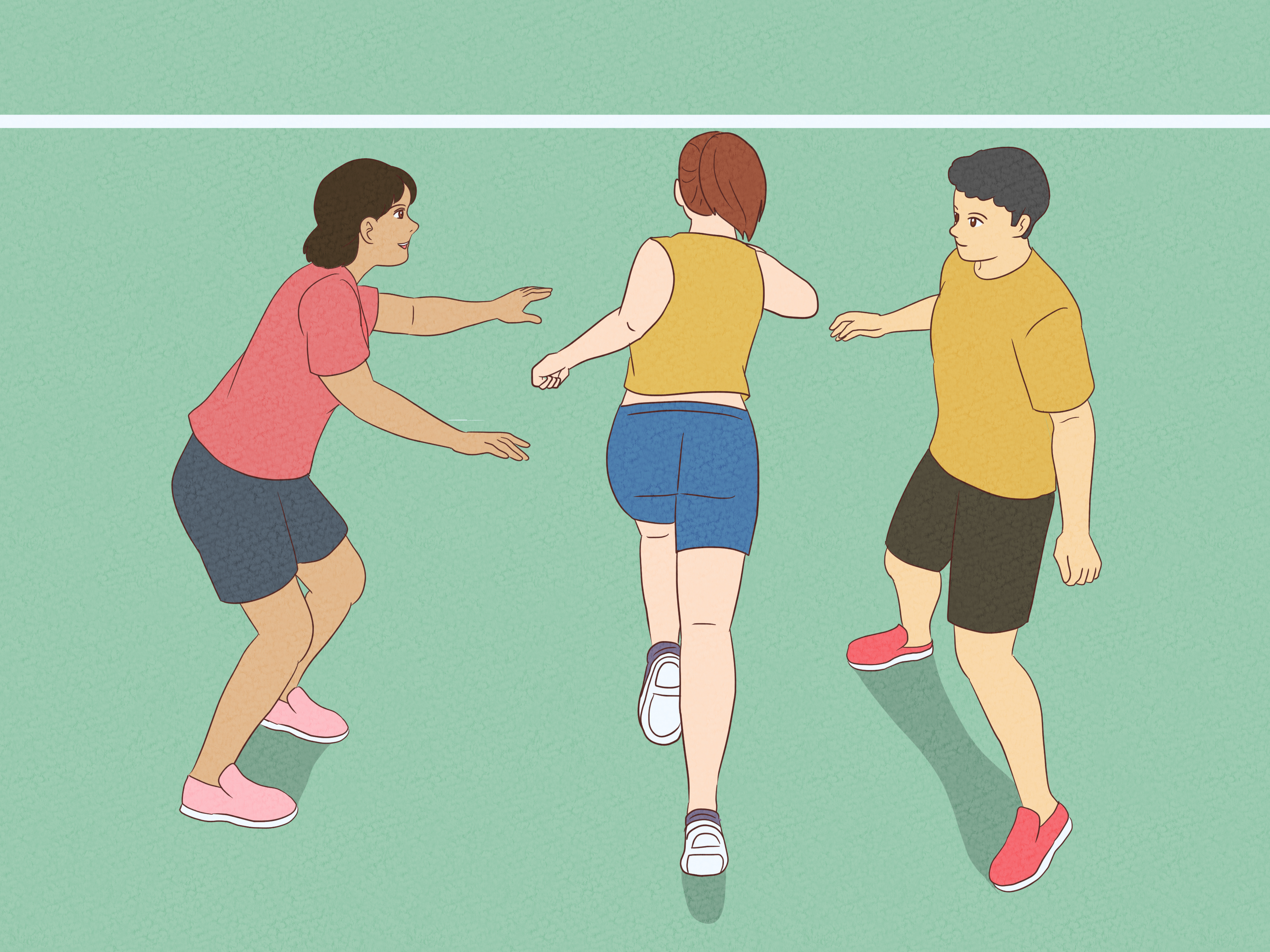
On defense, the player guarding the thrower is called the marker. The marker uses positioning, footwork, and an active but legal mark to pressure the throw. Other defenders cover cutters, protect open space, and try to force difficult passes. Defense in ultimate is not about body-checking. It is about positioning, anticipation, and making the easy throw look suddenly very unavailable.
How a Point Starts: The Pull
Each point begins with a pull, which is similar to a kickoff in football. Both teams line up in their own end zones. The defensive team throws the disc to the offensive team, and play begins once the pull is released. After a goal, the team that scored stays in that end zone and pulls to the opposing team, so both teams switch attacking directions after every point.
If the pull lands in bounds and is untouched, the receiving team starts from where the disc stops. If a receiving player catches the pull, play begins from that spot. If the pull goes out of bounds, the receiving team usually has options depending on the rules being used, such as bringing it to the sideline where it went out or calling “brick” and starting from the brick mark.
Moving the Disc
The most important rule for beginners is this: you cannot run with the disc. After catching it, you may slow down naturally, but you must stop as soon as possible and establish a pivot foot. Once your pivot is set, that foot stays planted while your other foot can move, just like in basketball.
The disc can be thrown in any direction: forward, backward, sideways, across the field, or even backward into your own end zone if that is the smartest option. Many new players think every throw should go toward the goal. Experienced players know that a safe backward reset can save a possession and make the next forward throw much easier.
Legal Ways to Advance the Disc
- Throwing a pass to a teammate.
- Pivoting to create a better throwing angle.
- Using short passes to move the defense.
- Resetting the disc backward or sideways when downfield options are covered.
Illegal Movement
A travel happens when the thrower moves illegally with the disc, changes pivot feet, or takes too many steps after catching. In casual games, players often explain the call and reset the thrower to the correct spot. In competitive games, travel calls follow more specific restart rules.
The Stall Count Explained
The thrower does not have forever to throw. The marker counts out loud by saying “stalling” and counting from one to ten. This is called the stall count. If the thrower has not released the disc by the proper count of ten, it is a turnover.
The stall count keeps the game moving. Without it, one player could hold the disc while everyone else wanders around like they are choosing snacks at a gas station. The count forces decisions, encourages quick movement, and rewards good defense.
Beginner Example
Imagine Jamie catches the disc near midfield. Taylor, the defender, marks Jamie and begins: “Stalling one, two, three…” Jamie pivots, fakes a backhand, looks downfield, and throws on stall six to Morgan. Legal play. If Jamie still has the disc when Taylor reaches the legal stall count of ten, the defense gains possession.
How to Score in Ultimate Frisbee
A team scores when a player catches a legal pass in the end zone they are attacking and maintains possession through the catch. The player’s first point of ground contact must be in the end zone for the catch to count as a goal. If a player catches the disc just outside the end zone and momentum carries them in, they must bring the disc back to the goal line and continue playing.
What Counts as a Goal?
- A player catches a legal pass in the attacking end zone.
- The player is in bounds.
- The player maintains possession after ground contact related to the catch.
What Does Not Count as a Goal?
- Catching the disc outside the end zone and running in.
- Landing out of bounds after the catch.
- Dropping the disc while completing the catch.
- Catching the disc in the wrong end zone.
Turnovers: When Possession Changes
A turnover means the other team immediately gets the disc. Ultimate has no tackling, no stealing the disc out of someone’s hand, and no complicated down system. If the offense fails to complete a pass, the defense becomes the offense right away.
Common Turnovers
- Drop: A receiver touches or catches the disc but fails to maintain possession.
- Incomplete pass: The disc hits the ground before being caught.
- Interception: A defender catches the disc.
- Block or knockdown: A defender legally knocks the disc to the ground.
- Out of bounds: The disc is caught or lands outside the field.
- Stall out: The thrower fails to release the disc before the stall count reaches ten.
After most turnovers, the new offense picks up the disc at the spot where the turnover occurred or at the proper spot on the field if the disc went out of bounds. Play can restart quickly, so players should be ready to switch from offense to defense instantly. In ultimate, celebrating a block for too long is a great way to watch your opponent score behind you.
Out-of-Bounds Rules
The perimeter lines are out of bounds. For a receiver to be in bounds, the first point of ground contact after catching the disc must be completely inside the field. If a player jumps from in bounds, catches the disc in the air, and lands out of bounds, the catch is out.
The disc itself may fly outside the sideline and come back in. That is legal as long as it is caught by an in-bounds player. This leads to some of ultimate’s most dramatic plays, including curving throws around defenders and sideline catches that make everyone nearby briefly forget how breathing works.
Fouls, Violations, and Non-Contact Play
Ultimate is a non-contact sport. Incidental contact can happen because players are sprinting, jumping, and changing direction at high speed, but dangerous or avoidable contact is not allowed. Players must make a real effort to avoid collisions.
Common Fouls
- Receiving foul: Contact affects a player’s ability to catch or defend a pass.
- Throwing foul: Contact affects the thrower’s throwing motion.
- Marking foul: The marker crowds, bumps, wraps, or illegally restricts the thrower.
- Strip: A defender causes the thrower or receiver to lose possession after control has been established.
Common Violations
- Travel: The thrower moves illegally with the disc.
- Pick: A defender is obstructed from guarding their player because another player is in the way.
- Fast count: The marker counts too quickly.
- Double team: More than one defender illegally marks the thrower in formats where this is not allowed.
- Disc space: The marker stands too close to the thrower.
When a foul or violation is called, play may stop, players discuss what happened, and the disc is returned or kept according to the rules. If the call is contested, the play often returns to the previous thrower. This system works because players are expected to be honest, calm, and fair.
Spirit of the Game
Spirit of the Game is the heart of ultimate. It means players compete hard while respecting opponents, knowing the rules, avoiding dangerous play, and making fair calls. Ultimate is often self-officiated, even at high levels, so players must act as both athletes and rulekeepers.
This does not mean ultimate is casual or soft. Competitive ultimate can be intense, fast, and physically demanding. Spirit simply means that winning does not excuse cheating, intimidation, reckless contact, or fake calls. A great player is not only someone who throws a perfect huck; it is someone who can admit, “You’re right, I was out,” even when nobody else saw it.
Basic Offensive Strategy
Good offense is built on spacing. If all seven players run toward the disc, the field becomes crowded and the thrower has no clean options. Instead, teams often use a structure such as a vertical stack or horizontal stack to create lanes for cutters.
Vertical Stack
In a vertical stack, cutters line up down the middle of the field. One or two players cut at a time into open space. This gives the thrower clear lanes on both sides and helps beginners understand when to move and when to wait.
Horizontal Stack
In a horizontal stack, cutters spread across the width of the field. This creates deep and underneath cutting lanes. It is great for teams that want to use the full field and attack space with timing.
Reset Throws
Every offense needs a reset option. When the stall count gets high, the thrower should have a nearby teammate available for a safe pass. Beginners often ignore resets because they want the heroic deep throw. Then stall seven arrives, panic enters the chat, and the disc becomes a souvenir for the defense.
Basic Defensive Strategy
Defense starts with the mark. The marker usually forces the thrower toward one side of the field, called the force side, while taking away throws to the other side, called the break side. Downfield defenders position themselves to protect the force side and make offensive cuts less dangerous.
Person Defense
In person defense, each defender guards one offensive player. The goal is to stay close, deny easy cuts, and pressure every catch. This is the easiest defensive system for beginners to learn.
Zone Defense
Zone defense assigns defenders to areas instead of specific players. It can be effective in windy conditions or against teams that struggle with patient passing. However, zone requires communication. Without it, a zone defense becomes seven people pointing in seven directions while one receiver stands wide open.
Essential Throws for Beginners
You can enjoy ultimate with just two basic throws: the backhand and the forehand. The backhand is usually easier for beginners, while the forehand opens up the other side of the field. As players improve, they may add inside-out throws, outside-in throws, hammers, scoobers, and other creative options. But the foundation is simple: throw accurately, throw on time, and throw to space.
Backhand
The backhand is the classic flying disc throw. Step across your body, keep the disc flat, snap your wrist, and aim through the target. A smooth backhand is more useful than a wild power throw that travels sixty yards in the wrong emotional direction.
Forehand
The forehand, also called the flick, uses a wrist snap from the throwing side of the body. It may feel strange at first, but it is essential for breaking marks and attacking both sides of the field.
Beginner Mistakes to Avoid
- Running after catching: Stop, pivot, and throw.
- Standing still after passing: Move again and create a new option.
- Throwing only forward: Use resets to keep possession.
- Clogging space: If someone is cutting, clear out and let them work.
- Ignoring the stall count: Know the count before it becomes an emergency.
- Arguing every call: Discuss calmly and respect the game.
Game Length and Winning
Game length depends on the format. Some games are played to a point total, such as 13 or 15. Others use time caps, especially in tournaments and recreational leagues. Halftime often occurs when one team reaches a set number of points. Local rules may adjust timeouts, substitutions, field size, and mixed-gender ratios.
If you are joining a league, read its specific rules before playing. Most leagues follow USA Ultimate or WFDF principles but may simplify details for beginner divisions. Pickup games are usually even more flexible: agree on the score target, count stalls clearly, avoid dangerous contact, and keep the game moving.
Practical Example: A Full Point in Ultimate
Team Blue scores, so Blue now pulls to Team White. White catches the pull near its own end zone. The first handler catches, pivots, and throws a short pass to another handler. A cutter sprints underneath for an easy gain. The marker counts “stalling one, two, three,” but the thrower releases on four. White moves the disc up the sideline, then resets backward when the defense blocks the forward lane.
Near the end zone, White tries a quick pass to a cutter. The cutter catches the disc just outside the goal line, so it is not a score. They bring the disc to the goal line, pivot, and throw to a teammate cutting across the front cone. The teammate catches the disc in bounds inside the end zone. Goal. White scores, both teams switch directions, and White pulls to Blue for the next point.
Real Playing Experience: What Ultimate Frisbee Teaches You on the Field
The first thing most new players learn about ultimate is that the disc has a personality. Some days it floats like a dream. Other days it behaves like it has somewhere else to be. That is part of the fun. Ultimate rewards skill, but it also teaches patience. You might start by chasing every throw, cutting at the wrong time, or launching deep passes because they look amazing in your imagination. Then you realize the best players are not always the ones throwing the farthest. They are the ones making smart decisions before the stall count turns into a countdown for disaster.
A typical beginner experience begins with confusion and quickly turns into addiction. At first, the rules feel unusual. You catch the disc and instinctively want to run. Someone says “travel,” and you freeze like you have been accused of a federal crime. Then a teammate explains the pivot rule, you try again, and suddenly the game makes sense. You learn to plant one foot, scan the field, fake a throw, and pass to space instead of directly at a teammate’s face. Progress arrives in small, satisfying moments.
Another experience unique to ultimate is learning how much communication matters. Calling “up” when the disc is thrown, saying “force home” or “force away” on defense, warning teammates about a deep cut, and calmly discussing fouls all become part of the rhythm. Quiet teams often struggle, even if they have athletic players. Loud, helpful teams feel connected. They move as one unit, recover from mistakes faster, and usually have more fun.
Wind is another great teacher. On a calm day, a beginner might think they have mastered the backhand. On a windy day, the same throw rises, flips, and sails into the next ZIP code. Wind forces players to keep throws flat, choose safer passes, and value possession. It also makes zone defense more effective because every long throw becomes a small weather experiment.
The best experience, though, is the spirit of the game in action. At some point, you will make a close catch near the sideline. Nobody else will have a perfect view. You will know whether your foot was in or out. Ultimate asks you to tell the truth. That moment is surprisingly powerful. It reminds players that competition does not need to erase honesty. The game is faster, cleaner, and more enjoyable when everyone protects that standard.
After a few games, ultimate starts changing how you see open space. You stop chasing the disc and start creating options. You learn when to cut, when to clear, when to reset, and when to take the easy throw. You discover that a simple five-yard pass can be just as valuable as a highlight-reel huck. And when your team strings together seven clean passes for a score, it feels less like random running and more like music with cleats.
Conclusion
Ultimate Frisbee is easy to begin and endlessly rewarding to learn. The basic rules are simple: pass the disc, do not run while holding it, catch it in the end zone to score, and treat incomplete passes as turnovers. The deeper beauty of the sport comes from timing, spacing, communication, defensive pressure, and Spirit of the Game. Whether you are playing in a serious league or marking end zones with backpacks at a neighborhood park, ultimate gives you a fast, friendly, and surprisingly strategic way to compete.
Learn the rules, respect your opponents, practice your throws, and keep moving after every pass. Do that, and you will quickly understand why so many players try ultimate “just once” and somehow end up owning three discs, two pairs of cleats, and strong opinions about wind direction.