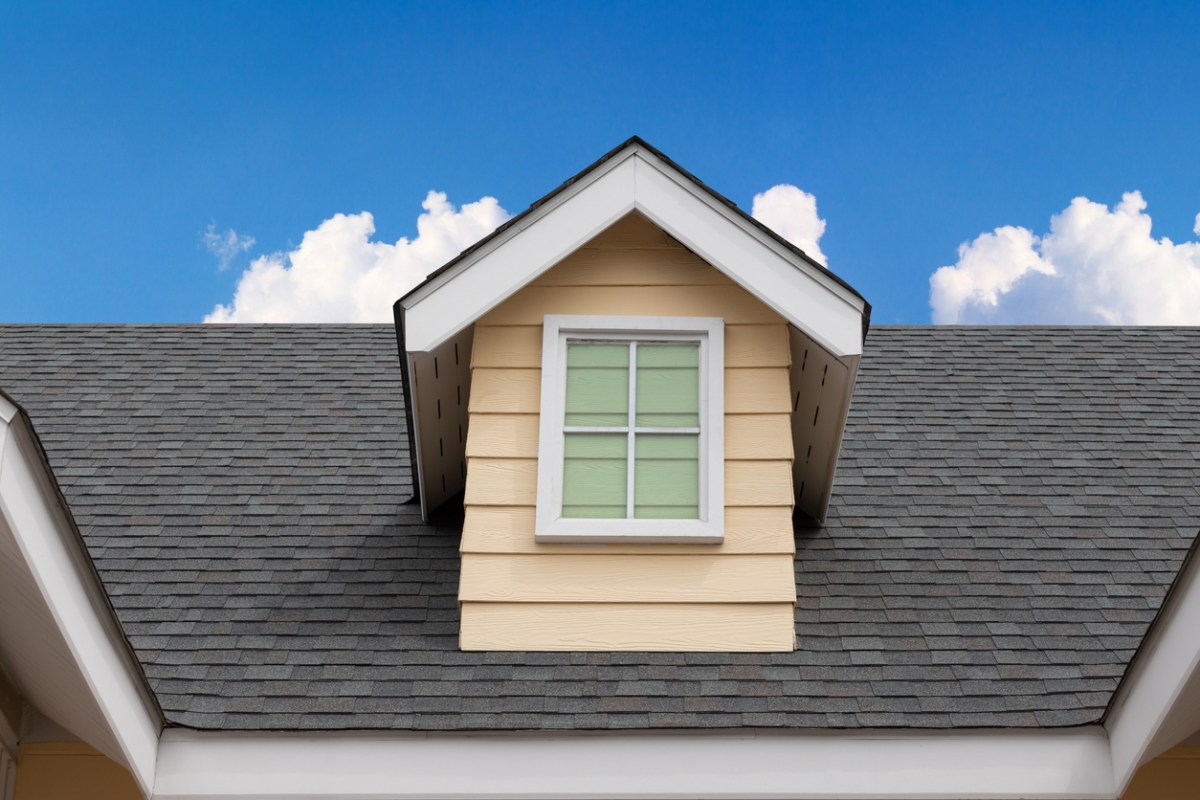
Choosing a roofing material is a little like choosing a hat for your house. It has to look good, handle bad weather, fit the budget, and not fly away at the first dramatic gust of wind. The right roof protects everything underneath it, from your attic insulation to the cereal boxes in your pantry. The wrong roof? Well, it can turn a rainy Tuesday into an indoor water feature nobody ordered.
Homeowners today have more roofing options than ever: asphalt shingles, metal roofing, clay tile, concrete tile, slate, wood shakes, synthetic shingles, solar roofing, and low-slope systems for flatter roof designs. Each material has its own personality. Asphalt shingles are the practical friend who shows up on time. Slate is the elegant old soul. Metal is the efficient overachiever. Clay tile is the Mediterranean vacation your house keeps dreaming about.
This guide breaks down the most common types of roofing materials, how they perform, where they work best, and what homeowners should consider before signing a roofing contract. The goal is simple: help you understand your options without needing a construction dictionary, a ladder, or three cups of coffee.
Why Roofing Material Matters More Than You Think
A roof is not just a decorative lid. It affects curb appeal, energy efficiency, insurance considerations, home value, ventilation, fire resistance, and long-term maintenance costs. Two homes on the same street can need very different roofing systems depending on roof pitch, climate, tree coverage, local building codes, and structural support.
For example, a steep-roofed Cape Cod in New England may perform beautifully with architectural asphalt shingles or standing seam metal. A Spanish-style home in Arizona may look and function best with clay or concrete tile. A historic property might deserve slate, while a budget-conscious starter home may be perfectly happy with quality asphalt shingles. Roofing is not one-size-fits-all, unless the “one size” is “please don’t leak.”
1. Asphalt Shingles
Best for: Affordability, versatility, and most American homes
Asphalt shingles are the most common residential roofing material in the United States, and for good reason. They are relatively affordable, easy to install, widely available, and offered in a huge range of colors and styles. If roofing materials had a popularity contest, asphalt shingles would arrive with a sash, a crown, and a very practical warranty packet.
There are three main types of asphalt shingles: three-tab shingles, architectural shingles, and premium designer shingles. Three-tab shingles are thinner and flatter, often used when budget is the top priority. Architectural shingles, also called dimensional shingles, are thicker and layered for a more textured look. Premium shingles can mimic slate or wood shakes while still using asphalt-based construction.
The biggest advantage of asphalt roofing is cost-effectiveness. It works with many roof styles, is available almost everywhere, and most roofing contractors know how to install it properly. Maintenance is also fairly straightforward: keep gutters clean, remove debris, replace damaged shingles promptly, and make sure the attic is ventilated.
The downside is lifespan. Asphalt shingles generally do not last as long as metal, tile, or slate. They can be affected by intense sun, poor ventilation, algae growth, hail, high winds, and repeated freeze-thaw cycles. Still, for many homeowners, asphalt shingles offer the best balance of price, performance, and appearance.
2. Metal Roofing
Best for: Durability, energy efficiency, and modern style
Metal roofing has gone from “barn roof” to “architectural statement” in a big way. Today’s metal roofs can look sleek and modern, rustic and traditional, or even like shingles, shakes, or tiles. Common metal roofing materials include steel, aluminum, zinc, and copper. Styles include standing seam panels, corrugated panels, metal shingles, and stone-coated metal panels.
One of metal roofing’s biggest strengths is longevity. A properly installed metal roof can last for decades, often outliving asphalt by a wide margin. Metal also sheds snow well, resists fire, and can reflect solar heat when coated with reflective finishes. In hot climates, that can help reduce cooling strain, which your air conditioner will appreciate even if it cannot send a thank-you card.
Metal roofing is also relatively lightweight compared with tile or slate. That makes it a useful option for homes that need durability without adding heavy structural loads. Many metal products are recyclable, and some contain recycled content, making them attractive to homeowners interested in sustainable building choices.
The trade-offs are cost and installation quality. Metal roofing typically costs more upfront than asphalt shingles, and it must be installed correctly to avoid problems with fasteners, seams, expansion, and condensation. It can also be noisier during heavy rain if the roof assembly lacks proper insulation, though many modern systems are quieter than people expect.
3. Clay Tile Roofing
Best for: Hot climates, Southwestern homes, and classic beauty
Clay tile roofing is instantly recognizable. It brings warmth, character, and a timeless look to Spanish, Mediterranean, Mission, and Southwestern-style homes. Clay tiles are made from natural clay that is shaped and fired, creating a hard, durable roofing product that can handle heat beautifully.
Clay tile is highly resistant to fire, rot, and insects. It performs especially well in hot, dry climates and coastal areas where salt air can punish lesser materials. The curved shape of many clay tiles also helps air circulate under the roof covering, which can support better thermal performance.
The big caution is weight. Clay tiles are heavy, and not every home is built to carry them. Before switching from asphalt shingles to clay tile, homeowners should have the structure evaluated by a qualified professional. Clay tile also costs more than asphalt and requires skilled installation. Walking on tile incorrectly can crack it, so this is not the roof to treat like a backyard patio.
For the right home and climate, clay tile can be a stunning long-term roofing choice. It is not subtle, but then again, neither is a red sports carand people still seem to like those.
4. Concrete Tile Roofing
Best for: Tile looks with added style flexibility
Concrete tile roofing offers many of the same benefits as clay tile, often with more design flexibility. Concrete tiles can be manufactured to resemble clay, slate, or wood shakes. They are durable, fire-resistant, and suitable for many architectural styles.
Concrete tiles are usually less expensive than premium clay tiles, though still more costly than asphalt shingles. They are also heavy, meaning the home’s framing must be able to support the load. Installation requires experience because tile roofs depend on proper underlayment, flashing, fastening, and drainage.
One important detail: concrete tile can absorb water more readily than clay in some conditions, and its color may fade over time. That does not mean it is a poor product. It simply means homeowners should understand maintenance expectations and choose a reputable manufacturer and installer.
5. Slate Roofing
Best for: Luxury homes, historic properties, and maximum longevity
Slate is the grand piano of roofing materials: beautiful, heavy, expensive, and not something you casually move around on a Saturday afternoon. Natural slate is made from stone split into thin roofing tiles. It has a refined appearance and can last exceptionally long when properly installed and maintained.
Slate is fire-resistant, resistant to rot, and visually distinctive. It is often used on historic homes, high-end custom properties, and buildings where long-term value matters more than low initial cost. Its natural color variations give each roof a unique look that manufactured products often try to imitate.
However, slate has two major challenges: weight and price. It requires a strong roof structure and a contractor with specialized experience. Repairs can also be more complicated because matching existing slate may be difficult. Walking on slate can crack tiles, so maintenance should be handled carefully.
For homeowners with the budget and structure to support it, slate can be one of the most durable and beautiful roofing materials available. It is not the cheapest hat for your house, but it may be the classiest.
6. Wood Shingles and Wood Shakes
Best for: Natural charm, rustic homes, and traditional character
Wood roofing has a warm, natural appearance that many synthetic materials try very hard to copy. Wood shingles are usually machine-cut for a smoother, more uniform look, while wood shakes are split or sawn for a thicker, more textured appearance. Cedar is a common choice, though other woods may be used.
Wood shingles and shakes work especially well on cottages, cabins, Craftsman homes, and rustic designs. They weather to a soft gray over time, creating a lived-in character that says, “Yes, this house reads books by a fireplace.”
But wood roofing requires more maintenance than many alternatives. It can be vulnerable to moisture, mold, insects, and fire depending on treatment, climate, and local code requirements. Some areas restrict wood roofing because of wildfire concerns. Homeowners should check local building rules and insurance requirements before choosing wood.
Wood roofing can be beautiful, but it is not a set-it-and-forget-it product. It needs ventilation, cleaning, inspections, and sometimes treatment to perform well over time.
7. Synthetic Roofing Materials
Best for: Imitating slate, shake, or tile with less weight
Synthetic roofing materials are designed to mimic traditional products such as slate, cedar shakes, or tile. They may be made from rubber, plastic polymers, recycled materials, engineered composites, or blends of several ingredients. Their main appeal is simple: get the look of a premium roof without all the weight, fragility, or cost.
High-quality synthetic slate or shake can look surprisingly convincing from the curb. Many products are lighter than natural slate or tile, making them easier to install on homes that cannot support heavy roofing. Some synthetic roofs also offer strong impact resistance and good weather performance.
The key is research. Synthetic roofing is a broad category, and products vary widely. Homeowners should review testing standards, fire ratings, wind ratings, warranty terms, and local contractor experience. A synthetic roof can be a smart choice, but only if the product has a proven track record and is suitable for the home’s climate.
8. Solar Shingles and Solar Roofing
Best for: Homeowners who want energy production built into the roof
Solar roofing combines weather protection with electricity generation. Instead of installing traditional solar panels on top of a roof, solar shingles or solar tiles become part of the roofing surface. The result can look cleaner and more integrated than rack-mounted panels.
Solar shingles are best suited for homeowners who need a new roof anyway and want to invest in renewable energy at the same time. They can be visually appealing and may work well in neighborhoods where traditional solar panels are less desirable for aesthetic reasons.
The downsides are cost, complexity, and availability. Solar roofing requires coordination between roofing and electrical professionals. It may not be ideal for shaded homes, north-facing roof planes, or roofs with complicated layouts. Homeowners should compare solar shingles with traditional solar panels to see which option produces better value.
9. Low-Slope and Flat Roofing Materials
Best for: Modern homes, additions, porches, and low-pitch roofs
Not every roof has a steep pitch. Some homes, additions, garages, and modern designs use low-slope or nearly flat roof sections. These roofs need different materials because water drains more slowly. Standard shingles are usually not the right choice for very low slopes because wind-driven rain can work its way under them.
Common low-slope roofing materials include modified bitumen, built-up roofing, single-ply membranes such as TPO or EPDM, and certain metal systems. These materials are designed to create a more continuous waterproof surface.
Low-slope roofing is not an area for guesswork. Drainage, seams, flashing, insulation, and roof penetrations all matter. If your home has a flat or low-slope section, choose a contractor with specific experience in that type of system.
How to Choose the Best Roofing Material for Your Home
Consider your climate
Climate should be one of the first filters. Hot, sunny areas may benefit from reflective roofing, tile, or cool-roof products. Snowy regions may favor metal or durable architectural shingles. Coastal homes need materials that can handle salt air and wind. Wildfire-prone areas should prioritize fire-rated roofing materials.
Check roof pitch and structure
Some materials require a minimum slope. Others, such as slate and tile, require strong framing because of their weight. Before falling in love with a roofing material, make sure your house can actually support it. A roof should not be chosen purely by vibes, even if the vibes are excellent.
Balance upfront cost with lifetime value
Asphalt shingles usually cost less upfront, but they may need replacement sooner than metal, tile, or slate. A premium material may cost more today but offer better long-term value if you plan to stay in the home for decades. If you might sell soon, curb appeal and local buyer expectations also matter.
Think about maintenance
Some roofs need more attention than others. Wood shakes require regular care. Tile and slate can last a long time but may need specialized repair. Metal is generally low maintenance but must be inspected for coating wear, sealant issues, and fastener concerns depending on the system.
Review warranties carefully
Roofing warranties can be confusing. A “lifetime” warranty does not always mean what homeowners imagine it means. Read the details about material defects, workmanship coverage, transferability, wind coverage, algae resistance, and required installation accessories. The fine print is not exciting, but neither is discovering exclusions after a storm.
Common Roofing Mistakes to Avoid
One common mistake is choosing a roof based only on color. Color matters, but performance matters more. A beautiful roof that fails early is just an expensive regret with shingles.
Another mistake is ignoring ventilation. Poor attic ventilation can shorten the life of asphalt shingles, increase heat buildup, and contribute to moisture problems. Good roofing is a system: decking, underlayment, flashing, ventilation, drainage, and roof covering all work together.
Homeowners should also avoid automatically choosing the cheapest bid. A low price may leave out important details such as proper underlayment, flashing replacement, drip edge, ventilation improvements, permit fees, or cleanup. Compare proposals line by line, not just by the final number.
500-Word Experience Section: Real-World Lessons About Choosing Roofing Materials
After talking with homeowners, reading roofing guides, and looking at how different roofs age in real neighborhoods, one thing becomes obvious: the best roofing material is rarely the fanciest one. It is the one that fits the house, the climate, the budget, and the owner’s tolerance for maintenance. A roof is not just a product; it is a long-term relationship. And like any relationship, it works better when expectations are clear before anyone signs paperwork.
One practical experience many homeowners share is that asphalt shingles are often the easiest decision when the budget is tight and the home is conventional. They are familiar, contractors install them every day, and replacement is straightforward. But the lesson is to avoid the absolute cheapest version unless the situation truly demands it. Architectural shingles often provide a richer appearance and better performance than basic three-tab shingles, making them a strong middle-ground choice for many homes.
Metal roofing teaches a different lesson: upfront cost can be intimidating, but long-term value may be impressive. Homeowners who choose metal often appreciate its durability during storms and its cleaner look on modern or farmhouse-style homes. However, installation quality is everything. A poorly installed metal roof can turn a premium material into a premium headache. The smartest approach is to ask contractors about panel type, coating, fasteners, underlayment, ventilation, and past projects in the same region.
Tile and slate offer another real-world reminder: beauty has weight. Literally. Many homeowners love the look of clay tile, concrete tile, or slate, but not every house is built for those materials. Before upgrading to a heavy roof, a structural evaluation is essential. Skipping that step is like buying a grand piano for a canoe. Impressive? Yes. Sensible? Not particularly.
Wood shakes and shingles often attract homeowners who want character. They can make a home feel warm and natural in a way few materials can match. But the experience side of wood roofing is all about maintenance and location. In damp climates, shaded areas, or fire-prone regions, wood may require extra care or may not be allowed at all. Always check local codes and insurance rules before committing.
Synthetic roofing is increasingly appealing because it promises premium looks with fewer structural concerns. The practical advice here is to look beyond the brochure. Ask how long the product has been on the market, what testing it has passed, and whether local roofers have experience installing it. A product can look wonderful online and still be the wrong fit for a specific house.
The biggest experience-based tip is simple: choose the installer as carefully as the material. Even the best roofing product can fail if flashing is sloppy, nails are misplaced, ventilation is ignored, or shortcuts are taken around chimneys and valleys. A good roof is built in the details homeowners rarely see. That is why references, licensing, insurance, written scopes, and clear warranties matter.
In the end, roofing is about confidence. When rain hits at 2 a.m., you do not want to wonder whether the bargain bid was too good to be true. You want to roll over, hear the rain, and think, “Nice try, weather.”
Conclusion
The best roofing material depends on your home’s structure, climate, style, budget, and long-term plans. Asphalt shingles remain the practical favorite for many American homeowners. Metal roofing offers durability and energy-conscious performance. Clay and concrete tile bring timeless beauty to warm-climate architecture. Slate delivers unmatched elegance and longevity for homes that can support it. Wood provides natural charm but asks for more care. Synthetic materials offer creative alternatives, while solar roofing brings energy production into the conversation.
Before choosing, compare not only price but lifespan, maintenance, weight, fire resistance, energy performance, and installer expertise. A roof is a major investment, but with the right material and a qualified contractor, it can protect your home beautifully for decades. In other words: pick wisely, install properly, and your roof may become the quiet hero of the houseworking every day without asking for applause.