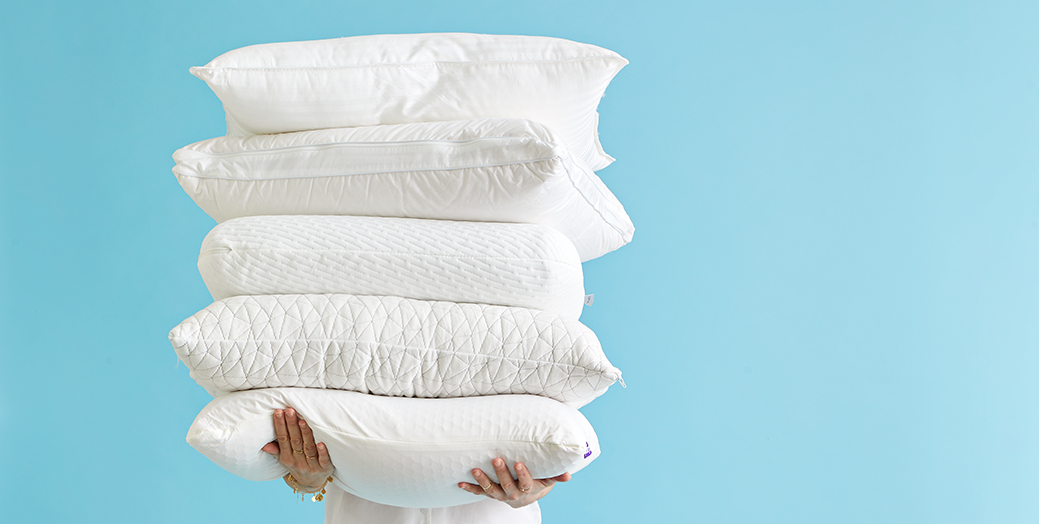
Choosing a pillow sounds simple until you are standing in the bedding aisle, staring at memory foam, latex, down, down alternative, cooling gel, buckwheat, cervical contours, wedges, body pillows, and something that looks suspiciously like it was designed by NASA after three espressos. The humble pillow has become a full-blown sleep accessory with opinions, personality, and occasionally a price tag that makes you question your life choices.
But here is the truth: the best pillow is not the fluffiest, fanciest, or most aggressively marketed one. The best pillow is the one that keeps your head, neck, and spine in a comfortable, neutral position while matching your sleep style, body shape, mattress firmness, temperature needs, and personal comfort preferences. In other words, your pillow should behave like a reliable friend: supportive, not clingy; soft, not spineless; and never the reason you wake up grumpy.
This guide breaks down the major types of pillows by material, shape, and sleep position so you can stop playing bedtime roulette and start choosing with confidence.
Why the Right Pillow Matters
A pillow does more than give your head somewhere to land after a long day. It helps maintain spinal alignment, supports the natural curve of the neck, reduces pressure around the shoulders, and can influence how comfortably you breathe and move during sleep. A pillow that is too high may push your neck upward. A pillow that is too low may let your head drop. A pillow that is too soft may collapse halfway through the night like it has given up on its dreams.
Good pillow support is especially important for people who wake up with neck stiffness, shoulder tension, headaches, or upper back discomfort. While a pillow cannot cure every sleep problem, the wrong one can absolutely make small issues louder. Think of it as the difference between sleeping on a well-designed support system and sleeping on a decorative marshmallow.
Types of Pillow Materials
Pillow material affects firmness, contouring, breathability, durability, allergy friendliness, care requirements, and overall feel. Some materials hug your head. Others gently lift it. A few sound like a tiny rainstick when you move, which some people find soothing and others find deeply suspicious.
Memory Foam Pillows
Memory foam pillows are made from viscoelastic foam that responds to heat and pressure. They contour around the head and neck, providing a molded, supportive feel. This makes them popular for people who want pressure relief and stable neck support.
Memory foam comes in two common styles: solid foam and shredded foam. Solid memory foam pillows often have a smooth, structured shape and may include ergonomic curves. Shredded memory foam pillows feel more adjustable and breathable because the foam pieces can shift and be fluffed.
Best for: back sleepers, side sleepers, people with neck support needs, and sleepers who like a contouring feel.
Potential downside: some memory foam retains heat, and new foam may have a temporary smell. Hot sleepers may prefer ventilated, gel-infused, or shredded versions.
Latex Pillows
Latex pillows are known for responsive support. Unlike memory foam, which slowly hugs and molds, latex pushes back gently and springs into shape quickly. This makes it easier to change positions during the night without feeling trapped in a foam crater.
Natural latex is often made from rubber tree sap, while synthetic or blended latex options are also available. Latex pillows may come as solid molded foam or shredded fill. They usually feel buoyant, supportive, and durable.
Best for: side sleepers, back sleepers, combination sleepers, and people who want support without the slow sink of memory foam.
Potential downside: latex can be heavier and more expensive than other pillow materials. People with latex allergies should avoid it or consult a healthcare professional before use.
Down Pillows
Down pillows are filled with the soft undercoating from ducks or geese. They are light, fluffy, and luxurious, the bedding equivalent of sleeping on a polite cloud. Down compresses easily, which makes it soft and shapeable.
Best for: stomach sleepers, sleepers who like a soft pillow, and anyone who enjoys fluffing their pillow into just the right shape.
Potential downside: down may not provide enough structured support for some side sleepers. It can also trigger sensitivities in some people and usually requires more careful cleaning.
Down Alternative Pillows
Down alternative pillows are usually filled with polyester fibers designed to mimic the softness of down. They are often more affordable, easier to clean, and suitable for people who avoid animal products or have down sensitivities.
Best for: budget-conscious shoppers, allergy-sensitive sleepers, guest rooms, and people who want a soft pillow with easy maintenance.
Potential downside: cheaper down alternative pillows may flatten faster and need replacing sooner than higher-quality foam or latex options.
Polyester Fiberfill Pillows
Polyester pillows are common, inexpensive, lightweight, and widely available. They can feel soft or medium-firm depending on the amount and quality of fill. They are also usually machine washable, which is a nice bonus for anyone who believes bedding should not require an instruction manual thicker than a cookbook.
Best for: guest beds, children’s rooms, short-term use, and shoppers who want an affordable basic pillow.
Potential downside: polyester fill may clump or flatten over time, reducing support.
Buckwheat Pillows
Buckwheat pillows are filled with buckwheat hulls, the outer shells of buckwheat seeds. They feel firm, adjustable, and highly breathable. The hulls shift to conform to the head and neck while still holding shape well.
Best for: hot sleepers, people who like firm support, and those who want an adjustable natural fill.
Potential downside: buckwheat pillows are heavier than most pillows and may make a rustling sound when you move. Some sleepers find that charming; others feel like they are sleeping inside a snack bag.
Kapok Pillows
Kapok is a natural plant fiber from the seed pods of the kapok tree. It is light, silky, and often used as a vegan alternative to down. Kapok pillows feel soft and airy while still offering more body than traditional down.
Best for: eco-minded shoppers, vegan households, and sleepers who want a plush but plant-based pillow.
Potential downside: kapok may compress over time and often requires regular fluffing.
Wool Pillows
Wool pillows are naturally breathable and moisture-wicking. They can help regulate temperature by moving moisture away from the body, making them useful for sleepers who run warm but dislike the feel of foam.
Best for: hot sleepers, people who prefer natural materials, and those who want a medium-firm feel.
Potential downside: wool pillows can feel denser and less lofty than down or polyester options.
Cotton Pillows
Cotton pillows are breathable, natural, and generally firmer than down or polyester pillows. They are often used by people who prefer simple materials and minimal synthetic content.
Best for: sleepers who want a breathable, natural, firmer pillow.
Potential downside: cotton can compress and become hard over time if not maintained properly.
Cooling Pillows
Cooling pillows are designed to reduce heat buildup. They may use gel-infused foam, ventilated latex, breathable covers, phase-change materials, or moisture-wicking fabrics. Some feel cool immediately; others focus on airflow and heat dispersion over time.
Best for: hot sleepers, night sweaters, foam lovers who overheat, and anyone who has flipped their pillow to the “cool side” so many times it counts as exercise.
Potential downside: cooling claims vary. Breathability, cover fabric, room temperature, and pillowcase choice all affect performance.
Types of Pillow Shapes
Pillow shape matters almost as much as material. The right shape can support your sleeping position, reduce gaps between your body and mattress, and help you stay comfortable longer.
Standard Rectangular Pillows
The classic rectangular pillow is the all-purpose option found in most bedrooms. It works for many sleepers and comes in standard, queen, and king sizes. Its versatility makes it a safe choice, but the fill and loft still need to match your sleeping position.
Contour or Cervical Pillows
Contour pillows are shaped to support the neck and cradle the head. Many have a raised edge for the neck and a lower center for the head. These pillows are often made from memory foam or latex.
They can be helpful for back sleepers and some side sleepers, especially those who need more structured neck support. However, the shape must fit your body. A contour pillow that is too high or too rigid can feel less like ergonomic support and more like sleeping on a small architectural project.
Wedge Pillows
Wedge pillows are triangular pillows that elevate the upper body or legs. They are often used by people who want incline support for reading, relaxing, acid reflux comfort, congestion, snoring, or certain medical needs. They can also be used under the knees to reduce lower back strain while lying on the back.
For upper-body elevation, a wedge should support more than just the head. Stacking regular pillows under your head may bend the neck awkwardly, while a wedge creates a more gradual incline.
Body Pillows
Body pillows are long pillows designed to support the arms, knees, hips, and torso. They are especially useful for side sleepers and pregnant sleepers because they can reduce twisting and help keep the body aligned.
A body pillow can also help combination sleepers stay on their side. It is basically a sleep guardrail, but softer and less likely to make your bedroom look like a bowling alley.
Knee Pillows
Knee pillows are small pillows placed between the knees while side sleeping. They help reduce hip rotation and may ease pressure on the lower back. Some are hourglass-shaped to fit comfortably between the legs.
Bolster Pillows
Bolster pillows are cylindrical pillows used under the neck, knees, ankles, or lower back. They can support targeted areas and are common in yoga, massage, and relaxation setups.
Travel Pillows
Travel pillows support the neck while sitting upright. U-shaped pillows are common, though newer designs may wrap around the neck or support the chin. The goal is to reduce head bobbing, which is useful on airplanes, trains, and any car ride where you are not the driver.
Best Pillow by Sleep Position
Your sleep position is one of the most important factors in choosing a pillow. The goal is simple: keep your neck aligned with the rest of your spine. The execution, unfortunately, is where pillows start auditioning like reality show contestants.
Best Pillows for Side Sleepers
Side sleepers usually need a higher-loft pillow to fill the space between the ear and shoulder. Without enough height, the head drops downward. With too much height, the head tilts upward. Either way, the neck is not amused.
A good side-sleeper pillow is usually medium-firm to firm, supportive, and thick enough to keep the head level. Memory foam, latex, buckwheat, and adjustable shredded foam pillows often work well. Broad-shouldered sleepers may need extra loft, while smaller-framed sleepers may need a slightly lower profile.
Helpful example: A side sleeper on a firm mattress may need a thicker pillow because the shoulder does not sink much. A side sleeper on a soft mattress may need slightly less loft because the shoulder sinks deeper into the bed.
Best Pillows for Back Sleepers
Back sleepers usually do best with a medium-loft pillow that supports the natural curve of the neck without pushing the chin toward the chest. A pillow that is too tall can create forward neck flexion. A pillow that is too flat may leave the neck unsupported.
Back sleepers may like memory foam, latex, down alternative, or cervical pillows. Some benefit from a small neck roll or a contour pillow with a gentle curve.
Helpful example: If you sleep on your back and wake up with your chin tucked downward, your pillow may be too high. If you wake up feeling like your head rolled backward, your pillow may be too low or too soft.
Best Pillows for Stomach Sleepers
Stomach sleeping is tricky because it often requires turning the head to one side, which can strain the neck. A thick pillow makes this worse by lifting the head and increasing rotation. For this reason, stomach sleepers usually need a very thin, soft pillowor sometimes no pillow under the head at all.
Down, down alternative, low-loft polyester, and soft compressible pillows can work well. Some stomach sleepers place a thin pillow under the pelvis or abdomen to reduce lower back pressure.
Helpful example: If you are a stomach sleeper and your neck feels twisted in the morning, try a flatter pillow first before blaming your mattress, your workout, or the mysterious “I slept wrong” gremlin.
Best Pillows for Combination Sleepers
Combination sleepers change positions throughout the night. They need a pillow that adapts without needing a full committee meeting at 2 a.m. Adjustable shredded foam, latex, down alternative, and medium-loft pillows are often good choices.
The best option depends on the dominant position. If you mostly sleep on your side but roll onto your back, choose a medium-high adjustable pillow. If you mostly sleep on your back but sometimes turn sideways, choose medium loft with enough structure to prevent collapse.
Pillow Loft, Firmness, and Mattress Feel
Loft means pillow height. Firmness means how much the pillow resists compression. These two features work together. A high-loft pillow that collapses completely may offer less support than a medium-loft pillow with firmer fill.
Your mattress also changes the equation. On a firm mattress, your body stays higher, so side sleepers may need more pillow loft. On a plush mattress, your shoulders and torso sink more, so a slightly lower pillow may keep the neck aligned better.
Body size matters too. A petite back sleeper and a broad-shouldered side sleeper should not be expected to love the same pillow. That would be like expecting everyone to wear the same shoe size because “feet are feet.”
Pillows for Neck Pain and Shoulder Comfort
For neck pain, the priority is neutral alignment. Side sleepers often need enough height to prevent the neck from dipping. Back sleepers often need a pillow that supports the cervical curve without lifting the head too much. Stomach sleepers may need to rethink their pillow heightor their sleep position entirely if pain persists.
Shoulder discomfort can happen when a pillow is too low, too firm at the edge, or poorly matched to the mattress. Side sleepers should look for a pillow that fills the shoulder gap without forcing the shoulder upward. A body pillow or knee pillow may also reduce twisting through the upper body and hips.
If pain is severe, persistent, or accompanied by numbness, tingling, weakness, or headaches, it is wise to speak with a healthcare professional. A pillow is a useful tool, not a tiny fabric doctor.
Pillows for Hot Sleepers
Hot sleepers should pay attention to both fill and cover. Solid memory foam tends to retain more heat than breathable materials, though ventilated and gel-infused versions may help. Latex, buckwheat, wool, and some shredded foam pillows often allow better airflow.
The pillowcase matters too. Breathable cotton, linen, bamboo-derived fabrics, or moisture-wicking covers can improve comfort. A cooling pillow trapped inside a heavy, non-breathable pillowcase is like wearing a raincoat in a sauna and wondering why things got dramatic.
Pillows for Allergies
People with allergies should consider washable pillows, allergen-resistant covers, and materials that do not easily trap dust and moisture. Down alternative, certain foam pillows, latex, and tightly woven protective covers may be useful depending on the individual.
Dust mites can collect in bedding, so regular cleaning is important. Wash pillowcases weekly, use protective pillow covers, and clean pillows according to the care label. Not all pillows can go in the washing machine. Solid memory foam and latex usually require spot cleaning, while many polyester, down, and down alternative pillows can be washed carefully.
How Often Should You Replace a Pillow?
A pillow should be replaced when it no longer supports your head and neck, stays lumpy, smells unpleasant even after cleaning, shows permanent stains, or fails the fold test. For the fold test, fold the pillow in half and see whether it springs back. If it stays folded like a defeated taco, it may be time to retire it.
Replacement timing varies by material and quality. Polyester pillows may need replacing sooner, while latex and high-quality foam pillows often last longer. A good pillow protector and regular cleaning can extend the life of your pillow.
How to Choose the Best Pillow: A Simple Checklist
1. Start With Your Sleep Position
Side sleepers usually need higher loft. Back sleepers usually need medium loft. Stomach sleepers usually need low loft. Combination sleepers need adaptability.
2. Match the Pillow to Your Mattress
A firm mattress may require more pillow height for side sleeping. A soft mattress may require less.
3. Decide How Much Contour You Like
Choose memory foam for a hugging feel, latex for responsive support, down for plush softness, buckwheat for firm adjustability, and down alternative for easy-care comfort.
4. Consider Temperature
If you sleep hot, prioritize breathable fills, ventilated designs, and moisture-wicking covers.
5. Check Care Instructions
A pillow that cannot be cleaned easily may not be ideal for allergy-sensitive sleepers or anyone who enjoys snacks in bed. No judgment, but crumbs are ambitious.
6. Look for Adjustability
Adjustable pillows let you add or remove fill, making them especially useful for combination sleepers or people still figuring out their ideal loft.
Common Pillow Mistakes
One common mistake is choosing a pillow based only on softness. Softness feels nice at first, but support determines whether your neck stays comfortable all night. Another mistake is stacking multiple pillows. This can push the head too far forward or sideways, especially for back sleepers.
Many people also keep pillows long after they have lost support. A pillow may look fine on the bed, especially inside a crisp pillowcase, while secretly behaving like a pancake in witness protection. If you constantly fluff, fold, punch, or negotiate with your pillow, it may be time for a replacement.
Experience-Based Tips: What Pillow Shopping Teaches You the Hard Way
After testing different pillow types, reading sleep guidance, and listening to the very honest complaints of people who wake up with neck stiffness, one lesson becomes obvious: pillow comfort is personal, but pillow logic is not random. Most pillow problems come from a mismatch between sleep position, loft, firmness, and material.
For example, many side sleepers buy soft pillows because they feel luxurious in the store. The problem appears later, usually around 3:17 a.m., when the pillow has flattened and the neck is sloping downward. Side sleepers often need a pillow that feels supportive before it feels fluffy. A firmer latex pillow, adjustable shredded foam pillow, or buckwheat pillow may seem less glamorous at first touch, but it can do a better job of filling the shoulder gap.
Back sleepers often run into the opposite issue. They buy a thick pillow because it looks premium and hotel-like, only to wake up with the chin pushed toward the chest. For back sleeping, medium loft usually works better than maximum loft. A gentle cervical curve can feel wonderful, but only if the contour matches the sleeper’s neck. If the raised edge is too tall, it becomes less “orthopedic support” and more “foam speed bump.”
Stomach sleepers have the hardest pillow journey. A thick pillow can twist the neck and arch the lower back. Many stomach sleepers do better with a thin, soft pillow or no head pillow, plus a small pillow under the pelvis if the lower back feels strained. This setup may not look fancy, but sleep comfort does not care about showroom aesthetics. Sleep comfort is practical. Sleep comfort wears sweatpants.
Another real-world lesson: adjustable pillows are underrated. Being able to remove a handful of fill can turn a nearly perfect pillow into the perfect pillow. This is especially useful for combination sleepers, couples with different preferences, and anyone who has bought five pillows and now has a closet that looks like a bedding warehouse.
Temperature is another area where experience matters. A pillow labeled “cooling” may feel cool for the first few minutes but warm up later if the core does not breathe well. Hot sleepers often benefit from airflow more than icy surface tricks. Shredded foam, latex, buckwheat, wool, and breathable covers can make a noticeable difference. Also, pillowcases matter. Putting a breathable pillow inside a heavy synthetic case is like buying a sports car and driving it through oatmeal.
Finally, do not ignore pillow hygiene. A pillow can be supportive and still need cleaning. Pillowcases should be washed often, protectors are worth using, and pillows should be replaced when they lose shape or freshness. A clean, supportive pillow will not solve every sleep issue, but it removes one common source of discomfort. And sometimes better sleep starts with the least dramatic upgrade in the room: not a new mattress, not blackout curtains, not a $400 alarm clock that simulates a sunrise over Tuscanyjust the right pillow under your head.
Conclusion
The best pillow is the one that supports your sleep position, matches your body and mattress, feels comfortable through the night, and stays clean enough to deserve its place near your face. Side sleepers usually need thicker, firmer support. Back sleepers often do best with medium loft and gentle neck support. Stomach sleepers typically need a thin, soft pillow. Combination sleepers should look for adjustability and balanced support.
Material matters too. Memory foam contours, latex responds, down feels plush, down alternative is easy to maintain, buckwheat offers firm adjustability, wool helps with temperature regulation, and cooling pillows may help hot sleepers when the design truly improves airflow.
In the end, pillow shopping is not about finding the “best pillow” in the universe. It is about finding the best pillow for your neck, your shoulders, your sleep habits, and your very specific habit of flipping to the cool side at midnight like a professional pillow gymnast.
Note: This article is for general educational purposes and is based on current sleep-health, bedding, allergy, and consumer pillow guidance. People with chronic pain, suspected sleep apnea, severe allergies, or ongoing sleep problems should consult a qualified healthcare professional.