Note: This article synthesizes real public information from reputable home design, preservation, museum-care, and lifestyle sources, then rewrites it into original SEO-friendly content for web publication.
A Closet With Manners, Not Just Storage
“To the Manor Born: The Butler’s Closet” sounds like the title of a charming period comedy where someone misplaces the silver and blames the corgi. In reality, it points to something far more useful for modern homes: the quiet art of protecting beautiful things before they become sad, dusty, sun-faded versions of themselves.
The Butler’s Closet is best understood as a lifestyle and home-care concept built around preservation. Its world is full of cotton wardrobe covers, furniture dust covers, fine linen storage, shoe brushes, careful materials, and a very civilized belief that a good chair deserves better than being slowly roasted by afternoon sunlight. It takes inspiration from manor-house order, old-world domestic service, and museum-style care, then translates all of that into practical products for today’s closets, bedrooms, guest rooms, dressing rooms, and formal living spaces.
At its heart, The Butler’s Closet is not about being fancy for the sake of being fancy. It is about stewardship. A tailored jacket, an antique settee, a wedding dress, a cashmere coat, a family tablecloth, or a beautifully upholstered chair can carry memory, craftsmanship, and real financial value. Tossing these items under plastic, stacking them in a damp attic, or leaving them in full sun is the domestic equivalent of parking a vintage car under a waterfall and saying, “It’ll probably be fine.” It will not be fine. It will be dramatic.
What Is The Butler’s Closet?
The Butler’s Closet was founded by Barbara Harman after she struggled to find conservation-quality covers for her own upholstered furniture. Instead of settling for ordinary drop cloths or plastic garment bags, she developed protective cotton covers designed to meet textile conservation principles. The brand became known for archival wardrobe and furniture covers made from 100 percent cotton percale, free from bleach, dyes, sizing, and unnecessary chemicals.
That detail matters. In preservation, the material touching your belongings is often as important as the storage space itself. Plastic may seem convenient, but it can trap moisture and prevent fabric from breathing. Cheap covers can shed, discolor, or transfer residues. Some storage materials are fine for moving day but not for a decade in a closet. The Butler’s Closet takes the opposite approach: breathable, washable, simple, neutral, and designed for long-term care.
The Manor-House Idea, Updated
The name has a delightful upstairs-downstairs flavor. Historically, a butler was not merely a person with a tray and excellent posture. In large households, the butler oversaw valuable household goods, dining service, wine, silver, and much of the order behind entertaining. The butler’s pantry or service area often held china, glassware, linens, and other treasured items. It was a working room, but also a security zone for precious possessions.
Modern homes rarely have a staff of twelve and a bell board in the servants’ hall, but they still have heirlooms, formalwear, delicate textiles, seasonal garments, and furniture worth protecting. The Butler’s Closet turns that old responsibility into modern household systems. Instead of a butler guarding the family silver, you have cotton covers, smart storage, good brushes, and a plan that says, “No, the dry-cleaning bag is not a retirement home for your blazer.”
Why Cotton Covers Beat Plastic Bags
One of the biggest lessons in wardrobe and textile care is surprisingly simple: let fabric breathe. Plastic dry-cleaning bags are meant for transportation, not long-term storage. Leave garments in them too long and you risk trapped humidity, yellowing, odor, mildew, and fiber stress. That crisp-looking plastic sleeve is not a preservation tool; it is a temporary raincoat with commitment issues.
Cotton garment covers and cotton furniture dust covers solve several problems at once. They shield textiles from dust, reduce light exposure, create a cleaner barrier against pests and pet hair, and still allow air circulation. For natural fibers such as wool, silk, linen, cotton, cashmere, and upholstery textiles, breathability is not a luxury. It helps prevent the stale microclimate that can turn storage into a slow-motion disaster.
Dust Is More Dangerous Than It Looks
Dust may appear harmless, but it is made of tiny abrasive particles, skin cells, soil, fibers, pollutants, and other microscopic party crashers. Over time, dust can settle into fabric, abrade fibers, attract insects, and dull colors. On furniture, it can work into upholstery seams and carved wood details. On clothes, it can collect along shoulders, collars, and cuffs. This is why museum and archival care often emphasizes clean storage and protective coverings.
The Butler’s Closet approach is practical: cover the things you do not use every day, especially if they are valuable, delicate, sentimental, or exposed to light. A cotton shoulder cover over a suit jacket, a full-length garment cover over a dress, or a furniture cover over a seldom-used chair can make the difference between “still beautiful” and “why does this look like it retired in 1987?”
Furniture Protection: The Silent Hero of a Beautiful Room
Furniture is often treated as if it is indestructible because it is large. A sofa looks sturdy. An armchair has confidence. An antique bench sits there like it knows secrets. But upholstery, wood finishes, leather, and decorative trims are vulnerable to sunlight, dust, humidity, pets, and daily wear.
Sunlight is especially sneaky. A chair placed near a window may look gorgeous in morning light, but constant exposure can fade fabric, weaken fibers, dry leather, and alter wood finishes. The damage usually happens gradually, so homeowners notice it only when they move a cushion and discover the original color hiding underneath like a tiny museum exhibit.
When to Use Furniture Dust Covers
Furniture dust covers are useful for formal rooms, guest rooms, vacation homes, seasonal homes, antiques, upholstered dining chairs, and pieces that sit near bright windows. They are also helpful when a room is under renovation, when pets have claimed a sofa as their personal kingdom, or when you simply want to reduce cleaning time without wrapping everything in plastic like a haunted mansion on moving day.
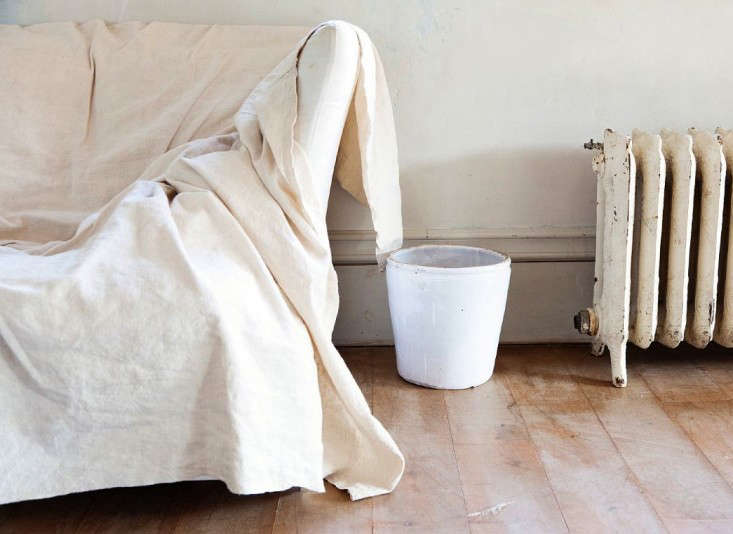
A good cover should be breathable, washable, and easy to remove. It should protect without creating moisture problems. Cotton percale is a strong choice because it is smooth, tightly woven, and gentle enough for contact with fine textiles. The goal is not to bury furniture. The goal is to give it a dignified robe while it is off duty.
The Butler’s Pantry Connection
The phrase “butler’s closet” naturally brings to mind the butler’s pantry, a historic space that has made a stylish comeback in American home design. Traditionally located between the kitchen and dining room, a butler’s pantry stored china, silver, crystal, serving pieces, linens, and sometimes wine. It was also a staging area for meals, allowing the public dining room to remain elegant while the practical work stayed discreetly behind the scenes.
Today, butler’s pantries have evolved into multifunctional spaces. They may include cabinets, counters, a sink, beverage refrigerators, coffee stations, small-appliance storage, wine storage, glass-front cupboards, or linen drawers. Some are large and luxurious; others are compact zones carved out of a hallway or kitchen wall. The modern butler’s pantry is basically the home’s backstage manager. It keeps the performance smooth and hides the chaos, which is also what good storage does for a closet.
Closet, Pantry, or Preservation Station?
The best homes often share one secret: they have support spaces. A kitchen works better with a pantry. A bedroom works better with a thoughtful closet. A dining room works better when the linens, serving pieces, and glassware have proper homes. The Butler’s Closet philosophy fits into this broader design trend because it values order, protection, and beauty in the spaces guests may never see.
How to Create a Butler’s Closet at Home
You do not need a manor, a family crest, or a butler named Brabinger to create a Butler’s Closet system. You need a clean area, breathable storage materials, and a willingness to stop treating important belongings like they are gym socks with ambition.
1. Start With a Closet Audit
Remove everything from the closet or storage area and sort items by category: daily wear, seasonal garments, formalwear, heirlooms, linens, shoes, bags, and accessories. Decide what truly deserves long-term protection. A tuxedo, wool coat, vintage dress, silk blouse, wedding outfit, military uniform, christening gown, or handmade tablecloth should not be stored the same way as a beach T-shirt from 2013.
2. Clean Before You Store
Never store dirty fabric. Even invisible stains from perfume, body oil, food, wine, or deodorant can darken over time and attract pests. Clean garments according to care labels. Make sure everything is fully dry before covering it. For furniture, vacuum upholstery with a soft brush attachment, wipe wood surfaces appropriately, and address spills before they become permanent residents.
3. Choose Breathable Covers
Replace plastic dry-cleaning bags with cotton garment covers. Use shoulder covers for jackets and blouses that need dust protection but remain in rotation. Use full-length covers for gowns, coats, robes, and formalwear. For furniture, use washable cotton dust covers rather than non-breathable plastic sheets. If an item is especially valuable or fragile, consider archival tissue and professional conservation advice.
4. Avoid Attics, Basements, and Drama
Extreme heat, cold, humidity, and dampness are enemies of textiles. Attics can bake garments. Basements can invite moisture and mildew. Garages are often too unstable and pest-friendly. The safest storage is usually in a clean, interior, climate-stable part of the home. In plain English: store important things where you would be comfortable spending time, not where spiders hold board meetings.
5. Leave Room for Air
Overcrowding causes crushing, wrinkles, abrasion, and poor circulation. Give garments space on the rod. Use proper hangers for structured pieces. Fold heavy knits instead of hanging them. Store linens flat when possible, with gentle folds supported by acid-free tissue if they are delicate or heirloom-quality.
Specific Examples: What Belongs in a Butler’s Closet?
A Butler’s Closet can protect far more than formal clothing. Think of it as a care system for the possessions that would make you wince if they were damaged.
Formal Clothing
Evening gowns, tuxedos, suits, ceremonial outfits, silk dresses, wool coats, and vintage garments benefit from breathable covers. Cotton garment bags help reduce dust and light exposure while avoiding the moisture trap of plastic.
Fine Linens
Tablecloths, napkins, embroidered pillowcases, lace runners, and special bedding should be clean, dry, and stored away from direct sunlight. For heirloom linens, acid-free tissue can help soften folds and reduce creasing.
Upholstered Furniture
Antique chairs, formal sofas, benches, ottomans, and fabric headboards can be protected with cotton dust covers when not in frequent use. This is especially smart in rooms with large windows or pets who believe every chair is a throne.
Shoes and Accessories
Good shoe care belongs in the same world. Shoe brushes, shoehorns, breathable bags, and regular cleaning help preserve shape and finish. A polished pair of shoes quietly announces that someone in the house has standards and possibly a very organized drawer.
Design Lessons From The Butler’s Closet
The Butler’s Closet is not just a product story. It is also a design lesson. Beautiful homes are not built only from visible style; they are built from maintenance habits. The difference between a room that ages gracefully and a room that looks tired often comes down to routine care.
Quality Needs a Maintenance Plan
If you invest in quality furniture, fine textiles, custom upholstery, or designer clothing, the care plan should be part of the purchase. A white linen sofa near a sunny window needs more than optimism. A wool coat needs cleaning and breathable storage. A formal tablecloth needs protection from sharp folds, dampness, and mystery stains. The Butler’s Closet mindset asks one practical question: “How will this item survive beautifully?”
Storage Can Be Elegant
Storage does not have to look like a warehouse had a nervous breakdown. Cotton covers, labeled shelves, matching hangers, linen drawers, shoe brushes, and neatly folded tablecloths can create a quiet luxury of their own. The aesthetic is not flashy. It is calm, orderly, and deeply satisfying. It whispers, “Everything has a place,” which is much nicer than the closet screaming, “Good luck finding the other glove.”
Common Mistakes to Avoid
Using Plastic for Long-Term Storage
Plastic garment bags are convenient after dry cleaning, but they should not become permanent storage. Remove them when garments come home, allow items to air properly, and transfer important pieces into breathable cotton covers.
Ignoring Sunlight
Furniture and textiles near windows need protection. Use curtains, shades, UV-filtering window film, furniture covers, or strategic room layouts. Rotate cushions when appropriate. Sunlight may make a room look cheerful, but it has no mercy on delicate dyes.
Storing Before Cleaning
Stains become harder to remove over time. Pests are attracted to food residue and body oils. Always clean before storage, even if the item looks fine. “Looks fine” is how many closet tragedies begin.
Overpacking Closets
A crowded closet creates friction and wrinkles. It also makes you less likely to use or care for your best things. Give special items enough room, and store off-season pieces separately when possible.
Experience Section: Living With the Butler’s Closet Mindset
The real experience of adopting a Butler’s Closet approach is less about becoming formal and more about becoming attentive. At first, it may feel slightly excessive to put a cotton cover over a jacket or drape a furniture cover over a chair in a room you rarely use. Then a few months pass. The jacket shoulders are still clean. The chair has not collected dust in every seam. The table linens do not smell like the back of a forgotten cabinet. Suddenly, the system stops feeling fancy and starts feeling sensible.
Picture a guest room that is used only a few times a year. Without a cover, the upholstered chair in the corner slowly gathers dust, pet hair, and sunlight across one arm. When guests arrive, there is a frantic cleaning session involving a vacuum, a lint roller, and mild panic. With a breathable cotton cover, the same chair stays protected until needed. Remove the cover, give the cushion a quick fluff, and the room looks prepared rather than rescued.
The same thing happens in a closet. A special suit or dress often waits months between uses. When it hangs uncovered, dust settles on the shoulders and light can fade exposed fabric. When it is sealed in plastic, moisture and odors may build up. A cotton garment cover creates a better middle ground. The item is protected but not suffocated. It is ready when you need it, whether for a wedding, a holiday dinner, a formal event, or a meeting where your outfit must say, “competent adult,” even if your calendar says, “chaos.”
Fine linens offer another useful lesson. Many people save beautiful tablecloths and napkins for special occasions, then discover creases, yellowing, or mustiness when the occasion finally arrives. A more thoughtful system changes the experience. Launder linens properly, let them dry completely, fold them gently, use acid-free tissue for heirloom pieces, and store them in a clean, breathable place. The next dinner feels easier because the preparation was done long before the guests walked in.
There is also an emotional benefit. Caring for possessions changes how you see them. A coat becomes not just clothing but craftsmanship. A chair becomes not just seating but part of the room’s history. A tablecloth becomes not just fabric but family memory. The Butler’s Closet mindset invites slower, more respectful ownership. It says that maintenance is not boring; it is how beautiful things remain part of daily life.
And yes, there is a little humor in it. You may find yourself becoming the person who says, “Please don’t put that in plastic,” at a volume normally reserved for kitchen fires. You may develop opinions about hangers. You may look at direct sunlight hitting an antique chair and feel personally attacked. This is normal. It means your inner butler has awakened, and frankly, he has some excellent points.
Conclusion: A More Thoughtful Way to Keep Beautiful Things Beautiful
“To the Manor Born: The Butler’s Closet” is more than a clever title with aristocratic sparkle. It captures a practical philosophy: valuable belongings deserve thoughtful care. Whether you own antique furniture, fine linens, formal clothing, vintage pieces, or simply items you love, the principles are the same. Keep them clean. Protect them from dust and sunlight. Avoid plastic for long-term textile storage. Use breathable materials. Store them in stable conditions. Give them enough space to survive gracefully.
The Butler’s Closet brings manor-house discipline into modern homes without requiring a manor, a staff, or a silver-polishing schedule. It reminds us that preservation can be elegant, useful, and surprisingly simple. In a world obsessed with buying more, caring better may be the most luxurious habit of all.