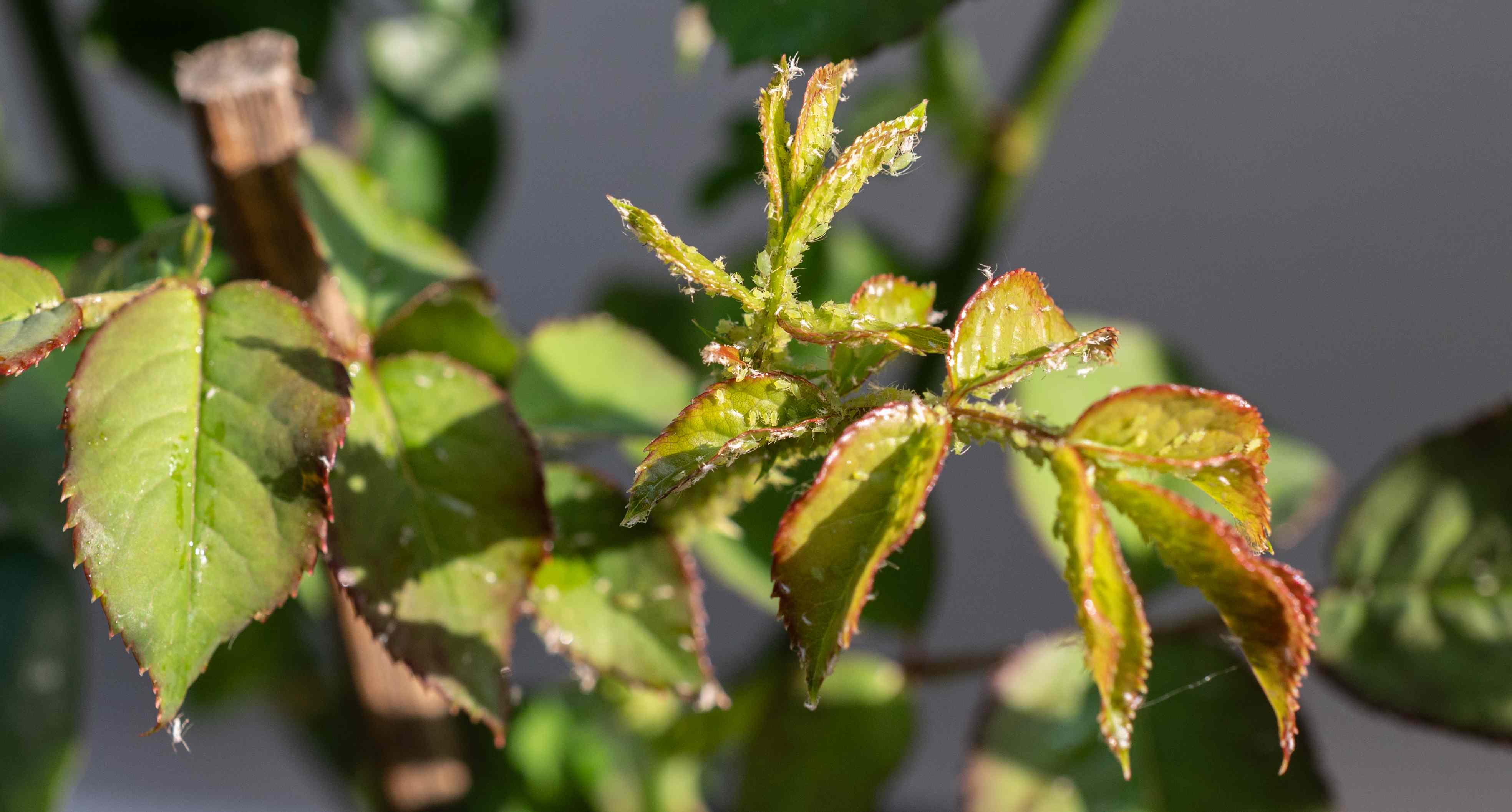
If aphids had a vacation brochure, your garden would be on the cover. Tender new growth? Check. Cozy hiding spots? Check. A buffet of soft, juicy stems? Big check. These tiny sap-suckers may be small, but they multiply with the confidence of people who “just have one chip” and then finish the bag.
Here’s the good news: if you want fewer aphids next year, you do not need to spend the offseason plotting revenge with a spray bottle in one hand and a grudge in the other. You need one smart move right now.
That move is a targeted fall garden cleanup.
Not a scorched-earth cleanup. Not a leaf-blower opera. Not a “remove every molecule of nature from the yard” situation. A smart, strategic cleanup. The goal is simple: remove the weeds, spent plants, and infested material that give aphids a bridge from this season into next spring.
If you do only one thing this season to prevent an aphid invasion next year, make it this. Because the fight against aphids is usually won before the first colony appears.
Why a Fall Cleanup Is the Best Thing You Can Do Right Now
Aphids are not random. They are opportunists with a calendar. Many species survive winter as eggs on perennial plants, woody stems, bark, or nearby alternate hosts. Others hang on in plant debris or on weeds that act like a winter motel. When spring arrives, they hatch, wake up, or move in fast. Suddenly your roses, peppers, kale, milkweed, or fruit trees are hosting an all-you-can-eat brunch.
That is why prevention matters more than panic. A targeted cleanup interrupts the aphid life cycle by removing the places where they can overwinter, hide, or stage a comeback. It also cuts down on the nearby weeds and volunteer plants that can support aphid populations before they hop onto the crops and ornamentals you actually care about.
Think of it this way: if you leave behind infested stems, messy vegetable residue, and aphid-friendly weeds, you are basically rolling out a tiny red carpet that says, “Welcome back, friends.” If you clean those areas up now, next spring starts with fewer hitchhikers and fewer surprises.
What “Targeted” Really Means
Targeted cleanup is not the same as stripping the whole yard bare. That can backfire, because beneficial insects also need habitat. Lady beetles, lacewings, hoverflies, and tiny parasitoid wasps are some of your best aphid hunters. Some beneficial insects spend winter in sheltered garden spaces, leaf litter, and standing stems. So the goal is balance.
Here is the practical rule: clean aggressively where aphids and pest carryover are likely, especially in vegetable beds and around badly infested annuals; leave some undisturbed, clean habitat elsewhere for the good bugs.
In other words, clean the pest condo, not the whole neighborhood.
What to Remove Right Now
1. Pull Weeds That Can Harbor Aphids
This is the part many gardeners skip, and it is exactly why aphids keep showing up like they own the place. Weeds are not just ugly roommates. They can act as alternate hosts and holding areas for aphids. If mustard weeds, sowthistle, volunteer brassicas, or other random plant squatters are hanging around your beds, they may be helping aphids survive until spring.
Pull them now. Remove them from around raised beds, fence lines, bed edges, pathways, and the little forgotten strip behind the hose reel where weeds somehow become emotionally attached to your property.
2. Remove Spent Vegetable Plants and Badly Infested Annuals
Finished tomato vines, bolted greens, tired bean plants, and ragged annuals can shelter pests and create a bridge into next season. If a plant was heavily coated in aphids this year, it should not get an honorary winter stay in the bed. Remove it.
This matters most in vegetable gardens, where leftover plant material can help pests carry over. Clean beds now and you reduce the odds that spring begins with hidden trouble already in place.
3. Prune Out the Worst Infested Growth on Shrubs and Perennials
You do not need to hack every shrub into a geometric apology. But if you have rose tips, milkweed stems, or tender shoots that were badly infested, prune out the worst of it. The point is to remove concentrated problem areas without stimulating a ton of soft new growth at the wrong time.
Go light. A tidy, thoughtful trim beats a dramatic haircut that triggers lush regrowth aphids will adore later.
4. Clean Up Debris Around Susceptible Plants
Twigs, fallen infested leaves, and sloppy residue around problem plants can all contribute to next year’s pest pressure. Clear that material from the beds where you had aphid issues. This is especially worthwhile around vegetables, annual flowers, and shrubs that seem to get hit every year.
If you compost, use judgment. Clean, healthy plant matter is usually a great compost ingredient. But the worst infested debris should not keep lounging around in the same planting area.
How to Do This in One Afternoon
You do not need a weekend retreat, a twelve-step system, or a playlist called “Garden Warrior Era.” You need a simple order of operations.
- Walk the garden with a bag or bin. Identify the beds that had aphids this year.
- Pull weeds first. Focus on weeds in and around susceptible crops and ornamentals.
- Remove spent or infested plant material. Especially annual vegetables and flowers that are finished for the season.
- Prune out the worst infested tips. Keep pruning moderate.
- Clear debris from hot spots. Make those beds less welcoming for overwintering pests.
- Mulch or tidy intentionally. In veggie beds, do not leave a pesty mess. In ornamental areas, you can leave some clean leaf litter in out-of-the-way spots for beneficial insects.
That is it. No drama. No flamethrower. Just smart sanitation.
What Not to Do If You Want Fewer Aphids Next Year
Do Not Overfeed With Nitrogen
Aphids love soft, lush, nitrogen-pushed growth. It is tender, juicy, and easy to feed on. Gardeners often create this problem accidentally by over-fertilizing in pursuit of “bigger, greener, faster.” The result is basically a salad bar for sap-sucking pests.
Feed plants appropriately, not extravagantly. Slow, steady growth is better than a burst of soft tissue that invites an aphid population boom.
Do Not Overprune
Heavy pruning can stimulate a flush of succulent new growth. Aphids see that the way people see a fresh batch of cinnamon rolls. If you prune, do it with purpose and restraint.
Do Not Spray Broad-Spectrum Insecticides as Your First Move
When aphids appear, the temptation is to go full action movie. But broad-spectrum sprays can also wipe out the beneficial insects that naturally keep aphids in check. That means you may win the battle today and lose the war next month.
Integrated pest management works better: prevention first, monitoring second, least-disruptive control third.
What to Do Next Spring if Aphids Still Show Up
Even after the best cleanup, aphids can still appear. They have wings, terrible manners, and no respect for your effort. But a cleaner garden means smaller outbreaks that are easier to manage.
Check Plants Early and Often
Inspect the undersides of leaves, tender stems, buds, and fresh growth. Aphids love soft tissue, so catch them before they build a full-blown colony.
Blast Small Colonies With Water
On sturdy plants, a strong spray of water can knock aphids off and reduce numbers quickly. This is one of the simplest controls around, and it is wonderfully satisfying. Free therapy, courtesy of the hose.
Protect Beneficial Insects
Lady beetles, lacewing larvae, hoverfly larvae, and parasitoid wasps are not side characters. They are the cleanup crew. Plant flowers that provide nectar and pollen over a long season, especially small, open flowers that tiny beneficial insects can actually use. A mixed garden with layered plants and blooms over time is usually better at supporting natural aphid control than a bare, overly manicured space.
Use Insecticidal Soap or Horticultural Oil Carefully
If you need backup, these options can help with aphids when used correctly. Coverage matters, especially on leaf undersides where aphids like to hang out. For woody plants that get hit year after year, dormant or delayed-dormant oil may also be worth considering at the appropriate time, following label directions.
Use Row Covers for Vulnerable Vegetables
Floating row covers can protect young crops early in the season. Just monitor beneath them. A row cover is protection, not invisibility cloaking. If aphids sneak in underneath, they can multiply where predators cannot reach them.
Examples of How This Plays Out in Real Gardens
Roses
If your roses were a favorite aphid hangout this year, remove fallen debris nearby, prune out the worst infested tips, avoid overfeeding, and watch new spring growth closely. A cleaner bed and restrained feeding schedule can make a big difference.
Kale and Other Brassicas
Vegetable beds are classic pest carryover zones. Remove old brassica plants, volunteer seedlings, and mustard-family weeds. If you leave those behind, aphids may not even need to pack a suitcase for winter.
Peppers and Tender Annuals
Peppers, zinnias, nasturtiums, and other soft-growth favorites can become aphid magnets. End-of-season cleanup matters here because these plants often finish the year carrying exactly the kind of lingering problem you do not want waiting for spring.
The Big Takeaway
If you remember only one line from this article, make it this: the best thing to do right now to keep aphids from invading your garden next year is a targeted fall cleanup focused on weeds, spent plants, infested growth, and debris in problem areas.
It is simple, affordable, and far more effective than waiting until spring and acting shocked that aphids have returned like they pay rent.
Done well, this one move reduces overwintering sites, cuts off alternate hosts, makes spring monitoring easier, and sets your beneficial insects up to help instead of forcing them to clean up a mess you accidentally preserved.
That is the beauty of good gardening: the small things you do now become the quiet reasons next season feels easier.
Experience-Based Garden Notes: What Gardeners Commonly Learn the Hard Way
One of the most common garden experiences goes like this: a gardener sees aphids in spring, knocks them back, and assumes the problem is handled. Then, a few weeks later, the aphids are back on the same plants, only this time they brought cousins. What changed? Usually, not much. The plants were still pushing soft growth, nearby weeds were still standing, and old plant material from last season had never been cleared. The lesson is not that aphids are unbeatable. It is that they are persistent when the environment keeps favoring them.
Another familiar experience happens in vegetable beds. A gardener harvests the last beans or kale, gets busy, and leaves the bed “for later.” Later becomes winter. By spring, that same bed still has volunteer seedlings, weeds around the edges, and bits of old stems tucked into the soil. Then aphids show up early, especially on young greens. It feels unfair, but in reality, the bed never got a real reset. Once gardeners do a more deliberate cleanup in autumn, they often notice that outbreaks start later and stay smaller.
Flower gardeners learn a slightly different version of the same lesson. A border can look tidy from ten feet away while still hiding trouble up close. Spent annuals, crowded stems, and fallen plant material around favorite aphid hosts can create just enough shelter to help pests bridge the seasons. Gardeners who start doing a close inspection in fall, not just a cosmetic cleanup, often say the same thing: “I didn’t realize how much clutter was sitting right where the problems always start.”
There is also the fertilizer lesson, and it is a classic. Someone feeds aggressively because the plants look hungry, then gets a burst of gorgeous, soft growth. For about a week, it feels like a gardening triumph. Then the aphids arrive and turn that triumph into a buffet. Over time, experienced gardeners become less impressed by explosive growth and more interested in balanced growth. They learn that healthy plants are the goal, but overly lush plants can become magnets for sap-feeding pests.
Then there is the beneficial insect realization. Many gardeners begin with the assumption that every bug is a problem. After a few seasons, they notice that the gardens with flowers, diversity, and less heavy-handed spraying tend to regulate aphids better. They start spotting lady beetle larvae, hoverfly larvae, lacewings, and aphid mummies. The garden begins to feel less like a battlefield and more like a system that can actually help itself when given the chance.
Perhaps the most useful experience of all is the shift from reactive gardening to preventive gardening. Gardeners who struggle with aphids year after year often say the breakthrough came when they stopped asking, “What do I spray when aphids show up?” and started asking, “What can I remove, adjust, or protect before they show up?” That one mindset change leads to better cleanup, better monitoring, smarter feeding, and more patience with beneficial insects.
And that is usually when the garden starts feeling easier. Not perfect. Not pest-free forever. Just more balanced, more predictable, and far less likely to become an aphid theme park by Memorial Day.