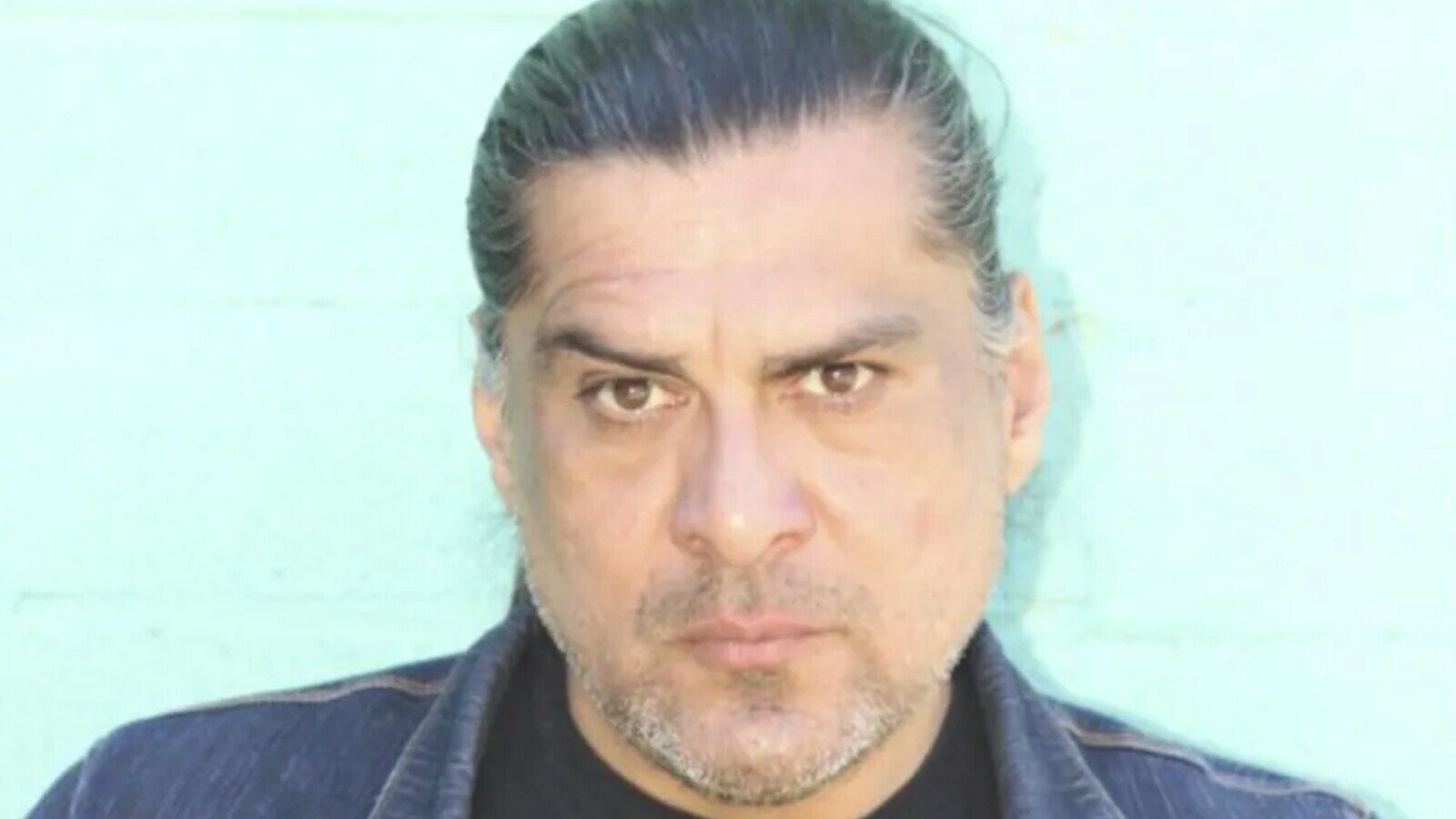
Jonathan Joss spent much of his career doing what great character actors do best: making a role feel unforgettable without always needing the biggest spotlight in the room. To many fans, he was the smooth, spiritual, and endlessly quotable voice of John Redcorn on King of the Hill. To others, he was Chief Ken Hotate on Parks and Recreation, stealing scenes with the calm confidence of a man who could win a staring contest with a mountain. But behind the humor, the pop culture memories, and the fan convention smiles, the last months of Jonathan Joss’ life were marked by loss, uncertainty, public disappointment, and a painful neighborhood conflict that ended in tragedy.
His final chapter was not one simple story. It was a tangle of personal grief, professional heartbreak, questions about safety, and a community trying to understand what went wrong. For fans searching for “Jonathan Joss last months,” “Jonathan Joss tragedy,” or “what happened to Jonathan Joss,” the timeline reveals a man facing heavy challenges while still holding onto his creative identity, his supporters, and his connection to the characters that made him beloved.
Who Was Jonathan Joss?
Jonathan Joss was a San Antonio-born actor and musician whose career stretched across television, film, voice acting, and live fan events. His most famous role was John Redcorn, the Native American healer and musician in King of the Hill. The character could have been a one-note joke in less careful hands, but Joss brought a memorable voice, dry timing, and a strangely majestic sadness to the role. John Redcorn was funny, yes, but he also carried a weirdly sincere soap-opera energy. In other words, peak television.
Joss also appeared as Chief Ken Hotate in Parks and Recreation, where his performance blended deadpan humor with sharp social commentary. His scenes with Leslie Knope remain fan favorites because he delivered every line like he had already read the room, the building, and the entire city charter. His credits also included projects such as Walker, Texas Ranger, Friday Night Lights, True Grit, The Magnificent Seven, and Tulsa King.
Outside acting, Joss was connected to music and local culture. He performed with The Red Corn Band and built a reputation as someone who valued direct interaction with fans. He was not the type of celebrity who seemed sealed behind glass. He showed up, talked, joked, signed autographs, and carried his San Antonio roots with him.
A Devastating House Fire Changed Everything
The difficult final months of Jonathan Joss’ life began in January 2025, when his San Antonio home was destroyed by fire. Reports said the house was more than just a building. It was tied to his family history, a place connected to his childhood and to the life he had built in the city. Losing a home is never just losing walls and a roof. It is losing photographs, clothes, furniture, routines, private memories, and that one drawer full of random cords no human can identify but everyone refuses to throw away.
The fire also claimed the lives of his dogs, a loss that deeply affected him. Pets are family, and for many people they are the quiet witnesses to the ordinary moments that keep life steady. For Joss, that loss became part of a larger emotional burden. Reports described a home that had experienced vandalism and electrical issues before the fire, adding another layer of stress and uncertainty to an already painful situation.
After the fire, supporters rallied around him. A relief effort was launched to help Joss and his husband, Tristan Kern de Gonzales, rebuild their lives. But rebuilding after disaster is rarely as simple as “start over.” There are insurance questions, housing problems, emotional exhaustion, and the strange task of explaining your worst day over and over to strangers. For a performer known for giving energy to other people, Joss was suddenly in the position of needing support himself.
Marriage, Grief, and a Search for Stability
In February 2025, Joss married Tristan Kern de Gonzales on Valentine’s Day. The timing makes the final months of his life even more heartbreaking. In the middle of loss, the couple marked a moment of love and commitment. Their marriage was not some Hollywood red-carpet plot twist. It was a human milestone during a season that already demanded more resilience than anyone should have to carry.
According to public statements from Gonzales, the couple had also faced harassment in the neighborhood. He later alleged that much of it was homophobic and that they had reported concerns before the fatal incident. Police initially said they had not found evidence that Joss’ death was related to sexual orientation, but that statement became controversial and was later walked back as premature while the investigation continued.
This is where the story becomes larger than celebrity news. Jonathan Joss’ final months raise difficult questions about how communities respond when conflicts keep escalating, how authorities evaluate bias-related claims, and how vulnerable people are protected before tragedy occurs. It is easy to analyze a case after the worst has happened. It is much harder, and much more important, to recognize warning signs while there is still time to prevent harm.
The King of the Hill Revival and a Painful Public Moment
Professionally, Jonathan Joss was still connected to King of the Hill in 2025. The beloved animated series was preparing for a Hulu revival, and Joss had reportedly recorded material as John Redcorn. For fans, that detail is bittersweet. His voice would return to a fictional Texas neighborhood even as his real life in Texas was becoming painfully unstable.
In late May 2025, just days before his death, Joss attended events connected to the revival at the ATX TV Festival in Austin. Reports said he had expressed disappointment that he was not invited to participate in the official King of the Hill panel, despite his long association with the series. During the panel, he approached a microphone and spoke emotionally about feeling excluded and about the fire that had destroyed his home. Security later escorted him out, though witnesses described his exit as calm and cooperative.
That moment was widely discussed online. Some people focused on the awkwardness of the interruption. Others saw a man in visible pain trying to be heard. Both things can be true. Public grief rarely arrives wearing a clean suit and carrying a polite appointment card. Sometimes it shows up at a microphone before the Q&A has even started.
June 1, 2025: The Fatal Shooting in San Antonio
On June 1, 2025, Jonathan Joss was fatally shot near his former home in San Antonio. He was 59. Police arrested neighbor Sigfredo Ceja Alvarez, who was charged with murder. Gonzales, who said he witnessed the incident, alleged that the shooting followed years of hostility and that the person responsible used homophobic slurs before firing. Authorities continued investigating the circumstances, including whether bias played a role.
Because this is a real case involving real people, it is important to avoid turning tragedy into a rumor buffet. The confirmed facts matter. Joss died after being shot near the home that had burned months earlier. A neighbor was arrested and later indicted on a murder charge. His husband publicly described the incident as an attack connected to anti-LGBTQ+ hostility. Police initially disputed that conclusion, then acknowledged it was too early to rule out motive. The legal process continued after his death.
For fans, the news landed with a strange emotional whiplash. One day, people were talking about the King of the Hill revival and the return of John Redcorn. The next, they were reading about the loss of the actor who helped make that character iconic. It was a reminder that nostalgia may feel cozy, but the people behind it live complicated, fragile lives.
Why Jonathan Joss’ Final Months Resonated With Fans
The last months of Jonathan Joss’ life resonated because they combined several kinds of loss. There was the loss of home, the loss of pets, the stress of public exclusion, the fear surrounding alleged harassment, and finally the loss of life itself. Each piece would be painful alone. Together, they created a story that felt almost unbearably heavy.
Fans responded not only because Joss was part of shows they loved, but because his final months reflected experiences many people understand on a smaller scale: being overlooked, trying to rebuild after disaster, asking for help, feeling unsafe, and wanting your work to be remembered accurately. His story also touched Native representation in entertainment. As a performer of Native ancestry, Joss brought visibility to roles at a time when mainstream television still often treated Native characters as rare, simplified, or purely symbolic. His performances were funny, but they also mattered.
A Career Built on Memorable Presence
Jonathan Joss did not need ten pages of dialogue to leave an impression. As John Redcorn, he made a recurring character feel central to the emotional weirdness of King of the Hill. As Chief Ken Hotate, he helped Parks and Recreation satirize local politics while grounding the humor in historical awareness. That balance is not easy. Many actors can be funny. Fewer can be funny while making the audience quietly realize the joke is also pointing at something real.
This is why his death was felt beyond standard celebrity headlines. Fans were not just mourning a name. They were mourning a voice, a presence, and a connection to television moments that had become part of their lives.
The Bigger Issues Behind the Headlines
Jonathan Joss’ final months invite serious reflection on several social issues. First, there is the question of housing insecurity after disaster. A house fire can instantly push someone from stability into chaos. Even for a working actor, financial recovery is not guaranteed. Hollywood has a glamour filter, but many performers live project to project. Fame does not always come with a mansion, a driver, and a refrigerator full of tiny sparkling waters.
Second, the story highlights the importance of taking repeated harassment claims seriously. Whether a conflict is between neighbors, coworkers, classmates, or strangers online, patterns matter. One incident may seem isolated. Ten incidents may be a warning siren wearing a fake mustache. Communities need systems that respond before people are left feeling cornered and unheard.
Third, the case shows why public communication from authorities matters. When police quickly said they had no evidence of a hate crime, many people felt the statement dismissed concerns before the investigation had fully developed. The later walk-back underscored a basic lesson: in sensitive cases, precision is not optional. It is part of public trust.
Experiences and Reflections Related to Jonathan Joss’ Final Months
The tragedy of Jonathan Joss’ final months offers lessons that reach beyond entertainment news. One experience many readers can relate to is the feeling of trying to rebuild while life keeps throwing new problems like an overcaffeinated baseball pitcher. After a house fire, a person does not simply “move on.” They have to replace documents, find a safe place to stay, grieve what cannot be replaced, and answer practical questions while emotionally exhausted. For anyone who has survived a disaster, the world can feel divided between people who understand the timeline of recovery and people who think a donation link magically fixes everything.
Another experience is the pain of being excluded from something meaningful. Joss’ disappointment over the King of the Hill panel was not just about a seat onstage. For an actor, a long-running character can become part of personal identity. When a revival celebrates the legacy of a show, the people who helped build that legacy naturally want to feel recognized. Many workers, artists, students, and community members know that feeling: you contributed, you cared, and then somehow your name disappeared from the group email. It stings because recognition is not vanity. Sometimes it is proof that your effort mattered.
There is also the experience of public grief. Joss’ appearance at the ATX TV Festival became a talking point because grief in public spaces can make people uncomfortable. Society likes sadness to be quiet, tidy, and scheduled between 2:00 and 2:15 p.m. But grief is rarely that polite. It interrupts. It repeats itself. It asks to be heard at inconvenient times. Understanding this does not mean every public moment is easy to manage, but it does mean compassion should be part of the conversation.
Finally, Jonathan Joss’ story is a reminder that safety is a community responsibility. Neighborhood conflicts do not exist in a vacuum. When people repeatedly report fear, harassment, or escalating hostility, the response should not be a shrug with paperwork attached. Listening early can prevent suffering later. That applies to cities, workplaces, schools, and online spaces. A healthy community is not one where everyone agrees all the time. It is one where conflict is taken seriously before it becomes irreversible.
For fans, the best way to remember Joss may be to hold both truths at once: he was a talented performer who made millions laugh, and he was a person who endured deep hardship in his final months. Remembering only the roles makes the story too simple. Remembering only the tragedy makes it too bleak. The fuller picture is more human: an actor, a husband, a musician, a San Antonio native, a man grieving losses, and a voice that will continue to echo whenever John Redcorn appears on screen.
Conclusion: A Legacy Marked by Laughter, Loss, and Unanswered Questions
The last months of Jonathan Joss’ life were filled with tragedy and challenge, but they should not erase the work, warmth, and cultural impact that came before. His performances gave fans characters they still quote, discuss, and revisit. His final months revealed the painful reality behind public recognition: even beloved artists can face private hardship, instability, and fear.
Jonathan Joss’ story is not just about how he died. It is also about how he lived, how he worked, how he connected with fans, and how urgently communities must respond when people say they are unsafe. The laughter he helped create remains part of his legacy. So does the responsibility to remember him with honesty, care, and humanity.