Note: This article was created from a synthesis of public Disney/Pixar materials and reputable U.S. entertainment coverage, including D23, Entertainment Weekly, Business Insider, Collider, SlashFilm, Good Housekeeping, Teen Vogue, Vulture, Nerdist, Pixar Post, and animation-reference reporting. Source links are intentionally not embedded for clean web publication.
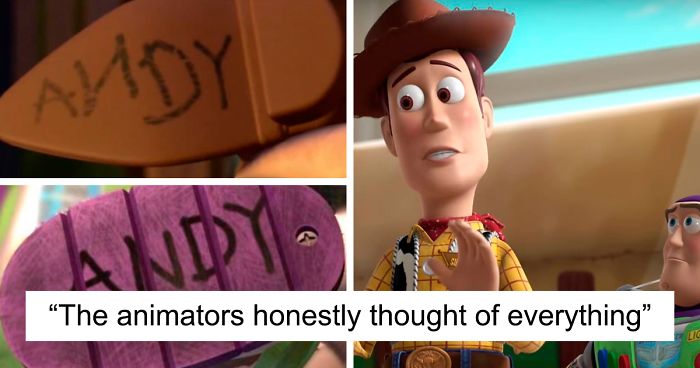
The Toy Story movies are famous for making adults cry over plastic cowboys, space rangers, and a spork having an identity crisis. But beyond the big emotions and quotable lines, Pixar packed the franchise with hidden details, clever Easter eggs, and blink-and-you-miss-it jokes that reward obsessive rewatching. Some are obvious once you know where to look. Others are so tiny they practically require detective equipment, a pause button, and possibly a snack break.
From the original Toy Story in 1995 to Toy Story 4, the series became a playground for Pixar traditions: A113, the Luxo ball, Pizza Planet, nods to early Pixar shorts, references to other films, and tiny tributes to animators who helped build the studio. These details do more than decorate the background. They create a shared universe feeling, reward loyal fans, and prove that Pixar animators treat every shelf, poster, license plate, and toy box like sacred storytelling territory.
Why Toy Story Hidden Details Matter
The best Toy Story hidden details are not random stickers slapped on a wall. They usually fall into three smart categories: Pixar history, pop-culture jokes, and character-driven storytelling. A bookshelf can quietly honor the studio’s early short films. A toolbox can wink at Tim Allen’s television career. A stuffed Totoro can celebrate the friendship between Pixar and Studio Ghibli. The result is a movie series that feels alive even in the corners of the frame.
Here are 35 hidden details that only very observant people noticed in Toy Story movies.
35 Hidden Details In Toy Story Movies
1. A113 Appears On Andy’s Mom’s License Plate
The famous Pixar code A113 appears on the license plate of Andy’s mom’s vehicle. It refers to a classroom at California Institute of the Arts, where many animation legends studied. In the Toy Story universe, it is not just a number; it is Pixar signing the guest book.
2. The Luxo Ball Is Hiding In Plain Sight
The yellow ball with a blue stripe and red star appears in Andy’s room and became one of Pixar’s most recognizable Easter eggs. It nods to Luxo Jr., one of Pixar’s early shorts. Buzz bouncing on it is basically Pixar waving from inside its own movie.
3. The Pizza Planet Truck Starts A Pixar Tradition
The yellow Pizza Planet delivery truck first appears in the original Toy Story when Woody and Buzz hitch a ride. After that, it became a recurring Pixar Easter egg across many films. Not bad for a beat-up truck with a rocket on top and suspiciously heroic timing.
4. Andy’s Bookshelf Honors Pixar’s Early Shorts
During Woody’s staff meeting in the first movie, several books behind him reference early Pixar shorts such as Tin Toy, Red’s Dream, Knick Knack, and The Adventures of André and Wally B. It is a mini Pixar museum hiding on a child’s shelf.
5. Sid’s Toolbox References Tim Allen’s Sitcom Past
In Sid’s room, sharp-eyed viewers can spot a Binford Tools reference. Binford was the fictional tool brand connected to Home Improvement, the sitcom starring Tim Allen, who voices Buzz Lightyear. Pixar’s joke game was already operating at full power.
6. Sid’s Carpet Looks Like A Horror-Movie Nod
Many fans have noticed that the carpet in Sid’s house resembles the bold geometric carpet from The Shining. Whether viewed as a direct homage or a spooky design coincidence, it fits Sid’s house perfectly. That place already had “childhood nightmare factory” energy.
7. Eggman Movers Honors Ralph Eggleston
The moving company that helps Andy’s family relocate is called Eggman Movers. The name is a tribute to Pixar artist Ralph Eggleston, whose nickname was “Eggman.” It is a small background detail, but it shows how Pixar often celebrates its own creative family.
8. Buzz’s Commercial Is Packed With Toy Marketing Satire
The Buzz Lightyear commercial in the first movie is not just a plot device. It perfectly parodies the toy ads kids grew up seeing on television: heroic voiceover, explosive action, tiny disclaimer, and the crushing truth that the toy does not actually fly.
9. “This Isn’t Flying” Becomes A Character Clue
Buzz’s famous fall-with-style moment is funny, but it also hides smart character storytelling. Woody sees gravity; Buzz sees destiny. That difference fuels their rivalry and later friendship. Pixar sneaks emotional development into what looks like a slapstick stunt.
10. Sid’s Mutant Toys Are More Creative Than Scary
At first, Sid’s hybrid toys seem terrifying. Look closer, and they are surprisingly inventive: legs, wheels, fishing rods, doll heads, and odd parts rebuilt into new identities. The detail quietly supports the movie’s theme that broken toys still have value.
11. Hamm’s Channel Surfing Shows Pixar Shorts
In Toy Story 2, Hamm flips through TV channels while searching for Al’s Toy Barn. The quick clips include references to early Pixar shorts such as Tin Toy, Red’s Dream, and Luxo Jr. It is a rapid-fire Easter egg parade.
12. The Luxo Lamp Appears In The Stars
The opening space sequence in Toy Story 2 includes a constellation shaped like the Luxo lamp. Most viewers are focused on Buzz’s video-game adventure, but Pixar quietly hangs its mascot in the sky like a cosmic desk lamp.
13. Geri From Geri’s Game Repairs Woody
The elderly cleaner who fixes Woody’s torn arm in Toy Story 2 is Geri from Pixar’s Oscar-winning short Geri’s Game. His chess pieces are another clue. Apparently, when Pixar characters need emergency surgery, they call the studio’s most precise chess hustler.
14. A Bug’s Life Appears In A Picture Book
Mrs. Potato Head can be seen reading a book featuring characters from A Bug’s Life. Since that was Pixar’s second feature film, the detail links the studio’s growing movie world while giving the Potato Head household surprisingly cultured reading habits.
15. A Bug’s Life Toys Show Up In Al’s Toy Barn
When Buzz and the gang reach Al’s Toy Barn, an aisle contains figures of characters from A Bug’s Life, including Flik and Heimlich. It is a toy store inside a toy movie selling toys from another Pixar movie. That is Easter egg lasagna.
16. LassetAir Flight A113 Is A Double Joke
During the airport sequence in Toy Story 2, an announcement mentions LassetAir Flight A113. “LassetAir” nods to director John Lasseter, while A113 continues Pixar’s favorite classroom-code tradition. It is one of the franchise’s cleverest audio Easter eggs.
17. Zurg’s Line Nods To Star Wars
When Emperor Zurg reveals he is Buzz’s father, the scene gleefully parodies Darth Vader’s famous reveal in The Empire Strikes Back. It is silly, dramatic, and perfectly in character for Buzz’s toy-space-opera world.
18. Traffic Cones Become Tactical Gear
In Toy Story 2, the toys hide under traffic cones to cross the street. The gag is funny on its own, but it also became one of the franchise’s most memorable visual jokes: tiny toys using human-world objects as oversized spy equipment.
19. The Cleaner’s Work Shows Real Restoration Logic
Woody’s repair scene is packed with satisfying details: paint touch-ups, stitching, careful cleaning, and delicate handling. The moment feels like a miniature restoration documentary. Somehow Pixar made toy maintenance more suspenseful than most action scenes.
20. The Train Number 95 Honors The First Film
In Toy Story 3, the dramatic opening train sequence includes the number 95. That number honors 1995, the year the original Toy Story was released. It also connects neatly to Pixar’s later love of the number through Lightning McQueen.
21. A Sunnyside Kid Wears A Lightning McQueen Shirt
At Sunnyside Daycare, one child wears a shirt with a lightning bolt and the number 95, a nod to Lightning McQueen from Cars. It is a quick background detail, but once you see it, you will never unsee the tiny ka-chow.
22. Totoro Joins Bonnie’s Toy Collection
Bonnie owns a plush Totoro from Hayao Miyazaki’s My Neighbor Totoro. The cameo reflects Pixar’s admiration for Studio Ghibli and adds a sweet international animation tribute to Bonnie’s already charming toy lineup.
23. Tin Toy Gets A Subtle Callback In Toy Story 3
Toy Story 3 includes nods to Tin Toy, the Pixar short that helped inspire the original concept of toys coming alive. The connection is meaningful: before Woody and Buzz, there was Tinny trying to survive a baby’s enthusiasm.
24. Andy’s Room Teases Cars
In Andy’s older room, observant fans can spot Cars-related references, including automotive posters and visuals connected to Pixar’s racing world. The room grows up with Andy, but Pixar still uses the walls as Easter egg real estate.
25. The Newt Sticker Remembers A Canceled Pixar Film
Andy’s room includes a sticker referencing Newt, a Pixar project that was later canceled. It is a rare Easter egg for a movie that never reached theaters, making it especially interesting for fans who follow Pixar’s production history.
26. Buy N Large Batteries Power Buzz
Buzz’s batteries in Toy Story 3 are branded Buy N Large, the mega-corporation from WALL-E. It is a tiny label, but it creates a fun link between Pixar’s toy box and its futuristic robot wasteland. Corporate branding survives everything, apparently.
27. Lotso Was Teased Before Toy Story 3
Lots-O’-Huggin’ Bear appeared as a stuffed toy in Up before becoming the main antagonist of Toy Story 3. Pixar often teases future characters early, and Lotso’s innocent earlier appearance becomes darker once you know his strawberry-scented agenda.
28. Sunnyside’s Cheerful Design Hides Prison-Movie Energy
Sunnyside Daycare is colorful, sunny, and full of tiny chairs, but the staging gradually turns it into a prison. Security monitors, controlled rooms, and Lotso’s hierarchy make the setting feel less like preschool and more like maximum-security finger painting.
29. The Claw Returns As A Rescue Device
The aliens’ obsession with “the claw” begins as a Pizza Planet joke in the first movie. In Toy Story 3, that belief pays off when they operate a giant claw to save the toys. A throwaway gag becomes heroic destiny.
30. Toy Story 4 Hides The Pizza Planet Truck As A Tattoo
In Toy Story 4, the Pizza Planet truck does not simply drive by. It appears as a tattoo on a carnival worker. That is Pixar-level commitment: if the truck cannot fit naturally into the scene, put it on someone’s leg.
31. Second Chance Antiques Is A Pixar Treasure Chest
The antique store in Toy Story 4 is loaded with references to Pixar films and shorts. Director Josh Cooley has acknowledged that the store was designed as a dense world full of hidden details. It is basically an Easter egg warehouse with dust.
32. Second Chance Antiques Nods To Pixar’s Founding Year
The store’s “established” date references 1986, the year Pixar became its own company. That is a deep-cut studio-history detail hidden inside a setting about forgotten, rescued, and rediscovered objects. Very tidy, Pixar. Suspiciously tidy.
33. The Antique Store Includes Up References
Toy Story 4 includes several nods to Up, including references connected to Charles Muntz, Dug, and the grape soda bottle cap. These details fit naturally in the antique-shop world, where old adventures seem to have been shelved for later discovery.
34. Tinny From Tin Toy Appears Again
Tinny, the star of Pixar’s early short Tin Toy, appears in Toy Story 4. His presence brings the franchise full circle, reminding fans that Toy Story grew out of Pixar’s early experiments with toys, babies, and technological bravery.
35. Bo Peep’s Lost-Toy World Is Full Of Repurposed Objects
In Toy Story 4, Bo Peep’s lifestyle is built around found objects, tiny repairs, and clever reuse. Buttons, bottle caps, carnival prizes, and antique-store scraps become survival tools. It visually shows that Bo has changed from shelf decoration to field commander.
What These Hidden Details Reveal About Pixar Storytelling
The genius of these Toy Story Easter eggs is that they rarely interrupt the story. A child can watch the movies and enjoy Woody panicking, Buzz posing heroically, Rex overthinking everything, and Forky trying to become trash. Meanwhile, older fans can scan the background for Pixar history, animation tributes, and sly jokes.
That layered approach is one reason the franchise has lasted so long. The main story works emotionally, but the frame is also packed with texture. Andy’s room feels like a real kid’s room because it contains clutter, hobbies, old books, stickers, posters, toys, and half-forgotten objects. Bonnie’s room feels different because her personality is different. Even Sid’s nightmare bedroom tells us who he is before he says much at all.
Pixar also uses hidden details as a kind of studio scrapbook. A113 honors animation education. The Luxo ball honors early computer animation. Geri, Tinny, and the short-film references honor the experiments that made Toy Story possible. The Pizza Planet truck, meanwhile, has become the studio’s unofficial Where’s Waldoexcept Waldo delivers pizza and apparently has excellent interdimensional mileage.
Experience: How To Rewatch Toy Story Like An Easter Egg Hunter
Watching Toy Story movies for hidden details is a different experience from watching them for the plot. The first time through, most viewers follow the emotional highway: Woody’s jealousy, Buzz’s identity crisis, Jessie’s heartbreak, Andy’s goodbye, Bo Peep’s independence, and Forky’s glorious confusion. But on a rewatch, the side streets become irresistible. Suddenly, the background is not background anymore. It is a puzzle board.
The best way to experience these hidden details is to turn a rewatch into a casual game. Start with the classics: search for A113, the Luxo ball, Pizza Planet, and references to other Pixar movies. These are the “starter pack” clues. They train your eye to look at license plates, shelves, posters, signs, books, and toy packaging. Once you get used to scanning those areas, the movies become richer. A scene that used to be simple suddenly has ten tiny jokes hiding behind Woody’s hat.
A family rewatch can be especially fun because different generations notice different things. Kids usually spot character toys, funny objects, and bright background gags. Adults are more likely to catch movie references, old brand parodies, production jokes, and emotional callbacks. Someone might pause the movie to point out the Luxo ball; someone else might notice that a room layout says something about the child who owns it. Before long, everyone becomes that person who says, “Wait, go back!” This is annoying in normal life but completely acceptable during Pixar research.
Another rewarding experience is watching the franchise in order and noticing how the details evolve. The original Toy Story feels like a breakthrough experiment with charmingly simple textures compared with the later films. By Toy Story 4, the antique store is so visually dense that a single shelf can contain more Easter eggs than an entire 1990s scene. The technology improves, but the playful spirit stays the same. Pixar never stops treating small objects as storytellers.
Hidden details also deepen the emotional experience. The toys are always worried about being forgotten, replaced, donated, or left behind. So when Pixar fills the movies with references to old shorts, past artists, abandoned projects, and earlier characters, the background itself becomes part of the theme. Nothing is truly useless. Nothing is too small to matter. Even a bottle cap, a sticker, a toolbox, or a number on a license plate can carry history.
That is why the best Toy Story rewatch does not feel like trivia homework. It feels like opening a toy chest you thought you knew and finding a secret compartment at the bottom. The movies still make you laugh. They still punch your feelings directly in the lunchbox. But now they also invite you to become a detective, and honestly, that is a pretty good deal for a series about toys pretending not to move.
Conclusion
The Toy Story movies are filled with hidden details that reward patience, curiosity, and a dangerously committed pause-button habit. From A113 and the Luxo ball to Totoro, Tinny, Pizza Planet, and the antique-store avalanche of Pixar references, these Easter eggs show how carefully the filmmakers built every corner of the world. They are not just cute background jokes. They are tiny love letters to animation history, Pixar’s creative team, classic movies, and fans who keep watching closely.
That is the real magic of Toy Story: the movies work whether you notice every Easter egg or none of them. But if you do catch the details, the toy box gets deeper, funnier, and more meaningful. In other words, Woody and Buzz were right all along. There is always more adventure hiding just beyond the obvious.