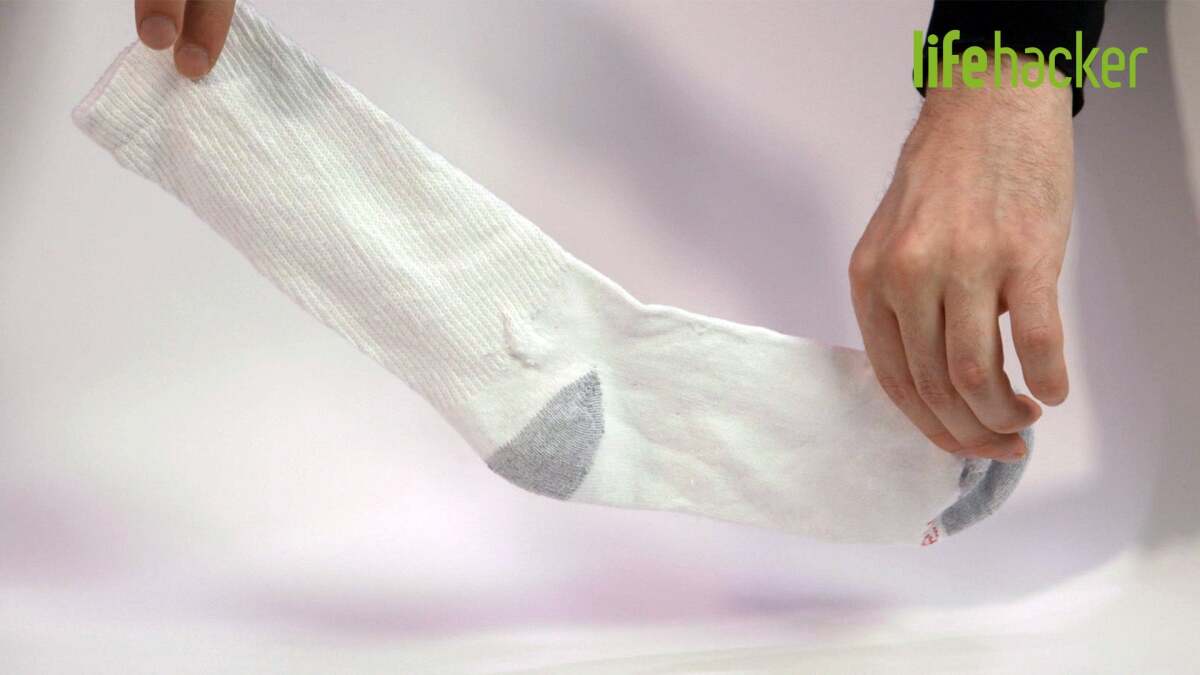
Every household has a place where lonely socks gather to contemplate their mysterious separation from the laundry herd. Some have lost their partners. Others have stretched beyond recognition, developed holes in unfortunate locations, or simply become too tired for another tour of duty inside a sneaker.
Before you send them to the trash, take a closer look. An old sock is essentially a small, washable fabric pouch with built-in elasticity. That humble design makes it useful for cleaning, organizing, crafting, protecting valuables, entertaining pets, blocking drafts, and solving dozens of tiny household annoyances.
Reusing old socks will not single-handedly save the planet, but extending the useful life of textiles is a practical way to reduce household waste. The U.S. Environmental Protection Agency encourages repairing and reusing worn items when possible, while textile recycling organizations note that even single socks and worn-out clothing may be accepted by certain recovery programs.
So wash those retired foot sweaters, inspect them carefully, and prepare to discover that your sock drawer has been hiding a surprisingly versatile collection of free household tools.
Before You Reuse Old Socks
Not every sock should be immediately promoted from footwear to household equipment. A quick sorting process keeps your upcycling projects clean, safe, and genuinely useful.
Wash and dry them thoroughly
Launder old socks according to their care labels before using them for crafts, storage, cleaning, or pet projects. Socks previously used for especially dirty jobs should be washed separately from items used in kitchens or around children. The American Cleaning Institute advises keeping bathroom cleaning cloths separate from kitchen cleaning materials to reduce the risk of cross-contamination.
Sort them by condition
Place your socks into three categories:
- Good condition: Best for storage pouches, gift wrapping, crafts, and travel.
- Stained or stretched: Ideal for dusting, polishing, gardening, and garage work.
- Badly torn or contaminated: Send these to an appropriate textile recycling program rather than forcing them into a project.
Avoid becoming the curator of a private sock museum. Save only the number you can realistically use.
Use Old Socks as Washable Cleaning Tools
1. Make an instant dusting mitt
Slide a clean sock over your hand, lightly dampen it, and wipe blinds, baseboards, stair railings, lamps, shelves, and furniture. Your fingers can follow corners and curves that a flat cleaning cloth often misses.
Fuzzy athletic socks are particularly effective because their textured fibers trap dust and pet hair. They are also gentle enough for many decorative objects and plant leaves. Cleaning professionals frequently recommend this method for awkward surfaces because the sock stays securely on your hand instead of performing the traditional cleaning-rag escape maneuver.
2. Clean ceiling fans without creating a dust storm
Place a long sock over your hand, grip one ceiling-fan blade at a time, and slowly pull the sock toward you. Most of the dust becomes trapped inside the fabric rather than falling onto your bed, floor, face, coffee, and everything else directly below.
Turn off the fan first and use a stable step stool. This should be a cleaning project, not an audition for an emergency-room reality show.
3. Replace a disposable floor-cleaning pad
Stretch a thick sock over the head of a compatible flat mop or floor sweeper. Use it for dry dusting or lightly damp cleaning, then remove, wash, and reuse it.
A sock may not cover as much surface area as a purpose-made refill, but it works well as a temporary substitute and can reduce dependence on disposable pads. Plush socks are especially good at collecting crumbs, hair, and dust from hard flooring.
4. Polish shoes, furniture, and metal fixtures
Soft cotton socks make convenient polishing cloths. Apply the appropriate polish or cleaner to the sock, rub the surface, and use a second clean sock for buffing.
Keep these polishing socks clearly labeled and separate from general cleaning materials. A sock carrying furniture polish should never unexpectedly appear beside your dinner plates.
5. Wipe muddy pet paws
Keep one or two absorbent socks near the door for rainy-day paw cleaning. Slip a sock over your hand, gently hold each paw, and wipe away dirt before your pet redecorates the floor in “wet backyard brown.”
Use a clean, soft sock without loose threads, buttons, glue, or decorations. Wash it after each muddy outing.
Turn Old Socks Into Household Problem-Solvers
6. Create natural shoe deodorizers
Fill a clean sock with baking soda, tie the top securely, and place it inside a shoe overnight. The baking soda can help absorb unpleasant odors and moisture.
For a fresher scent, mix in a small amount of dried lavender or cedar shavings. Do not sprinkle essential oils directly onto shoes, since concentrated oils may stain fabric or irritate skin. Refresh the filling periodically and keep the deodorizer away from pets and young children. Experts cited by Good Housekeeping and Martha Stewart recommend this simple use for worn or single socks.
7. Block cold air with a draft stopper
Stuff several long socks with fabric scraps, clean dryer lint, polyester filling, or rice. Sew or knot the ends, arrange them in a row, and place them along the bottom of a drafty door.
For a longer version, sew several socks together before filling them. A soft draft blocker can reduce uncomfortable airflow around doors while giving worn textiles another job. Treehugger and Real Simple both describe socks as useful material for homemade draft solutions.
8. Protect shoes inside a suitcase
Pull large old socks over the soles of packed shoes. This creates a washable barrier between footwear and clean clothing without requiring disposable plastic bags.
Individual socks also work as small travel organizers for chargers, belts, jewelry, watches, hair accessories, or earbuds. Choose socks without holes, and use different colors to identify different categories. Apartment Therapy and Martha Stewart have highlighted socks as practical packing and storage covers.
9. Cushion fragile objects during storage
Slip old socks over drinking glasses, holiday ornaments, small vases, candleholders, or delicate tools before placing them in a box. Thick winter socks provide more padding, while long socks can protect narrow items such as table legs, decorative handles, or rolled cords.
Always label the container. Otherwise, someone may open it later and wonder why the family heirloom is wearing a striped ankle sock.
10. Organize cords and small hardware
Use one sock for phone chargers, another for extension-cord adapters, and another for spare furniture hardware. Add a fabric label or tie on a paper tag so you know what is inside.
This method works well during a move because the elastic opening helps keep small parts together. Place the screws from a disassembled table into a sock, tie it closed, label it, and tape it securely to one of the table components.
Make Comfort Items From Retired Socks
11. Build a reusable rice pack
A long, clean cotton sock can be filled with uncooked rice and tied or sewn shut to make a flexible hot or cold pack. For cold use, seal the sock inside a clean bag and place it in the freezer. For warm use, heat it cautiously in short microwave intervals, checking the temperature each time.
Use only plain, microwave-safe fabric without metallic thread, rubber grips, glued decorations, or synthetic embellishments. Never leave the microwave unattended, and place a cloth between the pack and your skin. Stop using it if you notice scorching, unusual odors, extreme heat, or damaged fabric. Real Simple recommends knee-high socks as a convenient shape for homemade rice packs, but cautious heating remains essential.
12. Make a tennis-ball massage tool
Place one or two tennis balls inside a long sock and tie the end. Position the tool between your back and a wall, then lean gently against it to roll over tight muscles.
Two balls can sit on either side of the spine, while a single ball allows more targeted pressure. Avoid rolling directly over bones, injuries, swollen areas, or the front of the neck. HGTV recommends this simple combination as an inexpensive self-massage tool.
13. Create an emergency ice-pack cover
Instead of pressing a cold pack directly against your skin, slide it inside a thick sock. The fabric creates a protective layer and helps absorb condensation.
This is especially useful for oddly shaped gel packs that become slippery as they warm. Use the cold pack only for the recommended duration, and consult a medical professional for serious pain or injuries.
Transform Old Socks Into Crafts and Gifts
14. Make classic sock puppets
A clean, colorful sock can become a dragon, dog, dinosaur, alien, or suspiciously dramatic family member. Add felt shapes, yarn, fabric scraps, or securely attached decorations.
For young children, avoid buttons, beads, loose eyes, and other choking hazards. Fabric markers and firmly stitched felt are safer choices. Both Martha Stewart and Real Simple recommend sock puppets as an easy way to turn mismatched socks into imaginative toys.
15. Craft a no-sew sock bunny
Fill a tall sock with rice or soft stuffing, shape the body with string, and cut the empty upper section into two ears. Add a ribbon and draw a simple face with a fabric marker.
This project is popular for spring decorations, classroom activities, and homemade gifts. HGTV’s version uses a clean tall sock, rice, twine, ribbon, scissors, and a fabric marker. Keep rice-filled decorations dry and supervise children during construction.
16. Sew miniature gift bags
Cut a clean patterned sock to the desired length, turn it inside out, sew the cut edge closed, and flip it back. Add ribbon around the opening to create a reusable pouch for jewelry, gift cards, candy, cosmetics, or other small presents.
A cozy sock package can feel more personal than disposable wrapping paper, especially when the fabric has a festive pattern. HGTV suggests repurposed socks as creative wrapping for small gift boxes.
17. Build holiday ornaments
Fill baby socks or small ankle socks with lightweight stuffing, tie them closed, and decorate them as snowmen, gnomes, miniature stockings, ghosts, or fabric pumpkins.
For a simple Halloween ghost, stuff the toe lightly, tie a string beneath the head, draw a face, and hang it with thread. For Christmas, use red, green, striped, or fuzzy socks to create ornaments that look charmingly handmade rather than suspiciously expensive.
Use Old Socks in the Garden and Garage
18. Make gentle plant ties
Cut stretchy socks into narrow strips and use them to support tomato plants, climbing vines, or young saplings. Soft fabric is less likely to cut into stems than thin wire or rigid plastic ties.
Tie the material loosely in a figure-eight shape, leaving room for the plant to grow. Check the ties throughout the season and loosen or replace them before they become restrictive.
19. Protect tools and sharp edges
Slide thick socks over clean hand tools, furniture feet, clamps, or other objects that may scratch nearby surfaces during storage. A sock can also protect the end of a folded saw, although it is not a replacement for a proper blade guard.
Clearly mark any sock covering a sharp tool. Nobody should reach into a drawer expecting knitwear and discover a surprise chisel.
20. Use them for dirty one-time jobs
Some socks are too worn for permanent reuse but still have one useful assignment left. Use them to wipe grease from tools, clean outdoor furniture, remove cobwebs in the garage, or tackle grime that would ruin a better cloth.
Do not wash heavily contaminated rags with ordinary laundry. Socks exposed to solvents, gasoline, pesticides, oil, or hazardous chemicals require disposal according to local safety rules.
Know When to Recycle Instead
Reuse should solve a problem, not create a larger pile of “maybe someday” objects. When socks are excessively torn, moldy, contaminated, or no longer useful, investigate textile recycling options in your area.
Some mail-in programs and collection services accept single socks, worn-through shirts, and other textiles that cannot be donated for continued wear. Depending on the program, materials may be sorted for reuse, converted into industrial wiping cloths, processed into fiber, or used in other recycled products. Acceptance rules vary, so verify the requirements before dropping off or mailing anything.
A 30-Day Old-Sock Reuse Experiment: A Practical Experience
To understand which sock-reuse ideas are genuinely helpful, imagine a household conducting a simple 30-day experiment. The family begins with a basket containing 18 clean but unwanted socks: several athletic socks, two long wool socks, five colorful children’s socks, and a collection of thin ankle socks that appear to have survived a small textile-based apocalypse.
During the first week, four athletic socks become cleaning mitts. This immediately proves to be the most successful use. A sock worn over the hand makes it easier to clean narrow blinds, curved chair legs, and dusty baseboards. Because the fabric stays attached to the hand, the job feels faster and more controlled than using a loose rag. One sock is assigned to dry dusting, one to damp cleaning, one to the car interior, and one to muddy pet paws. Labeling them prevents unfortunate crossovers.
The family then stretches a fuzzy sock over a flat floor sweeper. It collects hair and crumbs surprisingly well in the kitchen, although it shifts slightly during aggressive cleaning. The lesson is simple: a snug sock works; an oversized sock behaves like a rebellious tablecloth. Afterward, the sock goes directly into the wash and returns for another round.
During week two, two long socks are filled with fabric scraps and positioned against a drafty back door. The difference is modest but noticeable on cool evenings. Unlike a heavy commercial draft blocker, the sock version is easy to move, wash, and store. It is not glamorous, but neither is paying to heat the outdoors.
Another pair becomes shoe deodorizers filled with baking soda. After several nights inside frequently worn sneakers, the shoes smell less intense. The family discovers that tightly woven socks work best because fine powder can escape through very thin fabric. Placing the baking soda inside a small piece of breathable scrap cloth before inserting it into the sock reduces leakage.
Week three focuses on organization. Bright children’s socks become pouches for charging cables, earbuds, and small travel accessories. The color coding proves more useful than expected: blue holds phone cables, red contains camera accessories, and yellow stores adapters. Nobody has to untangle a mysterious electronic nest at the bottom of a suitcase.
The least successful project is an overly ambitious sock sculpture created from six mismatched socks, yarn, rice, and optimism. It leans sideways and resembles a snowman reconsidering its career. However, the children love it, which means the project succeeds according to the only audience that matters.
By the end of the month, 14 of the 18 socks have useful roles. Two badly damaged socks go to a textile collection program, while two remain in the craft basket for future projects. The biggest lesson is that practical reuses outperform complicated ones. Dusting mitts, packing covers, storage pouches, and draft blockers require little effort and deliver immediate value.
The experiment also reveals an important boundary: keeping every old sock is not sustainable or organized. Reuse works best when each item receives a specific purpose. A sock waiting indefinitely for inspiration is not being upcycled; it is simply enjoying free rent in a drawer.
Conclusion
Old socks may look like laundry casualties, but their stretchy shape, soft fabric, and washable construction make them remarkably useful. They can clean blinds, protect packed shoes, organize cords, block drafts, cushion valuables, entertain children, support plants, and become inexpensive comfort tools.
Start with the easiest ideas and assign each sock a clear role. Keep cleaning socks separated by task, use caution with heated projects, supervise pets and children around homemade toys, and recycle textiles that are no longer safe or useful.
The next time a sock loses its partner, do not mourn the relationship for too long. That lonely sock may have an exciting second career waitingas a duster, deodorizer, puppet, travel pouch, or highly qualified ceiling-fan specialist.
Note: This article synthesizes practical information from 10–15 reputable U.S. sustainability, cleaning, home, craft, and consumer-safety resources, including the U.S. EPA, Good Housekeeping, Martha Stewart, The Spruce, Apartment Therapy, Real Simple, HGTV, Bob Vila, Treehugger, Earth911, the American Cleaning Institute, and the U.S. Consumer Product Safety Commission.