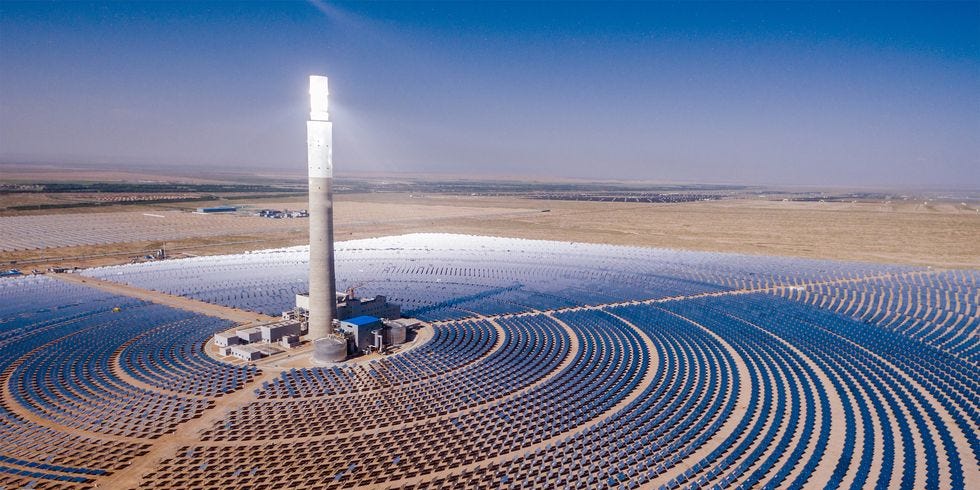
For decades, the energy debate sounded like an argument between a calculator and a campfire. Fossil fuels were called “reliable and cheap,” while renewable energy was treated like a noble but pricey science project. Then solar power walked into the room wearing sunglasses, carrying a declining cost curve, and politely ruined the old script.
Today, the statement “solar is the cheapest energy” is no longer a slogan printed on a reusable tote bag. In many markets, especially for new electricity generation, utility-scale solar and wind are among the lowest-cost options available. The price of solar panels has fallen dramatically, project developers have learned how to build solar farms faster, and investors increasingly see clean power as a mainstream infrastructure asset rather than a futuristic experiment.
That does not mean every solar project is automatically cheaper than every gas plant, coal plant, rooftop system, or grid upgrade. Energy costs are wonderfully annoying that way. Location, financing, transmission access, storage needs, policy, fuel prices, and local labor all matter. But when comparing new power plants on a levelized cost basis, renewable energy has become extremely hard for fossil fuels to beat.
What Does “Cheapest Energy” Actually Mean?
When energy analysts compare power sources, they often use a metric called levelized cost of energy, or LCOE. Think of LCOE as the all-in average cost of producing electricity over a plant’s lifetime. It usually includes construction, financing, operations, maintenance, fuel, and expected output. In plain English, it asks: “How much does one megawatt-hour of electricity really cost once the whole bill is counted?”
This is important because fossil fuel plants and renewable power plants have very different cost personalities. A gas plant may be cheaper to build quickly, but it keeps buying fuel for decades. A solar farm has higher upfront equipment and construction costs, but after installation, sunshine does not send invoices. The sun has many flaws as a scheduling partner, but charging a fuel fee is not one of them.
Solar’s Biggest Advantage: No Fuel Cost
The biggest reason solar power has become so competitive is simple: once the project is built, the “fuel” is free. Coal and gas plants must continually buy coal or natural gas. Their operating costs are tied to commodity markets, transportation, regulations, and sometimes international shocks. Solar projects, by contrast, are mostly upfront-cost machines. Build them well, connect them properly, maintain them reasonably, and they can produce electricity for decades with relatively predictable expenses.
This predictability matters. Utilities, companies, cities, and data centers increasingly want long-term power contracts that do not swing wildly every time fuel markets get dramatic. Solar power purchase agreements can offer that kind of price visibility, especially when paired with batteries or diversified with wind, hydro, geothermal, and other resources.
Renewable Energy vs. Fossil Fuels Cost: The Big Picture
Globally, renewable energy has moved from “alternative” to “obvious contender.” Recent cost studies show that most newly commissioned utility-scale renewable projects are cheaper than fossil fuel alternatives. Utility-scale solar PV has become especially competitive because module prices have dropped, manufacturing has scaled, and installation experience has improved across major markets.
In the United States, the trend is equally clear. Developers continue to plan enormous amounts of solar and battery storage capacity because these technologies can be deployed relatively quickly and economically. The U.S. power sector is also facing rising demand from electrification, manufacturing, air conditioning, and data centers. When demand grows, the cheapest new electrons become very popular guests at the grid party.
Solar vs. Coal
Coal used to dominate electricity generation because it was abundant, dispatchable, and supported by massive infrastructure. But coal plants are expensive to operate compared with newer resources in many regions. They require fuel delivery, ongoing maintenance, pollution controls, ash handling, and aging equipment upgrades. Many coal units were built decades ago, which means they may have paid off original construction costs, but they still face high running costs.
New solar, especially in sunny regions with good land access and transmission capacity, can often undercut coal on cost. In some analyses, replacing existing coal generation with local wind, solar, and storage can save money, not just reduce emissions. That is the kind of sentence that makes an old power-plant spreadsheet quietly stare out the window.
Solar vs. Natural Gas
Natural gas is more flexible than coal and has played a major role in reducing U.S. power-sector emissions by displacing coal. Gas plants can ramp output to help balance the grid, which gives them a reliability role that solar alone cannot fully replace. However, gas has a cost problem that solar does not: fuel volatility.
When natural gas prices rise, electricity costs can rise with them. Gas plants also face pipeline constraints, winter price spikes, methane leakage concerns, and potential carbon regulation. Solar does not provide round-the-clock output by itself, but its operating cost is highly predictable. When paired with batteries, demand response, transmission upgrades, and other clean resources, solar can reduce how often expensive gas plants need to run.
Solar vs. Oil
Oil is not a major electricity fuel in most of the U.S., but it still matters in remote grids, islands, backup generation, and some international markets. Compared with oil-fired power, solar is usually dramatically cheaper over time. Diesel generation is convenient but expensive, and fuel delivery can become a logistical headache. In those settings, solar plus battery storage can cut fuel use, reduce noise, and make energy bills much less painful.
Why Solar Costs Fell So Fast
Solar’s cost decline did not happen because one genius panel whispered, “Let there be savings.” It happened because of scale, technology, competition, better manufacturing, improved installation methods, and policy support. As more solar was built, companies learned how to make panels more efficiently, design projects better, reduce waste, and finance them at lower risk.
Modern utility-scale solar farms often use tracking systems that tilt panels through the day to follow the sun. Better inverters improve performance. Larger projects spread fixed costs over more electricity. Developers have become more skilled at site selection, procurement, permitting, and grid interconnection. In short, solar got cheaper because the whole supply chain went to the gym.
The Learning Curve Effect
Energy technologies often get cheaper as deployment grows. This is called a learning curve. Every doubling of cumulative production can reduce costs because manufacturers improve processes, standardize parts, and gain experience. Solar PV has benefited enormously from this effect. The same pattern is now visible in batteries, where rapid deployment is pushing costs downward and improving performance.
That matters because solar’s main weakness is timing. Solar produces during daylight hours, with output depending on weather and season. Batteries help shift midday solar into evening demand periods. As storage costs fall, solar becomes more valuable, not just cheaper.
The Hidden Costs: Where the Solar Story Gets More Complicated
A serious renewable energy vs. fossil fuels cost comparison must include the messy middle: grid integration. Solar may be cheap at the project level, but electricity systems also need transmission lines, balancing resources, storage, smart controls, and market rules that reward flexibility.
If a solar farm is built far from demand and the transmission line is not ready, cheap electricity can get stuck like a delivery driver with no address. If too much solar floods the grid at noon, wholesale prices can fall sharply during sunny hours, reducing project revenue. If evening demand rises after sunset, the grid still needs batteries, hydro, geothermal, nuclear, gas peakers, demand response, or imports from other regions.
Cheap Energy Is Not the Same as Free Grid Management
Solar’s low generation cost does not eliminate the need for grid planning. The best energy systems combine low-cost generation with flexibility. That can include utility-scale batteries, long-distance transmission, time-of-use pricing, smart thermostats, electric vehicle charging management, and industrial demand response.
This is where fossil fuel defenders sometimes make a fair point, although they often serve it with extra gravy. Solar is variable. Wind is variable. Batteries cost money. Transmission takes time. But fossil fuels also have system costs: fuel supply, pollution controls, health impacts, climate risk, price volatility, and infrastructure maintenance. The honest comparison is not “solar panels vs. a perfect magic gas plant.” It is one real system versus another real system.
What About Rooftop Solar?
Utility-scale solar is usually much cheaper than rooftop solar because large projects benefit from economies of scale. A 200-megawatt solar farm can buy equipment in bulk, use professional crews efficiently, and optimize land and grid connections. A rooftop system must deal with roof angles, local permitting, customer acquisition, smaller installation crews, and sometimes complicated financing.
That does not mean rooftop solar is a bad deal. For homeowners with high electricity rates, good sunlight, solid roofs, and fair net-metering or battery economics, rooftop solar can reduce bills and provide resilience. But from a pure cost-of-generation perspective, utility-scale solar is typically the champion. Rooftop solar is more like buying coffee from a café next door; utility-scale solar is like buying the whole coffee farm and negotiating politely with the sun.
Why Fossil Fuels Still Remain in the Mix
If solar is so cheap, why are fossil fuels still widely used? The answer is not one thing; it is a stack of things. Existing fossil fuel plants are already built. Power markets value reliability and dispatchability. Transmission projects can take years. Permitting can slow clean energy development. Some regions have less solar resource than others. Industrial customers may need heat, not just electricity. And utilities must maintain power every second, not just when the price chart looks pretty.
Natural gas, in particular, remains important because it can generate power when demand spikes or renewable output falls. However, the economic role of gas is changing. Instead of running constantly, many gas plants may increasingly act as backup or balancing resources. That can make their business model more complicated because plants that run fewer hours must recover costs over less output.
The Cost of Fuel Risk
Fossil fuels carry a risk that renewable energy mostly avoids: fuel price uncertainty. A utility planning a gas plant must consider future gas prices. Will they stay low? Rise sharply? Spike during extreme weather? Become affected by LNG export demand? Nobody knows for sure. Solar’s fuel price forecast is much easier: sunlight will remain stubbornly free, though clouds will continue their unpaid internship in chaos.
Solar, Batteries, and the New Economics of Power
The most important energy cost story is no longer solar alone. It is solar plus storage. Batteries help absorb excess solar generation during the day and deliver it when customers need power later. They can also provide grid services such as frequency regulation, fast response, and peak shaving.
Battery storage does not make solar constant in the same way a fuel plant can run continuously, but it makes solar far more useful. In sunny states such as California, Texas, Arizona, Nevada, and Florida, the combination of solar and batteries is reshaping how utilities plan new capacity. In many cases, batteries are being added not because they sound futuristic, but because they solve real grid problems and can earn real market revenue.
Specific Example: Texas Shows the Shift
Texas is one of the clearest examples of solar’s cost-driven rise. The state has abundant land, strong sunlight, a competitive power market, and growing electricity demand. Solar generation has grown rapidly, and battery storage is expanding alongside it. This is not happening because Texas suddenly became a poetry club for clean energy. It is happening because developers follow economics, and solar economics are attractive.
The Texas example also shows that renewable energy does not have to be framed as a partisan accessory. Businesses want affordable power. Grid operators want enough supply. Consumers want reasonable bills. Solar, wind, and batteries are being built because they increasingly answer those practical needs.
Environmental Costs: The Bill Fossil Fuels Often Hide
Traditional cost comparisons have often ignored pollution and climate impacts. That makes fossil fuels look cheaper than they really are. Coal and gas plants release greenhouse gases, and fossil fuel combustion can also produce air pollutants that affect health. Those costs may not always appear on an electric bill, but society pays them through healthcare costs, climate-related damages, environmental cleanup, and infrastructure stress.
Solar panels are not impact-free. Manufacturing requires materials, energy, land, and responsible end-of-life recycling. Mining and supply chains deserve scrutiny. But lifecycle emissions from solar are far lower than emissions from coal and natural gas generation. When environmental costs are included, solar’s economic case becomes even stronger.
So, Is Solar Really the Cheapest Energy?
For new bulk electricity generation in many places, yes, solar is one of the cheapest energy sources available. In especially sunny regions with good financing and grid access, it can be the cheapest. Onshore wind also competes fiercely, and in some areas it beats solar. Hydropower and geothermal can be excellent where resources exist, but they are geographically limited. Nuclear offers firm low-carbon power, but new projects often face high construction costs and long timelines.
The fairest answer is this: solar is often the cheapest new source of electricity, but the cheapest reliable energy system uses a mix of resources. Solar shines brightest when paired with storage, transmission, demand flexibility, and complementary clean generation. The future grid is unlikely to be a one-instrument solo. It will be an orchestra, and solar is currently playing a very affordable lead guitar.
Experience-Based Insights: What the Solar Cost Debate Looks Like in Real Life
When people talk about solar being the cheapest energy, the conversation often gets stuck at the headline level. In real life, cost is experienced through bills, contracts, installation quotes, grid delays, and business decisions. A homeowner may hear that solar is cheap, then receive a rooftop quote that feels anything but cheap. A utility may sign a low-cost solar power purchase agreement, then spend years waiting for transmission upgrades. A factory may want clean power, but also needs reliability at midnight. The experience is more textured than a single chart.
One practical lesson is that scale changes everything. Utility-scale solar benefits from professional procurement, standardized engineering, large land parcels, and better financing. That is why a solar farm can deliver electricity at a cost far below many small rooftop systems. For homeowners, the biggest expenses are often not the panels themselves but soft costs: sales, permitting, inspection, financing, design, and installation labor. Anyone evaluating rooftop solar should compare multiple quotes, check equipment warranties, study local electricity rates, and understand how net billing or net metering works. The cheapest-looking contract is not always the cheapest long-term deal.
Another real-world lesson is that timing matters. Solar is most productive during sunny hours, which may or may not match the highest-value electricity periods. In places where afternoon air-conditioning demand is high, solar can be extremely valuable. In grids with massive midday solar output, the value of additional solar may fall unless storage is added. That is why batteries are becoming less of a luxury add-on and more of a practical partner. They help move cheap solar power into evening hours, when families cook dinner, businesses keep lights on, and everyone mysteriously decides to charge every device they own.
Businesses are also learning that solar is not just an environmental decision; it is a budgeting tool. A company that signs a long-term renewable power contract may reduce exposure to fossil fuel price swings. That can make financial planning easier. For energy-intensive companies, predictable power prices are valuable because electricity affects margins. Clean energy procurement can also support brand goals, investor expectations, and supply-chain requirements. In other words, solar is no longer just a “green” decision. It is a CFO conversation, which is when you know a technology has truly grown up.
Communities, however, experience solar through land use, local jobs, tax revenue, and visual changes. A large solar farm can generate lease income for landowners and tax revenue for counties, but it may also raise concerns about farmland, wildlife, drainage, or neighborhood character. Good developers engage early, communicate clearly, and design projects responsibly. Poor developers treat community meetings like a checkbox, which is a great way to turn affordable energy into an avoidable argument.
The most useful takeaway is that solar’s cost advantage is real, but execution determines how much value people actually receive. Cheap panels do not automatically create cheap electricity if permitting is slow, interconnection queues are jammed, financing is expensive, or grid planning is outdated. The next phase of the solar revolution is not only about making panels cheaper. It is about making the entire energy system smarter, faster, fairer, and more flexible.
Conclusion: The Cheapest Energy Is Now a Strategy, Not a Slogan
Solar power has earned its place at the center of the energy cost conversation. Compared with fossil fuels, it offers low operating costs, no fuel price risk, falling technology costs, and major environmental benefits. Fossil fuels still provide reliability services in many grids, but their economic advantage has weakened as solar, wind, and batteries have improved.
The winning energy strategy is not to pretend solar solves everything by itself. The winning strategy is to build low-cost solar where it makes sense, pair it with storage and transmission, improve permitting, modernize markets, and use fossil fuels less often as cleaner firm resources grow. Solar is cheapest energy in many real-world comparisons, but the bigger prize is an affordable, reliable, cleaner grid that does not panic every time fuel prices sneeze.