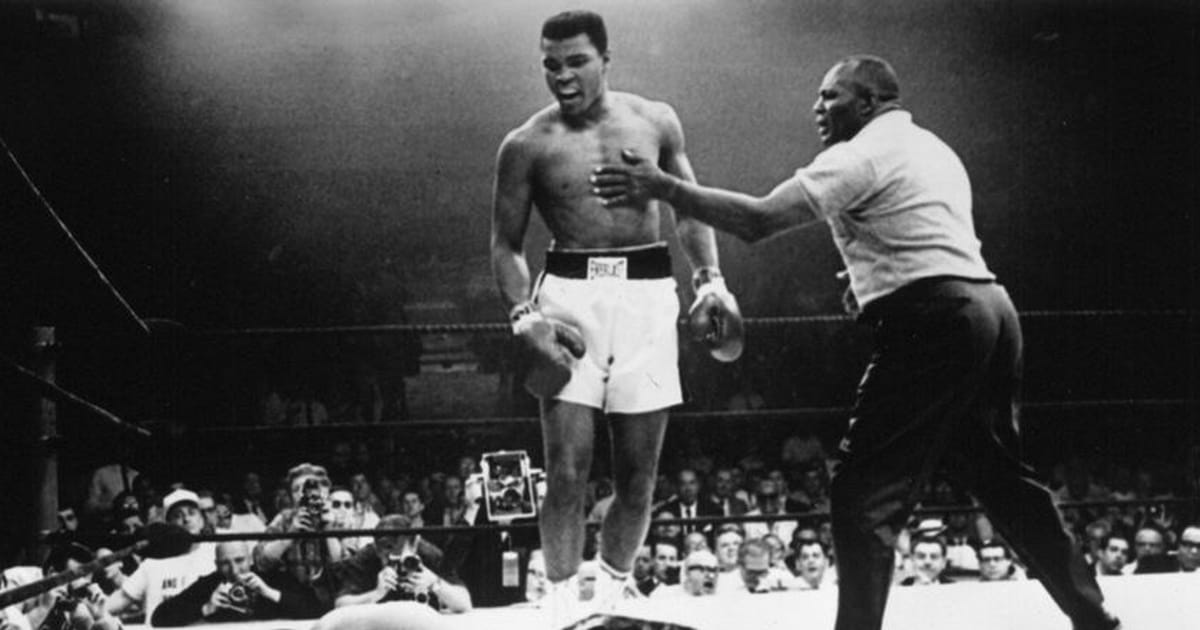
Every fight fan has a different definition of toughness. For some, it means taking a punch and smiling like the rent is due. For others, it means winning titles across weight classes, surviving brutal rivalries, returning from defeat, or fighting world-class opponents for years without letting fear do the matchmaking. The toughest professional fighters in history were not always undefeated, not always the biggest, and not always the prettiest stylists. Sometimes they were the ones who kept walking forward when common sense had already packed a bag and left the arena.
This list looks beyond simple win-loss records. It considers durability, elite opposition, mental strength, career longevity, comeback ability, and the kind of pressure that turns ordinary athletes into legends. Boxing, MMA, Muay Thai, and kickboxing all have their own versions of toughness, but the greats share one thing: when the lights got hot, they did not shrink. They adjusted, endured, and, when necessary, bit down on the mouthpiece and wrote history the hard way.
What Makes a Fighter Truly Tough?
Toughness in professional fighting is not just “having a good chin.” A heavy bag has a good chin, and nobody is buying pay-per-view to watch it. Real toughness includes physical durability, emotional control, discipline, recovery, and the ability to make smart decisions while exhausted, hurt, and being loudly judged by thousands of people eating nachos.
Durability Under Fire
Some fighters could absorb punishment and keep competing at a championship level. Joe Frazier, Arturo Gatti, Antonio Rodrigo Nogueira, and Marvin Hagler all became symbols of this kind of toughness. Their careers proved that pain tolerance matters, but so does the ability to remain dangerous after taking damage.
Mental Strength and Adaptability
Muhammad Ali, Georges St-Pierre, Amanda Nunes, and Manny Pacquiao showed another form of toughness: the willingness to reinvent themselves. They adjusted styles, handled public pressure, avenged losses, changed weight classes, and stayed effective when opponents had years of film to study.
Fighting Great Opposition
A fighter’s toughness is easier to measure when the opponent list looks like a haunted house. Facing legends repeatedly is different from building a shiny record against carefully selected names. The toughest professional fighters usually have resumes filled with champions, dangerous punchers, awkward stylists, and rivalries that demanded more than athletic talent.
The Toughest Professional Fighters in History
1. Muhammad Ali: Toughness With a Brain and a Big Mouth
Muhammad Ali is remembered for speed, poetry, and charisma, but his toughness may be his most underrated weapon. Early Ali danced. Later Ali endured. After returning from exile, he no longer had the same legs that made him look untouchable in the 1960s, so he found new ways to win against frightening heavyweights.
The “Rumble in the Jungle” against George Foreman showed tactical toughness. The “Thrilla in Manila” against Joe Frazier showed something closer to survival. Ali absorbed body shots, fought through heat, fatigue, and pressure, and still found enough left to win after Frazier’s corner stopped the bout following the 14th round. Ali did not merely defeat opponents; he outlasted eras.
2. Joe Frazier: The Human Pressure Cooker
Joe Frazier fought like a man trying to walk through a locked door without using the handle. His left hook was legendary, but his real trademark was pressure. Frazier bobbed, weaved, attacked the body, and forced opponents into uncomfortable conversations at very close range.
His rivalry with Ali remains one of boxing’s greatest stories because Frazier refused to be a supporting character. He handed Ali his first professional loss in 1971 and pushed him to the edge in Manila. Frazier’s toughness was not loud or polished. It was blue-collar, relentless, and hot enough to make the other side question their life choices.
3. Rocky Marciano: The Undefeated Rock
Rocky Marciano retired with a perfect 49-0 professional record, a number that still carries mythological weight in boxing. He was not the tallest heavyweight, nor the slickest, nor the owner of the longest reach. What he had was stamina, punching power, conditioning, and a refusal to let physical disadvantages write the ending.
Marciano’s style was rough, compact, and punishing. He could be knocked down, as he was against Jersey Joe Walcott and Archie Moore, but he did not stay solved for long. His toughness was built on pressure and persistence, the kind that makes opponents feel as if every round is being fought uphill during a thunderstorm.
4. Marvin Hagler: The Middleweight Who Looked Forged, Not Born
Marvelous Marvin Hagler had one of the most intimidating presences in boxing history. Bald head, stone face, southpaw stance, and the general vibe of a man who came to work with a lunch pail full of uppercuts. Hagler ruled the middleweight division with discipline, durability, and a frightening commitment to preparation.
His 1985 war with Thomas Hearns lasted only three rounds, but it compressed a lifetime of violence into less time than it takes to microwave leftovers. Hagler was cut, attacked, and forced into a firestorm. He responded by walking forward and ending one of the most explosive fights ever staged. That is toughness with punctuation.
5. Roberto Duran: Hands of Stone, Heart of Concrete
Roberto Duran’s nickname, “Hands of Stone,” says plenty about his punching. It says less about his fighting intelligence and emotional fire. Duran rose from poverty in Panama to become one of the greatest lightweights ever, then moved up in weight and shocked Sugar Ray Leonard in their first fight in 1980.
Duran’s career stretched across decades, and he faced elite names from lightweight to middleweight and beyond. Even when his career had ups, downs, and controversies, his greatness remained rooted in ferocity and craft. He was not merely tough because he could take punishment. He was tough because he could impose discomfort on fighters who were bigger, faster, younger, or all three.
6. Arturo Gatti: The Human Highlight Reel With a Repair Bill
Arturo Gatti may be the first fighter many fans picture when they hear the phrase “blood-and-guts warrior.” Gatti was a two-weight world champion, but his legend comes from the emotional chaos of his fights. When strategy failed, when faces swelled, when the ring turned into a phone booth, Gatti often found another gear.
His trilogy with Micky Ward remains essential viewing for anyone studying boxing toughness. Gatti could box better than some casual fans remember, but he often chose drama, or drama chose him and would not leave. He became beloved because he made vulnerability look heroic. Watching Gatti fight was like watching a man argue with pain and somehow win the debate.
7. Manny Pacquiao: The Eight-Division Storm
Manny Pacquiao’s toughness is easy to miss because his speed made everything look electric. But rising from flyweight to win world titles across eight divisions is not just a technical achievement. It is a long-term act of physical courage. Every jump in weight brought larger opponents, stronger punches, and new tactical puzzles.
Pacquiao fought legends, champions, and elite contenders while maintaining a style built on movement, volume, and explosive angles. He was knocked out, criticized, rebuilt, and returned to championship form. That combination of ambition and resilience made him one of the most remarkable professional fighters in history.
8. Amanda Nunes: The Lioness Who Cleared the Jungle
Amanda Nunes brought a rare kind of toughness to mixed martial arts: finishing power combined with calm dominance. She became a two-division UFC champion and defeated many of the biggest names in women’s MMA, including Ronda Rousey, Miesha Tate, Cris Cyborg, Holly Holm, and Valentina Shevchenko.
Nunes was not just physically strong. She handled pressure with icy composure. Her win over Cyborg was especially shocking because many expected chaos; Nunes delivered controlled destruction. Toughness, in her case, meant having the courage to exchange with fearsome opponents and the discipline to make greatness look almost routine.
9. Fedor Emelianenko: The Coldest Heavyweight in MMA
Fedor Emelianenko’s toughness was quiet, almost unsettling. He did not stomp around like a movie villain. He looked calm enough to ask for tea, then dismantled elite heavyweights in an era when PRIDE Fighting Championships was a shark tank wearing gloves.
Fedor survived dangerous moments against powerful opponents, including Kevin Randleman’s famous suplex and wars with world-class strikers and grapplers. His greatness came from balance: sambo, boxing, submissions, ground-and-pound, and a face that rarely showed panic. Some fighters make toughness look dramatic. Fedor made it look like office paperwork.
10. Antonio Rodrigo Nogueira: The Comeback Specialist
Antonio Rodrigo Nogueira, known as “Big Nog,” became famous for surviving terrible positions and finding submissions after absorbing punishment. His fight with Bob Sapp remains one of MMA’s classic examples of technique and grit overcoming size and violence. Nogueira was slammed, pressured, and battered, yet he kept working until he found the armbar.
He later became both a PRIDE heavyweight champion and an interim UFC heavyweight champion. Nogueira’s toughness was not reckless. It was patient. He could lose minutes of a fight, endure pain, and still believe there was one opening left. Usually, he was right.
11. Kazushi Sakuraba: The Gracie Hunter
Kazushi Sakuraba fought like a mad scientist who misplaced the safety manual. A natural showman and creative grappler, he took on larger opponents, elite submission artists, and members of the legendary Gracie family. His 90-minute fight with Royce Gracie in 2000 is still one of the wildest endurance tests in MMA history.
Sakuraba’s toughness came with imagination. He used low kicks, kimura traps, rolling attacks, and psychological games before MMA had fully standardized itself. He was undersized in many matchups, yet he competed with a mix of skill, nerve, and theatrical mischief. Toughness does not always look grim. Sometimes it wears orange trunks and invents problems nobody trained for.
12. Wanderlei Silva: The Axe Murderer Era
Wanderlei Silva became a symbol of PRIDE-era violence. His nickname, “The Axe Murderer,” was not subtle, and neither was his fighting style. Silva attacked with hooks, knees, aggression, and a pace that made opponents feel trapped in a blender.
During his prime in Japan, Silva built one of MMA’s most feared reputations. He was not unbeatable, but toughness is not the same as perfection. His willingness to engage dangerous strikers and keep moving forward made him unforgettable. He represented the wild frontier of MMA, where survival required both skill and a slightly questionable relationship with self-preservation.
13. Buakaw Banchamek: The Global Face of Muay Thai Grit
Buakaw Banchamek helped introduce countless international fans to Muay Thai and kickboxing. A two-time K-1 World MAX champion, Buakaw blended crushing kicks, clinch strength, conditioning, and stoic ring presence. He fought across rule sets and countries, carrying the reputation of Thai striking onto the global stage.
What makes Buakaw tough is not only his ability to win; it is his longevity. In combat sports, staying relevant after years of hard training, travel, and physical damage is its own championship. Buakaw’s career shows how toughness can be built from repetition, discipline, and a terrifying left kick that arrives like an overdue bill.
14. Saenchai: The Genius Who Fought Bigger Men
Saenchai is often celebrated for creativity, balance, and technical brilliance, but his toughness deserves equal respect. In Muay Thai, he frequently gave up weight to find challenging opponents, which is a polite way of saying he agreed to make his workday more dangerous than necessary.
His style is playful, but not soft. Saenchai uses timing, sweeps, angles, and counters to frustrate opponents who may be larger and stronger. Toughness here is not just absorbing damage; it is having the courage to fight creatively under pressure. He reminds fans that the toughest fighter is not always the one with the scariest stare. Sometimes it is the one smiling while making elite opponents miss by inches.
Why Toughness Alone Is Not Enough
There is a danger in romanticizing punishment. The toughest professional fighters in history were not great simply because they got hit. They were great because they combined courage with skill. A fighter who only absorbs damage is not a legend; he is a warning label. The names above paired toughness with strategy, conditioning, adaptability, and world-class technique.
Ali used psychology and timing. Frazier used pressure and rhythm. Hagler used preparation and balance. Gatti used heart, but also boxing ability when he trusted it. Nunes used power with patience. Fedor used calm transitions. Saenchai used creativity. Their toughness mattered because it served a larger fighting identity.
Common Traits of the Toughest Fighters
They Stayed Dangerous While Hurt
The best tough fighters did not merely survive rough moments. They created danger from them. Nogueira could threaten submissions after being slammed. Gatti could rally after being hurt. Pacquiao could return from knockout losses and rebuild his championship career.
They Fought Elite Competition
A padded record can look beautiful until inspected closely. The toughest fighters repeatedly faced champions, specialists, punchers, wrestlers, pressure fighters, and tacticians. Their resumes were not protected gardens. They were obstacle courses with ticket sales.
They Had Identity
Great fighters know who they are. Frazier was pressure. Hagler was discipline. Duran was ferocity. Nunes was controlled violence. Sakuraba was creative chaos. The toughest fighters are memorable because their style feels like a signature.
Experience Notes: What Fans and Writers Can Learn From These Fighters
Spending time with the stories of the toughest professional fighters in history changes the way you watch combat sports. At first, many viewers focus on knockouts, belts, and dramatic highlight reels. That is natural. A clean knockout is easy to understand. A championship belt is shiny. A slow-motion replay of a left hook landing perfectly can make anyone feel like a ringside philosopher. But the deeper lesson is usually hidden between the big moments.
One experience that stands out is how often toughness appears before the crowd notices it. A fighter gets clipped in round two and calmly adjusts the guard. A boxer loses the early rounds but keeps investing in body shots. An MMA fighter gets taken down, breathes, frames, and works back to guard instead of panicking. These small choices do not always make the highlight package, but they often decide the fight. Toughness is frequently quiet before it becomes famous.
Another lesson is that the toughest fighters are not fearless. They are trained to function while fear is present. That distinction matters. A professional fighter walking toward a dangerous opponent is not a superhero who forgot how danger works. He or she is an athlete who has practiced enough to keep making decisions under stress. This is why fighters like Ali, Nunes, Fedor, and Pacquiao remain so compelling. Their courage was not random. It was prepared.
There is also a human side that fans should respect. The same fights that create legends can leave lasting damage. The bravery of Gatti, Frazier, Nogueira, and others should be admired without pretending that punishment is harmless. Modern fans can celebrate toughness while also supporting better medical care, smarter refereeing, improved training methods, and responsible matchmaking. Loving combat sports should not require ignoring what combat costs.
For writers, the topic is rich because toughness has many shapes. It can be loud like Wanderlei Silva, elegant like Saenchai, stubborn like Marciano, disciplined like Hagler, or strategic like Georges St-Pierre. A strong article should avoid turning every fighter into the same “warrior” cliché. The fun is in the differences. Some fighters survive by pressure, some by defense, some by creativity, and some by refusing to let a bad round become a bad night.
The final experience is appreciation. Once you study these athletes closely, you stop asking only, “Who would beat whom?” and start asking better questions: Who adapted? Who endured the hardest road? Who changed the sport? Who kept showing up when the easy choice was to disappear? That is where the toughest professional fighters become more than names on a list. They become examples of discipline, risk, resilience, and the strange human desire to test the limits of body and will under bright lights.
Conclusion
The toughest professional fighters in history were not all built the same way. Muhammad Ali survived with intelligence and nerve. Joe Frazier turned pressure into art. Rocky Marciano made persistence his superpower. Marvin Hagler fought with discipline carved into every movement. Roberto Duran brought fire across generations. Arturo Gatti gave fans unforgettable proof of heart. Manny Pacquiao climbed weight classes like a man allergic to comfort. Amanda Nunes dominated with calm violence. Fedor, Nogueira, Sakuraba, Wanderlei, Buakaw, and Saenchai expanded the meaning of toughness across MMA, Muay Thai, and kickboxing.
Ranking toughness will always start arguments, which is convenient because fight fans needed something to do between events anyway. But one truth is hard to dispute: the toughest fighters are remembered not only for winning, but for how they carried themselves when winning became difficult. That is where legends are made.