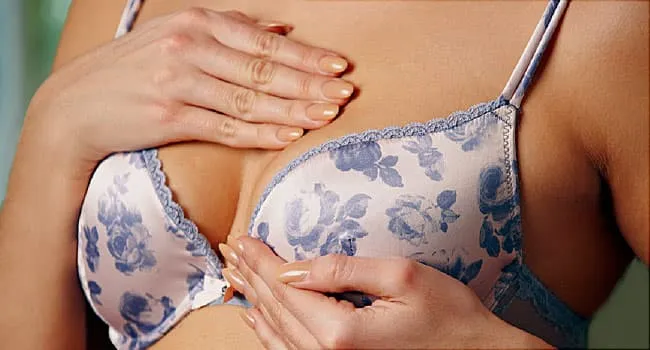
The phrase breast self-exam sounds simple enough: check your breasts, notice changes, call your doctor if something seems off. Easy, right? Well, modern medical guidance has made the topic a little more nuanced than thatbecause apparently even breasts have entered their “it’s complicated” era.
So, should you do a breast self-exam? The practical answer is: you should know what is normal for your breasts, but you should not treat self-exams as a replacement for recommended breast cancer screening. Many major health organizations no longer recommend a rigid, monthly, step-by-step breast self-exam as a formal screening tool for people at average risk. However, they do encourage breast self-awareness: learning how your breasts usually look and feel so you can recognize changes early and speak with a healthcare professional.
Think of it like knowing your car’s normal sounds. You do not need to open the engine every Tuesday with a clipboard, but if it suddenly starts making a noise like a dishwasher full of forks, you pay attention. Breast awareness works the same way: calm, consistent, informednot panicked.
Breast Self-Exam vs. Breast Self-Awareness: What Is the Difference?
What Is a Breast Self-Exam?
A breast self-exam, often shortened to BSE, is a structured method of looking at and feeling the breasts to check for lumps, thickening, skin changes, nipple changes, or other unusual signs. Traditional advice often told women to perform the exam once a month using the same pattern every time.
The goal was reasonable: catch breast cancer earlier. But research showed that formal monthly breast self-exams did not clearly reduce deaths from breast cancer in average-risk women. They also led to more false alarms, extra imaging, anxiety, and biopsies that turned out not to be cancer. In other words, the exam sometimes created a medical scavenger hunt where the “treasure” was stress.
What Is Breast Self-Awareness?
Breast self-awareness is a more flexible approach. Instead of forcing a strict monthly ritual, it encourages you to understand your own normal. That includes how your breasts look, feel, change with your menstrual cycle, respond to hormones, or feel after exercise, pregnancy, breastfeeding, menopause, or weight changes.
Breast self-awareness is not about becoming your own radiologist. It is about being familiar enough with your body to notice when something is new, persistent, or unusual. This approach is less stressful and more realistic for many people.
So, Should You Do a Breast Self-Exam?
If you are at average risk, a formal monthly breast self-exam is not considered a stand-alone breast cancer screening method. Still, doing occasional self-checks can be useful if they help you become familiar with your body without making you anxious. The key is to understand what a self-exam can and cannot do.
A breast self-exam can help you notice visible or touchable changes. It cannot detect every breast cancer, especially very small tumors or changes deep in breast tissue. That is why mammograms and professional medical evaluation matter. A self-check is like looking through the front window; a mammogram is more like using the security camera system.
The best approach for most people is a combination of breast awareness, age-appropriate mammograms, risk assessment, and prompt medical follow-up when something changes.
Why Some Organizations No Longer Recommend Routine Monthly Self-Exams
Major organizations such as the American Cancer Society and the American College of Obstetricians and Gynecologists do not recommend routine breast self-exams as a formal screening method for average-risk women. The reason is not that breast changes do not matter. They absolutely do. The concern is that formal self-exams have not shown the same proven mortality benefit as mammography and may increase unnecessary testing.
False positives are a major issue. Many breast lumps are benign cysts, fibroadenomas, hormonal changes, or normal variations in breast tissue. Finding one can lead to imaging, appointments, worry, and sometimes biopsy. When the result is benign, that is good newsbut the emotional roller coaster still had a very rude seatbelt.
That said, “not recommended as routine screening” does not mean “ignore your breasts.” It means self-exams should not be sold as a magic shield against breast cancer. Awareness is helpful; overconfidence is not.
When Breast Self-Checks Can Still Be Helpful
Breast self-checks may be helpful for people who want to understand their bodies better, especially those who are younger than the typical age for routine mammograms, have dense breast tissue, have a family history of breast cancer, or have previously noticed benign breast changes. They can also be useful between scheduled screenings.
For example, a 32-year-old who does not yet qualify for routine mammograms may still notice a new lump, skin dimpling, or nipple change. A 48-year-old who gets mammograms may notice something unusual six months after a normal screening. In both cases, the right move is not to panic or diagnose yourself. It is to contact a healthcare provider.
Self-awareness gives you a baseline. Once you know your baseline, changes become easier to recognize. That is the real value.
Breast Changes You Should Not Ignore
Not every change means cancer. In fact, most breast changes are not cancer. Still, some changes deserve medical attention, especially if they are new, persistent, or different from your usual pattern.
- A new lump in the breast or underarm area
- Thickening or swelling in part of the breast
- Dimpling, puckering, or irritation of breast skin
- Red, flaky, or thickened skin around the breast or nipple
- A nipple that turns inward when it did not before
- Nipple discharge that is not breast milk, especially if bloody
- A noticeable change in breast size or shape
- Persistent breast or nipple pain in one specific area
- Swelling near the collarbone or underarm
The magic word here is new. Breasts are naturally uneven, textured, and responsive to hormones. Many people have one breast slightly larger than the other. Many have lumpier tissue before a period. But a new change that sticks around deserves a professional opinion.
How to Do a Breast Self-Check Without Turning It Into a Panic Festival
If you choose to do breast self-checks, keep the tone calm and practical. You are not hunting for disaster. You are learning your normal. The process can take just a few minutes.
Step 1: Look in the Mirror
Stand in front of a mirror with your shoulders relaxed. Look at the shape, size, and skin texture of your breasts. Then raise your arms and look again. You are checking for visible changes such as dimpling, swelling, unusual asymmetry, skin irritation, or nipple changes.
Step 2: Feel While Standing or Showering
Many people find it easier to feel breast tissue in the shower because wet skin reduces friction. Use the pads of your fingers, not the fingertips. Move in a patterncircles, vertical lines, or wedge-shaped sectionsso you cover the whole breast, including the upper chest and underarm area.
Step 3: Feel While Lying Down
Lying down spreads breast tissue more evenly across the chest wall. Place one arm behind your head and use the opposite hand to feel the breast. Use light, medium, and firm pressure so you can notice tissue at different depths.
Step 4: Know Your Timing
If you menstruate, breast tissue may feel more tender or lumpy before your period. A few days after your period ends is often a better time to check. If you do not menstruate, you can choose any consistent time, such as the first weekend of the month. No need to create a ceremony. Your breasts do not require candles and a playlist.
Step 5: Write Down What You Notice
If you find something, note the location, size, texture, and whether it moves. Then contact a healthcare provider. Do not spend three weeks asking the internet whether your left breast has “suspicious vibes.” The internet is very talented at making everyone nervous.
Breast Self-Exam Is Not a Substitute for Mammograms
This point deserves its own spotlight: a breast self-exam does not replace mammography. Mammograms can find some cancers before they can be felt. For average-risk women, the U.S. Preventive Services Task Force recommends screening mammography every two years from ages 40 to 74. Other organizations recommend annual screening starting at age 40, so the best schedule depends on your risk factors and the guidance you discuss with your clinician.
People at higher risk may need earlier or additional screening, such as breast MRI. Higher-risk factors can include certain genetic mutations, a strong family history of breast cancer, prior chest radiation at a young age, or previous high-risk breast biopsy results.
Breast density also matters. Dense breast tissue can make mammograms harder to interpret and may be associated with higher breast cancer risk. Since 2024, U.S. mammography facilities have been required to provide patients with breast density information in mammography reports. If your report says you have dense breasts, ask your healthcare provider what that means for your screening plan.
What If You Find a Lump?
First: breathe. Finding a lump does not automatically mean cancer. Many lumps are benign. Hormonal changes, cysts, infections, and noncancerous growths can all create breast changes. But you should not ignore a new lump, especially if it feels different from the surrounding tissue, does not go away after your menstrual cycle, or is accompanied by skin or nipple changes.
Call your healthcare provider and explain what you noticed. They may recommend a clinical breast exam, diagnostic mammogram, ultrasound, MRI, or biopsy depending on your age, symptoms, risk factors, and exam findings.
The goal is not to assume the worst. The goal is to get an answer.
Who Should Be Extra Careful About Breast Awareness?
Everyone with breast tissue can benefit from knowing what is normal for their body. That includes women, men, transgender people, and nonbinary people. Breast cancer is much more common in women, but it can occur in men too.
You may need a more personalized screening plan if you have a parent, sibling, or child with breast cancer; multiple relatives with breast or ovarian cancer; a known BRCA1 or BRCA2 mutation; previous breast cancer; dense breasts; or a history of radiation treatment to the chest. In these cases, self-awareness is still useful, but it should be paired with medical guidance.
Common Myths About Breast Self-Exams
Myth 1: “If I Do Self-Exams, I Do Not Need Mammograms.”
False. Self-exams can only detect changes you can see or feel. Mammograms can detect some cancers earlier, before symptoms appear.
Myth 2: “A Painful Breast Lump Is Probably Cancer.”
Not necessarily. Pain can happen for many reasons, including hormonal changes, cysts, injury, or infection. However, persistent pain in one area should be discussed with a healthcare provider.
Myth 3: “No Family History Means No Risk.”
Also false. Many people diagnosed with breast cancer do not have a strong family history. Family history matters, but it is not the whole story.
Myth 4: “Breast Self-Checks Must Be Perfect.”
No. The goal is not perfection. The goal is familiarity. A calm, imperfect check is better than avoiding the topic completely because you are afraid of “doing it wrong.”
Practical Experiences: What Breast Awareness Looks Like in Real Life
Breast awareness does not always look like a formal exam in front of a mirror. In real life, it often happens in small, ordinary moments. Someone notices a tender area while putting on a sports bra. Another person sees a slight skin change while getting dressed. Someone else realizes one nipple looks different than usual after a shower. These moments are not dramatic movie scenes with thunder in the background. They are normal Tuesday momentsand they matter.
One common experience is confusion over normal lumpiness. Many people describe their breast tissue as bumpy, rope-like, or uneven, especially before a period. That can make self-checks feel frustrating at first. The trick is to compare your breast tissue to itself over time. If both breasts usually feel similar and then one area suddenly feels distinctly different, that is worth noting. You are not trying to memorize every tiny texture like you are studying for a final exam. You are learning the general map.
Another real-life challenge is fear. Some people avoid checking because they worry they will find something. That fear is understandable, but avoidance does not create safety. A gentler approach can help: instead of saying, “I am checking for cancer,” say, “I am getting to know my body.” That small wording shift can reduce anxiety. It changes the activity from a scary search mission into routine self-care, like brushing your teeth or checking your skin for sunburn after a beach day.
People also report that breast awareness becomes easier when paired with an existing habit. For example, you might do a quick visual check after a shower or notice how your breasts feel when applying lotion. Some prefer a monthly phone reminder; others find reminders stressful and prefer a more casual approach. There is no trophy for the most perfectly scheduled breast check. The best system is the one you can actually live with.
A useful experience-based tip is to document changes without spiraling. If you feel something new, write down where it is: upper outer breast, near the underarm, close to the nipple, and so on. Note whether it feels soft, firm, movable, tender, or fixed. Then contact your healthcare provider. Documentation helps you explain the issue clearly, and it gives your clinician better information than “something feels weird, and I have emotionally moved into WebMD.”
Another lesson from real people: do not let embarrassment delay care. Healthcare professionals discuss breast symptoms every day. They are not shocked by nipple discharge, skin changes, uneven breasts, or questions about lumps. To them, this is normal medical information, not gossip. If something is new or concerning, it is better to ask early.
Finally, many people feel relieved after learning that breast self-awareness is not about doing a flawless monthly exam. It is about noticing changes, respecting your body, and using medical screening wisely. That balanced mindset is powerful. You do not need to be afraid of your breasts, ignore them, or inspect them like a suspicious suitcase at the airport. You just need to know your normal, follow screening guidance, and speak up when something changes.
Final Thoughts: The Smart Answer Is Awareness Plus Screening
So, should you do a breast self-exam? If by “self-exam” you mean a rigid monthly routine that replaces mammograms, the answer is no. If you mean learning what is normal for your breasts and paying attention to meaningful changes, the answer is yes.
Breast self-awareness is practical, personal, and low-cost. It helps you notice changes between doctor visits and screenings. But it works best when combined with evidence-based screening, professional care, and a clear understanding of your risk.
Your breasts do not need daily suspicion. They need reasonable attention. Know your normal, report new changes, keep up with recommended mammograms, and talk to your healthcare provider about your personal risk. That is the kind of breast health plan that is both sensible and sustainable.