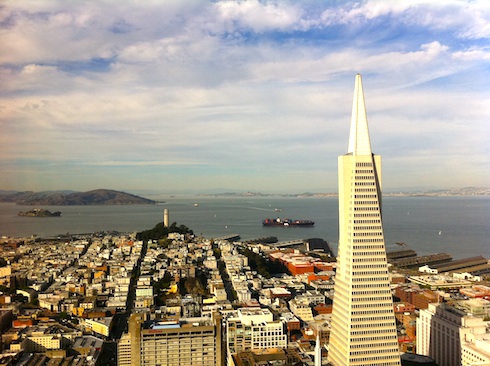
Should you buy property in San Francisco in 2025? If you have the financial muscle, a long-term plan, and the emotional stamina to survive a bidding war without needing a paper bag, the answer is: absolutely yes. San Francisco real estate is not cheap, not simple, and definitely not for the faint of heart. But that is exactly why serious buyers should be paying attention right now.
San Francisco has spent the last few years being treated like the awkward cousin at the national real estate Thanksgiving table. Remote work emptied offices. Tech layoffs made headlines. Downtown struggled. Condos softened. People wondered whether the city had lost its sparkle. Yet beneath the doom-scrolling, something important has been happening: artificial intelligence companies are expanding, rents are rising again, office leasing is improving, buyers are returning, and the city’s long-term housing shortage remains very real.
In other words, San Francisco did not disappear. It went through a rough patch, put on a hoodie, moved slowly, and is now walking back into the room with venture capital money in its pockets.
Why San Francisco Property Looks Attractive In 2025
The main reason to consider buying San Francisco property in 2025 is simple: the city still has the rare combination that drives long-term real estate valuehigh incomes, limited land, global appeal, top-tier jobs, elite universities nearby, world-class health care, strong rental demand, and a chronic inability to build enough homes quickly.
San Francisco is only about 49 square miles. It cannot sprawl like Phoenix, Dallas, or Atlanta. The Pacific Ocean, the bay, hills, politics, zoning, construction costs, and neighborhood resistance all work together like a very expensive escape room. When demand rises, supply cannot respond quickly. That is frustrating for renters and first-time buyers, but historically it has been powerful for owners who buy responsibly and hold through cycles.
The AI Boom Is Rewriting The San Francisco Story
If the 2010s were about mobile apps, cloud software, and social media, the 2020s are increasingly about artificial intelligence. San Francisco is not just “near” the AI boom. It is one of the central stages. Companies such as OpenAI, Anthropic, Databricks, Perplexity, and other AI-focused startups have helped bring energy back to the city’s tech ecosystem.
This matters for housing because wealth creation eventually looks for somewhere to sleep. Engineers, founders, product leaders, venture capitalists, and early employees often rent first, then buy when their compensation, equity, or liquidity improves. San Francisco has seen this movie before. It usually begins with skepticism, continues with “this time is different,” and ends with three people bidding $300,000 over asking on a house with one bathroom and a fog view.
The AI boom does not guarantee home prices will rise every year. Nothing does. But it does create a powerful demand engine. High-paying jobs and private-company wealth tend to support both rents and purchase prices, especially in neighborhoods near offices, transit, restaurants, parks, and schools.
San Francisco Housing Supply Is Still Tight
San Francisco’s housing problem is not new. The city has been underbuilding for decades, and the state’s current housing goals require San Francisco to plan for tens of thousands of new homes by 2031. Even with zoning reform and political pressure, actually delivering new units is difficult. Construction costs are high. Financing is expensive. Permitting takes time. Neighborhood fights can turn a four-story apartment building into a full-contact sport.
For buyers, this limited supply is one of the biggest long-term arguments in favor of ownership. Scarcity is not a slogan in San Francisco. It is visible block by block. Single-family homes in desirable neighborhoods are especially limited, and many owners hold them for decades. That makes quality homes with good layouts, views, parking, outdoor space, or expansion potential particularly valuable.
Mortgage Rates Are Painful, But That Creates Opportunity
Mortgage rates in 2025 remained much higher than the ultra-low rates buyers enjoyed in 2020 and 2021. This has made monthly payments uncomfortable, especially in a city where the price tags already look like lottery numbers. But higher rates also reduce competition from marginal buyers. Many households are waiting for lower rates before acting. That wait-and-see attitude can create opportunity for prepared buyers.
The danger is that if mortgage rates fall meaningfully, more buyers may rush back at once. In supply-constrained markets like San Francisco, demand can move faster than inventory. A buyer who negotiates carefully in a higher-rate environment may later refinance if rates decline. A buyer who waits for perfect conditions may discover that everyone else had the same idea, which is how bidding wars are born.
Rents Are Sending A Clear Signal
San Francisco rents have been climbing again after the pandemic-era reset. One-bedroom apartments in prime areas are once again expensive, and two-bedroom units can easily feel like they come with a complimentary nosebleed. Rising rents matter because they support the buy-versus-rent calculation and signal renewed demand for living in the city.
For investors, rent growth can improve cash flow over time, though buyers should still be conservative. San Francisco is not usually a high-yield market compared with many Sun Belt cities. You do not buy here because the spreadsheet screams “instant cash cow.” You buy because you believe in long-term appreciation, limited supply, strong tenant demand, and the city’s ability to remain a global talent hub.
Single-Family Homes May Be The Best Long-Term Bet
If you can afford one, a single-family home in San Francisco remains one of the most attractive property types. The reason is scarcity. Condos can be built vertically. Single-family homes in established neighborhoods cannot be easily recreated. A well-located house with natural light, functional space, parking, outdoor areas, and good bones can remain desirable across multiple market cycles.
Neighborhoods on the west side of San Francisco deserve special attention. Areas such as Inner Sunset, Outer Sunset, Parkside, West Portal, Forest Hill, Golden Gate Heights, and Inner Richmond have become more attractive as buyers prioritize space, parks, ocean access, schools, and quieter residential streets. The west side also benefits from major institutional anchors, including UCSF and ongoing investment around Stonestown and surrounding corridors.
Homes with ocean views, decks, usable yards, or expansion potential are especially interesting. In many global cities, water views command enormous premiums. In San Francisco, some west-side view homes may still feel relatively undervalued compared with flashier neighborhoods like Pacific Heights, Marina, or Noe Valley.
Condos Could Be A Contrarian Opportunity
San Francisco condos have had a rougher ride since the pandemic. Remote work hurt downtown demand, HOA dues rose, and buyers became more selective. But that weakness may be exactly why condos deserve a closer look in 2025.
The best condo opportunities are not generic boxes in oversupplied buildings. Look for units with strong fundamentals: two bedrooms, two bathrooms, good light, parking, views, outdoor space, low litigation risk, healthy HOA reserves, reasonable dues, and proximity to transit, parks, restaurants, or major job centers. A condo near the Ferry Building, South Beach, Mission Bay, Hayes Valley, Pacific Heights, or the Marina may benefit as downtown activity and return-to-office trends improve.
Still, condo buyers must be careful. Review HOA documents, reserves, insurance costs, rental restrictions, pending assessments, and building maintenance history. A cheap condo with a troubled HOA can become less of an investment and more of a subscription service to anxiety.
The Downtown Recovery Is Real, But Uneven
San Francisco’s downtown is recovering, but not in a straight line. Office vacancy remains elevated compared with pre-pandemic levels, and some corridors still need more foot traffic, retail activity, and public safety improvements. However, transit ridership, office leasing, tourism, and AI-driven demand have shown signs of life.
This uneven recovery creates a classic real estate question: do you buy after everything looks good, or before the improvement is obvious? Buying after the city is universally loved again may feel safer, but it usually comes with higher prices. Buying during uncertainty requires patience, research, and a strong stomach, but that is often where better long-term returns are found.
New Leadership And Policy Changes Could Help
San Francisco entered 2025 with new political leadership and renewed pressure to improve public safety, permitting, housing production, downtown vitality, and basic city services. Real estate investors should not assume government can magically fix everything. City Hall does not have a “make property values go up” button hidden under a sourdough basket.
But better governance can matter. Faster permitting, cleaner streets, improved safety, more predictable development rules, and a friendlier business environment can all support confidence. Real estate markets are partly numbers and partly mood. If the narrative shifts from “San Francisco is struggling” to “San Francisco is coming back,” buyers who acted early may benefit.
Who Should Buy San Francisco Property In 2025?
You should consider buying if you plan to stay at least five to seven years, have stable income, can put down a meaningful payment, and still maintain a healthy emergency fund after closing. In San Francisco, “house poor” is not a cute lifestyle brand. It is a dangerous place to be when property taxes, insurance, repairs, and HOA dues show up wearing tap shoes.
A responsible buyer should stress-test the purchase. Ask what happens if one income disappears, a bonus is smaller than expected, stock compensation falls, or a major repair appears. If the answer is immediate panic, the property is too expensive. If the answer is “we would be annoyed but fine,” you may be in a good position.
Who Should Not Buy Yet?
You should probably wait if your job is unstable, your down payment is thin, you expect to move soon, or you are relying on aggressive appreciation to make the math work. San Francisco real estate can build wealth, but it can also humble overconfident buyers. Transaction costs are high, and short holding periods can be risky.
Investors should also avoid assuming every property is a bargain simply because the city had a difficult few years. Some homes are overpriced. Some condos have weak HOAs. Some buildings have deferred maintenance. Some locations may take longer to recover. The right answer is not “buy anything.” The right answer is “buy quality, negotiate hard, and hold long enough for the city’s advantages to matter.”
Practical Buying Strategy For 2025
1. Focus On Quality Location
In San Francisco, location is not just neighborhood. It is micro-location. One block can feel peaceful and charming; another can feel like an unpaid internship in urban chaos. Walk the area during weekday mornings, evenings, and weekends. Check transit, noise, parking, fog patterns, retail, parks, and school access.
2. Prioritize Layout Over Cosmetic Finishes
Paint, flooring, and lighting can be changed. A weird floor plan is harder to fix. A home with good flow, natural light, storage, and expansion potential often beats a shiny remodel with awkward rooms.
3. Understand The True Monthly Cost
Include mortgage, property tax, insurance, HOA dues, utilities, maintenance, repairs, and opportunity cost. If buying a house, budget for surprise repairs. San Francisco homes have character, and sometimes that character includes knob-and-tube wiring and plumbing with a personal vendetta.
4. Negotiate Where The Market Allows
Not every listing will be negotiable, especially strong single-family homes in desirable neighborhoods. But stale listings, condos, tenant-occupied properties, or homes needing work may offer room. Price is only one lever. You can also negotiate credits, contingencies, closing timelines, or included repairs.
5. Think Like A Future Buyer
Before purchasing, imagine selling the property in seven years. What will buyers love? What will they object to? Homes with light, views, flexible space, parking, outdoor access, and proximity to amenities usually have broader resale appeal.
Examples Of Promising San Francisco Property Types
A three-bedroom single-family home in Inner Sunset near Golden Gate Park may appeal to families, doctors, UCSF employees, and tech workers who want space without leaving the city. A two-bedroom condo near Mission Bay may attract employees in biotech, health care, AI, and finance. A west-facing home in Golden Gate Heights with ocean views may offer a rare combination of serenity, scarcity, and long-term appreciation potential.
The key is matching the property to durable demand. Do not buy only because something is cheaper than it used to be. Buy because the future buyer or renter profile is obvious.
Risks Buyers Must Respect
San Francisco property is not risk-free. Tech employment can be volatile. AI wealth may take longer to convert into homebuying demand than bulls expect. Interest rates may stay high. Insurance costs can rise. City finances may remain strained. Downtown recovery may be uneven. Policy changes could affect landlords. Earthquake risk is real, and buyers should understand retrofit status, foundation condition, and insurance options.
There is also affordability risk. San Francisco is already expensive, which limits the buyer pool. When prices rise too quickly, demand can cool. That is why investors should use conservative assumptions rather than fantasy math. Appreciation is wonderful, but survival is better.
Experience-Based Perspective: What Buying In San Francisco Feels Like
Buying property in San Francisco is less like shopping and more like joining a competitive sport where the ball is a Victorian house and everyone else has stock options. The first open house may feel exciting. The fifth may feel educational. The tenth may make you question every life choice that led you to care deeply about garage clearance.
Many buyers begin with a dream list: three bedrooms, two bathrooms, parking, yard, view, updated kitchen, great schools, short commute, quiet street, under budget. Then San Francisco gently pats them on the head and says, “That is adorable.” The process forces trade-offs. You may choose location over size, house over condo, view over yard, or charm over convenience.
One useful experience is to attend open houses even before you are ready to bid. After seeing 20 properties, you develop market instincts. You learn which listings are underpriced to create a feeding frenzy. You learn which agents use “cozy” to mean “bring tiny furniture.” You learn that “contractor’s dream” means “your lender may need therapy.” This education is valuable because San Francisco moves quickly when the right property appears.
Another experience worth understanding is the emotional side of bidding. Buyers often lose before they win. A rejected offer can feel personal, but it is usually just math. Someone had more cash, fewer contingencies, a faster close, or a stronger stomach. The best buyers stay disciplined. They do not chase every property. They know their maximum price before emotions enter the room wearing a Giants cap.
Living in San Francisco also changes how you evaluate value. A garage may be worth more than a designer backsplash. A sunny deck may improve daily life more than an extra formal room. A home near Golden Gate Park, Ocean Beach, Dolores Park, or the Presidio can feel like owning an extension of your living room. Walkability matters. Transit matters. Light matters. Fog matters more than outsiders understand. A neighborhood that looks perfect on paper may feel completely different at 5 p.m. in July when the wind arrives like it has a personal complaint.
For homeowners, the long-term benefit is not only financial. Ownership can provide stability in a rental market that moves fast. You can paint walls, plant a garden, upgrade a kitchen, adopt a dog without begging a landlord, and stop refreshing rental listings like it is a part-time job. In a city where rents can surge when tech demand returns, a fixed-rate mortgage can eventually feel like a financial anchor.
For investors, the experience is different. San Francisco is heavily regulated, tenant protections are strong, and landlord responsibilities are serious. This is not a casual “buy it and forget it” market. Successful landlords understand local rules, screen carefully, maintain properties well, and keep realistic expectations. The reward is access to a deep tenant pool with high incomes and long-term demand. The penalty for being careless is expensive.
The best personal lesson is this: San Francisco rewards patience. Buyers who panic during hot markets often overpay for mediocre properties. Buyers who study neighborhoods, preserve liquidity, and act decisively when quality appears tend to do better. The city goes through boom, gloom, recovery, and boom again. Real estate wealth is usually built by holding through the uncomfortable chapters.
Final Verdict: Should You Buy Property In San Francisco In 2025?
Yes, buying property in San Francisco in 2025 can be a smart moveif you buy responsibly. The city has too many long-term advantages to ignore: limited land, high incomes, AI-driven growth, global prestige, strong rental demand, cultural depth, and a housing shortage that will not be solved overnight.
The best opportunities may be single-family homes in desirable west-side neighborhoods, well-located condos that were punished during the pandemic, and properties with scarce features such as views, outdoor space, parking, or expansion potential. But the winning strategy is not blind optimism. It is disciplined optimism.
San Francisco is expensive, complicated, occasionally maddening, and still one of the most economically powerful cities in America. If you have a long time horizon and strong finances, 2025 may be remembered as one of those periods when the city was obviously recoveringbut not everyone believed it yet. That is often when the best buyers quietly make their move.
Note: This article is for educational and editorial purposes only and should not be treated as personalized financial, legal, or tax advice. Buyers should consult qualified real estate, lending, tax, and legal professionals before making a purchase.