S47 E6: Community Carpenters is one of those episodes that quietly walks into the room with a tape measure, a pencil behind its ear, and a very big idea: rebuilding is not just about lumber, nails, and permits. It is about people. It is about students learning a trade while helping neighbors. It is about old furniture getting a second life. It is about storm-damaged communities discovering that the best tool on the jobsite may be cooperation.
Part of This Old House Season 47’s Asheville-focused “Carolina Comeback” storyline, this episode follows the practical and emotional work of recovery after Hurricane Helene. The setting matters. Western North Carolina is not just a pretty backdrop with mountain views and charming porches. It is a region that faced severe flooding, damaged homes, broken infrastructure, and long rebuilding timelines. In that context, “Community Carpenters” becomes more than a home improvement episode. It becomes a small but meaningful portrait of resilience.
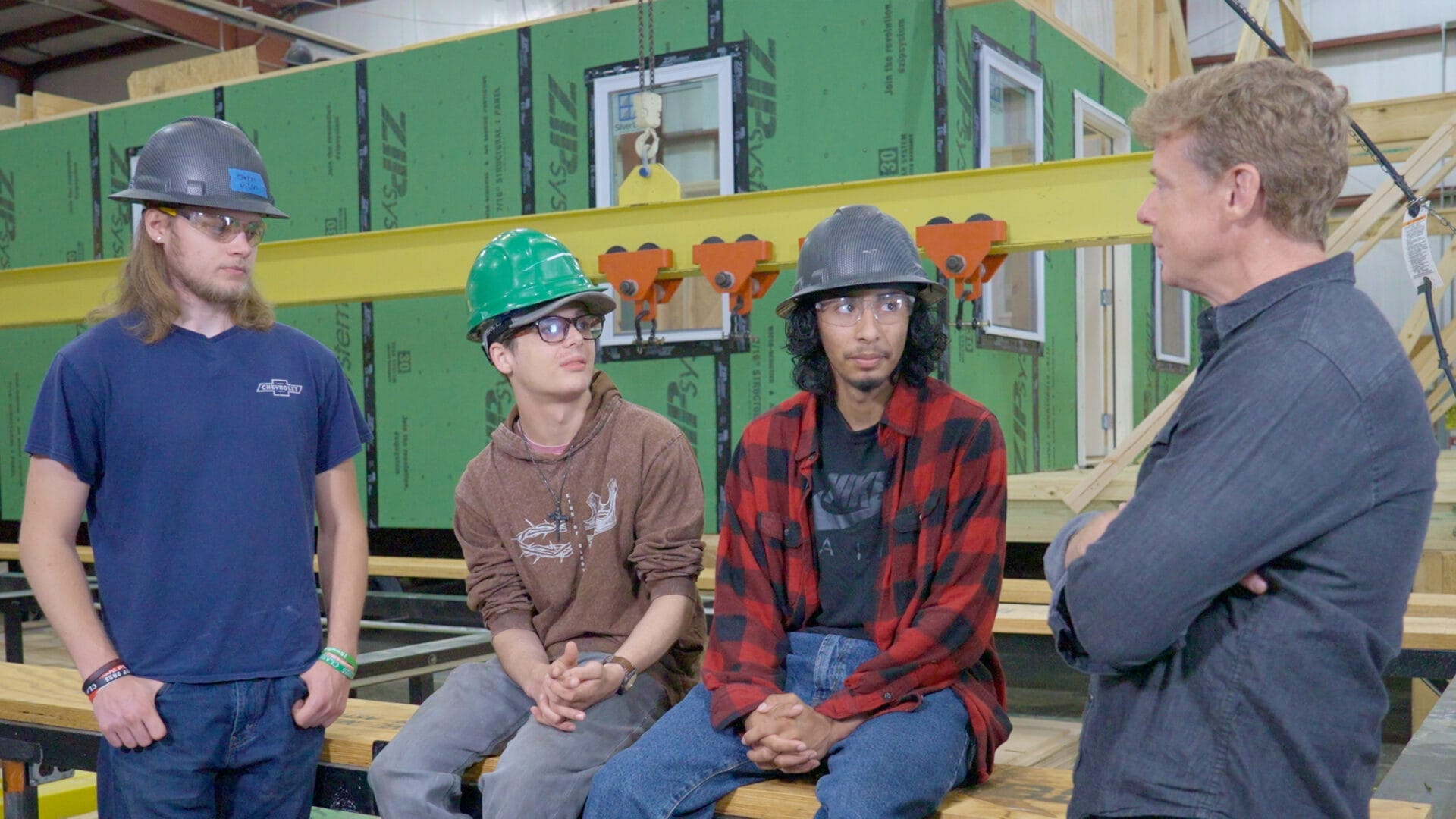
The episode highlights Kevin O’Connor visiting a North Carolina high school carpentry program where students are building tiny homes for storm victims. Elsewhere, the crew checks in on interior trim work in Swannanoa, electrical repairs in North Asheville, and Tom Silva helping homeowner Paula transform an antique chest into a bathroom vanity. In other words, it is classic This Old House: half construction lesson, half human story, with enough sawdust to make your weekend plans feel suspiciously underpowered.
What Happens in S47 E6: Community Carpenters?
The heart of the episode is the visit to Mountain Heritage High School, where carpentry students are applying real building skills to real community needs. These students are not merely practicing on sample wall frames destined to gather dust in a classroom corner. They are working on tiny homes for people affected by Hurricane Helene. That gives the work an urgency and dignity that cannot be faked.
Kevin O’Connor meets teacher Jeremy Dotts and sees how a high school carpentry class can become a rebuilding force. The students learn framing, measuring, layout, sequencing, tool safety, and problem solving. But they also learn something no textbook can fully teach: when you build a wall for someone who lost a home, “good enough” is not good enough. Every cut carries a little extra meaning.
The episode also includes Kevin helping Noah Swaty install interior window trim in Swannanoa. Trim may sound like a minor detail, but anyone who has ever installed casing knows it can humble even the most confident weekend warrior. A wall that looks straight may be quietly plotting against you. A corner may appear square until the miter saw reveals the truth. Interior trim is where craftsmanship becomes visible.
In North Asheville, electrician Mario Salamone installs a new meter and enclosure, showing another essential part of post-storm repair: safe power restoration. Rebuilding after a storm is not simply about making a house look normal again. Electrical systems must be inspected, protected, and brought back safely. Water and electricity are not friends; they are the sort of neighbors who should never share a driveway.
Finally, Tom Silva helps homeowner Paula turn an antique chest into a bathroom vanity. This is the kind of project that makes viewers look at every old piece of furniture in their house and think, “Could you be plumbing?” The transformation blends preservation, creativity, and practical adaptation. Instead of buying something generic, Paula gets a vanity with history, character, and a story built into the grain.
Why the Episode Matters Beyond Home Improvement
The main keyword, S47 E6: Community Carpenters, points to a specific episode, but the episode’s relevance is much wider. It touches on disaster recovery, vocational education, affordable housing, skilled trades, local volunteerism, and sustainable reuse. That is a lot of weight for a 24-minute home improvement show to carry, but this episode manages it without turning into a lecture.
After Hurricane Helene, many communities in Western North Carolina faced long-term recovery challenges involving housing repair, infrastructure restoration, private roads, bridges, utilities, and flood-damaged properties. Recovery plans for the region have emphasized housing repair and replacement, infrastructure work, natural resource recovery, emergency preparedness, and economic revitalization. In that environment, the episode’s carpentry students represent a hopeful and practical answer: train local hands to solve local problems.
This is especially important because the construction industry continues to need skilled workers. The U.S. Bureau of Labor Statistics projects steady demand for carpenters, with thousands of openings each year as workers retire, change careers, or move into other roles. Episodes like this help make the trades visible to younger people who may not see carpentry as a modern, meaningful, or financially viable path. Spoiler: it is all three, and it comes with fewer student-loan horror stories than some four-year routes.
The Power of High School Carpentry Programs
One of the strongest themes in “Community Carpenters” is the value of career and technical education. A high school carpentry program gives students more than a class period with tools. It gives them a way to understand math physically, to practice teamwork, to build confidence, and to see immediate results from careful work.
In a standard classroom, a measurement mistake might cost a few points. On a jobsite, it may cost a board, an hour, or a very awkward conversation with the person holding the invoice. That pressure teaches responsibility. Students learn that precision matters, planning matters, and cleaning up the jobsite is not optional just because the broom looks lonely.
Students Learn Skills That Transfer Everywhere
Even students who do not become professional carpenters benefit from the experience. They learn to read plans, communicate clearly, follow safety rules, solve problems under constraints, and respect the work behind the built environment. They gain practical knowledge about how homes are assembled, which can help them as future homeowners, renters, business owners, or community volunteers.
Hands-on construction education also builds confidence. There is something powerful about standing inside a structure and knowing your own hands helped raise it. That feeling does not come from a worksheet. It comes from measuring twice, cutting once, and occasionally measuring a third time because wood has a way of encouraging humility.
Community Recovery Is Built One Project at a Time
Disaster recovery often sounds enormous because it is enormous. Reports mention billions of dollars, thousands of damaged properties, damaged roads, washed-out bridges, and long-term funding programs. Those numbers are necessary, but they can also feel abstract. “Community Carpenters” brings recovery down to human scale.
A tiny home for a storm victim is not a complete solution to a regional housing crisis. But for the person receiving it, it can mean warmth, privacy, safety, and a return to routine. That matters. Large recovery programs move through applications, inspections, funding cycles, and approvals. Local carpentry projects move through studs, sheathing, trim, and the sound of people showing up.
The episode’s message is not that teenagers with nail guns can replace federal disaster recovery. Please do not put that on a bumper sticker. The message is that community-based efforts fill emotional and practical gaps while larger systems move forward. Local work keeps hope visible.
Turning an Antique Chest Into a Bathroom Vanity
Tom Silva’s project with Paula adds a lighter but equally meaningful layer to the episode. Converting an antique chest into a bathroom vanity is a smart example of adaptive reuse. Instead of sending an old piece to storage or the curb, the project gives it a new purpose.
This kind of work requires planning. A chest was not originally designed to hold a sink, plumbing, water supply lines, or daily bathroom moisture. The conversion must account for structural support, drawer modifications, countertop protection, drainage, faucet placement, and sealing. Done carelessly, the result could be charming for three weeks and swollen like a loaf of bread by month two. Done correctly, it becomes a beautiful custom feature.
Why Adaptive Reuse Works So Well
Adaptive reuse appeals to homeowners because it blends story with sustainability. A mass-produced vanity can be useful, but an antique chest brings personality. The imperfections, patina, and proportions make the bathroom feel less like a showroom and more like a home.
It also reflects a broader remodeling trend: homeowners increasingly want spaces that feel personal. Not every bathroom needs to look like it was designed by the same algorithm that recommends beige sofas and “Live Laugh Love” signs. A salvaged or antique piece can make a room feel layered, warm, and original.
Interior Trim: The Quiet Hero of the Jobsite
Interior window trim often gets overlooked because it does not have the drama of demolition or the glamour of a final reveal. But trim is where a room becomes finished. It frames light, hides gaps, protects edges, and gives the eye a clean transition between wall and window.
In storm recovery projects, trim also signals progress. When casing, baseboards, and finish details begin to appear, a house starts feeling less like a construction zone and more like a place where someone can exhale. Drywall says, “We are getting there.” Trim says, “You might actually find your coffee mugs again.”
Good trim work requires patience. Walls shift, old houses settle, and new construction is rarely perfect. A skilled carpenter learns to adjust, scribe, shim, cope, and caulk wisely. The best trim carpenters know that perfection is sometimes achieved through clever correction rather than fantasy-level framing.
Electrical Work After a Storm
The North Asheville electrical segment adds an important reminder: rebuilding must be safe before it is beautiful. Storm-damaged electrical equipment can pose serious risks, especially when flooding has affected service panels, meters, wiring, or exterior components.
Installing a new meter and enclosure is not a cosmetic upgrade. It is part of making a home functional and code-compliant again. Licensed electricians play a critical role in disaster recovery because power restoration must be handled carefully. A house can have new siding, fresh paint, and a handsome front door, but if the electrical system is unsafe, the project is not finished. It is just wearing a nice outfit to a dangerous party.
Asheville as More Than a Backdrop
Asheville’s character gives Season 47 emotional texture. The area is known for mountain scenery, historic neighborhoods, arts culture, food, craft, and independent businesses. But after Hurricane Helene, the region also became a symbol of how quickly familiar places can be changed by extreme weather and flooding.
That makes the “Carolina Comeback” episodes feel grounded. The show is not simply parachuting into a picturesque town for a renovation arc. It is following families, tradespeople, students, and volunteers through the messy middle of recovery. This is where This Old House often works best: not just showing what to build, but showing why building matters.
Lessons Homeowners Can Take From Community Carpenters
Even if you are not rebuilding after a disaster, this episode offers practical lessons for homeowners. First, invest in skills. Whether you learn to install trim, maintain tools, understand basic framing, or simply identify when to call a professional, knowledge saves money and prevents panic.
Second, respect the trades. Carpentry, electrical work, plumbing, masonry, roofing, and finishing are not backup careers. They are essential professions that make daily life possible. The people who know how to rebuild homes are as important to community resilience as emergency plans and funding programs.
Third, reuse what has value. Paula’s antique chest vanity shows that remodeling does not always require buying everything new. With creativity and skilled help, older materials and furniture can become standout features.
Fourth, understand that rebuilding is emotional. A house is not only square footage. It is memory, shelter, family routine, and identity. When a storm damages a home, the repair process is not just technical. It is personal.
The Human Side of Building Back
The best part of “Community Carpenters” is that it refuses to separate construction from care. The students are learning carpentry, yes, but they are also learning citizenship. They are discovering that their hands can meet a need in their own county. That is a powerful lesson at any age, and especially powerful for teenagers deciding what kind of adults they want to become.
For viewers, the episode is a reminder that community does not always announce itself with speeches or slogans. Sometimes it shows up in work boots. Sometimes it looks like a teacher opening a shop door before class. Sometimes it is a student sanding a board for someone they may never have met. Sometimes it is a carpenter helping preserve an antique chest because history deserves plumbing too.
Experiences Related to S47 E6: Community Carpenters
Watching “S47 E6: Community Carpenters” feels a little like walking through a town after a hard storm and hearing two sounds at once: the echo of what was lost and the steady rhythm of what is being rebuilt. The episode captures something familiar to anyone who has ever helped with a community repair project. At first, the job seems impossibly large. There is too much debris, too many decisions, too many damaged walls, and not nearly enough coffee. Then someone picks up a hammer. Someone else starts measuring. A neighbor brings sandwiches. Slowly, the impossible becomes a checklist.
One experience that connects closely to the episode is the feeling of learning by doing. Many people first discover the seriousness of carpentry during a small project that refuses to behave. Maybe it is installing a shelf that somehow leans like it has strong opinions. Maybe it is trimming a window and realizing that “square” is more of an aspiration than a guarantee. These moments are funny later, but they teach respect. Woodworking rewards patience, planning, and humility. It also has a special talent for exposing overconfidence in under ten minutes.
The high school students in the episode show why real projects matter. Building for a grade is one thing. Building for a person who needs a safe place to live is another. That kind of responsibility changes the atmosphere. A tiny home is compact, but it contains a huge lesson: construction can be service. Students are not only learning how to frame walls; they are learning how communities recover when people decide that helping is not someone else’s department.
Another relatable experience is the emotional value of restoring old objects. Paula’s antique chest vanity project may seem small compared with disaster recovery, but it belongs in the same conversation. Both are about saving what can be saved and giving it a future. Anyone who has inherited an old table, repaired a worn chair, or kept a family dresser through multiple moves understands that objects can hold memory. When a skilled carpenter adapts an old piece for modern use, the result is more than furniture. It is continuity with a sink basin.
Community carpentry also teaches that expertise and generosity work best together. Volunteers may bring enthusiasm, but trained tradespeople bring judgment. A good recovery effort needs both. The eager helper can carry materials, clean up, paint, sand, organize supplies, and support the crew. The experienced carpenter knows how to keep the structure sound, the sequence efficient, and the final result safe. When those roles respect each other, the jobsite becomes a classroom, a workshop, and a support system all at once.
The biggest takeaway from experiences like these is that rebuilding is rarely glamorous. It is dusty, slow, repetitive, and occasionally interrupted by a missing screw that definitely existed five minutes ago. But it is also deeply satisfying. By the end of a long day, progress is visible. A wall stands. A window is trimmed. A cabinet fits. A room begins to feel like a room again. In a world full of abstract problems, carpentry offers something beautifully concrete: a board was here, a person needed help, and now something useful stands where empty space used to be.
That is why “Community Carpenters” resonates. It reminds viewers that recovery is built through skill, patience, and neighborly stubbornness. Not every viewer will build a tiny home or convert an antique chest into a vanity. But everyone can understand the deeper message: communities become stronger when people share what they know, teach what they can, and show up with tools when life knocks the walls crooked.
Conclusion: Why S47 E6 Deserves Attention
S47 E6: Community Carpenters is memorable because it combines the best parts of This Old House: craftsmanship, education, preservation, practical problem-solving, and authentic human stakes. It shows that a carpentry class can become part of disaster recovery, that old furniture can find new purpose, and that rebuilding a home often means rebuilding confidence, routine, and community spirit.
The episode is not loud or flashy. It does not need to be. Its power comes from watching people work carefully for one another. In a season shaped by Hurricane Helene recovery, “Community Carpenters” stands out as a hopeful reminder that resilience is not only funded, planned, or announced. Sometimes resilience is measured, cut, fastened, sanded, wired, trimmed, and carried forward by people who care enough to keep building.