Cardiac rehabilitation is one of the least flashy parts of heart recoveryand one of the most useful. There are no dramatic movie montages, no inspirational jogging scenes in the rain, and usually no trainer yelling “one more rep!” while you reconsider every life choice. Instead, cardiac rehab offers something better: a medically supervised plan that helps you rebuild strength, understand your heart condition, reduce future risks, and feel more confident moving through everyday life again.
Whether you are recovering from a heart attack, stent procedure, bypass surgery, heart valve repair, heart failure, or another cardiovascular event, cardiac rehabilitation can turn the vague advice to “take care of your heart” into clear, manageable steps. It blends monitored exercise, education, nutrition guidance, medication support, and stress management into one personalized recovery program.
This guide explains what cardiac rehab is, who may benefit, what happens during sessions, and how to get the most from the process without treating your heart like it has suddenly signed up for a marathon.
What Is Cardiac Rehabilitation?
Cardiac rehabilitation, often called cardiac rehab, is a medically supervised recovery program for people with heart disease or people healing after a cardiac event or procedure. It is not simply a gym membership with a blood-pressure cuff nearby. It is structured care designed around your diagnosis, medications, physical abilities, symptoms, and goals.
Most programs combine three major pieces:
- Exercise training: Safe, gradual activity that improves endurance, strength, mobility, and confidence.
- Heart-health education: Practical guidance on medication use, nutrition, smoking cessation, sleep, blood pressure, cholesterol, diabetes management, and warning signs.
- Emotional support: Counseling and stress-management tools that address anxiety, depression, fear, and the major life adjustment that can follow a heart event.
The American Heart Association, National Heart, Lung, and Blood Institute, and Mayo Clinic all describe cardiac rehab as a program that combines supervised exercise with education and counseling to support recovery and lower future cardiovascular risk.
Who Can Benefit From Cardiac Rehab?
Cardiac rehabilitation is commonly recommended after a major heart-related diagnosis, hospitalization, procedure, or surgery. Your cardiologist, primary-care clinician, surgeon, or hospital team may refer you after:
- A heart attack
- Angioplasty or coronary stent placement
- Coronary artery bypass surgery
- Heart valve repair or replacement
- Stable angina
- Heart failure
- Heart, heart-lung, or lung transplant
- Certain other cardiovascular conditions requiring supervised recovery
Eligibility varies by diagnosis, insurance coverage, and individual medical circumstances. In the United States, Medicare lists heart attack within the past 12 months, bypass surgery, stable angina, valve repair or replacement, angioplasty or stenting, transplant, and stable chronic heart failure among the conditions that may qualify for cardiac rehabilitation coverage.
Cardiac rehab is not reserved for elite athletes, people who already enjoy treadmills, or anyone who owns matching workout outfits. In fact, many people enter rehab after weeks or months of limited activity, fatigue, fear, surgery recovery, or uncertainty about what their body can safely handle.
Why Cardiac Rehabilitation Matters
A heart event often changes more than physical health. It can alter how a person thinks about walking upstairs, carrying groceries, returning to work, traveling, cooking, exercising, or even sleeping. Cardiac rehab helps rebuild both physical capacity and trust in your body.
1. It Helps You Exercise More Safely
After a heart attack, surgery, or hospitalization, jumping back into exercise on your own can feel intimidating. In cardiac rehab, trained professionals monitor your symptoms, heart rate, blood pressure, and exercise response while helping you increase activity gradually. The plan is adjusted to your medical needs rather than copied from a fitness influencer who believes every problem can be solved with burpees.
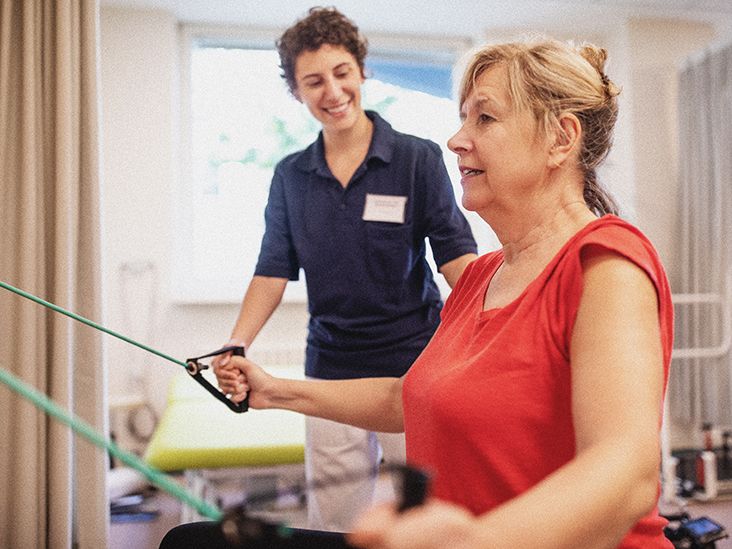
Programs may use treadmills, stationary bikes, resistance bands, light weights, walking routines, balance exercises, or other forms of movement. The exact approach depends on your condition, recovery stage, mobility, orthopedic limitations, medications, and exercise tolerance.
2. It Can Improve Everyday Strength and Stamina
The goal is not necessarily to become a competitive cyclist or suddenly develop strong opinions about protein powder. A better goal may be walking the dog without stopping, climbing stairs with less breathlessness, returning to gardening, playing with grandchildren, or getting through a workday with more energy.
Cardiac rehabilitation can improve exercise tolerance, physical function, mood, and quality of life. It may also make daily tasks easier by building endurance and helping people understand safe activity levels.
3. It Supports Heart-Healthy Habits That Actually Fit Real Life
Heart health is not built on one flawless salad, one magical smoothie, or a single heroic decision to never eat pizza again. It comes from repeated, realistic habits. Cardiac rehab education can help you understand how food choices, smoking, stress, sleep, medications, blood pressure, cholesterol, diabetes, and physical activity affect your cardiovascular health.
You may work with nurses, exercise physiologists, registered dietitians, pharmacists, physical therapists, counselors, and physicians. Together, they can help you turn medical advice into a routine that works in your kitchen, schedule, budget, and actual life.
4. It Can Improve Emotional Recovery
It is common to feel worried, low, irritable, or unusually cautious after a heart event. Some people become afraid to exercise. Others feel frustrated because they used to do more than they can do now. A few people experience the emotional equivalent of a browser with 37 tabs open: fear, guilt, anger, fatigue, medical appointments, bills, and the question of whether they can ever feel normal again.
Cardiac rehab addresses emotional recovery alongside physical recovery. Counseling, peer support, education, and supervised activity can help reduce stress and support mental well-being.
5. It May Lower the Risk of Future Heart Problems
Cardiac rehab is not a force field. It cannot erase every risk factor or guarantee that another heart problem will never happen. However, research summarized by major U.S. health organizations shows that participation is linked with lower risks of hospitalization, future cardiac events, and death, while also improving quality of life. The CDC reports that cardiac rehabilitation can reduce the chance of death during the five years after a heart attack or bypass surgery by about 35%.
What to Expect During Cardiac Rehabilitation
Every program is individualized, but most follow a similar progression. You will not be expected to arrive on day one ready to jog while discussing HDL cholesterol. The team starts by figuring out where you are now.
Your Initial Evaluation
Before regular exercise sessions begin, the rehab team may review your medical history, heart procedure or diagnosis, medications, symptoms, physical limitations, nutrition habits, stress level, and personal goals. Some programs also include an exercise tolerance assessment, physical examination, laboratory review, nutrition evaluation, and psychosocial screening.
You may be asked questions such as:
- Do you have chest discomfort, dizziness, swelling, unusual fatigue, or shortness of breath?
- What activities are difficult right now?
- What medications do you take, and when do you take them?
- What are your goals for work, family life, hobbies, travel, or exercise?
- Do you smoke, drink alcohol, have diabetes, or struggle with stress or sleep?
This evaluation is not a test you can fail. It is the team’s way of building a safe starting point.
A Typical Session
A supervised cardiac rehab session often begins with a check-in. Staff may review symptoms, measure blood pressure, confirm medications, and ask how you have been feeling since your last visit. Depending on the program and your medical needs, your heart rhythm may also be monitored during exercise.
The exercise portion may include a warm-up, walking, cycling, light resistance work, stretching, and a cool-down. The intensity is usually increased slowly as your body adapts. You may use a perceived-exertion scale, the “talk test,” heart-rate guidance, or other individualized measures instead of trying to guess whether you are working too hard.
Educational sessions may cover heart-healthy eating, medication adherence, blood-pressure monitoring, tobacco cessation, stress management, diabetes care, sleep habits, and ways to continue exercising safely at home.
How Long Does Cardiac Rehab Last?
Program length depends on your condition, insurance, recovery progress, and local program design. A common U.S. model includes around 36 supervised sessions, often spread across several weeks. Medicare coverage commonly allows up to 36 sessions over as many as 36 weeks, with additional sessions possible in some circumstances.
Some people attend in person two or three times per week. Others may be offered hybrid, telehealth, or home-based options when appropriate. Home-based cardiac rehab is still structured care; it is not simply receiving a cheerful email that says “remember to move more.”
The Usual Phases of Cardiac Rehabilitation
Programs may describe cardiac rehab in phases. Names and exact timelines differ by hospital, but the general pattern usually looks like this:
Phase I: Early Recovery in the Hospital
This phase begins while you are still hospitalized after a heart attack, surgery, or procedure. The focus is gentle movement, education, breathing exercises when appropriate, discharge planning, and learning what activities are safe as you recover.
For some patients, this may be as simple as sitting up, standing, walking short distances, and learning how to pace activity. It may not sound glamorous, but the first successful hallway walk after major heart treatment can feel like winning a tiny Olympic medal.
Phase II: Supervised Outpatient Cardiac Rehab
This is the structured program most people mean when they say “cardiac rehabilitation.” You attend scheduled sessions at a hospital, clinic, rehabilitation center, or approved remote program. Exercise is monitored, goals are updated, and education is built into the process.
Phase II is where many people begin to regain confidence. You learn what normal effort feels like, which symptoms should prompt a pause, how medications affect exercise, and how to build a realistic routine outside the rehab setting.
Phase III and Phase IV: Long-Term Maintenance
After the formal program ends, the mission shifts to maintaining your progress. Some facilities offer medically supervised maintenance programs, while others help you transition to a home routine, community fitness program, walking group, or exercise plan with your clinician’s guidance.
The finish line is not “graduation day.” The real win is continuing the habits that helped you feel stronger, steadier, and more informed in the first place.
How to Prepare for Cardiac Rehab
Before your first visit, gather a current medication list, comfortable walking shoes, your insurance information, and any questions you have. Wear clothing that allows easy movement. Bring a water bottle if your program allows it, and ask whether you should eat before exercise or adjust medication timing.
It also helps to write down personal goals. “Improve my heart health” is meaningful but broad. More specific goals might include:
- Walk around the block without stopping.
- Climb one flight of stairs with less breathlessness.
- Return to work safely.
- Feel less afraid of exercise.
- Lower my blood pressure.
- Quit smoking.
- Cook more heart-healthy meals at home.
- Have enough energy to travel or play with family.
Good goals give the rehab team something concrete to work toward with you. They also make progress easier to notice when it arrives quietly, disguised as “I carried the laundry upstairs and did not need a recovery speech afterward.”
Questions to Ask Your Cardiac Rehab Team
- What types of exercise are safe for my specific heart condition?
- Which symptoms mean I should stop exercising and seek help?
- Should I monitor my heart rate or blood pressure at home?
- How do my medications affect exercise, fatigue, or heart rate?
- What activity restrictions do I have after surgery or a procedure?
- Can I participate if I have arthritis, back pain, diabetes, or mobility limitations?
- Does my insurance cover the program, transportation, telehealth, or home-based options?
- What should my long-term exercise plan look like after I graduate?
When to Contact Your Medical Team Immediately
During recovery, do not try to “push through” serious symptoms to prove that you are tough. Contact your medical team promptly if you have new or worsening chest pain, severe shortness of breath, fainting, a fast or irregular heartbeat, sudden swelling, or other symptoms your care team has identified as concerning. For symptoms that may signal an emergency, call 911 or your local emergency number rather than waiting for your next rehab session.
Note: This article is educational and does not replace individualized medical advice. Your cardiac rehab team should set your personal exercise limits, medication instructions, and recovery plan.
Real-World Experiences: What Cardiac Rehabilitation Often Feels Like
The medical explanation of cardiac rehab is straightforward: exercise, education, counseling, and risk reduction. The human experience is messier, more emotional, and often more hopeful than a brochure can capture. The following examples are composite experiences based on common recovery themes, not stories about specific patients.
At first, many people feel nervous. A person may leave the hospital with a new stent, a surgery scar, or a long list of medications and suddenly become suspicious of every heartbeat. A normal increase in breathing during a short walk can feel alarming. The first few rehab sessions can be emotionally strange because people are learning to distinguish ordinary exertion from warning symptoms. Having staff nearby, equipment available, and a clear plan can make movement feel less frightening. Stanford Health Care notes that people may hesitate to return to normal activity because they worry about placing too much strain on the heart; supervised rehab helps them rebuild strength and stamina with guidance.
Progress is usually quieter than people expect. It may not arrive as a dramatic “I feel brand new!” moment. More often, it shows up in small changes: walking farther before needing a break, sleeping better, carrying groceries without feeling wiped out, or feeling calm enough to take the stairs. Cardiac rehab teaches patients to notice those wins. That matters because recovery can feel slow when you compare today with your old pre-heart-event self instead of comparing today with where you started.
Some sessions feel easy; others feel oddly hard. Fatigue can vary depending on sleep, stress, medication changes, heat, hydration, pain, recovery from surgery, and the simple unpredictability of being human. People sometimes worry that a rough day means they are “backsliding.” In reality, the rehab team expects fluctuations. Adjusting intensity is part of the program, not a personal failure. A safe plan should have room for real life, including the occasional day when your body votes strongly for a slower treadmill pace.
Education often becomes the unexpected favorite part. Many participants arrive thinking rehab is mostly exercise. Then they discover that understanding medications, blood pressure, food labels, sodium, stress, smoking triggers, and symptom tracking can be just as valuable. It is easier to follow a treatment plan when you know why it matters. The CDC emphasizes that cardiac rehab includes healthy-living education, medication support, smoking cessation help, and counseling alongside physical activity.
Community can make recovery less lonely. Even when sessions are individualized, people often notice they are not the only ones trying to regain confidence after a frightening diagnosis or procedure. Seeing another participant slowly improve can make progress feel possible. Sharing a brief conversation before a session may not seem medically important, but feeling understood can make it easier to keep showing up.
Graduation brings mixed feelings. Finishing a cardiac rehab program can feel exciting, but some people also worry about exercising without monitors and staff nearby. That is normal. The best programs prepare patients for this transition by helping them create a realistic maintenance plan. The goal is not to remain dependent on a clinic forever. It is to leave with enough knowledge, confidence, and routine to keep moving safely in everyday life.
In the end, cardiac rehab is not about becoming fearless. It is about becoming informed, supported, and capable enough to live well with your heart condition. Recovery may take patience, but patience is still progress when it helps you build a healthier future one safe step at a time.
Conclusion
Cardiac rehabilitation is one of the most practical tools available after a heart event, procedure, or diagnosis. It provides supervised exercise, education, emotional support, and long-term habit building in a setting designed around your real health needs. Instead of trying to figure out recovery alone, you gain a team that helps you move safely, understand your condition, manage risk factors, and return to the activities that make life feel like yours again.
Ask your cardiologist or healthcare provider whether cardiac rehab is appropriate for you. The first session may feel unfamiliar, but every supervised walk, question asked, meal adjusted, medication taken correctly, and stress-management skill practiced can become part of a stronger recovery story.
Clinical information in this article reflects guidance from major U.S. medical and public-health organizations, including the American Heart Association, NHLBI, MedlinePlus, Mayo Clinic, CDC, Cleveland Clinic, Johns Hopkins Medicine, Stanford Health Care, Massachusetts General Hospital, Medicare, and CMS.