Every home cook has a pan with a backstory. Maybe it was a stainless-steel skillet that once gleamed like a showroom sports car, until one ambitious attempt at searing chicken left it wearing a permanent brown sweater. Maybe it was a nonstick pan that started life slippery and smug, then slowly became a scrambled-egg crime scene. Or maybe it was a cast-iron skillet that developed rust after someone “helpfully” soaked it overnight. Reddit cooks, naturally, have opinions. Many, many opinions.
Across cooking forums and home-kitchen discussions, Reddit users often return to one surprisingly simple theme: most pan disasters are not caused by bad cookware. They are caused by bad heat habits, rushed cleaning, wrong utensils, and a tiny voice in the cook’s head saying, “High heat will make dinner faster.” Spoiler: it often makes dinner stickier, smokier, and more expensive.
Good Housekeeping kitchen experts tend to agree with the wisdom buried inside those comment threads. The best way to save your pans is not a single miracle cleaner or a dramatic midnight ritual involving vinegar, baking soda, and regret. It is learning which pan can handle which job, how much heat is actually necessary, and how to clean without punishing the surface. Let’s translate Reddit’s greatest pan-saving advice into practical, expert-backed kitchen rules you can use tonight.
Why So Many Home Cooks Accidentally Ruin Their Pans
Pans look sturdy, so we treat them like tiny metal superheroes. But cookware has limits. Nonstick coatings can scratch or degrade. Stainless steel can discolor, warp, and develop sticky polymerized oil. Cast iron can rust when it is left wet. Enameled cookware can chip if abused. Even heavy-duty pans can suffer when they are blasted with heat, shocked with cold water, or attacked with the wrong scrubber.
The most common mistake Reddit cooks point out is excessive heat. Beginners often assume that a burner has only two meaningful settings: “off” and “surface of the sun.” In reality, medium heat is plenty for most cooking, especially on modern cookware that conducts heat efficiently. A pan that is too hot causes oil to smoke, proteins to bond aggressively to the surface, sauces to scorch, and nonstick coatings to wear out faster.
Good Housekeeping experts frequently emphasize matching heat level to cookware type. Stainless steel and cast iron can handle higher temperatures better than nonstick, but even they do not need constant maximum heat. Nonstick pans are best kept to low or medium heat and should not be used for hard searing. If your recipe requires a ripping-hot pan, reach for cast iron, carbon steel, or stainless steelnot the delicate egg pan you bought for Sunday omelets.
The Reddit Rule That Actually Works: Stop Cooking Everything on High
If Reddit cooks had to put one warning label on every kitchen, it would probably read: “Medium-high is not weakness.” High heat has its place, but it is not a lifestyle. For many dishes, too much heat creates more problems than flavor. Eggs turn rubbery. Garlic burns. Butter browns before the food cooks. Chicken sticks, tears, and leaves behind a pan-shaped fossil record.
When High Heat Makes Sense
High heat can be useful for searing steak, stir-frying vegetables, or creating a crisp crust on certain proteins. But those jobs call for pans that are built for it. Cast iron holds heat beautifully and can tolerate intense temperatures. Stainless steel is excellent for browning and fond-building, especially when you plan to deglaze with wine, stock, or water. Carbon steel also works well for high-heat cooking once seasoned properly.
When High Heat Is a Pan Killer
High heat is a bad match for most nonstick pans. It can shorten the life of the coating, produce fumes if severely overheated, and cause food residue to bake onto the surface. It is also unnecessary for foods that nonstick does best: eggs, pancakes, delicate fish, and quick breakfast items. If your nonstick pan is smoking, it is not “preheating.” It is filing a complaint.
Use Enough Fat: The Tip Nobody Wants to Hear but Everybody Needs
Another favorite Reddit tip is painfully simple: use enough oil or fat. Many cooks try to brown food in a barely visible mist of oil, then wonder why dinner has become welded to the pan. Fat helps transfer heat, encourages browning, and reduces direct contact between food and metal. You do not need to deep-fry your chicken breast, but you do need more than a symbolic drizzle.
For stainless steel, preheat the pan first, then add oil, then add food. The oil should shimmer, not smoke dramatically like a kitchen ghost story. If you add food too early, it may stick. If you wait until the oil is smoking, you may burn the oil and create stubborn residue. Timing matters.
For nonstick pans, a little butter or oil can still help with flavor and even cooking, even though the surface is designed to release food. Avoid aerosol cooking sprays unless the manufacturer says they are safe for the pan. Some sprays can leave a sticky film that builds over time and makes a nonstick pan feel oddly tacky.
Let Food Release Before You Panic
One underrated piece of Reddit wisdom is that food often sticks before it releases. This is especially true with stainless steel. When chicken, fish, or steak first hits the pan, proteins bond with the metal. After browning develops, the food often loosens naturally. The problem is that nervous cooks poke, pry, and scrape too soon.
If you try to move a chicken thigh and it clings like it has emotional attachment issues, give it another minute. A proper crust may be forming. This does not mean you should ignore burning smells or smoke alarms, but it does mean that patience can save both dinner and the pan.
Deglazing: The Tastiest Way to Save a Stainless-Steel Pan
Reddit cooks love deglazing because it turns stuck-on brown bits into sauce instead of scrub-work. After searing meat or vegetables in stainless steel, add a splash of water, stock, wine, or vinegar while the pan is still warm. The liquid loosens the fondthe flavorful browned bits on the bottomand gives you the start of a pan sauce.
This technique is not just delicious; it also makes cleaning easier. Instead of letting residue dry into a stubborn crust, you dissolve it while it is still cooperative. Add aromatics, a knob of butter, or a little mustard, and suddenly the pan you thought you ruined is producing restaurant energy on a Tuesday.
How to Clean Stainless Steel Without Making It Worse
Stainless steel is tough, but it is not invincible. It can handle vigorous cooking, acidic ingredients, and browning better than many surfaces, but aggressive cleaning can leave scratches or dullness. The best routine starts with letting the pan cool slightly. Do not run a blazing-hot pan under cold water unless you enjoy the possibility of warping.
For Everyday Messes
Wash stainless steel with warm water, dish soap, and a non-scratch sponge. If food is stuck, soak the pan or simmer water in it for a few minutes. This softens residue and reduces the need for brute force. Think of it as persuading the mess to leave, not evicting it with a crowbar.
For Burnt-On Food
Add water and a little dish soap to the pan, bring it to a gentle simmer, then scrape with a wooden spoon or silicone spatula. After cooling, wash normally. For tougher stains, a baking soda paste can help lift residue. Stainless-steel cleaners such as Bar Keepers Friend can also be effective when used as directed, but they should be rinsed thoroughly and not left sitting on metal surfaces for too long.
For Rainbow Stains and White Spots
Rainbow discoloration on stainless steel often comes from overheating, while white spots may come from minerals or salt. A splash of vinegar or lemon juice can help restore the shine. The pan is usually not ruined; it is just being dramatic.
How to Save a Nonstick Pan Before It Becomes a Sticky Pan
Nonstick cookware is wonderful when used for the right tasks. It is the breakfast hero: eggs, crepes, pancakes, soft fish, and other delicate foods. But it is not built for metal utensils, broilers, hard searing, or aggressive scrubbing. The more gently you treat a nonstick pan, the longer it behaves like a nonstick pan.
Do Not Use Metal Utensils
Use silicone, wood, nylon, or other soft utensils. Metal forks, knives, and spatulas can scratch the coating. Even small scratches may reduce performance over time. Yes, your grandmother may have used a fork in everything and lived to tell the tale. Your pan, however, may not.
Do Not Stack Without Protection
If you stack cookware, place a towel, felt protector, or paper plate between pans. A pan can be damaged just by rubbing against another pan in the cabinet. It is a sad way for cookware to goinjured not in battle, but in storage.
Wash Gently
Let the pan cool, then wash with warm soapy water and a soft sponge. For stuck-on residue, soak it for 15 to 30 minutes. A paste of baking soda and water can help with stubborn grime, but avoid steel wool, harsh abrasive powders, and intense scrubbing. If the coating is peeling, deeply scratched, or flaking, it is time to replace the pan.
Cast Iron: The Pan Reddit Will Defend With Its Life
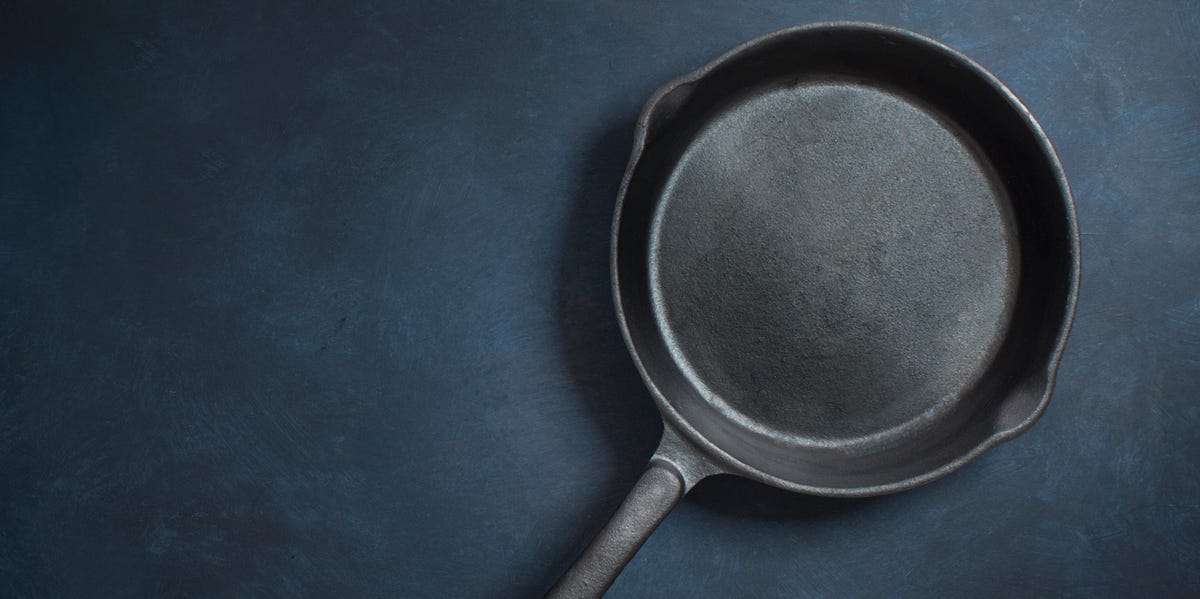
Few kitchen topics inspire Reddit quite like cast iron. Some cooks treat cast iron like a sacred heirloom. Others are afraid to wash it. The truth is less mystical: cast iron is durable, repairable, and excellent for high heat, but it needs to be dried and lightly oiled to prevent rust.
Yes, You Can Use Soap
Modern dish soap is generally fine for cast iron when used in moderation. The old warning came from harsher soaps that could strip seasoning. Today, a little mild soap, warm water, and a brush are not going to destroy a properly seasoned skillet. Leaving it wet in the sink, however, absolutely can cause rust.
Dry It Like You Mean It
After washing cast iron, dry it thoroughly with a towel, then warm it briefly on the stove to evaporate lingering moisture. Wipe on a very thin layer of oil before storing. The word “thin” matters. A heavy coat of oil can turn sticky, which is not seasoning; it is pan lip gloss.
Rust Is Not the End
A rusty cast-iron pan can often be restored. Scrub away rust, wash, dry, oil, and reseason. Cast iron is forgiving. It may look ruined, but it usually just needs a spa day and fewer overnight soaks.
What About Enameled Cast Iron?
Enameled cast iron, such as Dutch ovens, is different from raw cast iron. It does not need seasoning, but the enamel surface can chip or stain. Avoid metal tools when possible, do not slam the lid, and do not use extreme temperature changes. Let the pot cool before washing, and use gentle soaking for stuck-on food.
For interior stains, simmering water with baking soda can help. Avoid harsh scouring pads that may dull the enamel. A stained Dutch oven can still cook beautifully, so do not panic over a little discoloration. Consider it kitchen patina with better branding.
The Big Cleaning Mistake: Cold Water on a Hot Pan
One of the fastest ways to damage cookware is thermal shock. When a very hot pan meets cold water, the metal can warp. A warped pan may rock on the stovetop, heat unevenly, and make cooking more frustrating. This is especially annoying on flat glass or induction cooktops where full contact matters.
Let pans cool before washing. If you need to loosen food while the pan is still warm, use warm or hot liquid, not icy water. Deglazing with room-temperature or warm liquid is usually safer than shocking the pan under the faucet.
Which Pan Should You Use? Match the Tool to the Task
Saving your pans starts before cooking begins. Choose the right pan for the job and you will avoid most cleaning disasters.
Use Stainless Steel For:
Searing meats, browning vegetables, making pan sauces, cooking acidic foods, and recipes where fond matters. Stainless steel is durable and versatile, but it rewards proper preheating and enough fat.
Use Nonstick For:
Eggs, pancakes, delicate fish, crepes, and low-to-medium-heat cooking. Do not use it for broiling, hard searing, or anything that requires prolonged high heat.
Use Cast Iron For:
Steaks, cornbread, smash burgers, roasted vegetables, and dishes that benefit from heat retention. Keep it dry and lightly oiled.
Use Enameled Cast Iron For:
Braises, soups, stews, bread, and slow cooking. It handles acidic foods better than bare cast iron but should still be protected from chips and thermal shock.
When a Pan Is Beyond Saving
Reddit is full of heroic rescue attempts, but not every pan deserves a redemption arc. Replace nonstick cookware when the coating is peeling, flaking, deeply scratched, or no longer releases food even after proper cleaning. Replace stainless steel if it is severely warped, cracked, or pitted. Cast iron can usually be restored unless it is cracked. Enameled cast iron may need retirement if the cooking surface is chipped badly enough to expose the base material.
There is no shame in replacing a pan that has reached the end. Cookware is a tool, not a moral test. Still, with better habits, your next pan can last much longer.
Reddit Tips That Deserve a Permanent Spot in Your Kitchen
The best Reddit advice is practical, not fancy. Preheat properly. Use the right fat. Stop defaulting to high heat. Do not attack every stain with steel wool. Deglaze stainless steel before residue hardens. Let food release naturally. Dry cast iron immediately. Keep metal utensils away from nonstick. Store pans with protection. Clean according to material, not mood.
Good Housekeeping experts reinforce the same core idea: cookware lasts when you understand how it is designed to work. There is no universal pan, no universal cleaner, and no universal temperature setting. A pan is happiest when it is used for the job it was made to do. And yes, your pans have happiness levels now. That is where we are as a society.
Personal Kitchen Experiences: What Actually Saved My Pans
After years of cooking at home, I have learned that most pan-saving wisdom sounds boring until it saves you money. My biggest breakthrough was realizing that “hot enough” and “as hot as possible” are not cousins. I used to heat stainless steel until oil smoked like a tiny kitchen volcano, then blame the pan when chicken stuck. Once I learned to preheat over medium to medium-high heat, add oil after the pan warmed, and wait for the food to release naturally, my stainless-steel skillet became much easier to love.
The second lesson was deglazing. I used to see brown bits on the pan and think, “Great, more dishes.” Now I see sauce. A splash of water or stock after searing loosens the fond and gives me a quick pan sauce with very little effort. It also means I am not standing at the sink later, scrubbing like I am trying to erase my past.
My nonstick experience was more humbling. I ruined an early nonstick pan by treating it like stainless steel. High heat, metal spatula, dishwasher, stacking with other pansbasically the four horsemen of nonstick destruction. The pan went from silky to suspicious in less than a year. Now I keep one nonstick skillet for eggs and delicate foods only. I use silicone utensils, wash it by hand, and store it with a soft protector. It is not glamorous, but neither is eating half your omelet off the pan with a sponge.
Cast iron taught me patience. At first, I believed every internet myth: never use soap, never cook tomatoes, never look at it during a full moon. Eventually, I relaxed. I clean it while it is still warm, use a little soap when needed, dry it completely, and wipe on a whisper-thin layer of oil. The pan keeps getting better. Cast iron does not need fear; it needs consistency.
I also learned that stains are not always failure. Stainless steel may develop rainbow marks. Enameled cast iron may darken inside. Sheet pans may turn bronze. A working kitchen does not look like a catalog forever. The important question is whether the pan is clean, safe, flat, and functional. A little discoloration is often just evidence that dinner happened.
The best habit I have adopted is cooling pans before washing. It feels painfully slow when the sink is full, but it prevents warping and protects the cooking surface. I use the cooling time to put away ingredients, wipe counters, or pretend I am the kind of person who cleans as they go. Then I wash the pan with the gentlest effective method. That phrasegentlest effective methodhas saved more cookware than any dramatic hack.
In the end, saving pans is less about secret tricks and more about kitchen maturity. Use the right pan. Use reasonable heat. Add enough fat. Let food cook before poking it. Clean according to the material. Do those things, and your cookware will stop looking like it survived a camping trip with raccoons.
Conclusion
Reddit cooks are right about one big thing: most pan problems are preventable. Good Housekeeping experts and cookware-care guidance point in the same direction. Heat control, proper cleaning, and smart pan selection matter more than any viral cleaning hack. Stainless steel wants preheating, fat, and deglazing. Nonstick wants gentle heat and soft utensils. Cast iron wants dryness and a little oil. Enameled cast iron wants patience and no thermal shock.
So before you declare a pan ruined, pause. Simmer some water. Deglaze the browned bits. Try baking soda paste. Reach for a non-scratch sponge. And next time, turn the burner down a notch. Your pans will last longer, your food will cook better, and your sink will become slightly less dramatic. That is a win for dinner, your wallet, and every skillet currently hiding in shame at the back of the cabinet.
Note: This article is original, publication-ready content based on real cookware care practices, expert kitchen guidance, and common home-cooking experiences.