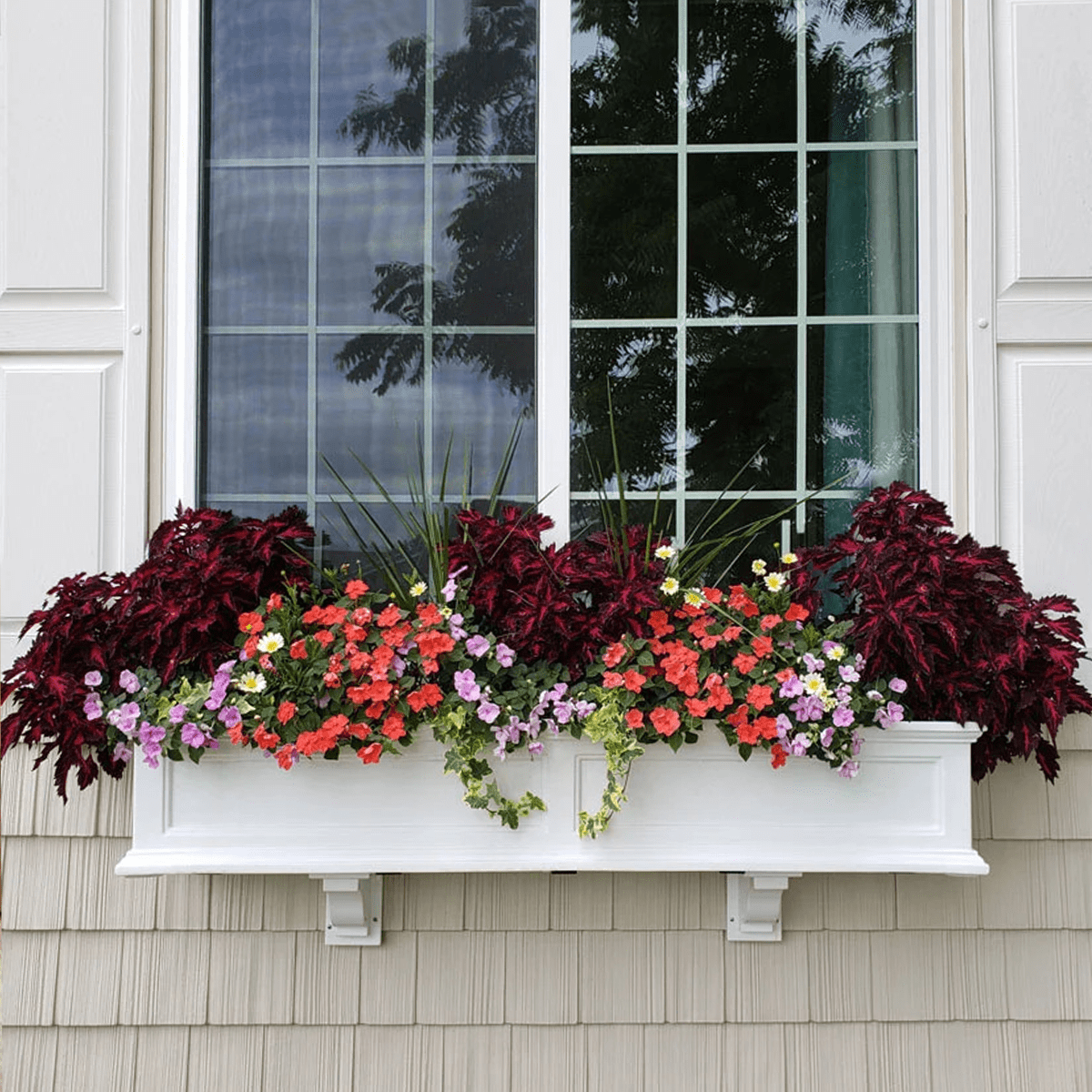
A great window planter box is basically curb appeal with roots. It can turn a plain window into a postcard, soften a brick wall, make a balcony feel like a tiny garden estate, and give your petunias the dramatic stage entrance they clearly believe they deserve. The best window planter boxes, however, are not chosen by looks alone. They must handle water, weather, soil weight, plant roots, mounting hardware, sunlight, and the occasional “I forgot to water again” Tuesday.
Whether you want a self-watering window box for low-maintenance flowers, a rustic wood planter for cottage charm, or a sleek modern window box for herbs, the right choice depends on your home style, climate, window size, and how much gardening drama you are willing to manage. A shallow box may look cute online but dry out faster than gossip at a neighborhood barbecue. A heavy box may look luxurious, but your siding and brackets must be ready for the job.
This guide breaks down the 8 best window planter boxes by real-life use: overall performance, budget, long windows, small spaces, rustic style, metal design, railing use, and premium custom looks. You will also find buying tips, planting advice, and practical experience-based notes to help you pick a box that looks beautiful after the first weeknot just on delivery day.
How to Choose the Best Window Planter Box
Size Comes First
A window planter box should usually be at least as wide as the window, and many homes look better when the box extends slightly beyond the trim. Depth matters, too. Boxes around 8 inches deep or more hold moisture better and give roots more space. Tiny shallow boxes can work for succulents or small herbs, but for lush flowers, they often become high-maintenance little divas.
Drainage Is Non-Negotiable
The best window boxes have drainage holes, removable plugs, or a reservoir system that prevents roots from sitting in soggy soil. Poor drainage can lead to root rot, weak growth, and a sad little plant funeral. Also, leave a small gap between the planter and the wall so water can escape instead of soaking your siding.
Material Changes Everything
Resin and polyethylene window boxes are lightweight, weather-resistant, and often self-watering. Wood looks warm and natural but needs more care. Metal boxes add farmhouse or industrial style, though some may heat up in strong sun. PVC, fiberglass, and composite boxes are excellent premium choices because they can mimic wood while resisting rot.
Self-Watering Boxes Are Great for Busy People
Self-watering window boxes use a reservoir to keep moisture available longer. They are not magicplants still need monitoringbut they reduce watering frequency and help prevent dramatic wilt episodes during hot weather. For full-sun windows, this feature is often worth the extra cost.
8 Best Window Planter Boxes
1. Mayne Fairfield Self-Watering Window Box Best Overall
The Mayne Fairfield self-watering window box is a top all-around choice for homeowners who want classic style, strong construction, and less watering stress. Its clean rectangular design works with colonial, cottage, farmhouse, and suburban homes. The polyethylene construction is designed for outdoor durability, and the self-watering reservoir helps keep flowers hydrated between watering sessions.
This box is especially good for annual flowers like petunias, million bells, verbena, bacopa, and geraniums. The built-in reservoir makes it forgiving in summer heat, while included mounting hardware on many models gives it an advantage over cheaper boxes that require a separate hardware hunt. It is not the least expensive option, but it feels like a long-term curb appeal investment rather than a seasonal impulse buy.
Best for: homeowners who want a reliable, attractive, low-maintenance window box.
Watch out for: weight after filling. Soil, water, and mature plants add up quickly, so install it securely.
2. Mayne Nantucket Self-Watering Window Box Best for Wide Windows
If your home has large windows or a long front porch line, the Mayne Nantucket self-watering window box brings a bigger, bolder look. It is available in long sizes, including options suited for broad windows where a small planter would look like it missed the memo. The design leans coastal and traditional, with a polished look that pairs well with white trim, black shutters, brick, stone, and clapboard siding.
The Nantucket style is particularly useful when you want a full, symmetrical flower display. Try upright geraniums or angelonia in the back, calibrachoa or petunias in the middle, and trailing sweet potato vine or bacopa spilling over the front. The self-watering reservoir helps support larger plantings, though you should still check moisture during heat waves.
Best for: long windows, front-facing curb appeal, and large flower arrangements.
Watch out for: measuring carefully. A box that is too short can look awkward; one that is too long can crowd shutters.
3. Bloem Lucca Self-Watering Window Box Best Budget Pick
The Bloem Lucca self-watering window box is a smart choice for beginners, renters, students, and anyone who wants flowers without spending “designer patio furniture” money. It is made from durable resin plastic and often includes a saucer-style setup with drainage. Its smaller size makes it practical for narrow ledges, apartment balconies, kitchen windows, or herb gardens.
This is not the box for a mansion-scale floral masterpiece, but it performs well for simple plantings. Think basil, parsley, pansies, small marigolds, dwarf zinnias, or compact petunias. Because it is lightweight, it is easier to move, clean, and refresh between seasons. It is also a good testing box if you are new to window gardening and not ready to commit to a large mounted planter.
Best for: affordable starter gardens, herbs, small flowers, and compact windows.
Watch out for: limited soil volume. Smaller boxes dry out faster and need more frequent attention.
4. Gardener’s Supply Self-Watering Window Box Best Low-Maintenance Choice
For gardeners who want a classic look with practical watering help, a self-watering window box from Gardener’s Supply is a strong option. Many of its window box planters are designed to combine decorative curb appeal with reservoir convenience, which is exactly what busy plant lovers need. These boxes are especially useful for sunny porches, hot windows, and homes where daily watering is not realistic.
The main advantage is consistency. Plants in containers do not have access to deep ground moisture, so they can dry out quickly. A reservoir system helps smooth out the moisture cycle, reducing the chance of wilted flowers by late afternoon. Use a lightweight potting mix, not heavy garden soil, and avoid packing the box too tightly.
Best for: busy homeowners, frequent travelers, and hot sunny windows.
Watch out for: overconfidence. Self-watering does not mean never-watering.
5. Wooden Window Planter Box Best Rustic Style
A wooden window planter box brings natural warmth that plastic and resin rarely duplicate. Cedar, fir, and treated wood boxes look especially good on farmhouse homes, cabins, cottages, garden sheds, and homes with natural stone or wood accents. Wood also photographs beautifully, which matters if your front porch has ever been asked to appear on social media against its will.
Wooden boxes are ideal for soft, romantic plantings: trailing ivy, dusty miller, pansies, alyssum, lobelia, and pastel petunias. The downside is maintenance. Wood can weather, stain, crack, or rot if it is not protected. Look for boxes with drainage holes, liners, or rot-resistant construction. You can also add a plastic insert to reduce direct moisture contact with the wood.
Best for: rustic homes, cottage gardens, and natural exterior design.
Watch out for: moisture damage. Wood needs more care than resin or composite materials.
6. Galvanized Metal Window Box Best Farmhouse Look
A galvanized metal window box is a stylish option for modern farmhouse, industrial, country, and rustic homes. The weathered metal finish gives instant character, especially against white siding, black shutters, red brick, or dark-painted exteriors. It is a good choice when you want the box itself to be part of the design, not just a container hiding under flowers.
Metal planters can be durable, but they need thoughtful planting. Some do not come with pre-drilled drainage holes, so check before buying. Metal can also warm up quickly in full sun, which may stress roots during hot afternoons. A liner and high-quality potting mix can help. This style looks fantastic with herbs, lavender, ornamental grasses, nasturtiums, or a controlled color palette of white blooms and silver foliage.
Best for: farmhouse charm, bold exterior contrast, and decorative displays.
Watch out for: drainage and heat buildup in intense sun.
7. Hayrack Window Box with Coco Liner Best Cottage Garden Style
A hayrack window box with a coco liner has that storybook garden look: airy metal frame, natural liner, and flowers spilling over the edge like they are late for a countryside wedding. This type of window planter is excellent for cottage homes, balconies, porch railings, and traditional garden spaces. It is especially pretty with trailing annuals such as ivy geraniums, bacopa, lobelia, verbena, and sweet alyssum.
The open design gives excellent drainage, but that also means it can dry out faster than solid boxes. In hot climates, you may need to water often, sometimes daily. A moisture-retentive potting mix and careful plant selection make a big difference. Choose plants with similar light and water needs so the box does not become a botanical argument.
Best for: cottage-style flowers, railings, balconies, and romantic trailing arrangements.
Watch out for: fast drying. Coco liners look charming but do not hold water like solid reservoirs.
8. Composite PVC or Fiberglass Window Box Best Premium Upgrade
Composite PVC and fiberglass window boxes are excellent premium choices for homeowners who want the look of painted wood without the usual rot worries. These boxes are often available in custom sizes, which helps when your windows are unusual, extra wide, or grouped together. They also suit higher-end exterior renovations where the window box should feel built-in rather than added later.
Composite and fiberglass boxes can be painted or finished to match trim, shutters, doors, or railings. They work well for formal plantings, symmetrical designs, and homes where long-term appearance matters. They cost more upfront, but they can deliver a polished architectural look that cheaper boxes cannot always match.
Best for: premium curb appeal, custom sizing, and long-term exterior design.
Watch out for: installation quality. A beautiful box still needs strong brackets and proper spacing from the wall.
Best Plants for Window Planter Boxes
The easiest design formula is “thriller, filler, spiller.” The thriller is the tall plant that gives height, the filler adds color and body, and the spiller trails over the front. For sunny windows, try angelonia, petunias, calibrachoa, lantana, verbena, geraniums, or zinnias. For shady windows, use impatiens, begonias, coleus, ferns, heuchera, or ivy. For edible window boxes, herbs such as basil, thyme, parsley, chives, oregano, and mint can be useful and beautiful.
Do not overcrowd the box on day one. Small nursery plants grow quickly, and a packed container can compete for water and nutrients. In a typical 24-inch box, five to seven small plants is often enough for a full look once they mature. Odd numbers usually create a more natural arrangement.
Installation Tips for Window Boxes
Before installing any window box, measure the window, siding area, and available clearance. Install the box slightly below the sill so mature plants do not block the glass. Use brackets rated for the full loaded weight, not just the empty box. Remember: wet soil is heavy. Add mature plants and water, and suddenly your charming little planter has the personality of a suitcase full of bricks.
For wood siding, leave a small air gap behind the box to reduce moisture problems. For brick or masonry, use appropriate anchors. For renters, railing planters or freestanding boxes under the window may be safer than drilling into exterior surfaces. Always check building rules if you live in an apartment, condo, or HOA neighborhood.
Common Mistakes to Avoid
The first mistake is buying only for looks. A beautiful box without drainage is like a sports car with no steering wheel: impressive until reality begins. The second mistake is using garden soil instead of potting mix. Garden soil can be too dense for containers, while potting mix is lighter and drains better. The third mistake is mixing plants with different needs. A succulent and an impatiens do not want the same watering schedule, and no amount of optimism will make them roommates.
Another mistake is ignoring sun exposure. A south-facing window may bake delicate shade plants. A north-facing window may leave sun-loving flowers stretching sadly toward the light. Observe the window for a full day before choosing plants. Morning sun is gentler; hot afternoon sun demands tougher varieties and more watering.
Experience Notes: What Actually Matters After Living With Window Planter Boxes
After the excitement of buying a window planter box, real life begins. The first lesson is that watering is the whole game. A window box can look perfect on Saturday and faint dramatically by Tuesday if the weather turns hot. Self-watering boxes help, but even they need checking. The best habit is to touch the soil before watering. If the top inch feels dry, water deeply until excess moisture drains. A quick splash on the surface usually does less than you think.
The second lesson is that bigger boxes are easier to keep happy. Small planters are cute, affordable, and great for herbs, but they dry quickly. A deeper, wider box holds more potting mix, which helps roots stay cooler and better hydrated. If you live somewhere with hot summers, choose the largest box that fits your window and mounting situation safely. Your plants will thank you by not looking personally betrayed every afternoon.
Third, plant choice matters more than plant price. Expensive plants can fail in the wrong exposure, while basic annuals can look spectacular in the right spot. Petunias, calibrachoa, geraniums, begonias, coleus, sweet potato vine, and bacopa are popular for a reason: they perform well in containers and give a lot of visual impact. For beginners, it is smarter to start with reliable plants than to build a rare botanical collection outside a second-floor window.
Fourth, the best-looking window boxes usually have repetition. Instead of buying one of every flower at the garden center, choose two or three colors and repeat them. For example, white bacopa, purple calibrachoa, and lime sweet potato vine can look cleaner than ten unrelated plants competing for attention. The goal is charm, not a plant talent show.
Fifth, maintenance is easier when the box is reachable. If you need a ladder every time you water, deadhead, or trim, the box may become neglected. Kitchen windows, porch windows, and balcony railings are usually easier to maintain than high second-story boxes. If you want upper-level window boxes, consider self-watering models and tough plants that tolerate short dry periods.
Sixth, do not underestimate brackets. Many people focus on the planter and forget the support system. A loaded window box can be surprisingly heavy, especially after rain. Use strong brackets, proper anchors, and installation methods suited to your wall type. A falling planter is not rustic charm; it is a landscaping emergency with dirt.
Finally, seasonal refreshes make window boxes worth keeping. In spring, pansies, violas, bulbs, and snapdragons look cheerful. In summer, petunias, lantana, verbena, and geraniums carry the show. In fall, mums, ornamental kale, ivy, and small pumpkins add personality. In winter, evergreen cuttings, berries, pinecones, and branches can keep the box attractive even when flowers are taking a well-earned nap.
Conclusion
The best window planter boxes combine beauty, drainage, durability, and the right size for your home. For most homeowners, a self-watering resin or polyethylene box like the Mayne Fairfield offers the best mix of style and function. For long windows, the Mayne Nantucket is a standout. Budget gardeners can start with Bloem, while design-focused homeowners may prefer wood, galvanized metal, hayrack, PVC, or fiberglass options.
Choose the planter first for structure, then choose plants based on sunlight, water needs, and seasonal style. A well-planned window box does more than decorate a house. It creates a small living garden that changes with the weather, welcomes pollinators, and gives your home that “someone here has excellent taste and possibly owns pruning shears” energy.
Note: Product availability, sizes, colors, mounting hardware, and prices can change by retailer. Always measure your window, check drainage details, and confirm the full loaded weight before installation.