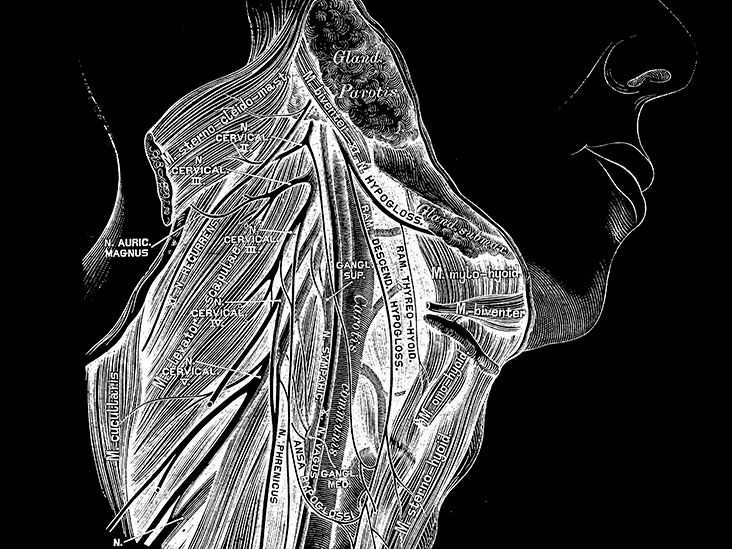
Note: This article is for educational purposes only. It explains anatomy, symptoms, diagnosis, and treatment concepts in clear language, but it is not a substitute for medical advice, diagnosis, or treatment from a qualified healthcare professional.
Introduction: The tiny nerve with a surprisingly big job
The recurrent laryngeal nerve is one of those body parts most people never think about until the voice suddenly sounds like it has been replaced by a tired kazoo. Small, delicate, and easy to overlook, this nerve helps control the vocal folds, supports safe swallowing, protects the airway, and makes everyday speaking possible. In other words, it is a quiet backstage manager for some of the most human things we do: talking, laughing, coughing, singing, and saying, “No, I definitely did not eat the last cookie.”
Despite its modest size, the recurrent laryngeal nerve has a famously dramatic route. Instead of traveling straight from the brain to the voice box, it branches from the vagus nerve, dips down into the chest, loops around major blood vessels, and then climbs back up to the larynx. That “turning back” path is why it is called recurrent. It is not recurrent because it keeps bothering you with calendar reminders; it is recurrent because it reverses direction.
Understanding the recurrent laryngeal nerve matters for students of anatomy, people preparing for thyroid or neck surgery, singers and professional voice users, and anyone dealing with hoarseness, breathy voice, swallowing trouble, or vocal cord paralysis. Let’s walk through its structure, function, common problems, and real-world significance in a practical, reader-friendly way.
What is the recurrent laryngeal nerve?
The recurrent laryngeal nerve, often shortened to RLN, is a branch of the vagus nerve, also known as cranial nerve X. The vagus nerve is a major communication highway between the brain, neck, chest, and abdomen. The recurrent laryngeal nerve is one of its specialized side roads, carrying motor and sensory information to and from the larynx, or voice box.
There is a recurrent laryngeal nerve on each side of the body: one on the right and one on the left. They perform similar duties, but their routes are not perfectly symmetrical. The right recurrent laryngeal nerve loops around the right subclavian artery, while the left recurrent laryngeal nerve descends farther into the chest and loops around the arch of the aorta. Because the left nerve takes a longer trip, it has more opportunities to be affected by chest conditions, surgery, tumors, or other problems along its path.
Once the nerve returns upward toward the neck, it travels near the thyroid gland, trachea, esophagus, and inferior thyroid artery before entering the larynx. This close relationship with the thyroid gland is one reason the recurrent laryngeal nerve is especially important in thyroid and parathyroid surgery.
Structure and anatomical course
Origin from the vagus nerve
The recurrent laryngeal nerve begins as a branch of the vagus nerve. The vagus nerve exits the skull and travels down through the neck inside the carotid sheath, alongside major blood vessels. At different levels on the right and left sides, the recurrent laryngeal nerve branches off and begins its unusual loop.
The right recurrent laryngeal nerve
On the right side, the recurrent laryngeal nerve branches from the vagus nerve near the upper chest, loops under the right subclavian artery, and then ascends back toward the larynx. It usually travels in or near the groove between the trachea and esophagus. Surgeons often pay close attention to this region because small anatomical variations can change where the nerve is found.
The left recurrent laryngeal nerve
The left recurrent laryngeal nerve takes the scenic route. It descends into the chest, loops under the aortic arch near the ligamentum arteriosum, and then ascends toward the larynx. This longer course explains why left-sided vocal fold paralysis is often discussed with special attention. A problem in the chest, not just the neck, can affect the left recurrent laryngeal nerve.
Entrance into the larynx
After traveling upward, the recurrent laryngeal nerve enters the larynx behind the cricothyroid joint. This area is a key surgical landmark. Near the thyroid gland, the nerve may divide into branches before entering the larynx. Because the nerve can branch and vary from person to person, careful identification is essential during neck operations.
What does the recurrent laryngeal nerve do?
Motor function: Moving the vocal folds
The recurrent laryngeal nerve supplies motor control to nearly all intrinsic muscles of the larynx. These muscles move the vocal folds, adjust their position, and help regulate airflow. The major exception is the cricothyroid muscle, which is controlled by the external branch of the superior laryngeal nerve.
One of the most important muscles supplied by the recurrent laryngeal nerve is the posterior cricoarytenoid muscle. This muscle opens the vocal folds during breathing. Without it, the airway can become narrowed. Other muscles supplied by the recurrent laryngeal nerve help close the vocal folds for speaking, swallowing, coughing, and airway protection.
Sensory function: Feeling below the vocal folds
The recurrent laryngeal nerve also carries sensory information from the larynx below the vocal folds. This sensory role is important because the body needs to detect irritation, secretions, or material that should not enter the airway. When the larynx senses something risky, it can trigger a cough or protective reflex.
Voice production
Voice begins when air from the lungs passes through the vocal folds and makes them vibrate. The recurrent laryngeal nerve helps position the vocal folds so they can come together properly. If one vocal fold does not move well, the voice may become hoarse, weak, soft, or breathy. People may feel as if they run out of air while talking because air escapes through a gap between the vocal folds.
Swallowing and airway protection
The larynx is not only a voice instrument; it is also a security guard for the airway. During swallowing, the vocal folds help close off the airway so food and liquid go down the esophagus rather than into the trachea. If recurrent laryngeal nerve function is impaired, a person may cough when drinking liquids, choke during meals, or feel that food is “going down the wrong pipe.”
Why the recurrent laryngeal nerve is clinically important
The recurrent laryngeal nerve is clinically important because even a small injury can cause very noticeable symptoms. It is especially relevant in thyroid surgery, parathyroid surgery, neck surgery, chest surgery, cervical spine surgery, and procedures involving the esophagus, heart, lungs, or major blood vessels.
Because the nerve runs close to the thyroid gland, thyroidectomy is one of the classic operations in which surgeons carefully identify and protect it. Nerve irritation, stretching, compression, heat injury, or accidental cutting can interfere with signals to the vocal fold. Sometimes the effect is temporary; sometimes it can be long-lasting.
However, surgery is not the only possible cause of recurrent laryngeal nerve dysfunction. Tumors in the neck, thyroid, esophagus, lung, or chest can compress or invade the nerve. Viral inflammation, trauma, neurological disease, stroke, and unknown causes can also lead to vocal fold weakness or paralysis.
Symptoms of recurrent laryngeal nerve injury
Unilateral injury
Unilateral injury means one recurrent laryngeal nerve is affected. This is more common than bilateral injury. Symptoms may include hoarseness, a breathy voice, vocal fatigue, weak volume, difficulty projecting the voice, loss of pitch control, frequent throat clearing, coughing while swallowing, and a weak cough.
A person with unilateral vocal fold paralysis may sound as though they are whispering even when trying to speak normally. Talking in a noisy restaurant can become exhausting. Phone calls may feel awkward. For singers, teachers, lawyers, coaches, salespeople, and public speakers, even a mild vocal fold problem can feel like someone turned the volume knob of life way down.
Bilateral injury
Bilateral injury means both recurrent laryngeal nerves are affected. This is less common but more serious. When both vocal folds cannot open properly, breathing can become difficult. Symptoms may include noisy breathing, shortness of breath, stridor, exercise intolerance, and in severe cases, airway obstruction. Bilateral vocal fold paralysis may require urgent medical evaluation because the airway can be at risk.
Diagnosis: How doctors evaluate the nerve and vocal folds
Medical history and voice assessment
Evaluation often begins with a careful history. A clinician may ask when the voice changed, whether symptoms began after surgery, whether swallowing or breathing has changed, and whether there are risk factors such as neck or chest procedures, tumors, infections, neurological conditions, or trauma.
Laryngoscopy
Laryngoscopy is a key test used to look directly at the vocal folds. A flexible or rigid scope allows a clinician to see whether one or both vocal folds move normally. The patient may be asked to breathe, speak, sustain a sound, or sniff so the examiner can evaluate opening and closing movements.
Stroboscopy
Stroboscopy is a specialized voice exam that helps assess vocal fold vibration. It is especially useful when voice quality is abnormal but movement problems are subtle. This test can show how well the vocal folds meet, vibrate, and produce sound.
Imaging studies
If the cause is not obvious, imaging may be recommended. Because the recurrent laryngeal nerve travels from the brainstem through the neck and into the chest, doctors may evaluate a long anatomical pathway. CT or MRI may be used to look for masses, structural problems, or other causes along the nerve’s course.
Laryngeal electromyography
Laryngeal electromyography, or LEMG, measures electrical activity in laryngeal muscles. It can help distinguish nerve injury from mechanical fixation and may provide information about the likelihood of recovery. This is not needed for every patient, but it can be helpful in selected cases.
Treatment options and recovery
Observation and voice therapy
Some cases of vocal fold paralysis improve over time, especially when the nerve is irritated rather than permanently damaged. Voice therapy with a speech-language pathologist can help patients improve breath control, reduce strain, strengthen healthy voice habits, and compensate for vocal fold weakness.
Injection augmentation
Injection augmentation involves placing a filler material into the affected vocal fold to move it closer to the midline. This can help the working vocal fold meet the weakened one more effectively, improving voice strength and reducing air escape. Some injections are temporary, which can be useful while waiting to see whether nerve function returns.
Medialization thyroplasty
Medialization thyroplasty is a surgical procedure that uses an implant to reposition the paralyzed vocal fold closer to the center. This can improve voice quality and sometimes swallowing safety. It is often considered when paralysis is persistent and symptoms significantly affect daily life.
Reinnervation procedures
Laryngeal reinnervation aims to restore nerve input to the affected muscles. It may improve tone and bulk of the vocal fold, even if it does not always restore normal motion. This option is more commonly discussed in selected patients based on age, cause, timing, and surgeon expertise.
Airway procedures for bilateral paralysis
When both vocal folds are paralyzed and breathing is compromised, treatment priorities may shift toward airway safety. In some cases, a tracheostomy or airway-widening procedure may be needed. Managing bilateral paralysis can involve a delicate balance: improving breathing may affect voice quality, while improving voice closure may narrow the airway.
Practical examples: How recurrent laryngeal nerve problems show up
Example 1: Hoarseness after thyroid surgery
A person has thyroid surgery and notices a weak, breathy voice afterward. The voice tires quickly, and drinking water triggers coughing. An exam shows one vocal fold is not moving normally. This pattern can suggest recurrent laryngeal nerve weakness or injury, though swelling, intubation irritation, or other factors may also contribute.
Example 2: A lung mass affecting the left nerve
Another person develops unexplained hoarseness without recent surgery. Because the left recurrent laryngeal nerve travels into the chest, evaluation may include imaging of the neck and chest. In some cases, a chest condition can be the hidden reason behind a voice change.
Example 3: The professional voice user
A teacher, singer, broadcaster, or call-center worker may notice that a small vocal fold gap feels like a huge life problem. Even if breathing is normal, voice fatigue can affect work, confidence, and social life. This is where coordinated care among an otolaryngologist, laryngologist, and speech-language pathologist can make a major difference.
Experiences related to the recurrent laryngeal nerve
Experiences with recurrent laryngeal nerve problems are often less dramatic than movie medicine but more disruptive than people expect. One common story begins after neck surgery. A patient wakes up relieved that the procedure is over, only to discover that the voice sounds thin, airy, or strangely weak. At first, the person may assume it is just the breathing tube or a sore throat. Sometimes it is. But if the voice change lasts, the recurrent laryngeal nerve becomes part of the conversation.
In real-life recovery, the emotional side can be just as important as the anatomy. Imagine someone who talks for a living: a teacher explaining fractions to a room full of energetic fourth graders, a fitness instructor leading a class, or a grandparent reading bedtime stories over video chat. A weak voice is not merely a sound problem. It can affect identity, independence, and daily connection. People may avoid restaurants because background noise wins every conversation. They may stop singing in church, skip phone calls, or feel embarrassed repeating themselves.
Another experience comes from the clinic exam itself. Seeing the vocal folds on a screen can be oddly fascinating. The patient makes an “ee” sound, sniffs, breathes, and watches two tiny folds open and close like theater curtains. When one side does not move, the problem suddenly becomes visible. Many people feel relief at finally having an explanation. The mystery voice has a map.
Speech therapy is often more practical than patients expect. It is not simply “talk more” or “talk less.” A speech-language pathologist may teach breath pacing, gentle onset of voice, resonance strategies, cough control, and ways to reduce throat squeezing. The exercises can feel subtle, but small improvements matter. A person who can speak through a meeting without exhaustion may feel as if they have recovered a piece of normal life.
Surgical experiences vary. Some patients receive a temporary injection and notice improvement quickly. The voice may sound stronger, though sometimes tight or uneven at first. Others choose a more permanent procedure, such as medialization thyroplasty, after months of persistent symptoms. For many, the goal is not to sound like a radio announcer. The goal is simpler: to be heard, to swallow safely, to cough effectively, and to stop planning every conversation like an athletic event.
Healthcare professionals also experience the recurrent laryngeal nerve as a structure that demands respect. Surgeons learn that this nerve is small but unforgiving. Anatomy students remember it because its route seems almost comically inefficient. Voice specialists respect it because it connects anatomy with personality. When it works, nobody sends it a thank-you note. When it fails, everyone notices.
Conclusion
The recurrent laryngeal nerve may be small, but its responsibilities are enormous. It helps move the vocal folds, supports speech, protects the airway, assists swallowing, and contributes to an effective cough. Its unusual path from the vagus nerve into the chest and back to the larynx makes it anatomically fascinating and clinically important.
Problems with the recurrent laryngeal nerve can lead to hoarseness, breathy voice, weak cough, swallowing difficulty, aspiration risk, and in bilateral cases, serious breathing trouble. Diagnosis often involves laryngoscopy, voice evaluation, imaging, and sometimes laryngeal electromyography. Treatment may include observation, voice therapy, injection augmentation, medialization surgery, reinnervation, or airway-focused procedures depending on the cause and severity.
If there is one takeaway, it is this: persistent hoarseness is not something to ignore, especially when it lasts for weeks, appears after surgery, or comes with swallowing or breathing symptoms. The recurrent laryngeal nerve is tiny, but it carries a very loud message about voice, safety, and health.