Contact sports are thrilling for a reason. Football has the roar of the crowd, soccer has last-minute heroics, hockey has speed that makes your coffee nervous, and lacrosse looks like a science experiment involving cardio and flying sticks. But behind the excitement is a serious responsibility: preventing concussions and brain injury in contact sports.
A concussion is a type of mild traumatic brain injury caused by a hit, bump, jolt, or force that makes the brain move rapidly inside the skull. It can happen from a direct blow to the head, but also from a hard body collision that snaps the head forward, backward, or sideways. That means a player does not need to be “knocked out” to have a concussion. In fact, many concussions happen without any loss of consciousness at all.
The good news? Sports do not need to become bubble-wrap ballet. Athletes can still compete, improve, and enjoy the game while teams take practical steps to reduce risk. Prevention is not one magic helmet, one speech from a coach, or one poster taped to a locker room wall. It is a full culture: smarter rules, better technique, honest reporting, safe equipment, trained adults, and athletes who understand that protecting the brain is not softit is strategic.
Why Concussion Prevention Matters in Contact Sports
Contact sports can teach teamwork, discipline, resilience, leadership, and how to lose gracefully without blaming the referee’s breakfast choices. But repeated head impacts and poorly managed concussions can lead to longer recovery, academic struggles, mood changes, balance problems, headaches, sleep disruption, and increased risk of another injury before the brain has healed.
Young athletes deserve special attention because their brains are still developing. Children and teenagers may also feel pressure to hide symptoms because they do not want to lose playing time, disappoint coaches, or look weak in front of teammates. That is why concussion prevention in youth sports must involve everyone: athletes, parents, coaches, athletic trainers, league administrators, officials, and healthcare providers.
What a Concussion Can Look Like
Concussion symptoms are not always dramatic. Sometimes the athlete simply says they feel “off.” That little phrase should be taken seriously. A player may have a headache, dizziness, nausea, blurry vision, sensitivity to light or noise, confusion, trouble concentrating, memory issues, balance problems, fatigue, irritability, or unusual emotional changes.
Coaches and parents may notice that the athlete answers questions slowly, forgets plays, moves awkwardly, appears dazed, acts unusually emotional, or cannot remember what happened before or after the hit. Symptoms may show up right away, but they can also develop hours later. That is why the smartest rule is simple: when in doubt, sit them out.
The First Rule: Remove the Athlete Immediately
If a concussion is suspected, the athlete should be removed from practice or competition right away. No heroic “just one more play.” No sideline negotiation. No “walk it off” speech that belongs in a dusty sports movie from 1987.
The athlete should not return to play on the same day if a concussion is suspected. They need evaluation by a qualified healthcare professional who understands concussion management. Returning too soon can worsen symptoms, lengthen recovery, and increase the chance of another injury. In brain safety, patience is not boringit is protective.
Protective Equipment Helps, But It Is Not a Force Field
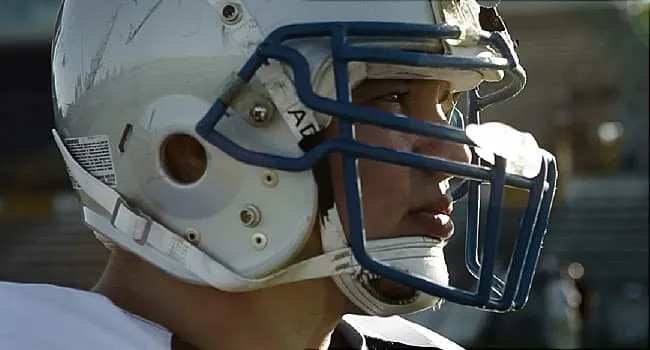
Helmets are essential in sports such as football, hockey, lacrosse, baseball, softball, cycling, and skiing. They help reduce the risk of skull fractures, cuts, and other serious head injuries. However, helmets cannot fully prevent concussions because they cannot stop the brain from moving inside the skull during rapid acceleration or rotation.
That does not mean equipment is useless. It means expectations must be realistic. A properly fitted helmet is like a seat belt: absolutely important, but not permission to drive like a raccoon with a learner’s permit. Athletes should wear sport-approved gear, make sure it fits correctly, maintain it well, and replace damaged equipment. Mouthguards protect the teeth and jaw and may help reduce some forces, but they should not be marketed as guaranteed concussion prevention devices.
Equipment Checklist for Safer Play
- Use helmets certified for the specific sport.
- Check helmet fit before the season and during growth spurts.
- Replace cracked, damaged, or expired equipment.
- Wear mouthguards correctly, not half-chewed like old gum.
- Use padding that fits and does not restrict safe movement.
- Never modify protective gear in a way that weakens it.
Teach Safer Technique Early and Often
Good coaching is one of the strongest tools for preventing brain injury in contact sports. Athletes need to learn proper tackling, checking, blocking, heading, body positioning, falling, and landing techniques. In football, players should be trained to keep the head out of contact and avoid leading with the helmet. In hockey, athletes need to understand safe checking angles and how to avoid hits from behind. In soccer, heading should be age-appropriate, limited, and taught with correct technique when introduced.
Technique is not a one-day lesson. It must be repeated until safe movement becomes habit. Players often get hurt when they are tired, frustrated, poorly conditioned, or trying to impress someone with a reckless hit. Coaches should reward smart play, not just big collisions. The highlight reel should not be a head-impact museum.
Reduce Head-Impact Exposure in Practice
Not every concussion happens during games. A lot of head-impact exposure can happen during practices, especially when teams repeat contact drills too often. Reducing unnecessary contact in practice can lower risk without eliminating skill development.
Football programs can limit full-contact practices and teach tackling progressions with controlled intensity. Hockey programs can delay body checking for younger players and enforce rules against dangerous hits. Soccer programs can restrict heading for younger athletes and limit repetitive heading drills for older youth players. Lacrosse and rugby coaches can use controlled contact progressions and emphasize body control. The goal is not to make athletes timid. The goal is to keep their brains fresh enough to actually use the playbook.
Rules MatterBut Only If They Are Enforced
Rules against spearing, targeting, elbowing, checking from behind, head slaps, illegal hits, and reckless contact exist for a reason. Officials must enforce them consistently, and coaches must support enforcement even when the call goes against their own team. Safety rules cannot be treated like optional toppings on a pizza.
Strong league policies should include concussion education, clear removal procedures, medical clearance requirements, return-to-play protocols, and penalties for dangerous behavior. Athletes quickly learn what adults tolerate. If a league celebrates risky hits, players will chase risky hits. If a league celebrates skill, control, and respect, athletes learn that toughness includes discipline.
Build a Team Culture Where Reporting Symptoms Is Normal
One of the hardest parts of concussion prevention is not equipment or rules. It is honesty. Athletes may hide symptoms because they fear losing a starting position, missing a tournament, or being teased. That culture has to change.
Coaches should say clearly before the season starts: reporting symptoms protects the team. Parents should support that message at home. Teammates should watch out for one another. A player who admits dizziness or confusion is not quitting. They are giving their brain a chance to recover properly. That is not weakness; that is advanced-level common sense.
What Athletes Should Report Immediately
- Headache or pressure in the head
- Dizziness, balance trouble, or blurry vision
- Feeling foggy, confused, or slowed down
- Nausea or unusual fatigue
- Sensitivity to light or noise
- Memory problems after a hit or fall
- Any feeling that “something is not right”
Use Baseline Testing Carefully
Some schools and clubs use preseason baseline testing to measure balance, reaction time, memory, or thinking skills before an injury. After a suspected concussion, healthcare professionals may compare post-injury results with baseline results to help guide care. Baseline testing can be useful, but it should not be the only tool used to decide whether an athlete is safe.
A proper concussion evaluation should include symptom review, medical history, neurological assessment, balance testing, cognitive checks, and clinical judgment. No app, sensor, or single score should replace a trained professional. Technology can help, but the brain is not a phone battery that displays “17% remaining, please plug in athlete.”
Return-to-Play Should Be Gradual, Not a Guess
After a concussion, athletes should return to sports through a step-by-step progression supervised by a healthcare provider. A common approach starts with light activity, then gradually increases exercise intensity, sport-specific movement, non-contact practice, full-contact practice after clearance, and finally game play.
Each step usually takes at least 24 hours. If symptoms return, the athlete should stop and move back to the previous step after symptoms improve. This process can feel slow to a competitive athlete, but rushing recovery is like microwaving a frozen pizza for 20 seconds and calling it dinner. Technically, something happened. Practically, it is a mistake.
Return-to-Learn Comes Before Return-to-Play
For student athletes, school matters too. A concussion can affect concentration, memory, reading, screen tolerance, sleep, and mood. Some students may need temporary academic adjustments such as shorter assignments, breaks, reduced screen time, extra time for tests, or a gradual return to full classroom workload.
Return-to-learn and return-to-play should work together. A student who cannot tolerate a full school day may not be ready for full-speed competition. Parents, teachers, school nurses, athletic trainers, and healthcare providers should communicate so the athlete does not have to manage recovery alone.
Conditioning Can Reduce Risk
Strong, well-conditioned athletes may be better prepared to control their bodies during contact. Neck strength, core strength, balance, flexibility, reaction time, and overall fitness can support safer movement. Fatigue often leads to sloppy technique, and sloppy technique can lead to dangerous contact.
Training should include warm-ups, mobility work, balance drills, controlled landing mechanics, sport-specific movement, and recovery time. Coaches should avoid the old-school idea that exhausted athletes are automatically tougher athletes. Sometimes tired athletes are just one bad decision away from turning practice into a medical paperwork festival.
Sport-Specific Prevention Strategies
Football
Football programs should limit unnecessary contact in practice, teach shoulder-led tackling, keep the head out of contact, enforce rules against targeting and spearing, fit helmets properly, and offer non-contact options such as flag football for younger athletes or families who prefer lower head-impact exposure.
Soccer
Youth soccer should follow age-based heading guidelines. Younger players should avoid heading, while older players should learn proper technique and limit repetitive heading drills. Coaches should also teach athletes how to avoid dangerous aerial collisions and how to communicate clearly when challenging for the ball.
Hockey
Hockey safety depends on proper checking technique, avoiding hits from behind, enforcing boarding penalties, delaying body checking for younger players where rules apply, and teaching athletes how to protect themselves near the boards without turning practices into bumper cars on ice.
Lacrosse and Rugby
These sports require excellent body control. Coaches should teach safe contact zones, legal checking or tackling form, head-up positioning, and controlled progression from drills to full-speed play. Officials should penalize reckless contact consistently.
Basketball, Wrestling, and Cheer
Concussions are not limited to helmet sports. Basketball players can collide, fall, or hit the floor. Wrestlers can experience hard mat contact. Cheer athletes can be injured during stunts or falls. Prevention includes safe technique, spotting, mat use, rule enforcement, and immediate removal after suspected head injury.
What Parents Can Do Before the Season Starts
Parents play a major role in preventing concussions and brain injury in contact sports. Before the season begins, ask whether the league has a concussion policy, whether coaches receive training, whether an athletic trainer is available, how equipment is fitted, and what happens if a player shows symptoms.
Parents should also talk to their child about reporting symptoms. Make it clear that health comes before playing time. A young athlete who knows they will not be punished for speaking up is more likely to be honest when something feels wrong.
What Coaches Should Do Every Season
Coaches should complete concussion education, review emergency action plans, teach safe techniques, reduce avoidable head impacts, document injuries, and never pressure athletes to return before they are cleared. They should also model calm decision-making. When a player gets hit and looks unsteady, the coach’s response sets the tone for the whole team.
A coach who says, “We are checking this properly,” teaches safety. A coach who says, “You good?” while already waving the athlete back in teaches risk. The difference can matter for a child’s brain, school performance, and long-term confidence.
Do Not Ignore Repeated Head Impacts
Modern brain injury prevention is not only about diagnosed concussions. Researchers and sports medicine experts also pay attention to repeated head impacts that may not cause obvious symptoms. These subconcussive impacts are one reason many programs now focus on reducing unnecessary contact during practice.
Not every bump is a crisis, but total exposure matters. A smart sports program asks: How many head impacts are athletes taking? Which drills create the most risk? Can we teach the same skill with less collision? Can younger athletes build fundamentals before full contact? Those questions lead to better coaching and safer athletes.
Emergency Warning Signs Need Fast Medical Care
Most concussions are not medical emergencies, but some head injuries need urgent care. Seek immediate medical attention if an athlete has worsening headache, repeated vomiting, seizure, increasing confusion, unusual behavior, weakness, numbness, slurred speech, one pupil larger than the other, inability to wake up, or loss of consciousness. Serious symptoms should never be watched from the sideline like everyone is waiting for a weather delay to pass.
Personal Experiences and Practical Lessons from the Sideline
Anyone who has spent time around contact sports knows the sideline has its own language. There is the coach voice, the parent voice, the teammate voice, and the mysterious snack-table voice asking who brought orange slices. In that busy environment, concussion prevention works best when the plan is already clear before the first whistle.
One common experience is watching an athlete take a hard hit, pop up quickly, and insist they are fine. Sometimes they are fine. Sometimes they are not. The problem is that adrenaline is a convincing liar. A player may want to keep going because the game is close, the crowd is loud, or the opponent just celebrated a little too much. That is exactly when adults need to slow things down. Asking simple questions, watching balance, checking behavior, and removing the player for evaluation can prevent a bad moment from becoming a bigger problem.
Another lesson from real sports settings is that athletes often copy what leaders praise. If a coach celebrates smart positioning, clean technique, and communication, players usually follow. If the loudest applause comes only after a huge collision, players learn to chase collisions. Prevention is built through hundreds of small choices: how drills are designed, how mistakes are corrected, how officials are treated, and how a team talks about injuries.
Parents also learn quickly that the most important conversation may happen in the car ride home. A child might not admit symptoms on the field, but later they may say the lights seemed too bright, their head hurts, or they feel unusually tired. That is not the moment to panic, and it is definitely not the moment to say, “But the tournament is tomorrow.” It is the moment to listen, document symptoms, and contact the appropriate healthcare professional.
Teams that handle concussion safety well usually make it ordinary. They do not turn it into a dramatic lecture every week. They simply build routines. Equipment gets checked. Players warm up properly. Contact drills are controlled. Athletes know symptoms. Coaches use the same removal rule every time. Parents know who to call. Return-to-play is gradual. Nobody has to debate safety in the heat of the moment because the decision has already been made by policy and common sense.
The biggest practical takeaway is this: concussion prevention is not about making sports less competitive. It is about making athletes available for more seasons, more school days, more memories, and more healthy years after the cheering stops. The best teams protect their players because players are not replaceable parts. They are kids, students, friends, siblings, and future adults who need their brains for far more than reading defenses or tracking a corner kick.
Conclusion: Safer Contact Sports Start with Smarter Decisions
Preventing concussions and brain injury in contact sports requires more than a helmet and a hopeful thumbs-up. It takes educated coaches, honest athletes, attentive parents, strong rules, proper equipment, safer technique, reduced head-impact exposure, and medically guided return-to-play decisions.
Sports can remain exciting, physical, and meaningful while becoming safer. The goal is not to scare families away from athletics. The goal is to respect the brain enough to protect it. A strong athlete wants to win today. A smart athlete wants to be healthy enough to keep winning tomorrow.
Note: This article is for educational publishing purposes and should not replace medical evaluation, diagnosis, or treatment. Any athlete with a suspected concussion should be removed from play and evaluated by a qualified healthcare professional.