Some tools are so simple, so gloriously unpretentious, that they almost disappear into the background of everyday life. The old-fashioned fly swatter is one of them. It does not beep, glow, buzz, recharge, sync with your phone, or pretend to be part of a “smart home ecosystem.” It is just a handle and a striking surface, usually with a humble mission: end one annoying fly’s career before it circles your lemonade for the fifth time.
And yet this low-tech household hero has a surprisingly rich story. The old-fashioned fly swatter is tied to early public-health campaigns, old-school housekeeping, and a time when keeping flies out of the home was not just about comfort, but also about sanitation. Even now, in a world filled with electric zappers, sticky traps, sprays, and gadgets that look like they belong in a sci-fi kitchen, the classic fly swatter still earns its place. It is cheap, immediate, chemical-free, and wonderfully honest. It does one job. It knows that. It does not apologize.
In this guide, we’ll look at what makes an old-fashioned fly swatter so enduring, how it became a staple of American homes, when it works best, when it does not, and why this old relic of domestic warfare still makes a lot of sense today. Spoiler alert: sometimes the best pest-control technology is the one that never needed batteries in the first place.
What Is an Old-Fashioned Fly Swatter?
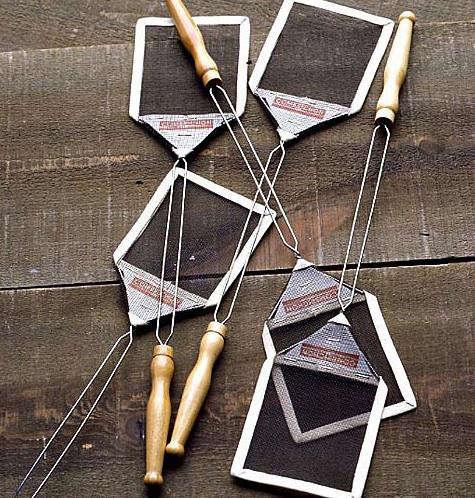
An old-fashioned fly swatter is a manual tool used to kill or remove flies and other small flying pests inside or around the home. Traditionally, it has a long handle and a flat paddle made of woven screen, perforated rubber, plastic, leather, or thin metal. The design is simple on purpose. The handle gives you reach. The flat striking head gives you a wide target area. The holes or mesh help reduce air resistance so the fly gets less warning before impact. In other words, it is a tiny lesson in practical design disguised as a housekeeping tool.
Classic models tend to feel familiar the second you pick one up. They are light, flexible, and meant to be used quickly. Unlike sprays, they do not leave behind fumes. Unlike electric bug zappers, they do not crackle like a villain’s laboratory. Unlike baited traps, they do not sit there smelling suspicious while pretending to be discreet. The old-fashioned fly swatter is active control. You see a fly, you act, and the matter is settled with all the ceremony of a newspaper headline.
The History Behind the Swat
From public-health problem to household staple
The story of the modern fly swatter is closely linked to early twentieth-century public-health efforts in the United States. Back then, flies were widely associated with filth, waste, and disease transmission. Before modern sanitation systems, refrigeration, and food-safety routines became common, keeping flies away from kitchens, porches, barns, and markets was a much bigger deal than many people realize today.
In Kansas, public-health reformer Dr. Samuel J. Crumbine helped popularize the anti-fly message with the memorable slogan “Swat the Fly.” The phrase stuck because it was catchy, direct, and impossible to misunderstand. Around that same period, simple fly-killing devices made from screen attached to sticks began to circulate. What started as a practical response to a sanitation problem soon became a common household tool.
That origin matters because it explains why the fly swatter has always been more than a random kitchen gadget. It was born from a blend of public health, common sense, and plain old annoyance. Americans did not adopt it because it was elegant. They adopted it because it was useful. Honestly, that may be the most American origin story possible.
Why the Old-Fashioned Fly Swatter Still Works
The old-fashioned fly swatter survives because it solves a very specific problem better than many “modern” replacements. When you have one or two flies inside the house, you usually do not need a fogger, a chemical treatment plan, or a machine that looks like it belongs on a spaceship. You need speed, reach, and precision. That is where the swatter shines.
Its biggest advantages
- It is inexpensive. A basic swatter costs very little and can last a long time.
- It is chemical-free. There is no spray residue, no heavy scent, and no need to ventilate the room afterward.
- It works immediately. There is no waiting period, setup, baiting, or charging.
- It is targeted. You are dealing with the exact insect you can see, not broadcasting chemicals around the room.
- It is low maintenance. Clean it when needed, hang it up, and it is ready for the next mission.
For occasional indoor flies, that combination is hard to beat. A swatter is not meant to solve a serious infestation by itself, but it is excellent for quick, visible control. It is the household equivalent of a firm handshake: simple, effective, and free of unnecessary drama.
Why Flies Were Taken So Seriously
Part of understanding the old-fashioned fly swatter is understanding the insect it was built to defeat. Houseflies are not just annoying because they buzz around lamps and land on fruit. They are associated with garbage, animal waste, decaying organic material, and other breeding sites most people do not exactly want near their dinner plates. That is why sanitation experts and extension services still stress cleanup, screens, and source removal as the first line of defense.
Flies reproduce quickly under the right conditions, especially in warm weather. If trash areas, manure, rotting yard waste, dead animals, or damp organic matter are left unmanaged, flies can multiply faster than your patience can keep up. That is why a fly swatter works best as part of a broader household strategy. It handles the visible adults, but prevention starts with the environment that attracted them in the first place.
So yes, the old-fashioned fly swatter is satisfying, but it is not magic. If ten more flies show up right after you swat one, the real problem is probably outside by the trash can, compost pile, pet-waste area, or a door that never quite closes properly.
How to Use an Old-Fashioned Fly Swatter Effectively
Timing matters
Flies are fast, but they are not invincible. The best time to swat is often when a fly has landed and gone still for a moment on a wall, window, or floor. Wild swinging through the air usually turns you into a frustrated action hero in a bad sequel. Calm, quick, controlled movements work better.
Aim with purpose, not rage
Most people miss because they telegraph the strike too early or swing too hard. A shorter, sharper motion usually works better than a giant overhead smash worthy of a tennis final. Approach steadily, keep your shadow from falling directly over the insect if possible, and strike cleanly.
Know where not to swat
This is important: do not swat flies near exposed food, dish racks, cutting boards, or food-prep surfaces. Smacking an insect there can scatter insect fragments and contamination where you really do not want them. In those settings, it is better to remove the fly another way, clean the area thoroughly, and focus on prevention.
How It Compares to Other Fly-Control Methods
Fly swatter vs. aerosol sprays
Sprays can knock down flies, but they also introduce chemicals into indoor spaces. For a single fly in the living room, that can feel like bringing a fire truck to blow out a birthday candle. A swatter is usually simpler and cleaner.
Fly swatter vs. sticky traps
Sticky traps can help monitor or reduce indoor flies, especially when numbers rise, but they are passive and not exactly decorative. Very few people have ever said, “You know what really completes this breakfast nook? Adhesive insect ribbons.” A fly swatter is faster and less depressing to look at.
Fly swatter vs. bug zappers
Electric zappers have their place, but indoors they can be noisy, messy, and not ideal around food areas. They also tend to feel like overkill when the issue is one stubborn fly doing circles around a lamp. The old-fashioned fly swatter handles small-scale problems with less chaos.
How to Swat Less Often: Prevention Tips
If you love the old-fashioned fly swatter, the best compliment you can give it is to make its job easier. Prevention matters.
- Use tight-fitting lids on indoor and outdoor trash cans.
- Clean garbage cans regularly to reduce odor and residue.
- Remove pet waste promptly.
- Keep compost managed and covered appropriately.
- Repair damaged window and door screens.
- Use door sweeps, weather stripping, or closers where needed.
- Clean up spilled food, sugary drinks, and grease quickly.
- Check for hidden breeding sources, including damp organic debris or a dead rodent in a wall or attic space.
That last one is unpleasant, but reality rarely asks permission before being disgusting. If you suddenly have many blow flies or flesh flies indoors, a hidden carcass or similar source may be the issue. In those cases, swatting helps with the adults you see, but source removal is what actually fixes the problem.
What to Look for When Buying an Old-Fashioned Fly Swatter
Not all swatters are created equal. Some feel sturdy and balanced. Others feel like they would lose a fight with a strong breeze.
Features worth noticing
- Handle length: Longer handles give better reach for ceilings, windows, and high corners.
- Head flexibility: A slight bend can help absorb impact and improve contact.
- Material: Rubber and plastic are common today, while vintage styles may use metal wire or woven mesh.
- Grip comfort: A textured or shaped handle helps with quick control.
- Storage: A hanging hole is surprisingly useful when you want it nearby but not on the counter like a tiny tennis racket of doom.
If you are buying for style as well as function, some people still prefer the look of vintage-inspired swatters with wire handles and classic paddles. They have a nostalgic charm that modern plastic versions cannot quite copy. They say, “Yes, I do handle my household pests, and yes, I also appreciate old-school design.”
Cleaning, Care, and Replacement
Cleaning a fly swatter is not glamorous, but neither is sharing your home with flies, so here we are. Wash the striking surface occasionally with warm water and mild soap, especially after repeated use. Let it dry completely before hanging it back up. If the head becomes cracked, warped, sticky, or loose, replace it. This is not a family heirloom unless your family is unusually committed to pest-control memorabilia.
Store it somewhere handy but sensible. A hook in the pantry, laundry room, mudroom, or utility closet works well. Keeping it close to doors and windows makes sense, since those are common fly entry points. Keeping it next to the fruit bowl like a decorative centerpiece does not.
Why the Old-Fashioned Fly Swatter Endures
The old-fashioned fly swatter has lasted because it matches a timeless household truth: small problems often deserve simple tools. It is not flashy. It is not trendy. It has never been rebranded as a “personalized manual insect engagement device,” and for that we should all be grateful.
Its appeal is practical, but it is also emotional. The fly swatter belongs to a world of porches, screen doors, summer kitchens, back steps, and households that solved annoyances with whatever worked. It feels familiar because it is familiar. It reminds people of grandparents, old farmhouses, hot afternoons, and the universal human experience of losing patience with one insect that simply refuses to understand boundaries.
In a funny way, the old-fashioned fly swatter also represents restraint. It is targeted rather than excessive. It is direct rather than theatrical. It asks you to deal with the specific problem in front of you and then move on with your day. There is wisdom in that. Also, there is satisfaction in finally catching the fly that spent twenty minutes behaving like it paid rent.
Common Experiences with an Old-Fashioned Fly Swatter
For many people, the old-fashioned fly swatter is wrapped up in memory as much as function. It belongs to the sensory world of warm kitchens, open windows, screen doors slapping shut, and the low afternoon hum of summer. You can almost picture it hanging on a nail near the back door, ready for duty, never polished, never admired, but always exactly where it needed to be. It was one of those objects adults reached for without thinking, the same way they reached for potholders, clothespins, or a flashlight during a power outage.
A lot of people remember the sound first. Not the fly, but the swat. That quick snap against a wall, a windowsill, or the edge of a porch post. Then came the glance of inspection, as if the household had just completed a tiny quality-control procedure. If the fly escaped, the mood changed instantly. Now it was personal. Suddenly everyone in the room became emotionally invested in the outcome, including the one family member who claimed not to care but kept tracking the fly with Olympic focus.
There is also something deeply familiar about the choreography of a fly swatter in use. One person spots the fly. Another person gives entirely unhelpful directions like, “No, no, to your left. Other left. Now it moved.” Someone opens a door. Someone else suggests waiting until it lands. A child watches this unfold like it is a suspense thriller with very low stakes but surprisingly high drama. Then comes the strike, followed by either triumph or the universal sentence: “How is it still alive?”
In older homes, especially in rural areas, the fly swatter was not an occasional novelty. It was part of summer life. When doors opened often, when groceries came in through side entrances, when pets wandered in and out, and when porches blurred the line between indoors and outdoors, flies were simply part of the season. The swatter was a practical answer to a practical problem. Nobody needed an instruction manual. You learned by watching. You learned where flies liked to rest, how to move quietly, and how not to knock over a lamp in the process.
There is even a small, almost comic dignity to the old-fashioned fly swatter. It has never tried to become glamorous. It has never been the star of the room. And yet, when one loud, determined fly starts orbiting dinner, the humble swatter suddenly becomes the most important object in the house. That kind of rise to power is impressive.
Today, the experience is slightly different but still recognizable. Maybe the setting is a modern apartment instead of a farmhouse kitchen. Maybe the handle is bright plastic instead of wire and screen. Maybe there is an electric gadget in the drawer nearby that claims to be more advanced. But when a single fly gets bold and starts landing on the fruit, the old-fashioned fly swatter still feels like the most satisfying answer. It is immediate. It is physical. It resolves the conflict in real time.
That may be why people keep one around even when they have other options. Not because it is nostalgic alone, but because it still fits the rhythm of ordinary life. It is one of those rare household tools that connects generations through the same tiny victory: a buzz, a swat, a sigh of relief, and then back to whatever you were doing before the fly interrupted the peace treaty in your kitchen.