At first glance, the phrase “Pigeon Toe Ceramics Filtering Flasks” sounds like it wandered out of a science lab, bumped into a design studio, and decided to stay for coffee. It is part laboratory nostalgia, part handmade ceramic charm, and part proof that even a humble filtering flask can have a second life as a stylish home object. No safety goggles requiredunless you are aggressively arranging flowers.
Pigeon Toe Ceramics is known for handmade pottery and home textiles with a playful, modern spirit. The Portland, Oregon studio has built its reputation on useful objects that feel personal rather than mass-produced. The filtering flask design fits beautifully into that world. Inspired by vintage laboratory glassware, it takes the familiar shape of a scientific vessel and reimagines it as a decorative porcelain piece for the home.
This article explores what Pigeon Toe Ceramics Filtering Flasks are, why they appeal to design lovers, how they connect to real laboratory forms, and how to style, care for, and appreciate them. We will also get practical about one important point: these ceramic flasks are best understood as design objects, not as working vacuum filtration equipment. In other words, they are perfect for flowers, not for chemistry experiments in your kitchen while your cat supervises.
What Are Pigeon Toe Ceramics Filtering Flasks?
Pigeon Toe Ceramics Filtering Flasks are porcelain home décor pieces modeled after classic laboratory filtering flasks. Traditional filtering flasks, also called vacuum flasks, suction flasks, Büchner flasks, or side-arm flasks, are used in labs for rapid filtration of liquids. They typically have a conical body, a flat base, a narrow neck, and a side arm that connects to vacuum tubing.
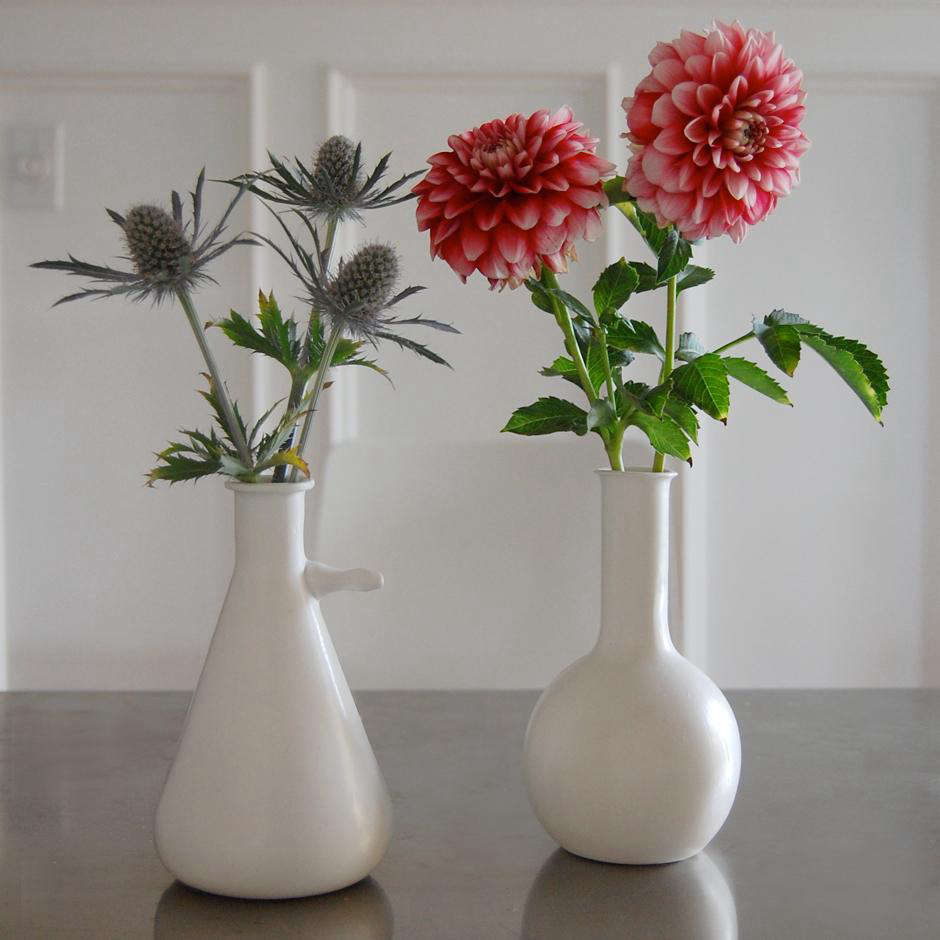
The Pigeon Toe version borrows that scientific silhouette but changes the purpose completely. Instead of functioning as heavy-wall lab glassware, it becomes a sculptural ceramic vessel. Earlier design references describe the piece as having an unglazed porcelain exterior with a glazed interior, sometimes offered with color options inside. That contrastsoft matte outside, glossy color withinis exactly the sort of detail that makes a simple vessel feel considered rather than ordinary.
The result is a small object with a surprising amount of personality. It looks smart on a shelf, elegant on a table, and slightly mysterious on a mantel. Guests may ask, “Is that from a lab?” You can say yes, spiritually. Then you can offer them tea like a civilized person.
The Story Behind Pigeon Toe Ceramics
Pigeon Toe Ceramics began in Portland, Oregon, a city that has long celebrated independent makers, small-batch design, craft markets, and objects with a human fingerprint. The brand’s work often blends utility with whimsy. Bowls, cups, trays, lighting, textiles, and decorative accessories carry the same general idea: everyday things do not have to be boring just because they are useful.
The filtering flask sits comfortably within that creative approach. It does not scream for attention. It does not sparkle, spin, or demand its own Instagram accountalthough it photographs well enough to deserve one. Instead, it quietly transforms an industrial shape into something warm, handmade, and home-friendly.
Many Pigeon Toe pieces feel modern without becoming cold. That is a difficult balance. Minimalist objects can sometimes look like they were designed by a very stylish refrigerator. Pigeon Toe’s ceramics avoid that problem by keeping traces of craft visible: the porcelain body, the glaze, the scale, and the small variations that remind you a human hand was involved.
Why Laboratory-Inspired Décor Works So Well
Laboratory-inspired home décor has a special kind of appeal. Beakers, test tubes, volumetric flasks, and filtering flasks all have shapes that were originally designed for function. Because they were created to solve practical problems, their proportions tend to be clean and efficient. When moved into a home setting, those same shapes feel fresh, precise, and a little unexpected.
It Combines Order and Imagination
A filtering flask has a recognizable form: a broad base, a tapering neck, and a small side tube. In a lab, every part has a purpose. In the home, the same parts become visual punctuation. The side arm is especially charming because it makes the flask look like it is about to whisper a secret. Or complain about your overwatered pothos.
It Feels Vintage Without Feeling Dusty
Vintage laboratory glass has an old-school academic romance to it. It suggests curiosity, experiments, notebooks, and the wonderful confidence of people who label everything. When translated into porcelain, that laboratory reference becomes softer and more domestic. It is less “chemical storage cabinet” and more “thoughtful shelf object with excellent bone structure.”
It Works With Many Interior Styles
Pigeon Toe Ceramics Filtering Flasks can fit into several décor styles, including modern farmhouse, Scandinavian minimalism, Portland-style eclectic interiors, cottage-inspired spaces, and clean contemporary rooms. Their neutral porcelain surface makes them flexible, while the unusual flask form keeps them from fading into the background.
Filtering Flask vs. Decorative Ceramic Flask
It is important to separate the design inspiration from actual laboratory function. A true filtering flask is built to withstand vacuum pressure. It is often made from thick borosilicate glass, with strong walls, a side arm for tubing, and compatibility with rubber stoppers and Büchner funnels. These flasks are manufactured according to technical requirements because vacuum filtration creates pressure differences that ordinary vessels may not safely handle.
A Pigeon Toe ceramic filtering flask, by contrast, should be treated as a decorative vessel unless the maker specifically states otherwise. Its beauty comes from the porcelain interpretation of the labware form, not from its ability to perform chemical filtration. This distinction matters. Using decorative ceramics for pressure, vacuum systems, or chemical processes would be unsafe and unfair to the object. It did not sign up for that drama.
Think of it this way: a ceramic filtering flask is like a charming actor playing a scientist in a movie. It looks the part beautifully, but you should not ask it to run the lab.
Design Features That Make the Flask Special
Porcelain Construction
Porcelain gives the filtering flask a refined appearance. It is smooth, dense, and visually clean. Unlike clear lab glass, porcelain has opacity and softness, which changes the entire mood of the form. The object becomes less technical and more tactile.
Unglazed Exterior
An unglazed porcelain exterior creates a matte surface that feels calm and understated. This kind of finish works well in modern interiors because it does not compete with other textures. Wood, linen, stone, brass, glass, and plants all pair nicely with matte white ceramic.
Glazed Interior
A glazed interior adds function and visual contrast. It can help protect the inside surface when used with water for flowers, while also giving the vessel a subtle flash of color or shine. That little interior surprise is part of the pleasure. It is like opening a plain envelope and finding a party invitation inside.
Scientific Shape
The flask shape is the star. The side arm makes it instantly different from a typical vase. The rounded base and narrow neck create a structure that looks balanced and thoughtful. Even empty, it has sculptural presence.
How to Use Pigeon Toe Ceramics Filtering Flasks at Home
The best thing about a decorative filtering flask is its versatility. It can be styled in polished, casual, or slightly quirky ways, depending on the room and the surrounding objects.
Use It as a Bud Vase
The easiest use is as a small vase. A single stem, a few wildflowers, or a delicate branch can look beautiful in the narrow neck. Because the shape is already interesting, you do not need a huge bouquet. In fact, overfilling it can hide the design. Let the flask breathe a little. It has cheekbones.
Style It on Open Shelving
Open kitchen shelves, bookcases, and wall ledges are ideal places for a ceramic filtering flask. Pair it with cookbooks, small bowls, framed art, or other handmade ceramics. The labware shape introduces variety among more familiar domestic objects.
Create a Desk Moment
A filtering flask can make a desk look more thoughtful without becoming cluttered. Use it to hold a small dried arrangement, a feather, or simply leave it empty. It adds personality while still feeling tidy.
Mix It With Real Glassware
For a collected look, place the porcelain flask near clear glass vases, recycled bottles, or vintage jars. The contrast between opaque ceramic and transparent glass creates depth. It also reinforces the laboratory inspiration without turning your living room into an accidental chemistry classroom.
Use It in a Minimalist Arrangement
If your style leans minimal, let the flask stand alone on a console table or bedside shelf. The sculptural form is strong enough to hold attention by itself. A single object, well placed, can be more powerful than a crowded vignette.
Who Will Love This Piece?
Pigeon Toe Ceramics Filtering Flasks appeal to several types of people. Design lovers appreciate the clever reinterpretation of a familiar industrial form. Ceramic collectors enjoy the handmade quality and porcelain finish. Science enthusiasts like the nod to lab culture. Plant and flower lovers see a useful small vase. Gift givers see something unique enough to avoid the dreaded “Oh, another candle” moment.
It is especially suitable for people who enjoy objects with a story. A plain vase can be lovely, but a flask-shaped ceramic vessel invites conversation. It has origin, reference, and humor. That combination makes it more memorable than generic décor.
Care Tips for Ceramic Filtering Flasks
Handmade porcelain should be treated with care, especially if the piece has an unglazed exterior. While porcelain is durable, matte surfaces can pick up marks more easily than glossy ones. Gentle handling will help keep the flask looking beautiful for years.
- Clean the exterior with a soft, slightly damp cloth.
- Avoid abrasive scrubbers, harsh cleaners, or bleach.
- If using it as a vase, change water regularly to prevent residue.
- Dry the piece fully before returning it to a shelf.
- Do not use it for vacuum filtration, chemical storage, or food preparation unless the maker specifically confirms it is safe for that use.
- Place it where it will not be easily knocked over by pets, children, or adults enthusiastically reaching for snacks.
Buying and Collecting Considerations
Because Pigeon Toe Ceramics Filtering Flasks are associated with earlier product archives and design features, availability may vary. Some pieces may appear through design shops, secondhand marketplaces, vintage décor listings, or collector resale. If you find one, examine the condition carefully. Look for chips, cracks, staining, glaze damage, or repairs.
Collectors should also consider authenticity and provenance. Original product listings, maker marks, shop receipts, or packaging can help confirm the piece’s background. However, handmade ceramics are often collected because they feel right, not because they come with a museum-level paperwork parade.
Price can depend on rarity, condition, color, and demand. Earlier references placed the filtering flask in an accessible gift range, but discontinued or hard-to-find handmade design pieces can change value over time. If the piece is no longer widely produced, its appeal may increase among fans of Pigeon Toe Ceramics and labware-inspired décor.
Why This Small Flask Has Lasting Appeal
The lasting appeal of Pigeon Toe Ceramics Filtering Flasks comes from the way they blur categories. They are not strictly vases, not strictly sculptures, and certainly not working lab equipment. They sit somewhere between design, craft, memory, and function.
That category-blending quality is exactly what makes them interesting. A home filled only with predictable objects can feel flat. A few pieces with unusual origins or unexpected shapes bring energy into a room. The filtering flask does that without shouting. It is quietly clever, which is often the best kind of clever.
It also reflects a larger design trend: taking technical, industrial, or scientific forms and giving them warmth through handmade materials. A porcelain filtering flask keeps the intelligence of the lab shape but replaces the cold precision of glass with the softness of ceramic craft.
Experience: Living With Pigeon Toe Ceramics Filtering Flasks
The first experience many people have with a Pigeon Toe Ceramics Filtering Flask is simple curiosity. It does not look like a standard vase, and that is the whole point. Place it on a shelf and watch what happens. Someone will eventually lean closer and ask, “What is that?” This is when the flask earns its keep. It starts a conversation without trying too hard.
In daily use, the piece works best when you avoid overcomplicating it. A single eucalyptus stem, one ranunculus, a tiny branch of dried lavender, or a few clipped herbs can look surprisingly elegant. The narrow neck naturally encourages restraint. This is helpful for anyone who has ever turned a small vase into a crowded floral traffic jam. With this flask, less really is more.
On a kitchen shelf, the filtering flask can soften the hard lines of plates, mugs, and storage jars. Its side arm gives the arrangement a little movement, almost like the object is gesturing toward the rest of the room. On a desk, it brings a creative-studio feeling, especially beside pencils, notebooks, and a small lamp. It says, “I am organized, but I also know where the good coffee is.”
One of the most enjoyable ways to use it is as part of a rotating seasonal display. In spring, it can hold fresh blossoms. In summer, it can carry a bright green clipping from the garden. In fall, a dried grass stem or small branch gives it a warm, natural look. In winter, it can stand empty beside candles, pinecones, or white ceramics and still feel complete.
The unglazed exterior also changes how you interact with it. Glossy ceramics often feel finished in a formal way, while matte porcelain feels quieter and more intimate. You notice the surface when you pick it up. You become more careful. That kind of attention is part of the value of handmade objects. They slow you down just enough to appreciate them.
There is also a pleasant humor in using a science-inspired flask for flowers. It turns the idea of “experimenting at home” into something gentle and decorative. No formulas, no fumes, no mysterious bubbling substancejust a small porcelain vessel making your shelf look smarter. For people who love design with a wink, that is hard to resist.
The main lesson from living with a piece like this is that small objects can have a big effect when they are distinctive. You do not need a giant statement sculpture or a dramatic room makeover. Sometimes one well-made ceramic flask can change the mood of a corner, add charm to a table, or make a bookshelf feel curated rather than merely occupied.
Pigeon Toe Ceramics Filtering Flasks are especially rewarding because they carry both beauty and reference. They remind us that good design can come from anywhereeven from the practical shapes of laboratory equipment. When craft transforms those shapes into something domestic, the result feels familiar and new at the same time. That is the sweet spot where memorable home décor lives.
Conclusion
Pigeon Toe Ceramics Filtering Flasks are more than attractive ceramic vessels. They are clever reinterpretations of laboratory forms, blending porcelain craft, modern design, and a sense of playful intelligence. Their scientific silhouette gives them structure, while their handmade finish gives them warmth. Used as a bud vase, shelf accent, desk object, or collectible ceramic piece, they bring quiet character to a room.
The most important thing to remember is that these flasks are decorative, not laboratory-rated tools. Let real filtering flasks handle vacuum filtration. Let Pigeon Toe’s ceramic version handle flowers, compliments, and the occasional double take from houseguests. That division of labor seems fair to everyone involved.
Note: This article is original, publication-ready content based on publicly available information about Pigeon Toe Ceramics, archived design references, and standard laboratory filtering flask knowledge. Source links have been intentionally omitted as requested.