Choosing a new roof is a little like choosing a car, except the car sits on top of your house, defends everything you own, and does not come with a test drive. That is exactly why many homeowners end up staring at shingle samples like they are trying to decode an ancient prophecy. The good news is that picking roofing with GAF gets a lot easier when you stop thinking in terms of “Which shingle looks nice?” and start asking the better question: “Which roof system fits my climate, my budget, my house style, and my long-term plans?”
GAF is one of the biggest names in residential roofing in the United States, and its lineup gives homeowners plenty of options, from popular architectural shingles to premium designer products and even solar roofing. But a smart roof choice is not just about the shingle itself. It is also about ventilation, leak protection, starter strips, ridge caps, underlayment, installation quality, and warranty eligibility. In other words, the roof is a team sport. If one player forgets to show up, the whole season gets weird.
This guide breaks down how to pick roofing with GAF in a practical, homeowner-friendly way. We will look at product tiers, climate considerations, style choices, performance features, and the questions you should ask before signing a contract.
Why Homeowners Start with GAF
GAF is often on the shortlist because it offers a broad residential lineup that covers the most common homeowner priorities: curb appeal, wind performance, algae protection, impact resistance, system accessories, and enhanced warranty options through certified contractors. Its Timberline line is especially well known, which matters because many homeowners want something proven, widely installed, and easy for contractors to source.
That broad availability can be a real advantage. If you ever need matching materials for repairs or additions, working with a brand that has national reach can make life easier. It also means there is a deep bench of contractors familiar with GAF installation methods. Translation: fewer blank stares during the estimate appointment.
Start with the Big Four: Budget, Look, Climate, and Timeline
Before you compare shingles, figure out your priorities. Most roofing decisions come down to four things.
1. Budget
If your goal is dependable protection at a more approachable price point, the conversation usually starts with architectural shingles such as GAF Timberline HDZ. This is the kind of roof many homeowners choose when they want a solid balance of cost, appearance, and performance without moving into luxury territory.
If you are willing to spend more for upgraded appearance or tougher impact performance, you may look at products like Timberline UHDZ or certain designer shingles. Premium options are not just prettier. They can also bring thicker construction, stronger visual depth, or higher hail-resistance ratings depending on the product.
2. Look
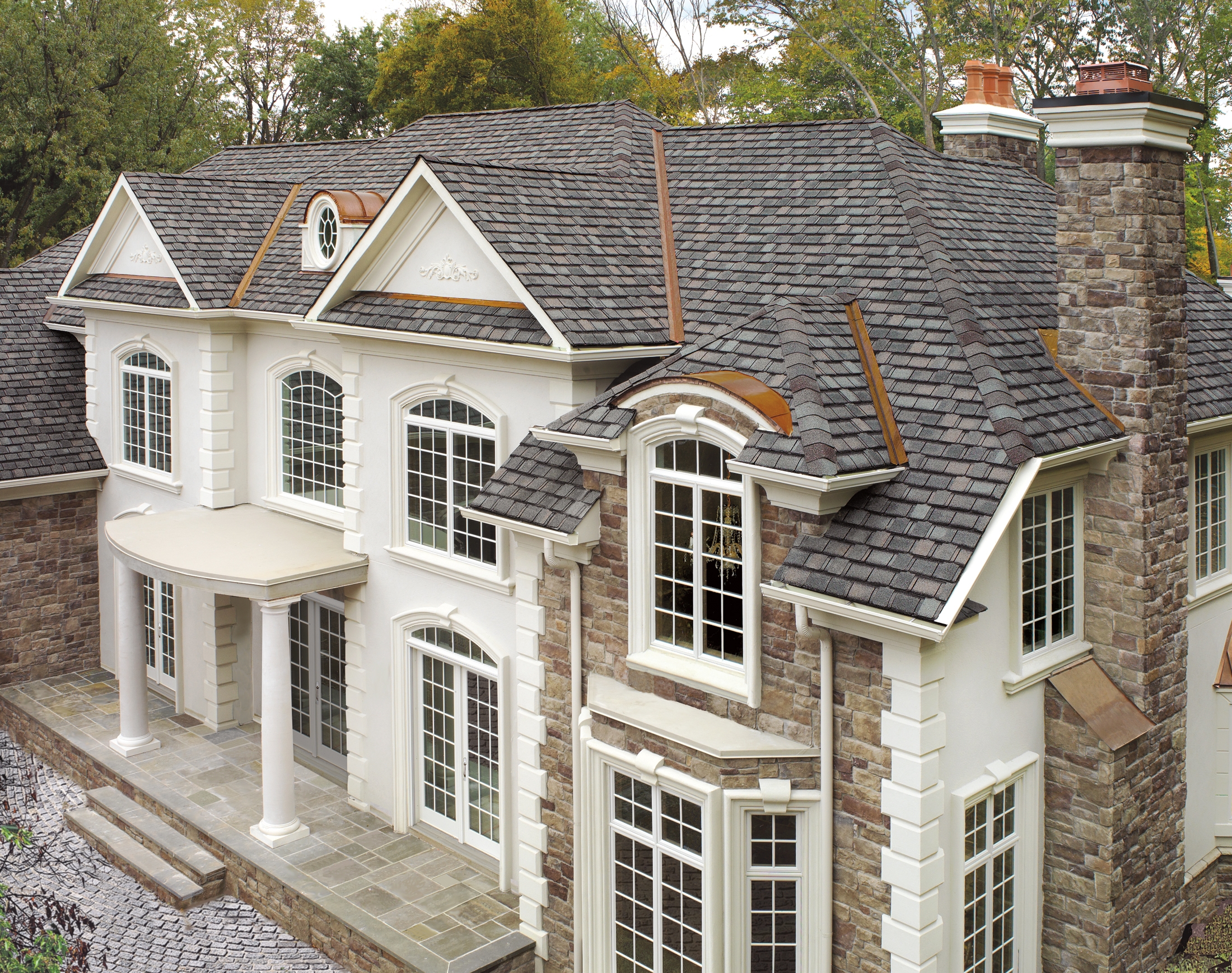
Your roof can quietly support your home’s style, or it can become the most confident thing on the block. GAF gives you both routes. Timberline shingles are popular because they offer dimensional architectural styling and a wide color range. If you want a more upscale visual effect, GAF’s designer lines, such as Camelot II or Grand Sequoia, can mimic the look of slate or wood shake more dramatically.
If your house is a classic suburban colonial, a clean architectural shingle may be the right fit. If you have a Tudor, cottage, craftsman, or upscale custom home, a designer profile may make the exterior feel far more intentional. A roof color that looks “fine” on a sample card can look completely different against your brick, siding, trim, and landscaping, so always review full-size samples and real homes when possible.
3. Climate
This is where smart homeowners separate themselves from impulse shoppers. The right GAF roof in Arizona may not be the right GAF roof in Florida, Texas, Colorado, or coastal New England.
In hot and sunny climates, lighter or more reflective roofing options can help reduce heat gain. In humid or coastal areas, algae protection matters more. In hail-prone regions, impact resistance becomes a serious consideration. In areas with strong storms, you will want to pay closer attention to wind-related ratings, installation methods, and the complete roofing system, not just the shingles.
4. Timeline
Are you replacing a roof because it is actively failing, because you are planning to sell, or because you want one roof to carry you through the next few decades? Your timeline affects your choice. If you are staying in the house long term, it often makes sense to invest in better materials, better system components, and stronger contractor qualifications. If you are on a tighter horizon, you may prioritize broad curb appeal and dependable value.
Understanding the Main GAF Residential Options
Timberline HDZ: The Crowd Favorite
For many homeowners, Timberline HDZ is the practical sweet spot. It is widely used, visually versatile, and designed to deliver the dimensional look people expect from modern asphalt shingles. It also features GAF technologies tied to installation ease and wind-related performance, making it a common recommendation when homeowners want reliability without turning the roof into a luxury purchase.
This is a strong choice if you want a roof that looks upgraded from basic shingles but still fits the mainstream residential budget. It is especially appealing for homeowners who care about resale value and broad neighborhood appeal.
Timberline UHDZ: For Homeowners Wanting More Muscle and More Drama
If Timberline HDZ is the dependable daily driver, Timberline UHDZ is the version with nicer wheels and stronger game-day confidence. It is positioned as a more premium laminate shingle and, in the UltraMat configuration, can achieve a UL 2218 Class 4 impact-resistance rating, which is a major point for homeowners in hail-prone regions.
It also brings a more pronounced dimensional look. So if you want a roof that works hard and looks expensive doing it, this is the lane to explore.
Designer Shingles: When the Roof Is Part of the Architecture
Some homes do not want a roof that politely blends in. They want a roof with presence. GAF’s designer options, including lines like Camelot II and Grand Sequoia, are built for homeowners who want richer texture, bolder shadow lines, and materials that visually echo slate or wood shake.
These products are often worth considering when the home itself has strong architectural character. On the right house, the roof stops being background and becomes part of the design story.
Timberline Solar: For the “I Need a New Roof Anyway” Crowd
If solar is part of your long-term plan, GAF also offers Timberline Solar options that integrate solar energy production into the roofing system. This is not the right fit for every homeowner, but it can make sense when you are already replacing the roof and want one coordinated project instead of treating roofing and solar as separate adventures.
It is best considered early in the planning process, because solar affects layout, electrical planning, budget, and contractor coordination.
Do Not Pick a Shingle Without Picking the System
One of the smartest things GAF has done is make homeowners think in terms of a roofing system, not a pile of shingles. That matters because many performance and warranty benefits depend on using qualifying accessories together.
A complete GAF roofing system can include:
- Shingles
- Starter strip shingles
- Roof deck protection
- Leak barrier
- Ridge cap shingles
- Attic ventilation products
Why does this matter? Because the roof usually fails at the seams, edges, transitions, and weak details before the field shingles become the main problem. Starter strips help reduce the risk of edge blow-offs. Roof deck protection adds a moisture-shedding layer under the shingles. Leak barriers help in vulnerable areas such as eaves, valleys, and around penetrations. Ridge caps finish the top of the roof properly. Ventilation helps manage heat and moisture.
That is the difference between “I bought shingles” and “I bought a roofing system.” One is a purchase. The other is a strategy.
Ventilation: The Least Glamorous Part of Roofing and One of the Most Important
No homeowner has ever thrown a party because they got balanced attic ventilation, but maybe they should. Proper ventilation plays a big role in roof performance and attic health. GAF and federal energy guidance both emphasize the value of balanced intake and exhaust airflow. As a general rule, the common 1:300 guideline means a minimum amount of net free ventilation area, evenly split between intake and exhaust, may be recommended depending on the home and code conditions.
In plain English, your attic needs to breathe. If it cannot, heat and moisture can build up, which may contribute to energy waste, material stress, and moisture-related problems. Ridge vents paired with effective intake ventilation are often part of the solution. On homes with difficult roof geometry or limited soffits, specialized intake products may also come into play.
This is why a roof estimate that talks only about shingles but not ventilation should make you raise an eyebrow. Maybe both eyebrows.
How Climate Should Shape Your GAF Choice
Hot and Sunny Regions
If you live in a hot climate, roof color and solar reflectance can matter. Cool-roof principles can help reduce how much solar heat the roof absorbs, which may lower cooling demand. That does not automatically mean every home should get the lightest roof possible, but it does mean you should discuss color, attic ventilation, insulation, and energy goals together instead of treating them as separate issues.
Humid or Coastal Areas
In damp environments, algae staining can become a cosmetic headache. GAF offers algae-fighting technologies and limited warranties on qualifying products, which can be especially useful in places where black streaks tend to show up fast and ruin your curb appeal before your landscaping even gets a chance.
Hail-Prone Regions
If your neighborhood gets pelted by hail often enough that weather apps feel like threat letters, impact resistance should move up your list. Products with stronger impact-resistance classifications, including certain GAF offerings with Class 4 ratings, deserve a serious look. This can also matter for insurance conversations in some markets.
High-Wind Areas
Storm-prone areas call for extra attention to wind-related performance, proper starter strips, sealing, and the use of compatible system components. A roof’s storm resilience is not just a product story. It is an installation story too. Even a good shingle can underperform if the system is incomplete or poorly installed.
Warranty Talk: Read the Fine Print Before the Fine Print Reads You
GAF offers different warranty levels, including enhanced options available through certified contractors. In general, the more complete and qualified the installation, the more robust your warranty path may be. Homeowners should ask which warranties are available for the specific proposal, what accessories are required, and which contractor certifications unlock which coverage tiers.
Do not assume every roofer can offer every GAF warranty. They cannot. Some enhanced warranties are available only through specific tiers of GAF-certified contractors. That is not a gimmick. It is part of how the manufacturer ties product confidence to installation quality.
When comparing estimates, ask for the warranty names in writing, not just vague statements like “full coverage” or “great warranty.” Roofing sales language can get very poetic very quickly.
How to Compare Roofing Bids Without Losing Your Mind
When you gather proposals, compare them using the same checklist:
- Exact GAF shingle line and color
- Starter strip included or not
- Roof deck protection type
- Leak barrier locations
- Ridge cap product
- Ventilation work included or not
- Flashing replacement details
- Tear-off scope
- Contractor certification level
- Warranty being offered
The cheapest estimate is often the estimate that forgot to mention half the roof. You are not just comparing price. You are comparing scope, durability, and future headaches.
Real-World Experiences Picking Roofing with GAF
Homeowners usually do not begin the roofing process in a calm, philosophical mood. More often, they begin after spotting granules in the gutter, a ceiling stain in the hallway, or a neighbor casually saying, “Did you know your roof looks tired?” Nothing accelerates decision-making like a passive-aggressive comment from across the street.
One common experience is the budget-first homeowner with a standard suburban home. They want something better than a basic replacement, but they do not want to overbuild for the neighborhood. In that situation, GAF Timberline HDZ often feels like the sensible choice. It looks upgraded, comes in enough colors to work with most exteriors, and fits the kind of resale-conscious decision many families make. These homeowners usually say the biggest surprise is not the shingle choice. It is learning how much the accessories and ventilation matter once they see the proposals side by side.
Another familiar story comes from hail-prone areas. Homeowners who have gone through repeated storm claims tend to shop differently. They ask better questions. They want to know about impact ratings, insurance implications, and whether paying more now could reduce frustration later. For them, moving up to a stronger GAF option such as Timberline UHDZ or another impact-focused product can feel less like a splurge and more like emotional self-defense.
Then there is the style-driven homeowner, often with a brick home, historic-looking exterior, or custom build that deserves more than a flat-looking roof. These are the people who stand in the driveway, hold up samples, walk across the street, come back, and then repeat the process with different sunglasses because lighting changes everything. They tend to appreciate GAF’s designer lines because the roof becomes part of the home’s architecture, not just a protective lid.
There are also homeowners in hot climates who begin by shopping for color and end up having a much bigger conversation about attic heat, ventilation, and energy use. Their experience often shifts from “Which shingle looks best?” to “Which roof system helps my house perform better?” That change in mindset usually leads to smarter choices and fewer regrets.
Perhaps the most useful lesson across all these experiences is simple: the happiest homeowners are rarely the ones who chose the flashiest brochure. They are the ones who understood what they were buying, chose a contractor who explained the full system clearly, and matched the roof to the realities of their home. Picking roofing with GAF works best when the decision is not rushed, not based on one sample board under bad showroom lighting, and not reduced to the cheapest line item. A roof is a long game, and the best experiences usually come from treating it that way.
Final Thoughts
Picking roofing with GAF is easier when you focus on the full picture. Start with your budget, the style of your home, your local climate, and how long you plan to stay in the property. Then compare GAF products not just by appearance, but by impact resistance, algae protection, ventilation strategy, accessory compatibility, and warranty options.
For many homes, Timberline HDZ will be the sensible answer. For tougher weather or a more premium look, Timberline UHDZ or designer shingles may make better sense. If solar is already part of your plan, that conversation should happen before the roofing contract is finalized. Above all, remember that a great roof is not just a shingle. It is a system, installed well, by a contractor who knows exactly how all the pieces work together.
That may not sound glamorous. But when the next storm rolls in and your roof does its job without drama, glamour will suddenly seem overrated.
SEO Tags
Note: This article is written in clean publish-ready HTML, uses standard American English, and intentionally removes unnecessary inline source markers for web publishing.