Some home pieces quietly do their job. A lamp glows, a chair supports, a side table holds your coffee and tries not to judge your coaster habits. Then there are pieces that walk into a roommetaphorically, thank goodnessand announce, “Yes, the floor can have a personality too.” Quilted hide rugs from Horne belong firmly in that second group.
With their stitched geometry, natural texture, and modern design attitude, quilted hide rugs offer a polished alternative to the classic free-form cowhide rug. They still bring warmth, movement, and organic character, but the patchwork construction makes them feel more tailored, architectural, and surprisingly versatile. In other words, they are not just rugs. They are floor art with excellent manners.
The title “Walls, Windows & Floors” is fitting because these rugs do more than soften a room underfoot. They influence the way walls feel, how windows frame light, and how floors connect furniture into one intentional design story. Whether you love Scandinavian minimalism, midcentury modern interiors, rustic-luxe rooms, or clean contemporary spaces, a quilted hide rug can give your home a dose of texture without making it look like a movie set for a cowboy who discovered Italian lighting.
What Are Quilted Hide Rugs?
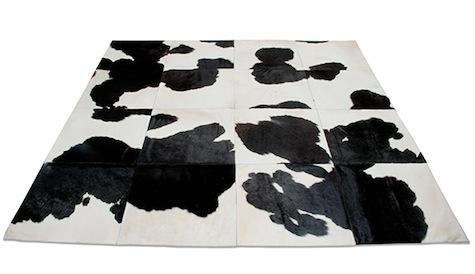
Quilted hide rugs are made from pieces of natural hideoften cowhidethat are cut, arranged, stitched together, and backed to create a finished rug. Unlike a traditional single-hide rug, which keeps the irregular shape of the animal hide, a quilted or patchwork hide rug typically has a more structured shape, such as a rectangle or square. This makes it easier to place beneath a sofa, dining table, bed, desk, or entryway console.
The effect is both organic and orderly. The hide itself offers natural variation in color, hair direction, sheen, and pattern. The stitched grid, however, gives the rug a deliberate rhythm. Think of it as nature wearing a tailored blazer.
The Horne Connection
Horne has long been known for curating modern furniture, lighting, rugs, and home accessories with a design-forward point of view. In its rug collections, Horne has featured cowhide and quilted cowhide options from makers such as Yerra and Saddlemans. The widely discussed Yerra Cuadrado Cowhide Rug from Horne, for example, was noted for its 12-inch-by-12-inch stitched pieces, Argentine cowhide, rectangular format, light cushioning, and easy-clean qualities.
Today, Horne’s rug selection continues to highlight modern materials and thoughtful design. Its current rug category includes textures ranging from cowhide to wool, with guidance that encourages buyers to consider traffic, lifestyle, scale, and layering. Horne’s Saddlemans collection also emphasizes hair-on-hide rugs and quilted cowhide rugs, including hides sourced from Brazil and selected from tanneries described as using sustainable procedures.
Why Quilted Hide Rugs Feel So Modern
Cowhide rugs have been around for a long time, but the quilted hide rug gives the look a sharper, more urban update. The clean edges make it easier to use in modern spaces. The patchwork layout adds visual order. The natural hide keeps everything from feeling too sterile.
That balance matters. Many contemporary interiors rely on straight lines: rectangular sofas, square coffee tables, clean cabinetry, long windows, flat walls, and crisp flooring. Without texture, a room can start to feel like a stylish waiting area where nobody is emotionally allowed to own snacks. A quilted hide rug breaks that tension. It introduces movement, softness, and subtle pattern while still respecting a clean design scheme.
Texture Without Chaos
One of the biggest advantages of quilted hide is that it offers texture without clutter. Patterned rugs can be beautiful, but they can also compete with art, upholstery, wood grain, tile, or wallpaper. A hide rug has natural variation, yet its palette is often grounded in neutrals: black, white, brown, tan, cream, gray, caramel, or espresso. That makes it easy to use as a “quiet statement.” It says something, but it does not yell over your sofa.
Natural Shine and Direction
Hair-on-hide has a subtle sheen that changes with light and viewing angle. In a quilted rug, the individual squares may be arranged so the hair direction creates tonal shifts. This means the rug can look slightly different throughout the day. Morning light may make it appear softer and warmer; evening light may emphasize contrast and geometry. That is a nice design bonus for anyone who enjoys a home that changes moods without needing a complete furniture intervention.
Best Rooms for a Quilted Hide Rug
A quilted hide rug can work in many areas of the home, but placement matters. Because hide is naturally tactile and visually interesting, it performs best where it can be seen, touched, and appreciated.
Living Room
The living room is the most obvious place for a quilted hide rug. Use a large rectangular version to anchor the seating area, ideally with at least the front legs of the sofa and chairs resting on the rug. This makes the furniture arrangement feel connected rather than scattered. A black-and-white Holstein-style rug can bring graphic punch, while a solid tan, brown, gray, or cream version feels calmer and more contemporary.
For a softer look, layer the hide rug over a larger natural fiber rug such as jute, sisal, or flatwoven wool. The base rug gives scale; the hide adds personality. It is the interior design version of putting a leather jacket over a white T-shirtsimple, effective, and somehow always cool.
Dining Room
A rectangular quilted hide rug can work beautifully under a dining table because its shape is easier to align than an irregular cowhide. Choose a size that allows chairs to remain on the rug when pulled out. This prevents that awkward chair-leg cliffhanger where half the chair is on the rug and half is on the floor, silently threatening everyone’s balance.
Hide rugs can be practical in dining spaces because they are relatively easy to maintain when spills are handled quickly. Still, avoid soaking the rug, and blot rather than scrub. If your dining room is home to toddlers, spaghetti night, or adults who gesture enthusiastically with red wine, consider a darker or more varied pattern.
Bedroom
In a bedroom, a quilted hide rug adds quiet luxury. Place a large rug beneath the lower two-thirds of the bed so it extends on both sides, or use two smaller hides as bedside landing pads. The texture feels especially appealing in rooms with linen bedding, wood nightstands, plaster walls, or simple modern lighting.
For a calm bedroom palette, choose soft gray, taupe, ivory, or warm brown. These shades support a restful mood while still adding visual interest. If your bedroom already has bold wallpaper or colorful textiles, a more uniform hide rug can act as a grounding layer.
Entryway
A quilted hide rug in an entryway creates an immediate design moment. It tells guests, “This home has taste,” before they even decide whether to remove their shoes. Because entries can see heavy foot traffic, choose a durable piece and rotate it occasionally to encourage even wear.
However, avoid placing a hide rug where it will be constantly soaked by rain, snow, or muddy boots. Hide can handle life, but it is not a bath mat with ambition.
Home Office
A quilted hide rug can warm up a home office that might otherwise feel too technical. Pair it with a clean desk, ergonomic chair, bookcase, and task lamp. The rug adds character to video-call backgrounds and gives the room a more finished feeling. If your office chair has casters, use a protective mat or place the rug away from the rolling zone to prevent premature wear.
Walls, Windows & Floors: Designing Around the Rug
The best interiors feel connected from top to bottom. A quilted hide rug may sit on the floor, but it influences the entire room. Here is how to design around it thoughtfully.
Walls: Keep the Backdrop Calm or Purposeful
If the rug has strong contrast, such as black-and-white hide, keep walls relatively calm. White, warm beige, mushroom, soft gray, clay, or muted olive can all work well. Art should complement the rug rather than compete with it. Large abstract pieces, black-and-white photography, or simple framed textiles can echo the rug’s graphic quality.
If the rug is a solid or low-contrast color, you have more freedom. A gallery wall, limewash finish, or bold accent wall can work beautifully because the rug brings texture rather than heavy pattern.
Windows: Let Natural Light Show the Texture
Natural light is one of the best friends of hair-on-hide. It reveals sheen, direction, and depth. If you have large windows, position the rug where light can graze across it. The effect can be subtle but rich, especially in rooms with wood floors.
That said, avoid prolonged harsh direct sunlight if you want to reduce fading over time. Window treatments such as linen curtains, solar shades, or woven blinds can filter light while keeping the room bright. The goal is glow, not rug tanning salon.
Floors: Contrast Is Your Friend
Quilted hide rugs look particularly striking on hardwood, polished concrete, stone, and large-format tile. The contrast between the hide’s softness and the floor’s hard surface makes the rug feel intentional. On dark wood floors, a lighter hide can brighten the room. On pale oak or concrete, a darker hide can create definition.
If your floor already has a busy pattern, such as strong marble veining or decorative tile, choose a quieter hide rug. If your floor is plain, feel free to go bolder with pattern and contrast.
How to Style a Quilted Hide Rug Without Going Too Western
Cowhide can drift into ranch territory if paired with too many obvious Western elements. There is nothing wrong with Western style, but if your goal is modern, edited, and sophisticated, use restraint.
Pair It With Modern Furniture
Clean-lined sofas, sculptural lounge chairs, slim metal tables, and minimalist shelving can make a hide rug feel elevated. The contrast between natural material and modern form is what keeps the space fresh.
Use a Neutral Palette
Black, white, camel, walnut, charcoal, cream, and brass are reliable partners. These colors let the hide shine without turning the room into a theme restaurant called “The Fancy Ranch.”
Mix Materials
Hide looks excellent with wood, linen, wool, leather, stone, metal, glass, and ceramic. The trick is to build a layered material story. For example, try a quilted hide rug with a walnut coffee table, boucle chair, linen curtains, black metal floor lamp, and ceramic vase. The result feels collected, not decorated in one frantic afternoon.
Avoid Too Many Animal Prints
One hide rug is a statement. A hide rug plus zebra pillows plus leopard curtains plus antler chandelier may begin to feel like the living room is applying for a safari permit. Keep animal-inspired patterns minimal and purposeful.
Cleaning and Caring for Quilted Hide Rugs
One reason hide rugs remain popular is that they are easier to care for than many people expect. Natural cowhide is durable and stain resistant, but it still needs proper maintenance.
Regular Maintenance
Vacuum the rug regularly using suction only. Avoid rotating brushes or beater bars, which can damage the hair. Move the vacuum in the direction of the hair rather than against it. You can also take the rug outside and shake it gently to remove dust and debris.
Spill Response
For spills, blot immediately with a clean cloth or paper towel. Do not rub aggressively, and do not soak the rug. For many small spills, a damp cloth may be enough. For stubborn spots, use a small amount of mild soap or gentle shampoo diluted with water, then wipe with a clean damp cloth and allow the area to air dry.
Grease and Oil
For grease stains, cornstarch can help absorb oil. Sprinkle it over the affected area, let it sit for several hours or overnight, then vacuum carefully. Repeat if needed.
Rotate for Even Wear
Rotate the rug occasionally, especially in high-traffic rooms. This helps distribute wear and keeps one side from aging faster than the rest. If the rug sits near strong sunlight, rotation can also help manage uneven fading.
What to Avoid
Do not machine wash a hide rug. Do not soak it. Do not use harsh chemicals. Do not attack it with a stiff brush like you are cleaning a grill grate. Hide is durable, but it is still a natural material and deserves a bit of respect.
How to Choose the Right Quilted Hide Rug from Horne
Before buying, think about size, color, pattern, room use, and maintenance expectations. A rug that looks stunning online should also work with your actual lifethe one with pets, kids, coffee, guests, deadlines, and the occasional mysterious crumb trail.
Choose the Right Size
For a living room, bigger is usually better. A rug that is too small can make furniture look disconnected. In a bedroom, make sure the rug extends beyond the sides of the bed. In a dining room, allow enough room for chairs to slide in and out while staying on the rug.
Pick a Pattern That Matches Your Energy Level
A high-contrast Holstein-style design feels bold, graphic, and playful. A solid brown, tan, gray, or cream rug feels more subtle. A patchwork layout with varied tones can hide wear and small marks better than a very pale solid rug.
Consider Ethical Preferences
Because real hide is an animal-derived material, it is not the right choice for everyone. Buyers who prefer not to use animal products can look for faux cowhide or other textured alternatives. If you do choose real hide, review the retailer’s sourcing information, tannery standards, and care recommendations before purchasing.
Why Designers Keep Returning to Hide Rugs
Hide rugs are polarizing, but their staying power is easy to understand. They are durable, textural, distinctive, and flexible. In modern interiors, they can function almost like a neutral because their colors often come from nature. They can warm up a white room, soften a concrete floor, sharpen a rustic space, or make a traditional room feel less predictable.
The quilted version is especially appealing because it solves one of the biggest challenges of classic cowhide: shape. A free-form hide can be beautiful, but it does not always cooperate with furniture layouts. A quilted hide rug gives you the character of hide with the practicality of a standard area rug. That is a rare combinationlike finding a stylish sofa that is also comfortable enough for a nap.
Specific Design Examples
Example 1: The Minimalist Living Room
Imagine a white-walled living room with pale oak floors, a low cream sofa, a black steel coffee table, and a pair of walnut lounge chairs. Add a gray quilted hide rug beneath the seating area. Suddenly the space has depth. The rug introduces texture without interrupting the minimalist mood.
Example 2: The City Apartment
In a compact apartment, place a smaller quilted hide rug over a larger flatwoven jute rug. Add a modular sofa, round side table, and linen curtains. The layered rugs define the seating area without requiring walls or bulky furniture. The hide brings visual movement, while the jute keeps the room casual and grounded.
Example 3: The Dining Room With Drama
For a dining room with a dark wood table and sculptural chairs, a black-and-white quilted hide rug creates bold contrast. Keep the walls simple, add a pendant light, and use ceramic dinnerware in warm neutrals. The room feels graphic, modern, and ready for dinner guests who will definitely ask where the rug came from.
A Hands-On Styling Experience: Living With a Quilted Hide Rug
The first thing you notice when styling a quilted hide rug is how quickly it changes the mood of a room. A plain floor can make furniture feel like separate islands. Add the rug, and suddenly everything has a coastline. The sofa belongs with the coffee table. The lounge chair stops looking lonely. Even the floor lamp seems more confident, which is impressive for an object with one leg.
In a real home, the best placement often takes a little experimenting. Start by centering the rug with the largest furniture piece in the room, usually the sofa or bed. Then adjust based on how people actually move through the space. A rug should enhance traffic flow, not become an obstacle course. If one corner sits in a walkway, shift the rug a few inches. Small changes can make the difference between “effortlessly stylish” and “everyone trips during brunch.”
Layering is one of the most rewarding ways to use a quilted hide rug. In one setup, a neutral jute base rug creates a broad foundation, while the hide rug sits slightly angled on top. This breaks up the boxiness of the room and adds a collected, designer-like feel. The angle does not need to be dramatic. Even a small rotation can make the arrangement feel relaxed rather than overly staged.
Color coordination also matters. A black-and-white quilted hide rug pairs beautifully with black picture frames, white walls, and natural wood furniture. A caramel or brown version works well with leather chairs, brass accents, warm oak, and cream upholstery. A gray hide rug can be excellent in apartments with concrete floors, stainless steel appliances, or cool-toned paint.
Living with the rug day to day is easier than many people expect. Dust and crumbs tend to sit on the surface, where they can be gently vacuumed. Spills are less terrifying if handled quickly. The key is not to panic and start scrubbing like you are trying to erase a crime scene. Blot, wipe gently with minimal moisture, and let the rug dry naturally.
Pets are another real-life consideration. Many dogs love the texture of hide rugs, sometimes a little too much. If your pet treats the rug as a luxury nap zone, that is usually fine. If claws, chewing, or accidents become an issue, place the rug in a lower-risk room or use it as a decorative layer in a more supervised space. A rug can be beautiful, but it should not become your pet’s full-time hobby.
Over time, the best thing about a quilted hide rug is how it bridges polished design and everyday living. It looks curated without feeling precious. It adds sophistication without turning the room cold. It can handle a busy home, yet it still brings that small thrill of texture every time you walk past it. That is the quiet magic of a well-chosen rug: it does not just cover the floor. It changes how the whole room feels.
Conclusion
Quilted hide rugs from Horne offer a compelling mix of craftsmanship, texture, durability, and modern style. They take the familiar appeal of cowhide and refine it through stitched construction, geometric layout, and practical rectangular shapes. Whether used in a living room, bedroom, dining room, entryway, or home office, these rugs bring warmth and visual depth without overwhelming the space.
The best way to use one is with intention. Choose the right size, coordinate the palette, balance the texture with clean furniture, and care for the hide properly. Done well, a quilted hide rug can become the design element that ties walls, windows, and floors into one confident, beautiful story. And if your floor has been feeling a little underdressed lately, this may be its moment to finally put on something fabulous.