There are two kinds of people in the world: people who use a blanket, and people who create a dramatic blanket nest so elaborate it deserves its own ZIP code. Either way, the blanket you choose matters. It touches your skin, affects your temperature, changes the look of your bedroom, andif you are luckybecomes the thing everyone in the house quietly fights over during movie night.
That is where organic cotton blankets come in. They are soft, breathable, naturally comfortable, and made from cotton grown under organic farming standards. Unlike many synthetic throws that trap heat like a tiny personal greenhouse, organic cotton blankets tend to feel airy, cozy, and easy to live with year-round. They are not magic, but on a chilly evening, they can feel suspiciously close.
Still, the word “organic” gets tossed around in bedding marketing like confetti at a parade. Some products are genuinely certified. Others are merely “organic-inspired,” which is a polite way of saying, “Please do not ask too many questions.” This guide explains what organic cotton blankets are, how to choose one, which certifications matter, how different weaves affect comfort, and how to care for your blanket so it does not shrink into a decorative napkin.
What Is an Organic Cotton Blanket?
An organic cotton blanket is a blanket made from cotton fiber grown without prohibited synthetic pesticides, synthetic fertilizers, or genetically engineered seed under recognized organic agricultural standards. In the United States, raw organic cotton is treated as an agricultural product, and the USDA National Organic Program regulates how that cotton is grown. However, finished textile products involve many additional stepsspinning, weaving, dyeing, finishing, sewing, labeling, and packagingso shoppers should look beyond the word “organic” on the front of the package.
The best organic cotton blankets usually pair organically grown cotton with a credible textile certification. That matters because a blanket is not just cotton in a prettier outfit. It is a manufactured product, and processing can introduce dyes, softeners, bleaches, resins, or other finishes. A trustworthy certification helps confirm that the product meets standards for fiber content, chemical restrictions, traceability, and in some cases social responsibility.
Why Organic Cotton Blankets Are So Popular
They Feel Soft Without Feeling Smothering
Cotton is naturally breathable, which is one reason it has been used in home textiles for generations. An organic cotton blanket can provide warmth while still allowing air to circulate. This makes it especially useful for people who sleep hot, share a bed with someone who sleeps cold, or live in a climate where the weather changes its mind every three hours.
Unlike polyester fleece, which can feel wonderfully plush but sometimes too warm, cotton blankets often strike a balanced middle ground. They are cozy enough for layering in winter, light enough for spring and fall, and useful in summer when the air conditioner decides to impersonate the Arctic.
They Work Well for Sensitive Skin
Many shoppers choose organic cotton bedding because they want fewer unnecessary chemicals close to the skin. Organic cotton itself does not automatically mean a finished blanket is free from every possible irritant, but certified products can offer stronger reassurance. Certifications such as GOTS or OEKO-TEX Organic Cotton can help verify organic fiber claims and testing for certain harmful substances.
For babies, children, people with sensitive skin, or anyone who reads ingredient labels like detective novels, a certified organic cotton blanket can be a smart addition to the bedroom. It is still important to wash new bedding before first use, but starting with a more transparent product is a good first step.
They Are Versatile Around the House
An organic cotton blanket is not limited to the bed. It can become a sofa throw, a guest-room layer, a stroller blanket, a reading-chair companion, or the “just in case” blanket folded at the foot of the bed. Lightweight versions travel well. Heavier woven versions can add texture and structure to a room. Baby-size organic cotton blankets are often used for naps, tummy time, or stroller walks.
In other words, it is bedding with range. If blankets had résumés, organic cotton would list “bedroom, living room, nursery, guest room, road trip, and emergency couch nap” under experience.
Important Certifications to Look For
GOTS: The Gold Standard for Organic Textiles
The Global Organic Textile Standard, commonly known as GOTS, is one of the strongest labels for organic textile products. It covers more than just the farm. GOTS addresses processing, manufacturing, labeling, environmental criteria, and social criteria across the supply chain. For shoppers, a GOTS-certified organic cotton blanket is often the clearest sign that the product has been evaluated from fiber to finished textile.
When buying, look for the certification name, license number, and certifier. A vague phrase like “made with organic vibes” is not a certification. A real certification should be verifiable.
OCS: Organic Content Standard
The Organic Content Standard, or OCS, is another useful label. It tracks certified organic material through the supply chain and verifies the amount of organic content in a product. OCS focuses mainly on content and chain of custody, rather than the broader processing and social requirements associated with GOTS.
That does not make OCS useless. It simply means shoppers should understand what it confirms. If your top priority is knowing whether the cotton content is truly organic, OCS is helpful. If you want a broader textile-processing standard, GOTS may be stronger.
OEKO-TEX Organic Cotton and MADE IN GREEN
OEKO-TEX Organic Cotton certification verifies organic cotton from farm to product and includes testing for genetically modified cotton, pesticides, and other harmful substances. OEKO-TEX MADE IN GREEN is another label that can indicate a product has been tested for harmful substances and made in facilities with responsible production practices.
OEKO-TEX labels are especially useful when shoppers care about what touches the skin. However, not every OEKO-TEX label means the same thing. For example, OEKO-TEX STANDARD 100 focuses on testing for harmful substances; it does not automatically prove the cotton itself is organic. Always read the exact label.
USDA Organic and Textile Claims
The USDA organic seal is common on food, but finished textiles are more complicated. Raw cotton can be USDA organic, and textiles that meet certain standards may be sold as organic in the U.S. However, not every finished blanket carrying the word “organic” will display the USDA seal. This is why textile-specific labels such as GOTS and OCS are so important for bedding shoppers.
Types of Organic Cotton Blankets
Waffle Weave Organic Cotton Blankets
Waffle weave blankets have a textured grid pattern that looks a little like breakfast, minus the syrup emergency. The small pockets in the weave help trap air, which gives the blanket warmth without excessive weight. A waffle organic cotton blanket is a strong choice for year-round layering because it feels breathable but still cozy.
Waffle blankets also add visual texture to a bed or sofa. They look relaxed but intentional, which is the decorating sweet spot between “interior design magazine” and “I cleaned because guests are coming.”
Thermal Organic Cotton Blankets
Thermal cotton blankets are usually lightweight with an open or cellular weave designed to hold pockets of warm air. They are commonly used as a middle layer between sheets and a comforter. A thermal organic cotton blanket can be ideal for sleepers who want warmth without bulk.
This style is especially helpful in guest rooms because it adapts to different sleeping preferences. Cold guest? Add the blanket. Warm guest? Fold it down. Dramatic guest? Offer tea and pretend not to notice.
Muslin Organic Cotton Blankets
Muslin blankets are light, airy, and often used for babies or warm-weather layering. Organic cotton muslin gets softer with washing and is prized for its casual, breathable feel. It is not the warmest option, but it is excellent when softness and airflow are the priority.
Knit Organic Cotton Blankets
Knit blankets feel stretchier and more relaxed than woven styles. Jersey knit organic cotton can feel like a favorite T-shirt, while chunky knit cotton throws offer a decorative, cozy look. Knit blankets are excellent for lounging but may stretch more over time than tightly woven options.
Quilted Organic Cotton Blankets
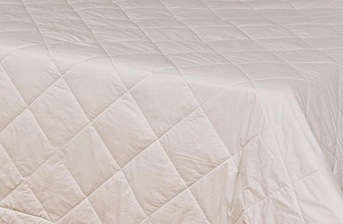
Some organic cotton blankets include cotton batting or quilted construction. These feel more substantial and can work as a lightweight comforter alternative. When shopping, check whether both the outer fabric and fill are organic cotton, or whether only one part of the blanket contains organic material.
How to Choose the Best Organic Cotton Blanket
Start With the Certification
Before falling in love with the color, texture, or dreamy lifestyle photo of a blanket draped over a suspiciously perfect sofa, check the certification. Look for GOTS, OCS, or OEKO-TEX Organic Cotton. A strong product listing should clearly name the certification and provide enough information to verify it.
Be cautious with vague terms such as “eco-friendly,” “natural,” “green,” or “chemical-free.” These phrases may sound comforting, but they can be difficult to prove. The FTC’s Green Guides advise marketers to avoid misleading environmental claims, and shoppers should use the same skepticism. If a claim sounds like it was written by a houseplant with a marketing degree, investigate.
Match the Weight to Your Climate
Blanket weight matters. Lightweight organic cotton blankets are better for warm climates, summer bedding, and layering. Medium-weight blankets work well for year-round use. Heavy cotton blankets can feel grounding and cozy but may be too warm for hot sleepers.
For most households, a medium-weight waffle or thermal organic cotton blanket is the safest all-purpose choice. It can sit between sheets and a duvet in winter or replace heavier bedding in warmer months.
Consider the Weave
The weave changes how a blanket feels. Waffle and thermal weaves are breathable and textured. Muslin is airy and soft. Percale-like woven cotton feels crisp. Knit cotton feels stretchy and casual. If you want a neat bed, choose a woven blanket. If you want a blanket that says, “I am emotionally prepared for a nap,” choose knit or muslin.
Check the Size Carefully
Blanket sizing is not always universal. A queen blanket from one brand may be generous, while another may barely cover the mattress and leave two adults negotiating territory like diplomats. Check the dimensions, not just the size label.
For beds, choose a blanket large enough to tuck in or drape over the sides. For sofas, a smaller throw is usually enough. For babies, use only age-appropriate blankets and follow safe-sleep guidelines; loose blankets are not recommended for infants during sleep.
Think About Color and Dye
Organic cotton blankets come in undyed, natural, white, and colored options. Undyed cotton can be a good choice for people who prefer minimal processing. Dyed blankets offer more design flexibility, but certification matters because dyes and finishing agents are part of the textile process.
Neutral colors like ivory, oatmeal, gray, and soft blue are easy to style. Darker colors may show lint less but can fade faster if washed aggressively. If you own a white pet, a black blanket is less a design choice and more a lint-documentary series.
Organic Cotton vs. Conventional Cotton Blankets
Organic cotton and conventional cotton can both produce soft, durable blankets. The difference is mainly in how the cotton is grown and how the finished textile is verified. Organic cotton is grown under standards that restrict synthetic pesticides, synthetic fertilizers, and genetically engineered seed. Conventional cotton does not follow those same organic production rules.
For consumers, the main benefits of organic cotton blankets are transparency, reduced reliance on certain agricultural chemicals, and compatibility with cleaner textile-processing standards when certified. The comfort difference depends on yarn quality, weave, finishing, and construction. A poorly made organic blanket can still disappoint, while a well-made conventional cotton blanket can feel excellent. Certification is important, but craftsmanship still matters.
Organic Cotton vs. Bamboo, Wool, and Polyester Blankets
Organic Cotton vs. Bamboo Viscose
Bamboo-derived fabrics are often marketed as sustainable, silky, and cooling. However, many bamboo textiles are made through chemical processing that turns bamboo pulp into rayon or viscose. They can feel lovely, but “bamboo” does not automatically mean organic or low-impact. Organic cotton is simpler to understand because the fiber itself remains cotton from field to fabric.
Organic Cotton vs. Wool
Wool is warmer, naturally insulating, and excellent for cold climates. It can also be itchy for some people and may require more careful washing. Organic cotton is easier to launder, lighter, and often more comfortable directly against the skin. Wool wins for mountain-cabin drama. Cotton wins for everyday washability.
Organic Cotton vs. Polyester Fleece
Polyester fleece is soft, affordable, and warm, but it is synthetic and can trap heat. It may also create static and shed microfibers during washing. Organic cotton is breathable, plant-based, and often better for those who dislike the clammy warmth of synthetics. Polyester fleece is the blanket equivalent of a marshmallow jacket; organic cotton is more like a well-made cotton sweater.
How to Care for Organic Cotton Blankets
Good care keeps an organic cotton blanket soft, fresh, and properly sized. Always follow the care label first because construction matters. In general, cotton blankets do best with cold or warm water, mild detergent, and a gentle cycle. Hot water can increase shrinkage and may fade colors faster.
Avoid using too much detergent. More soap does not equal more clean; it often equals residue. Fabric softeners can coat cotton fibers and reduce breathability, so skip them when possible. For drying, use low heat or air dry. High heat is the villain in many shrinkage stories.
Wash daily-use blankets more often, especially if they touch skin directly, collect pet hair, or serve as your snack-protection shield during TV time. Blankets used as decorative layers can usually be washed less frequently. Make sure the blanket is completely dry before storing it to prevent musty odors.
Common Mistakes to Avoid
Buying Based on the Word “Organic” Alone
Organic claims should be specific. Look for certified organic cotton, a recognized standard, and clear labeling. A product page that says “organic feel” is talking about vibes, not verification.
Ignoring the Full Material List
Some blankets combine organic cotton with polyester, acrylic, or other fibers. Blends are not automatically bad, but they may change breathability, texture, and organic-content claims. If you want a pure organic cotton blanket, look for “100% organic cotton” and confirm certification.
Choosing the Wrong Weight
A thick cotton blanket may look luxurious but feel too heavy in a warm bedroom. A gauzy muslin blanket may feel dreamy in July but underwhelming in January. Match the blanket to your climate, mattress setup, and sleeping style.
Drying on High Heat
Organic cotton is still cotton, and cotton can shrink. Use low heat, remove promptly, and reshape if needed. Your blanket should come out cozy, not auditioning to become a placemat.
Are Organic Cotton Blankets Worth It?
For many households, yes. Organic cotton blankets are worth considering if you value breathable comfort, natural fibers, credible certifications, and bedding that works across seasons. They are especially appealing for people who want fewer questionable textile claims and more transparency in what they bring into the bedroom.
The best value is not always the most expensive blanket. A well-certified, medium-weight organic cotton blanket with strong stitching, practical dimensions, and clear care instructions will often outperform a pricier blanket that relies mostly on fancy branding. Look for proof, not poetry.
Real-Life Experiences With Organic Cotton Blankets
Living with an organic cotton blanket is different from admiring one online. In photos, every blanket looks calm, folded, and emotionally mature. In real life, it gets dragged to the couch, stolen by children, claimed by pets, washed after coffee incidents, and used during those mysterious “I am not cold, but I need a blanket” moments.
One of the first things people notice is breathability. A good organic cotton blanket does not usually create the trapped, sweaty feeling that some synthetic throws can. This matters most at night. Many sleepers want a layer that provides comfort without turning the bed into a slow cooker. A waffle or thermal organic cotton blanket can add just enough warmth while still allowing air to move. For couples with different temperature preferences, this can be a domestic peace treaty in textile form.
Another experience is how the blanket changes after washing. Organic cotton often softens over time, especially muslin, jersey, and certain waffle weaves. The first wash may make the blanket feel more relaxed and less “store shelf perfect.” That is usually a good thing. It starts to feel lived-in rather than staged. The trick is patience: wash gently, dry low, and avoid the temptation to blast it with high heat because you forgot laundry existed until bedtime.
Parents often appreciate organic cotton blankets because they feel simple and dependable. A lightweight organic cotton throw in a child’s room can handle story time, car trips, and sick days. For babies and toddlers, parents should always follow safe-sleep rules, but organic cotton blankets can still be useful for supervised stroller walks, play mats, or cuddling outside the crib. The fabric feels gentle, and the washability is a major advantage because children treat clean textiles as a personal challenge.
Pet owners may have a more complicated but still positive relationship with organic cotton blankets. Cotton can attract hair, especially in textured weaves, but it also washes well. A sofa-sized organic cotton throw can protect upholstery and make the living room look more intentional. The dog may believe the blanket was purchased specifically for him. The cat may believe the entire house was purchased for her. Both will be wrong, but not by much.
Design-wise, organic cotton blankets are easy to style. A natural cotton waffle blanket folded at the foot of the bed adds texture without making the room feel busy. A soft white organic cotton blanket can make a guest room feel fresh and hotel-like. Earth-toned throws work well with wood furniture, linen curtains, and calm neutral spaces. If your bedroom currently says “laundry staging area,” a neatly folded cotton blanket can help it whisper “boutique retreat” instead.
The most practical experience is longevity. A quality organic cotton blanket may cost more upfront than a bargain synthetic throw, but it can earn its keep through regular use. Strong stitching, durable yarn, and proper care make a difference. Over time, the best blanket becomes the one people reach for without thinking. It is not always the fanciest. It is the one that feels right on a cool morning, works during a nap, survives the wash, and somehow looks better a little rumpled.
In short, organic cotton blankets fit real life because they are comfortable, washable, breathable, and flexible. They do not need a special occasion. They are for Tuesday nights, Sunday naps, guest beds, movie marathons, and that oddly specific moment when the room is not cold but your feet strongly disagree.
Conclusion
Organic cotton blankets combine everyday comfort with better transparency. The best ones are breathable, soft, durable, and certified by credible standards such as GOTS, OCS, or OEKO-TEX Organic Cotton. They work beautifully as bed layers, sofa throws, nursery accessories, and year-round comfort pieces.
When shopping, do not stop at pretty colors or fluffy promises. Check the fiber content, certification, size, weave, weight, and care instructions. Choose waffle or thermal weaves for versatile layering, muslin for lightweight softness, knit cotton for casual comfort, and quilted styles for more structure. Care for the blanket with gentle washing and low heat, and it can stay cozy for years.
An organic cotton blanket will not solve every problem in life. It will not answer emails, fold itself, or stop your family from stealing it. But it can make your bed more comfortable, your couch more inviting, and your daily routine a little softer. Honestly, that is a pretty good job description for a blanket.