There are candles, and then there are candles that look like they wandered out of a thoughtful design shop, stopped by a beekeeper’s market, and decided to make dinner feel more poetic. Organic beeswax stubby tapers belong firmly in the second group. Shorter, wider, warmer, and a little more charming than the average dinner candle, these compact tapers bring a natural golden glow to tabletops, mantels, shelves, and quiet evenings when overhead lighting feels personally offensive.
The phrase “organic beeswax stubby tapers” may sound oddly specific, but that is exactly what makes these candles interesting. They combine three qualities many modern shoppers care about: natural material, intentional design, and practical burn performance. Beeswax has a long history in candle making, especially before paraffin became the dominant wax in mass-market candles. Stubby tapers add a contemporary twist by keeping the elegance of a taper candle while offering a shorter, sturdier silhouette that feels relaxed rather than formal.
Whether you are styling a holiday dinner, building a cozy reading corner, choosing a thoughtful hostess gift, or simply trying to make Tuesday night pasta feel like it deserves a linen napkin, organic beeswax stubby tapers are worth a closer look. They are small, but they do a lot of visual heavy lifting.
What Are Organic Beeswax Stubby Tapers?
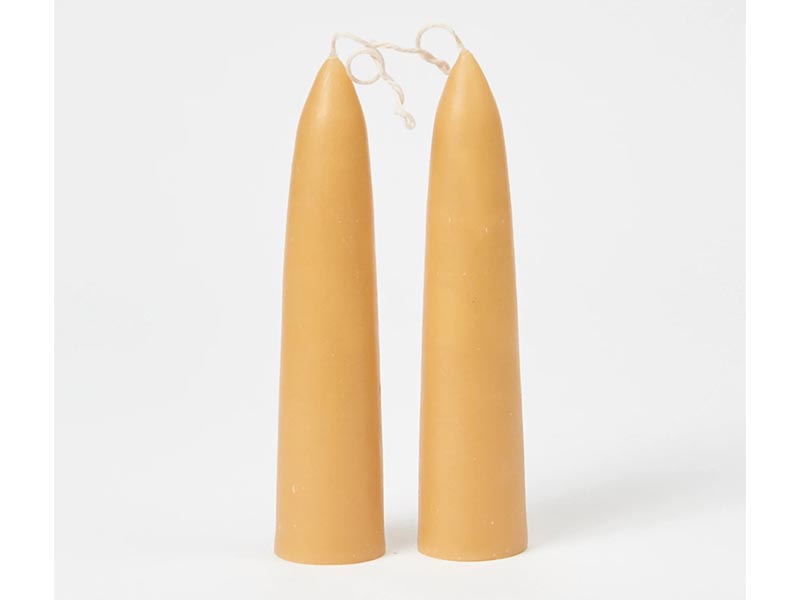
Organic beeswax stubby tapers are compact taper-style candles made from beeswax that is marketed as organic or certified organic. “Stubby” usually refers to the candle’s shorter and wider proportions compared with a standard dinner taper. Instead of the tall, slim candles commonly used in formal candlesticks, stubby tapers have a more grounded shape. They look substantial, burn slowly when well made, and often stand out as decorative objects even before they are lit.
A well-known curated listing described organic beeswax stubby tapers as hand-dipped, certified organic, self-standing candles made from unrefined organic beeswax. The listed candles were sold in pairs, measured about 1.5 by 7 inches, and offered an estimated 20-hour burn time per candle. While individual products vary by maker, this description captures the appeal of the category: handmade, natural-looking, giftable, and designed for everyday beauty rather than fussy display.
Why the Stubby Shape Matters
The stubby taper shape is more than a cute design decision. A wider candle can feel steadier visually and physically, especially when used in simple holders or as a self-standing piece on a heat-safe surface. The shorter height also makes it easier to use at the dinner table because it does not block faces, floral arrangements, or the dramatic eye contact required when someone asks who finished the last dinner roll.
Stubby tapers work especially well in casual-luxury interiors. They pair beautifully with stoneware plates, brass holders, linen runners, handmade ceramics, wooden boards, and seasonal greenery. They are elegant without looking like they are auditioning for a period drama.
Why Beeswax Is Special
Beeswax is produced by honey bees and used as the structural material of honeycomb. After honey is removed, the comb can be melted, strained, and processed into wax. In candle form, beeswax is admired for its natural golden color, faint honey-like aroma, firm texture, and connection to traditional craft.
Unlike heavily fragranced candles that rely on added scent oils, pure beeswax candles often carry their own subtle aroma. It is not perfume in the dramatic “someone spilled vanilla frosting in a pine forest” sense. It is softer: warm, faintly sweet, and natural. Many people enjoy beeswax candles because the scent is present but not pushy.
Natural Color and Bloom
Unrefined beeswax can range from pale cream to deep golden yellow depending on the wax source, pollen, propolis, age, and processing method. Over time, real beeswax may develop a pale, powdery film called bloom. This is not mold, damage, or a sign that the candle has joined a secret ghost society. It is a natural crystalline effect that can often be buffed away gently with a soft cloth.
For shoppers seeking authenticity, bloom can be a reassuring sign that the candle contains real beeswax. However, it should not be the only quality marker. Good beeswax candles should also have an appropriate wick, clean finish, stable shape, and clear labeling.
What Does “Organic” Mean for Beeswax Candles?
The word “organic” carries weight, so it deserves careful handling. With food, cosmetics, and agricultural materials, organic claims should be backed by certification or reliable documentation. Beeswax is a hive product, and organic apiculture can be complicated because bees forage over large areas. A beekeeper cannot simply tell the bees, “Please keep it organic today,” and expect them to check field boundaries like tiny flying inspectors.
For candles, the strongest claim is “certified organic beeswax,” supported by documentation from an accredited certifier. A product described as made with organic beeswax should ideally explain whether the wax itself is certified organic, whether the entire candle is certified, and whether other components such as wick material or dyes meet the same standards.
Questions to Ask Before Buying
Before purchasing organic beeswax stubby tapers, look for clear answers to a few practical questions. Is the beeswax certified organic or simply described as natural? Is the candle made from 100 percent beeswax or a blend? Is the wick cotton, paper, wood, or another material? Are there added fragrances, dyes, or stabilizers? Is the candle handmade, hand-dipped, poured, or molded?
Transparent brands usually make these details easy to find. If a candle maker is vague about materials, that does not automatically mean the product is poor, but it does mean you should be cautious about premium pricing.
Benefits of Organic Beeswax Stubby Tapers
Organic beeswax stubby tapers offer several benefits for people who care about home atmosphere, material quality, and design versatility. They are not magic air-purifying wands, and they should still be burned responsibly, but they do bring a distinctive mix of beauty and function.
1. A Warm, Natural Glow
Beeswax candles are known for their rich, golden flame. In a room, that glow feels warmer than many bright white artificial lights. It flatters wood grain, ceramics, glassware, and human faces, which is useful if your dining room lighting currently makes everyone look like they are being interviewed in a parking garage.
2. Subtle Honey-Like Scent
Pure beeswax has a naturally mild aroma. For people sensitive to strong fragrances, unscented beeswax tapers can be a good alternative to heavily perfumed candles. The scent is usually gentle enough for dinner settings, where a candle should not compete with the food. Nobody wants a beautiful roast chicken battling a synthetic “Midnight Pumpkin Volcano” fragrance.
3. Design-Friendly Proportions
The stubby taper silhouette is decorative without trying too hard. It looks good in multiples, pairs well with vintage candlesticks, and works in modern, rustic, cottage, Scandinavian, farmhouse, minimalist, and wabi-sabi-inspired interiors. In other words, it plays nicely with almost everyone.
4. Gift Appeal
A pair of organic beeswax stubby tapers makes an easy, tasteful gift. They are useful, beautiful, and small enough not to burden the recipient with storage issues. Add a handmade candle holder, a box of long matches, or a linen napkin set, and suddenly you have a gift that says, “I am thoughtful,” without saying, “I panicked in the checkout line.”
5. Connection to Craft
Many beeswax tapers are hand-dipped, a traditional candle-making method that builds the candle layer by layer. This process can create slight variations in size, finish, and color. For handmade-home enthusiasts, those small differences are part of the charm.
How Beeswax Candles Burn
A candle works through a surprisingly elegant process. When lit, heat from the flame melts wax near the wick. The liquid wax moves up the wick through capillary action, vaporizes, and then combusts in the flame. A properly designed candle balances wax, wick, oxygen, and heat. When that balance is right, the flame burns steadily. When it is off, the candle may smoke, flicker, tunnel, drip, or develop an oversized flame.
This is why wick choice matters so much. Even the most beautiful organic beeswax candle can perform poorly if the wick is wrong for the candle’s diameter and wax type. Reputable candle makers test wick size carefully because too much fuel can cause smoking and flaring, while too little fuel can make the candle sputter out.
How to Use Organic Beeswax Stubby Tapers Safely
Even a natural candle is still an open flame. That means safety comes first, no matter how charming the candle looks beside your ceramic bowl of walnuts.
Trim the Wick
Trim the wick to about one-quarter inch before lighting. A shorter wick helps control flame height and can reduce smoking. If the flame becomes too large while burning, extinguish the candle, let it cool, trim the wick, and relight it.
Use a Stable, Heat-Safe Surface
Self-standing stubby tapers should still be placed on a fire-resistant plate, tray, or candle holder. Wax can soften, and a candle can become unstable if placed near heat, drafts, or uneven surfaces. Avoid setting candles directly on wood tables, fabric runners, books, windowsills, or anything that would make a firefighter sigh deeply.
Keep Distance from Flammable Items
Keep candles at least 12 inches away from curtains, bedding, paper, dried flowers, holiday greenery, lampshades, and other burnable materials. This is especially important for table styling. Dried orange slices and pine branches may look adorable around candles, but open flame and dry decor are not best friends.
Do Not Leave Candles Unattended
Never leave a burning candle unattended. Blow it out before leaving the room, going to bed, or stepping away for “just a minute,” which in real life often becomes 37 minutes and a side quest involving laundry.
Burn in Moderation
Like all combustion sources, candles can contribute small amounts of particles and gases to indoor air. For most people, occasional candle use in a well-ventilated room is part of normal home life. However, people with asthma, fragrance sensitivity, respiratory illness, children, older adults, and pets may need more caution. Keep rooms ventilated, avoid drafts that make the flame flicker, and choose simple, unscented candles when indoor-air quality is a priority.
Organic Beeswax Stubby Tapers vs. Regular Taper Candles
Regular taper candles are usually taller and slimmer. They create a formal, vertical look and are ideal for traditional candlesticks, weddings, holiday tables, and elegant dinner settings. Stubby tapers feel more casual and sculptural. They have the personality of a taper candle but the confidence of a pillar candle.
If you want a dramatic tablescape, tall tapers may be the better choice. If you want a cozy, grounded, artful look, stubby tapers shine. They are especially useful on smaller tables where tall candles might block conversation or look out of scale.
Organic Beeswax Stubby Tapers vs. Paraffin Candles
Paraffin remains one of the most common candle waxes because it is affordable, versatile, and excellent at holding fragrance. Beeswax, by contrast, is typically more expensive and often used in smaller-batch or premium candles. Neither wax should be demonized automatically. A well-made candle, regardless of wax type, should be designed to burn safely and cleanly when used correctly.
The appeal of beeswax is not that every other candle is terrible. The appeal is that beeswax offers a natural origin, subtle scent, firm texture, traditional heritage, and distinctive glow. For buyers who prefer fewer added ingredients, beeswax tapers can feel like the cleaner, quieter choice aesthetically and emotionally.
How to Style Organic Beeswax Stubby Tapers
Styling these candles is delightfully easy because they already look good on their own. The trick is to let their shape and material speak instead of burying them in too much decor.
On the Dining Table
Use two to six stubby tapers down the center of a dining table, spaced evenly and placed in sturdy holders or on heat-safe plates. Pair them with linen napkins, low flowers, ceramic dishes, and simple glassware. Because stubby tapers are shorter, guests can see each other across the table without dodging candle flames like a dinner-theater obstacle course.
On a Mantel
Group beeswax stubby tapers with framed art, pottery, small branches, or brass accents. Vary the heights slightly with holders, but keep the arrangement simple. The warm wax color works especially well against white plaster, dark stone, reclaimed wood, and painted brick.
In Seasonal Decor
For fall, pair them with pears, figs, walnuts, amber glass, and warm textiles. For winter, use evergreen sprigs nearby but never touching the flame. For spring, style them with pale ceramics and fresh flowers. In summer, place them outdoors only in safe, wind-protected lanterns or holders, and never leave them unattended.
How to Choose High-Quality Organic Beeswax Stubby Tapers
When shopping, prioritize material transparency, craftsmanship, and safety. Look for candles that clearly state the wax type, wick material, dimensions, estimated burn time, and care instructions. If the candle is labeled organic, look for certification details rather than vague green language.
High-quality beeswax tapers should feel firm, smell faintly natural, and have a clean wick placement. Handmade versions may show small irregularities, but they should not lean dangerously, crack badly, or feel greasy. A little variation is charming. A candle that looks like it lost a wrestling match with a radiator is less charming.
Best Features to Look For
Choose 100 percent beeswax if you want the most traditional beeswax experience. Select cotton or other clearly identified wicks. Prefer unscented candles if you want the natural beeswax aroma and fewer fragrance ingredients. Consider hand-dipped candles for a classic finish, or molded candles if you prefer uniformity. For gifting, look for a boxed pair or set with clear care instructions.
Care and Storage Tips
Store beeswax candles in a cool, dry place away from direct sunlight. Heat can soften or warp wax, especially during summer shipping or storage. Keep candles wrapped or boxed to prevent dust and surface scratches. If bloom appears, gently buff the candle with a soft cloth.
When burning, avoid placing candles near fans, air vents, open windows, or busy walkways. Drafts make flames dance dramatically, which may look romantic for three seconds but can lead to uneven burning and more soot. Let the wax cool completely before moving the candle or holder.
Common Myths About Beeswax Candles
Myth 1: Beeswax Candles Purify the Air
You may see claims that beeswax candles release negative ions and clean indoor air. This claim is popular, but it is not well supported by strong evidence. A better, more accurate statement is that unscented beeswax candles may be preferred by people who want a simple candle with fewer added fragrance ingredients. They still involve combustion and should be burned with ventilation and moderation.
Myth 2: Natural Means Risk-Free
Natural materials can still burn, smoke, drip, stain, or cause problems if used carelessly. Organic beeswax is beautiful, but it is not permission to ignore candle safety. Treat every lit candle with respect, even if it looks like it belongs in a peaceful farmhouse kitchen.
Myth 3: All Beeswax Candles Are the Same
Quality can vary widely. Wax purity, filtration, wick choice, candle diameter, dipping technique, storage, and burn testing all affect performance. A premium beeswax candle should do more than look pretty in a product photo. It should burn evenly and safely when used according to directions.
of Experience: Living With Organic Beeswax Stubby Tapers
The first thing you notice about organic beeswax stubby tapers is that they do not need much help. Some home accessories arrive demanding a whole styling committee. These candles are different. Put one on a small ceramic saucer beside a bowl of fruit, and suddenly the corner looks intentional. Place a pair on a dinner table with plain white plates, and the meal feels warmer before anyone has taken a bite. They have that rare design quality of looking both humble and luxurious.
In real use, stubby tapers are especially pleasant because they feel less formal than tall tapers. Tall tapers can be gorgeous, but they sometimes make a regular weeknight dinner feel like you should have hired a string quartet. Stubby tapers are more relaxed. They say, “Yes, we are having a nice evening,” but they do not insist that anyone pronounce “hors d’oeuvres” correctly.
One of the best experiences with beeswax stubby tapers is using them during slow meals. Light them just before serving soup, pasta, roasted vegetables, or fresh bread. Their natural honeyed scent stays in the background, allowing the food to remain the star. This matters more than people think. A heavily scented candle near dinner can make salad taste like sandalwood and dessert taste like a craft store in October. Beeswax is subtler and more polite.
They are also excellent for quiet rituals. Light one while writing in a journal, arranging flowers, reading before bed, or cleaning the kitchen after dinner. The short shape makes the flame feel close and steady, not towering or theatrical. It creates a small pool of attention. In a world full of screens, alerts, tabs, and tiny digital emergencies, a beeswax flame gives the room a gentle pause button.
The practical side matters too. Stubby tapers are easier to store than tall tapers and less likely to snap in a drawer. They can work in low holders, vintage saucers, handmade candle cups, or minimalist metal bases. If you love changing seasonal decor, they adapt quickly. In November, they look beautiful with dried leaves and stoneware. In December, they glow beside evergreen branches kept safely away from the flame. In spring, they soften a table filled with tulips, eggs, herbs, and pale linens.
The main lesson from using them is simple: do not overcomplicate the setup. Beeswax stubby tapers look best when surrounded by honest materials. Think wood, clay, brass, linen, glass, stone, and fresh food. Avoid plastic-heavy arrangements or overly shiny decorations that fight the natural wax finish. These candles are not trying to be glamorous in a nightclub way. They are glamorous in a “fresh bread, clean table, good conversation” way.
They also make surprisingly reliable gifts. A pair of organic beeswax stubby tapers feels personal without being too intimate. It works for hosts, teachers, neighbors, newlyweds, design lovers, gardeners, and that one friend whose house always smells faintly like rosemary and expensive soap. Add a note about trimming the wick and burning safely, and the gift becomes both beautiful and useful.
After living with organic beeswax stubby tapers, their appeal becomes obvious. They are not just candles. They are small design tools, mood setters, and reminders that atmosphere does not have to be complicated. Sometimes all a room needs is a steady flame, a natural material, and the good sense to keep it away from the curtains.
Conclusion
Organic beeswax stubby tapers are a thoughtful choice for anyone who loves natural materials, warm lighting, handmade details, and simple home rituals. Their compact shape makes them practical for tables, mantels, shelves, and gifts, while beeswax brings a traditional charm that feels both old-world and modern. The best versions are clearly labeled, well wicked, safely made, and supported by honest organic claims.
For the best experience, buy from transparent makers, trim the wick before each burn, use a stable heat-safe holder, and enjoy them in well-ventilated spaces. They may be small, but they can completely change the mood of a room. That is the quiet power of a good candle: it does not shout for attention. It simply glows until everyone relaxes.