Neurofibromatosis 2, now more accurately called NF2-related schwannomatosis, is a rare genetic condition that causes benign tumors to grow on nerves, especially the nerves involved in hearing and balance. That sounds like a tiny sentence doing a marathon’s worth of work, because NF2 can affect hearing, balance, vision, the brain, the spine, mobility, emotions, family planning, and daily routines. In other words, NF2 is not just “an ear problem.” It is a whole-body, whole-life condition that deserves careful attention.
The good news? NF2 is not the same as a sudden disaster movie. Many tumors grow slowly, many symptoms can be managed, and modern care focuses on preserving hearing, protecting nerve function, monitoring tumor growth, and helping people live as fully as possible. The less-good news? NF2 likes to be sneaky. Early symptoms can feel ordinary: ringing in one ear, trouble hearing phone calls, dizziness, clumsy balance, or vision changes. It may look like stress, earwax, too much coffee, or “I should really stop reading emails in bed.”
This guide explains NF2 symptoms, causes, diagnosis, treatment options, long-term monitoring, and real-life experiences in clear American Englishno medical fog machine required.
What Is Neurofibromatosis 2?
Neurofibromatosis 2 is a tumor predisposition disorder caused by changes in the NF2 gene. This gene helps make a protein called merlin, which normally acts like a cellular security guard, helping control cell growth. When the NF2 gene does not work properly, certain cells can grow into tumors, especially schwannomas, which develop from Schwann cells that protect nerves.
The hallmark of NF2 is the development of vestibular schwannomas, also called acoustic neuromas. These tumors grow on the eighth cranial nerve, which carries sound and balance signals from the inner ear to the brain. In NF2, vestibular schwannomas often occur on both sides, which is why hearing and balance symptoms are so common.
NF2 can also cause other tumors, including:
- Meningiomas, which grow from the membranes around the brain and spinal cord
- Ependymomas, which may form in the spinal cord or brain
- Peripheral schwannomas, which grow on nerves outside the brain and spinal cord
- Eye-related problems, including cataracts that may appear earlier than expected
Most NF2-related tumors are benign, meaning they are not cancer. However, benign does not always mean harmless. A benign tumor in a tight spacesuch as near the brainstem, spinal cord, facial nerve, or hearing nervecan still cause serious symptoms by pressing on important structures. Think of it like parking a harmless bicycle in the middle of a narrow hallway. The bike is not evil, but everyone is still tripping over it.
NF2 vs. NF1: What Is the Difference?
NF2 is often confused with neurofibromatosis type 1, or NF1, because the names sound like siblings from the same confusing medical family reunion. They are related historically but are different conditions.
NF1 usually causes skin findings such as café-au-lait spots, freckling in the armpits or groin, neurofibromas, learning differences, and sometimes bone or optic nerve problems. NF2, by contrast, is more strongly linked to tumors of the hearing and balance nerves, other brain and spine tumors, hearing loss, tinnitus, balance problems, and eye findings. Skin changes can happen in NF2, but they are usually less prominent than in NF1.
Because of updated medical terminology, many specialists now use the name NF2-related schwannomatosis. This newer term helps separate NF2 from NF1 and places it under the broader schwannomatosis group, where conditions are classified by the gene involved.
How Common Is NF2?
NF2 is rare. Estimates vary, but many medical sources describe it as affecting roughly 1 in 25,000 to 1 in 60,000 people. Symptoms often begin in the late teen years or early adulthood, commonly between ages 18 and 24. Some people develop signs earlier in childhood, while othersespecially those with mosaic NF2may not notice symptoms until later in adulthood.
Mosaic NF2 means the NF2 gene change is present in only some cells of the body, not all of them. This can lead to milder symptoms, later onset, or tumors that are limited to certain areas. Mosaic NF2 can also make genetic testing and diagnosis more complicated, because a blood test may not always catch the change.
What Causes NF2?
NF2 is caused by a pathogenic change in the NF2 gene on chromosome 22. It may be inherited from a parent or occur for the first time in a person with no family history. When a person has a constitutional NF2 gene change, each child has a 50% chance of inheriting that change.
That statistic can sound cold and mathematical, but for families, it is deeply personal. Genetic counseling is important because it helps people understand inheritance, testing options, screening for relatives, reproductive choices, and what results may mean for children and siblings.
Common Symptoms of Neurofibromatosis 2
NF2 symptoms vary widely. Some people have mild symptoms for years. Others develop multiple tumors and need complex care. The exact symptoms depend on where tumors grow, how fast they grow, and which nerves or structures are affected.
Hearing Loss
Hearing loss is one of the most common symptoms of NF2. It may begin in one ear or both ears and can be gradual or sudden. A person may first notice that phone conversations sound muffled, group conversations are harder to follow, or one ear seems “off.”
Hearing loss in NF2 is usually related to vestibular schwannomas affecting the hearing portion of the eighth cranial nerve. Preserving hearing is often one of the most important goals of NF2 management.
Tinnitus
Tinnitus means ringing, buzzing, hissing, or roaring sounds in the ear that are not caused by an outside source. In NF2, tinnitus can be a warning sign of a vestibular schwannoma. It may be occasional at first, then become more persistent. Some people describe it as a high-pitched tone; others say it sounds like electrical static, ocean noise, or a mosquito that apparently signed a lifetime lease.
Balance Problems and Dizziness
Because vestibular schwannomas affect the balance nerve, NF2 can cause dizziness, vertigo, unsteadiness, and trouble walking in the dark or on uneven ground. Some people feel as if the floor is moving slightly. Others may bump into doorframes, avoid stairs, or feel uncomfortable in crowded places where visual cues are overwhelming.
Facial Weakness or Numbness
Tumors near cranial nerves may affect facial movement or sensation. Symptoms can include facial weakness, twitching, numbness, changes in facial expression, difficulty closing one eye, or changes in taste. These symptoms should be evaluated promptly because they may indicate pressure on important nerves.
Vision Problems
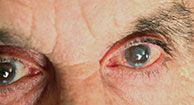
Eye findings can occur in NF2, sometimes before hearing symptoms. Children with NF2 may develop cataracts at a young age. Other possible eye concerns include retinal abnormalities, optic nerve changes, or double vision if nerves controlling eye movement are affected.
Headaches, Weakness, Pain, or Numbness
Meningiomas, spinal tumors, and peripheral nerve tumors can cause symptoms depending on location. Possible signs include headaches, back pain, limb weakness, numbness, tingling, walking difficulty, hand or foot drop, or changes in bladder or bowel function. These symptoms do not always mean a serious emergency, but they do deserve medical evaluation.
How Is NF2 Diagnosed?
NF2 diagnosis usually involves a combination of clinical examination, imaging, hearing tests, eye exams, family history, and genetic testing. Because symptoms can overlap with other conditions, diagnosis may take time.
MRI Scans
Magnetic resonance imaging, or MRI, is a key tool for detecting vestibular schwannomas, meningiomas, ependymomas, and spinal tumors. MRI can show tumor size, location, growth pattern, and whether nearby structures are affected. People diagnosed with NF2 usually need repeat MRI monitoring over time.
Hearing Tests
Audiology testing helps measure hearing level, speech understanding, and changes over time. This is especially important because treatment decisions may focus not only on tumor size but also on whether hearing is stable, declining, or still useful enough to preserve.
Eye Exams
Ophthalmology evaluations can identify cataracts, retinal changes, optic nerve issues, or other vision-related signs. In children, eye findings may be among the earliest clues.
Genetic Testing
Genetic testing can confirm an NF2 gene change, clarify risk for family members, and help distinguish NF2-related schwannomatosis from other schwannomatosis conditions involving genes such as LZTR1 or SMARCB1. In mosaic cases, testing tumor tissue may sometimes be more informative than blood testing.
Treatment Options for NF2
There is currently no cure for NF2, but treatment can help control symptoms, slow complications, preserve function, and improve quality of life. The best treatment plan depends on the person’s age, symptoms, tumor locations, hearing status, tumor growth rate, general health, and personal goals.
Active Surveillance
Not every tumor needs immediate treatment. If a tumor is small, slow-growing, and not causing major symptoms, doctors may recommend watchful waiting with regular MRI scans, hearing tests, and neurologic exams. This approach can help avoid unnecessary treatment risks.
Surgery
Surgery may be recommended when a tumor is growing, pressing on critical structures, causing severe symptoms, or threatening brain, spine, hearing, or facial nerve function. NF2 surgery is highly specialized. The goal is not always “remove everything at all costs.” In many cases, the goal is to reduce pressure, preserve nerve function, and prevent worsening symptoms.
For vestibular schwannomas, surgical decisions are especially delicate because removing or shrinking the tumor may risk further hearing loss or facial nerve weakness. This is why NF2 care is best handled by experienced teams familiar with skull base surgery, neurosurgery, otology, neuro-oncology, audiology, and rehabilitation.
Radiation Therapy
Stereotactic radiosurgery, such as Gamma Knife, may be considered for selected tumors. Radiation can help control tumor growth, but it must be used carefully in NF2 because patients may have multiple tumors over a lifetime, and long-term risks matter. It is not a casual “zap it and forget it” option. The decision should involve specialists who understand NF2.
Bevacizumab and Targeted Therapy
Bevacizumab, a medication that targets vascular endothelial growth factor, has shown benefit for some people with NF2-related vestibular schwannomas, especially when tumors are growing and hearing is declining. In some studies, bevacizumab has helped stabilize hearing, reduce tumor volume, and ease tinnitus-related distress in selected patients.
However, bevacizumab is not a magic wand in a white coat. It can have side effects, including high blood pressure, protein in the urine, delayed wound healing, bleeding risks, menstrual changes, and other complications. It also may require ongoing treatment to maintain benefits. Decisions about bevacizumab should be made with an NF2-experienced medical team.
Hearing Support
Hearing care is central to NF2 treatment. Options may include hearing aids, assistive listening devices, captioned phones, cochlear implants, or auditory brainstem implants. Not every option works for every person, because success depends on nerve function and anatomy. Audiologists and ear specialists can help choose the best approach.
Balance and Physical Therapy
Vestibular rehabilitation can help people adapt to balance changes, reduce fall risk, and improve confidence with walking. Physical therapy, occupational therapy, and mobility aids can also support people with weakness, numbness, or spinal tumor effects.
Pain and Symptom Management
Some people with NF2 experience nerve pain, headaches, muscle weakness, fatigue, or sleep problems. Treatment may involve medications, nerve pain strategies, physical therapy, counseling, assistive devices, and lifestyle modifications. Pain management should be individualized, because nerve pain has the personality of a printer jam: mysterious, stubborn, and never improved by yelling.
Living With NF2: Long-Term Monitoring Matters
NF2 is a lifelong condition, so care is not a one-and-done appointment. Ongoing monitoring usually includes regular neurologic exams, MRI scans, audiology testing, eye exams, and symptom reviews. The schedule depends on age, tumor burden, symptoms, and family history.
Because NF2 can affect many parts of life, the strongest care plans are multidisciplinary. A person may need a neurologist, neurosurgeon, otolaryngologist, neuro-oncologist, genetic counselor, ophthalmologist, audiologist, physical therapist, occupational therapist, psychologist, and primary care physician. That sounds like assembling a superhero team, except everyone wears ID badges and says “Let’s compare the scans.”
When to Seek Medical Help
Anyone with known NF2 should contact a healthcare professional if symptoms suddenly change or worsen. Warning signs include sudden hearing loss, severe or new headaches, facial weakness, new double vision, worsening balance, weakness in an arm or leg, numbness, seizures, trouble swallowing, or changes in bladder or bowel control.
People with a family history of NF2 should consider genetic counseling, especially before having children or if symptoms such as hearing loss, tinnitus, balance problems, or early cataracts appear.
Outlook for People With NF2
The outlook for NF2 varies. Some people have mild disease with slow tumor growth and manageable symptoms. Others experience progressive hearing loss, multiple surgeries, nerve complications, or significant disability. Early diagnosis, regular monitoring, and specialized care can make a meaningful difference.
Many people with NF2 go to school, build careers, raise families, travel, create art, play sports, advocate for research, and live meaningful lives. NF2 may change the route, but it does not erase the destination.
Real-Life Experiences Related to Neurofibromatosis 2
Living with NF2 often begins with uncertainty. One person might first notice that phone calls sound clearer in one ear than the other. Another may develop a strange ringing that comes and goes. Someone else may feel dizzy in grocery store aisles, where bright lights, moving carts, and patterned floors turn balance into a full-body puzzle. At first, these symptoms may seem too small to explain. Many people assume they are tired, stressed, dehydrated, or simply aging faster than their driver’s license promised.
Then come the tests. Hearing exams. MRI scans. Eye checks. Genetic counseling. Specialist visits. The vocabulary alone can feel like learning a new language: vestibular schwannoma, meningioma, ependymoma, mosaicism, audiogram, cranial nerve, surveillance. It can be overwhelming, especially when the person feels mostly normal on the outside. NF2 is often invisible to others, which can make the experience emotionally complicated. Friends may say, “But you look fine,” while the person is quietly calculating whether they can hear a conversation in a noisy restaurant.
For many people, hearing loss becomes one of the most personal parts of NF2. Hearing is not just sound; it is connection. It is jokes across the room, a child calling from another room, music in the car, birds in the morning, and the tiny emotional details in someone’s voice. Losing hearing can bring grief, frustration, and fatigue. Listening with partial hearing takes work. Lip-reading, captions, hearing devices, and communication strategies can help, but they also require adjustment and patience.
Balance problems can reshape daily life too. A person may start avoiding dark stairways, uneven sidewalks, crowded events, or swimming alone. They may learn to turn their head more slowly, keep nightlights on, use handrails, or choose shoes for stability rather than fashion. This is the moment when supportive sneakers become less “boring adult purchase” and more “excellent life decision.”
The emotional side of NF2 deserves just as much attention as the medical side. Waiting for MRI results can create scan anxiety. Treatment decisions can feel heavy because each option may have trade-offs. Surgery may reduce pressure but risk nerve damage. Observation may avoid treatment risks but requires living with uncertainty. Medication may help some patients but can bring side effects. There is rarely a perfect choice wrapped in a shiny bow.
Support systems matter. People with NF2 often benefit from connecting with NF clinics, patient organizations, hearing-loss communities, mental health professionals, rehabilitation specialists, and other patients who understand the condition firsthand. Practical tools also help: medical folders, symptom journals, phone captioning apps, calendar reminders, written visit questions, and clear communication with family and coworkers.
A helpful mindset is to treat NF2 as a long-term management project, not a personal failure. The body is not “misbehaving” on purpose. The person did not cause NF2 by eating the wrong snack, skipping yoga, or forgetting to drink celery juice. NF2 is genetic. Care involves information, monitoring, teamwork, and self-compassion.
Many people with NF2 become skilled advocates for themselves. They learn to ask direct questions: Is this tumor growing? How fast? What happens if we wait? What are the hearing risks? Who has experience treating NF2? What symptoms should prompt urgent care? That confidence does not appear overnight. It grows visit by visit, scan by scan, question by question.
NF2 can be serious, but life with NF2 can still include humor, ambition, relationships, work, creativity, and joy. Some days may be medical. Some days may be ordinary. And ordinary dayscoffee, errands, music with captions, a walk with good shoes, a conversation where everyone remembers to face you while speakingcan be quietly victorious.
Conclusion
Neurofibromatosis 2, or NF2-related schwannomatosis, is a rare genetic condition that most often affects hearing and balance through vestibular schwannomas. It can also involve tumors of the brain, spine, peripheral nerves, and eye-related complications. Symptoms may include hearing loss, tinnitus, dizziness, balance problems, facial weakness, vision changes, numbness, pain, or weakness.
Although there is no cure for NF2, treatment has come a long way. Care may include monitoring, surgery, radiation in selected cases, bevacizumab for certain progressive tumors, hearing support, rehabilitation, pain management, and genetic counseling. The most important step is getting care from a team experienced in NF2, because decisions are highly individual and often involve protecting long-term function.
Note: This article is for educational purposes only and does not replace medical advice, diagnosis, or treatment from a qualified healthcare professional.