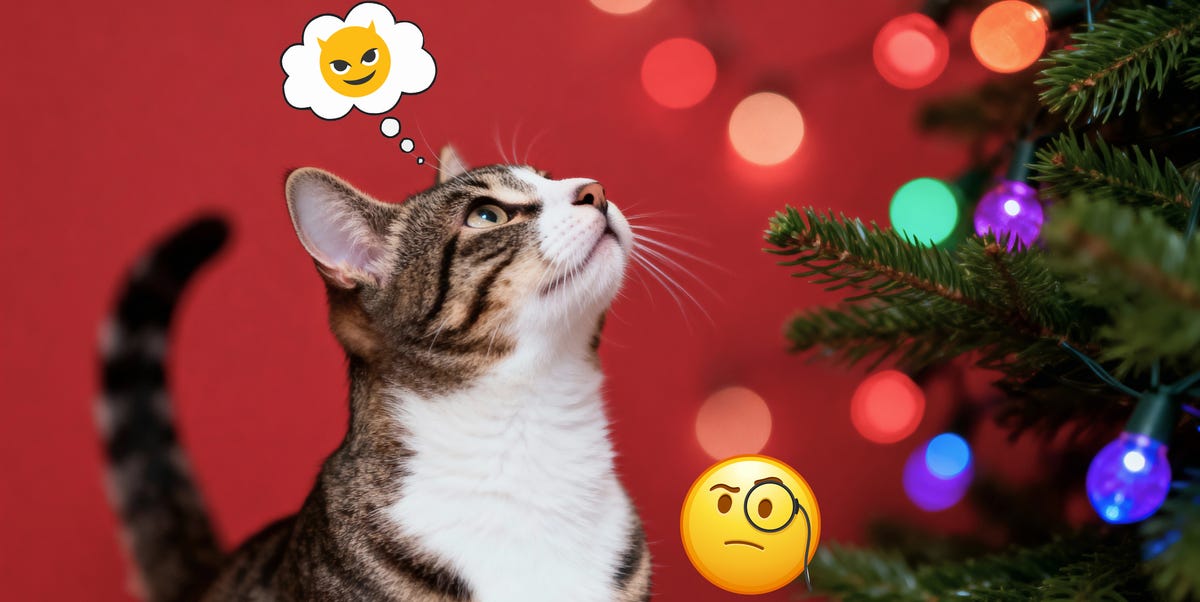
There are two kinds of Christmas households: the ones where the tree stands peacefully in the corner like a glowing symbol of holiday joy, and the ones where a cat has already declared it a seasonal climbing gym with dangling bird decorations, shiny prey, chewable wires, and a water bowl at the bottom. If your cat is staring at the ornaments with the focus of a tiny, furry jewel thief, you are not being dramatic. You are being observant.
Christmas trees are irresistible to many cats because they combine several feline favorites: height, movement, sparkle, texture, mystery smells, hidden spaces, and forbidden human excitement. To a cat, your carefully styled holiday tree may look less like decor and more like an interactive theme park called “Things I Can Bat, Bite, Climb, and Possibly Knock Over at 3:07 a.m.”
The good news is that you do not have to choose between holiday cheer and cat safety. With smart planning, a few swaps, and a little understanding of feline behavior, you can cat-proof your Christmas tree without turning your living room into a sad, undecorated waiting room. Below are seven practical, pet-safe ways to keep your tree upright, your ornaments intact, and your cat out of the emergency vet’s office.
Why Cats Are So Obsessed With Christmas Trees
Before we start rearranging ornaments like festive security consultants, it helps to understand the cat logic. Cats are natural climbers and hunters. They like vertical space because it gives them a better view of their territory. They like dangling objects because movement triggers their prey drive. They like novelty because a new object in the home demands inspection, preferably with paws, teeth, and judgmental sniffing.
A Christmas tree checks every box. It is tall. It smells different. It sparkles. It contains small swinging objects. It may have wires, ribbons, tinsel, hooks, water, and fragile decorations. In other words, it is a holiday hazard wearing a glittery hat.
Cat-proofing is not about punishing curiosity. It is about designing the environment so your cat has fewer dangerous options and more safe ones. Think of it as holiday decorating with a tiny chaos engineer in mind.
1. Choose the Right Tree Location Before You Decorate
The first rule of cat-proof Christmas tree setup is simple: location matters. If your tree is placed beside a couch, bookshelf, windowsill, cabinet, or chair, your cat may see that nearby furniture as a launchpad. One dramatic leap later, your heirloom ornaments are on the floor and your cat is inside the tree looking surprised, offended, and somehow proud.
Pick a Low-Launch Zone
Place the tree away from furniture your cat can use to jump into it. A corner can work well because it limits access from multiple sides, but only if the corner does not include shelves or a sofa arm within pouncing distance. The ideal location has open floor around it, enough room for people to enjoy it, and fewer opportunities for aerial tree invasion.
Consider a Room With a Door
If your cat is a known tree climber, consider putting the tree in a room you can close when you are sleeping or away from home. This is especially helpful during the first few days after the tree goes up, when the novelty level is dangerously high. Many cats are most interested at the beginning, then calm down once the tree becomes part of the household scenery.
For extra safety, give your cat supervised access at first. Let them inspect the tree while you are nearby. If they sniff and walk away, great. If they crouch, wiggle, and prepare for a full jungle-cat launch, you have your answer: more boundaries are needed.
2. Anchor the Tree Like It Owes You Money
A wobbly Christmas tree is risky even without pets. Add a curious cat, and it becomes a slow-motion disaster waiting for the perfect soundtrack. Whether your tree is real or artificial, a secure base is essential.
Use a Heavy, Stable Stand
Start with a sturdy tree stand that fits the height and weight of your tree. If the tree leans when you lightly touch it, your cat will not improve the situation. Artificial trees should be fully opened and balanced, while real trees should be cut and mounted correctly so the trunk sits firmly in the stand.
Secure It to the Wall or Ceiling
For households with athletic cats, anchoring the tree is one of the best holiday investments you can make. Use clear fishing line, strong cord, or discreet wire to attach the upper part of the tree to a wall hook or ceiling hook. The goal is not to make the tree immovable like a monument; it is to stop it from toppling if your cat grabs a branch or tries a questionable climbing experiment.
This step is especially important if you have kittens, high-energy cats, large cats, or cats who have previously climbed curtains, door frames, or your actual leg while you were trying to make coffee.
3. Skip Tinsel, Ribbon, and Stringy Decorations
Tinsel may look magical to humans, but to cats it looks like shiny prey spaghetti. That is a problem. String-like decorations, including tinsel, thin ribbon, yarn garlands, and loose ornament strings, can be dangerous if swallowed. Cats may chew them, swallow part of them, or drag them from the tree like they have captured a festive snake.
Why Stringy Decor Is a Big Deal
When cats swallow long, narrow materials, those items can create serious digestive problems. This is not a “wait and see if Mr. Whiskers feels better after lunch” situation. If you suspect your cat has swallowed tinsel, ribbon, ornament string, or any similar material, contact your veterinarian promptly.
Use Safer Alternatives
Instead of tinsel, choose wide fabric garlands, paper chains with large links, wooden beads too large to swallow, felt decorations, or soft cloth ornaments. Keep even these safer options higher on the tree if your cat is especially determined. The best cat-proof Christmas tree is one that looks festive without offering a buffet of chewable hazards.
Also be careful with wrapped gifts under the tree. Curly ribbon, string bows, and metallic gift ties can be just as tempting as tree decorations. Use paper bows, cloth bags, or plain wrapping if your cat has a history of investigating presents like a tiny customs officer.
4. Put Breakable, Dangly, and Bird-Shaped Ornaments Up High
Let’s talk about the bird decorations. If your cat is staring at them, they are not decorations anymore. They are targets. Bird ornaments, feathered decorations, glittery baubles, and anything that swings from a low branch should be considered high-risk entertainment.
Create a Cat-Safe Ornament Zone
Decorate the lower third of your tree with sturdy, soft, non-breakable ornaments. Felt, wood, fabric, and large shatterproof ornaments are better choices near cat level. Save glass, ceramic, metal hooks, sentimental heirlooms, and delicate decorations for the upper branches.
If you cannot bear to leave the lower branches bare, use simple decor that will not break, cut paws, or become a choking hazard. A lower section with soft ornaments can still look intentional, especially if you choose a color theme. Call it minimalist. Guests will think you are stylish. Your cat will think you are rude.
Attach Ornaments Securely
Traditional metal ornament hooks can fall off and create sharp hazards. Consider using short loops of ribbon tied firmly to branches, twist ties tucked safely out of reach, or ornament clips designed to hold decorations more securely. The goal is to make ornaments less swingy and less removable.
A good test: gently tap the ornament. If it dances like a cat toy, move it higher or secure it better. If it barely moves, you are on the right track.
5. Protect Lights, Cords, and Plugs
Christmas lights create atmosphere. They also create cords, and cords can attract cats who like chewing, pawing, or generally making poor electrical decisions. Protecting lights and cords is an important part of cat-proofing your Christmas tree.
Start Lights Higher on the Tree
Avoid wrapping lights around the very lowest branches where your cat can easily chew or pull them. Keep the first loop of lights above easy paw range when possible. If you love a fully lit tree from top to bottom, use extra caution and monitor your cat’s behavior closely.
Cover and Route Cords Safely
Run cords along the wall instead of across open floor. Use cord covers, cable channels, or pet-safe cord protectors to reduce access. Tape alone may not stop a determined chewer, but it can help keep cords flat and less interesting. Unplug lights when you are not home or when everyone is asleep.
Battery-operated lights may reduce some cord clutter, but batteries bring their own risk if your cat can access them. Keep battery packs secured, closed, and out of reach.
6. Block the Tree Water and Watch the Needles
If you have a real Christmas tree, the water reservoir may look like a secret holiday drinking fountain to your cat. Unfortunately, tree water can collect sap, bacteria, fertilizers, preservatives, or other substances that are not meant for pets. Even plain standing water can upset a cat’s stomach if it becomes dirty.
Cover the Tree Stand
Use a tree skirt, fitted cover, aluminum foil barrier, or a stand designed to limit access to water. Make sure the cover is secure enough that your cat cannot simply shove it aside with the confidence of a burglar in mittens.
Clean Up Fallen Needles
Real trees shed needles, and curious cats may chew or swallow them. Pine needles can irritate the mouth and stomach, and sharp pieces may create additional concerns. Vacuum or sweep around the tree daily, especially if your cat likes to explore the floor beneath it.
If your cat is obsessed with chewing greenery, an artificial tree may seem safer, but artificial needles and plastic pieces can still be chewed off and swallowed. No tree is completely cat-proof by default. Supervision and prevention still matter.
7. Give Your Cat a Better Holiday Job
The smartest way to keep your cat out of the Christmas tree is not only to say “no” to the tree. It is to say “yes” to something better. Cats need stimulation, climbing options, scratching surfaces, hunting games, and places to observe the household. If the Christmas tree is the most exciting object in the room, guess who wins?
Add a Cat Tree or Perch Nearby
Give your cat a legal vertical space, such as a cat tree, window perch, or sturdy shelf. Place it close enough that your cat still feels included in the holiday action, but not so close that it becomes a launchpad into the tree. Reward your cat for using the perch with treats, praise, or play.
Schedule Play Before Tree Time
A bored cat is a creative cat, and “creative” can mean removing ornaments with surgical precision. Before you settle in for an evening beside the tree, play with your cat using a wand toy, toy mouse, or puzzle feeder. Let them stalk, chase, pounce, and “catch” something appropriate. A tired cat is less likely to redecorate your tree with gravity.
Use Gentle Deterrents
Some cats dislike certain textures around the tree base, such as crinkly foil, plastic carpet runners with the nubby side up, or a pet gate. Results vary because cats are individuals, and some will treat deterrents as new holiday puzzles. Avoid anything that could scare, harm, trap, or stress your cat. The goal is to discourage, not traumatize.
Bonus Safety Tips for a Truly Cat-Friendly Christmas
Cat-proofing the tree is the main mission, but the surrounding holiday setup matters too. A cat-safe Christmas includes the room, the gifts, the plants, the candles, and the general level of chaos.
Avoid Toxic Holiday Plants
Many popular holiday plants should be kept away from cats. Lilies are especially dangerous for cats and should not be brought into a cat household. Holly and mistletoe can also cause health problems if eaten. Poinsettias are often less dangerous than their scary reputation suggests, but they can still irritate the mouth and stomach, so they are best kept out of reach.
Use Flameless Candles
Open flames and cats are not a charming holiday combination. A swishing tail can knock over a candle, and a curious paw can get too close. Flameless candles give you the cozy glow without turning your coffee table into a fire-risk personality test.
Create a Quiet Cat Retreat
Holiday guests, music, cooking smells, children, deliveries, and schedule changes can all stress cats. Set up a quiet room with food, water, a litter box, bedding, and familiar toys. This gives your cat a safe escape when the festivities become too much.
Real-Life Experience: What Actually Works When Your Cat Wants the Tree
Every cat owner eventually learns that cat-proofing is not a single action. It is a negotiation. You make a plan, your cat reviews the plan, then your cat finds the loophole. That is why the best Christmas tree strategy is layered: secure the tree, reduce temptation, block access to hazards, and offer better entertainment.
In many homes, the first year with a curious kitten is the hardest. Kittens do not simply look at a Christmas tree; they conduct research. They test branch strength. They bite fake snow. They attempt to remove ornaments that are clearly not load-bearing. One practical approach is to decorate gradually. Put up the tree first and leave it undecorated for a day or two. Let your cat investigate the shape, smell, and presence of the tree before adding ornaments. This can reduce the shock of “new tree plus shiny toys” arriving all at once.
Another useful experience-based trick is to reserve the most exciting ornaments for the highest branches. Anything shaped like a bird, mouse, star, tassel, bell, or feathered woodland creature should not live at cat eye level. A bird ornament placed on a low branch is basically a written invitation that says, “Dear Cat, please practice your hunting skills here.” If you love animal-themed ornaments, group them higher up or place them in a display bowl on a shelf your cat cannot reach.
Many cat owners also find that tree skirts need more thought than expected. A soft, rumpled tree skirt can become a nap zone, a wrestling mat, or a tunnel entrance. That may be adorable until the cat starts pulling ornaments down from below. A flatter, heavier tree skirt or a fitted stand cover usually works better. Some people use decorative storage baskets, wooden collars, or weighted fabric around the base to make the area look polished while limiting access to water and trunk space.
Play timing can make a surprisingly big difference. A cat who has spent ten minutes chasing a wand toy is often less committed to attacking ornaments. The best play sessions mimic hunting: stalk, chase, pounce, catch, then reward. After play, offer a small treat or meal. This taps into the natural hunt-eat-groom-sleep rhythm. Your tree may still be interesting, but it is less likely to become the evening’s main event.
For persistent tree climbers, nighttime access is often the deal breaker. Many cats behave beautifully while watched, then become holiday goblins after lights-out. Closing the door to the tree room at night can prevent the mysterious morning scene of three ornaments under the couch, one branch bent sideways, and a cat pretending they have never seen a Christmas tree before in their life.
Finally, remember that success may look different depending on the cat. One cat may ignore the tree after a few sniffs. Another may need a pet gate, wall anchor, cord covers, and a separate cat tree stocked with treats. A senior cat may only want to sleep under the lights, while a young cat may view the entire display as a seasonal obstacle course. The best approach is flexible, patient, and realistic. You are not trying to defeat your cat. You are trying to out-design their curiosity.
Conclusion: A Cat-Proof Tree Can Still Be Beautiful
Cat-proofing your Christmas tree does not mean giving up on a festive home. It means decorating with your actual household in mind, including the whiskered family member who believes dangling ornaments are public property. By choosing a smart location, anchoring the tree, skipping tinsel, securing ornaments, protecting cords, covering tree water, and redirecting your cat’s energy, you can enjoy a safer and calmer holiday season.
Your cat may still stare at the bird decorations. That is their job. Your job is to make sure the bird decorations are high enough, secure enough, and boring enough that the season remains merry instead of medically expensive. With a little planning, your Christmas tree can sparkle, your cat can stay safe, and your holiday photos can feature peace instead of a pine-scented crime scene.